Welcome!
I hope you all enjoy this website and find it useful. Throughout the year, I will keep a list of all homework assignments and upcoming projects for the students to know about on this site. Also, I will keep a list of upcoming dates for fun activities and what is going on in 4th grade.
Have a wonderful day!!
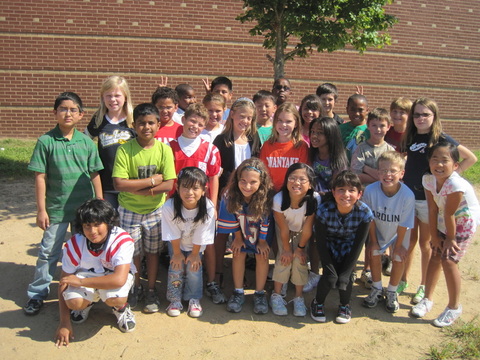
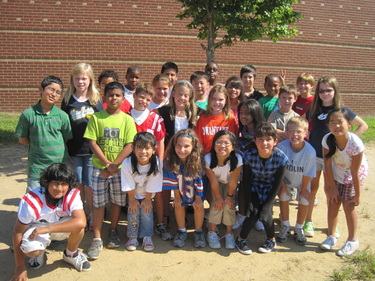
Mrs. Boivin's Brilliant 4th Grade Bunch!
Creek View Information
http://creekviewinformation.blogspot.com/
Click on the website above for Creek View news, events, and flyers (past posted information is also included)
Click here for fantastic curriculum websites (games and activities to help you learn all you need to know in 4th grade!)
What will we learn in 4th grade this year?
Below are pictures and helpful curriculum information from former 4th graders. As we continue throughout the year, I will add pictures and important information to show you what we are learning this school year!
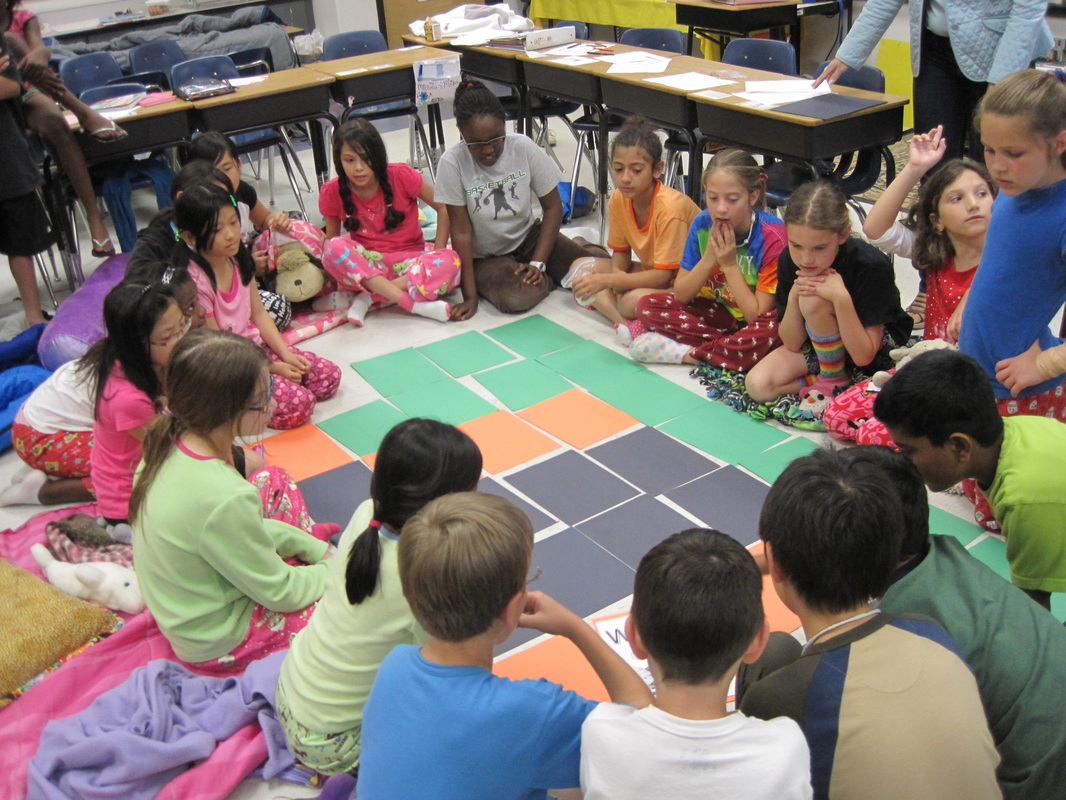
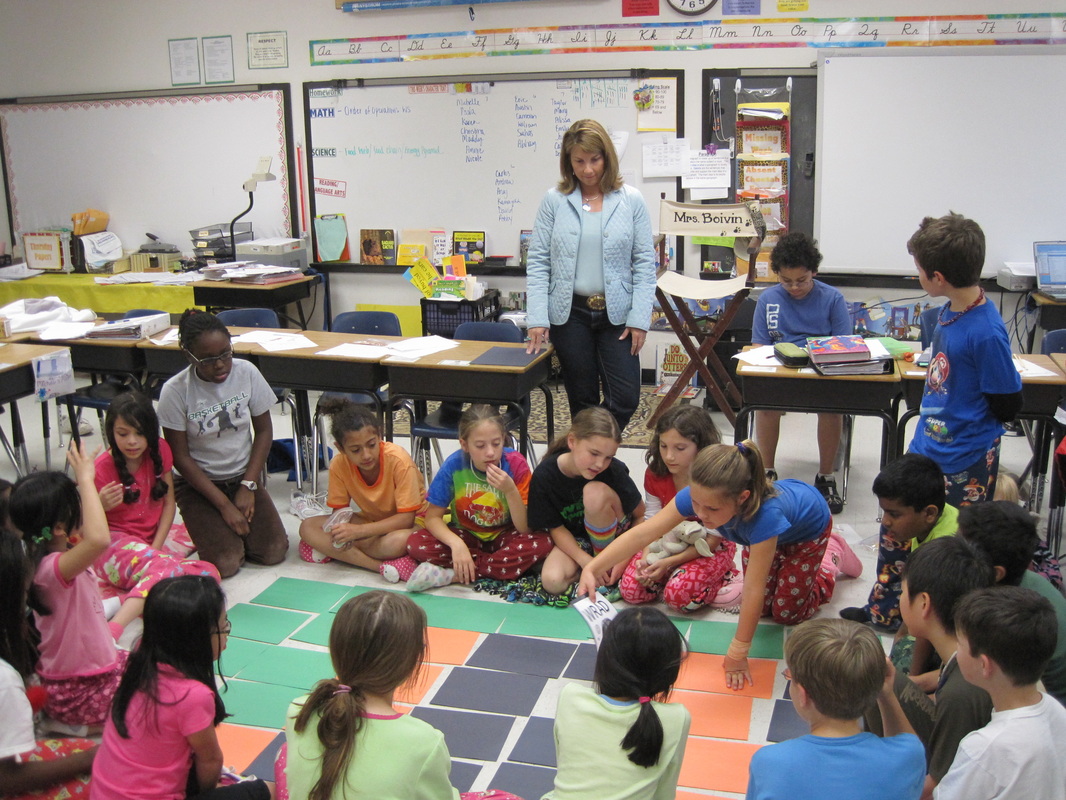
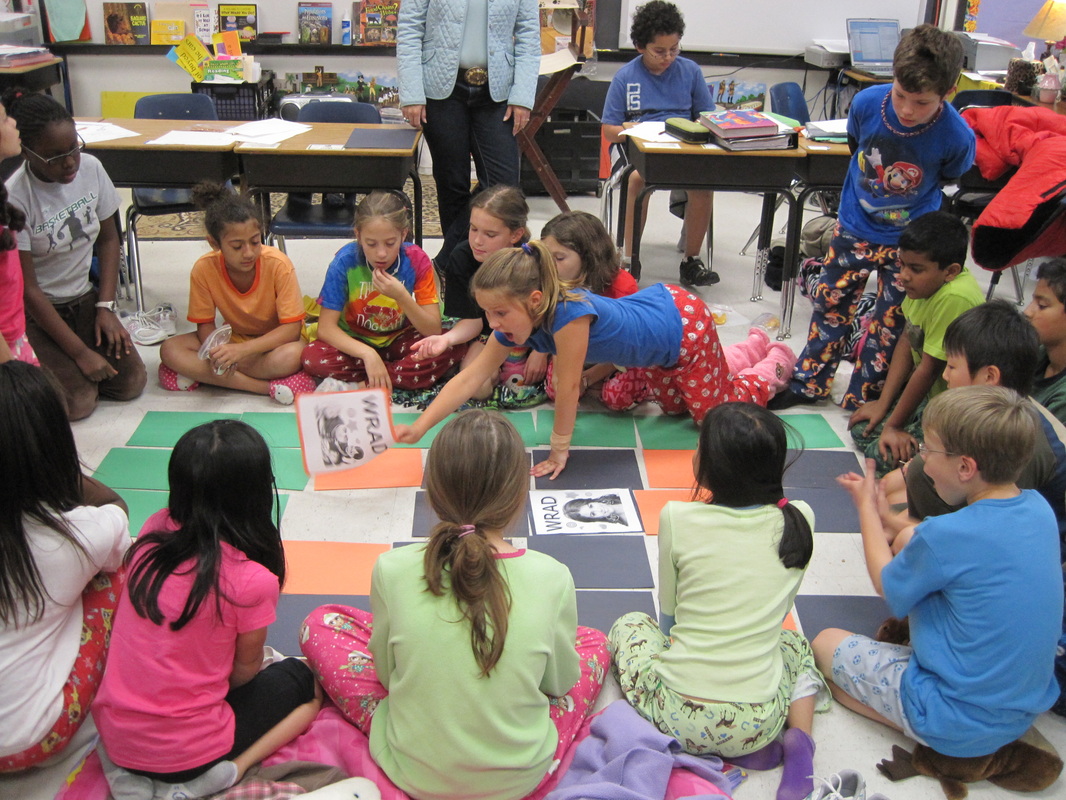
WRAD Day
May 5, 2011
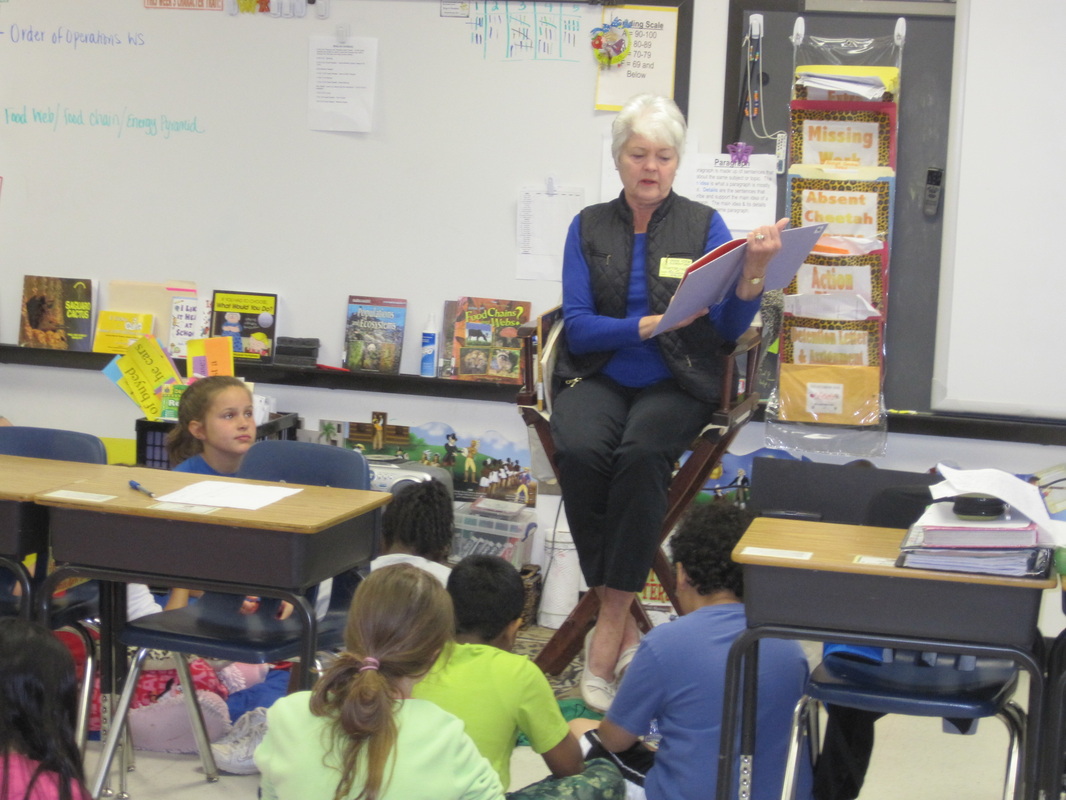
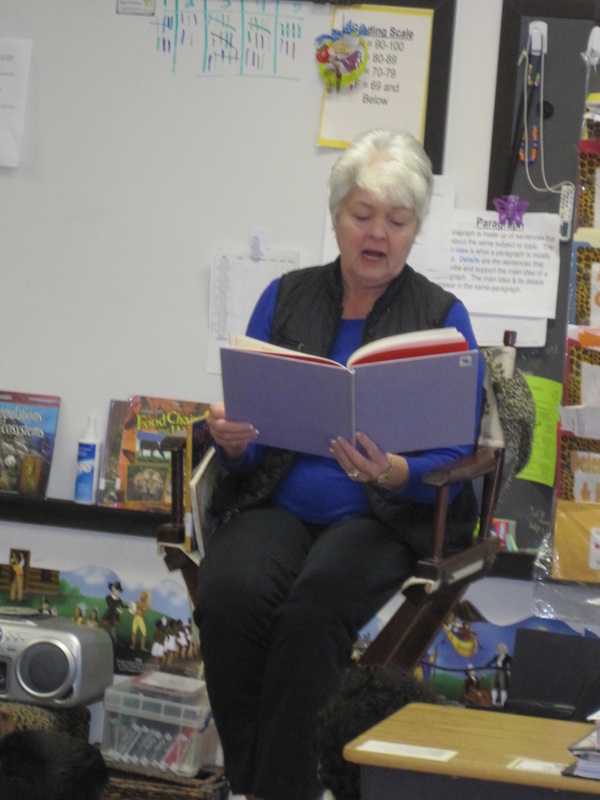
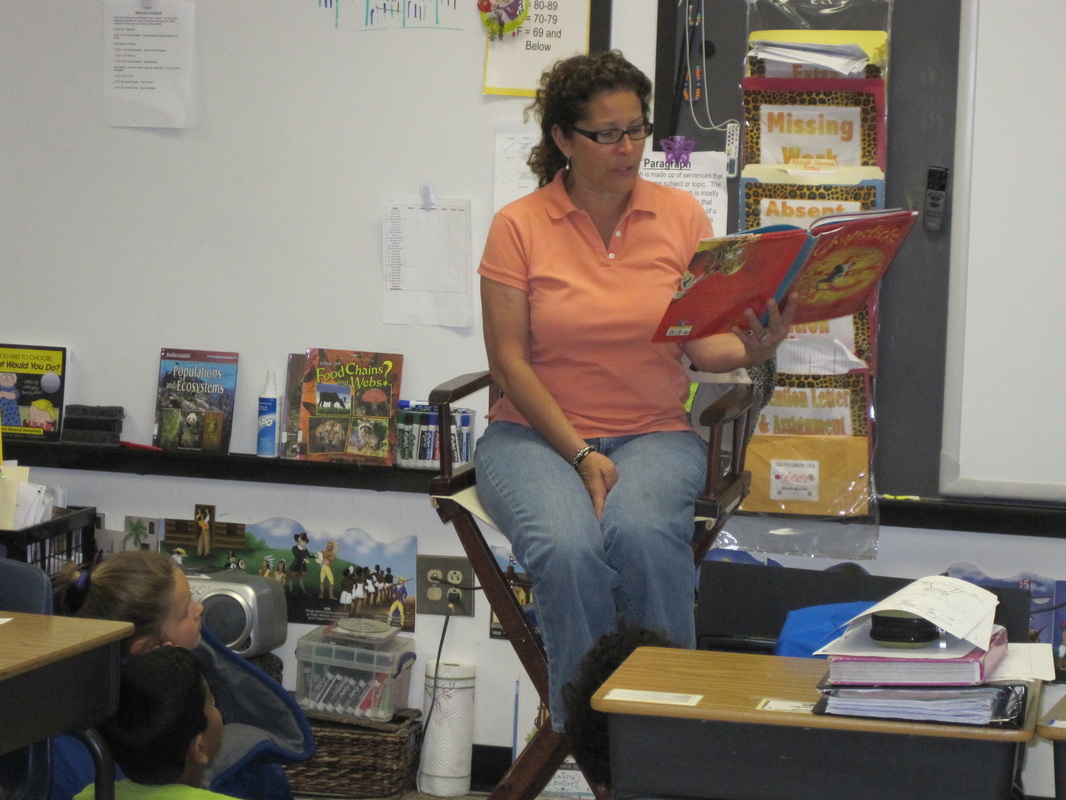
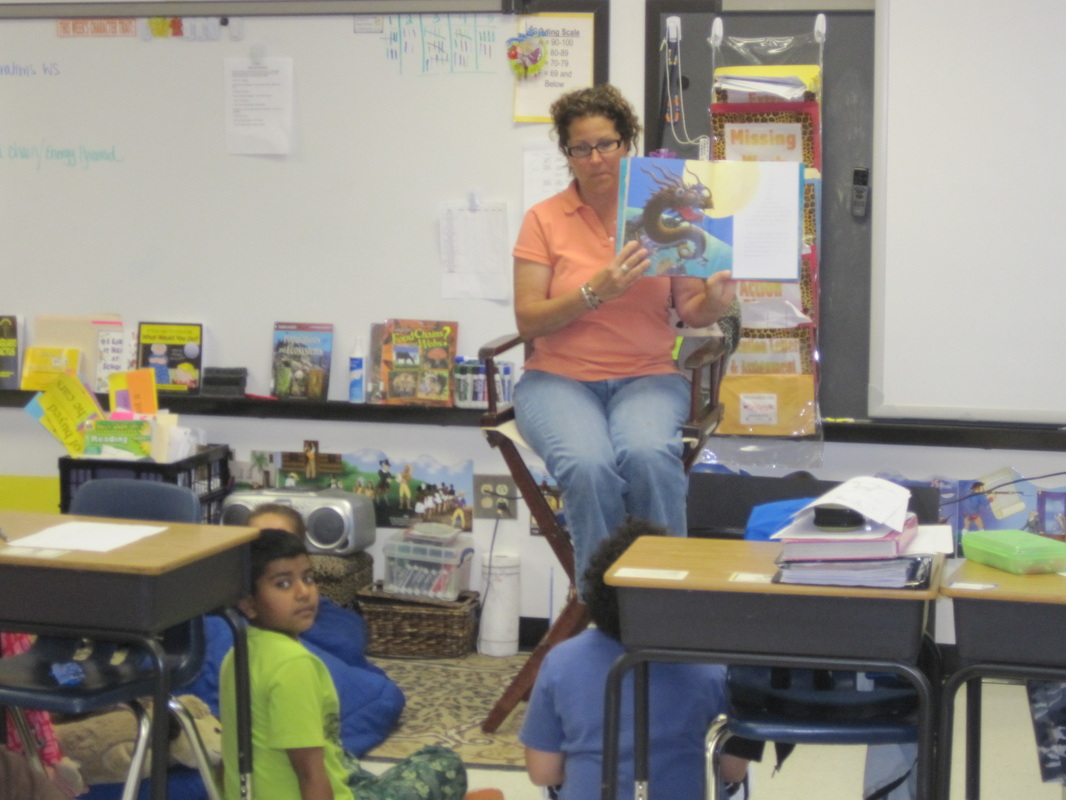
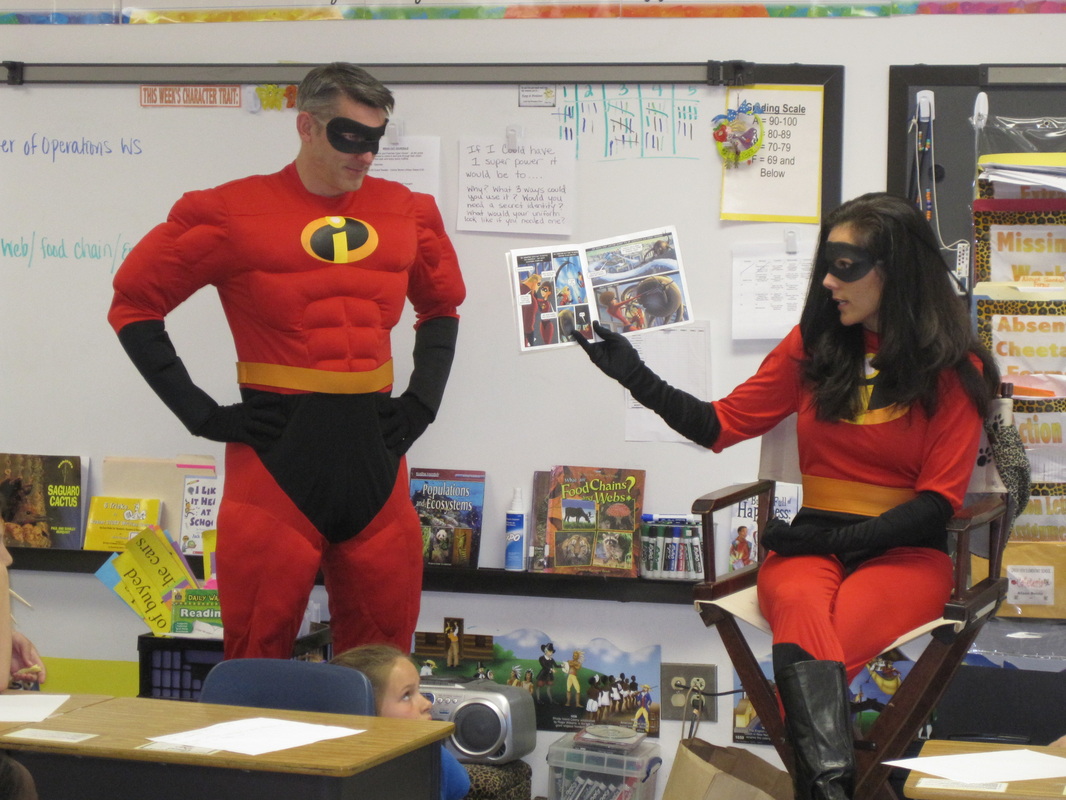
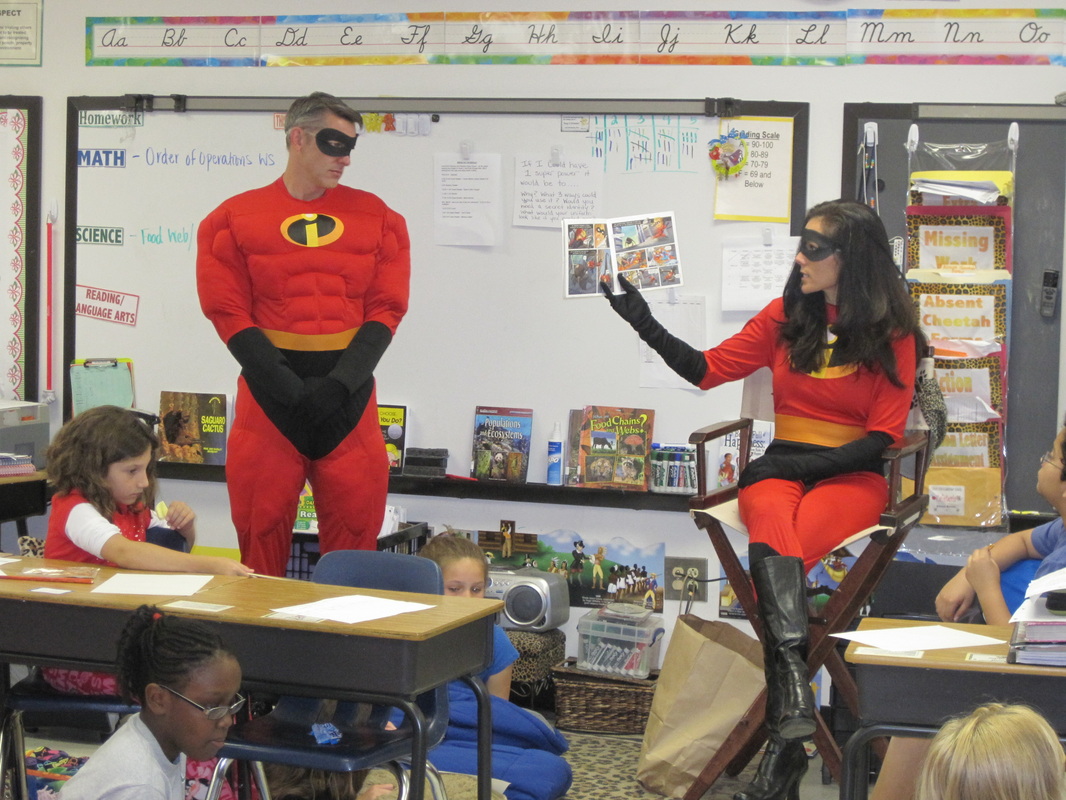
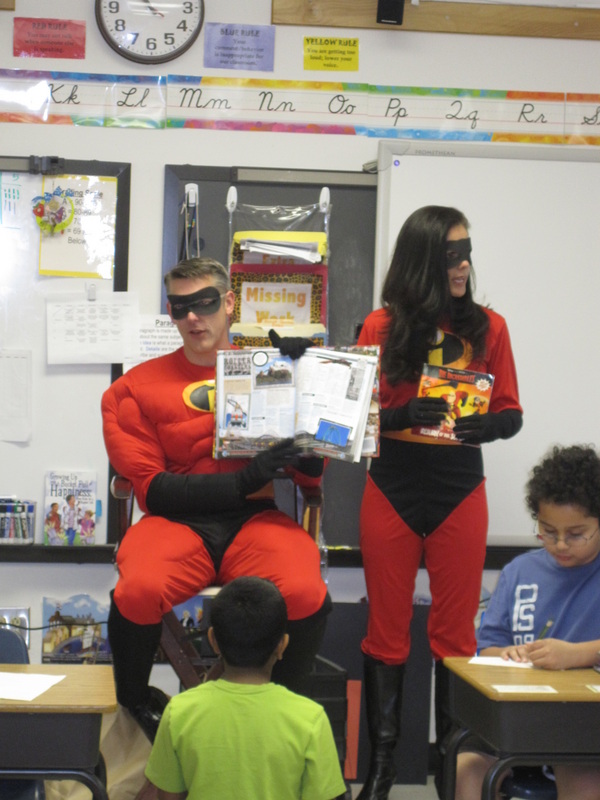
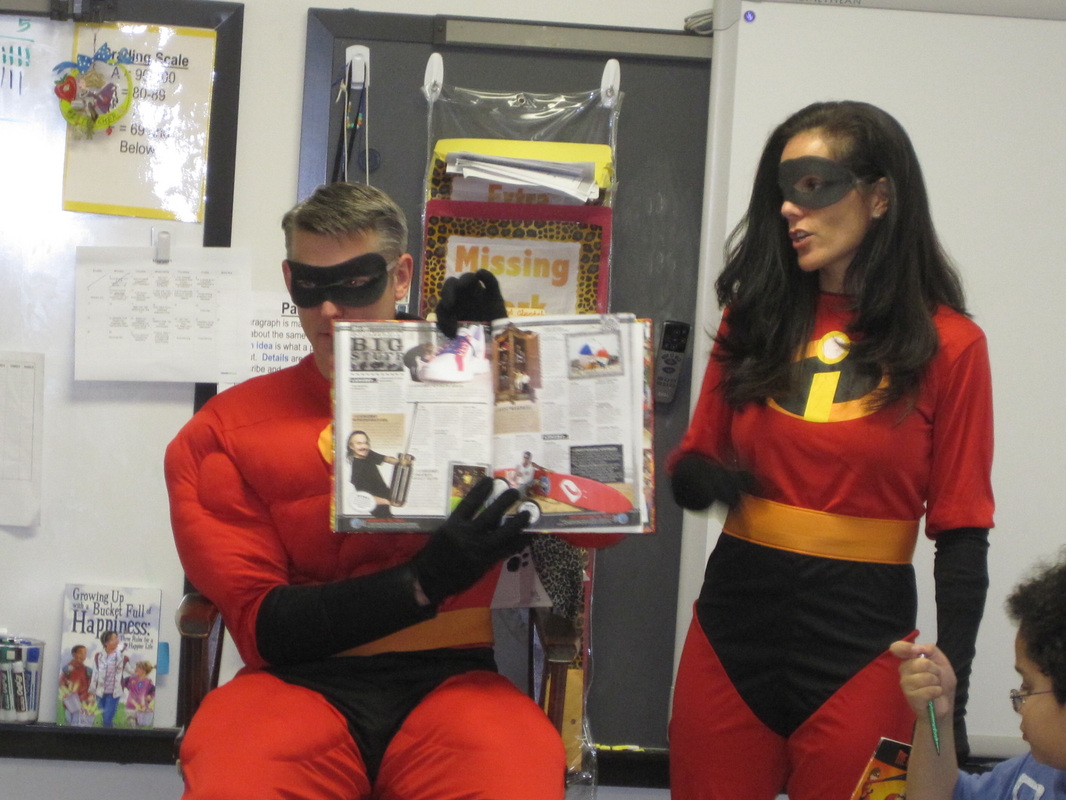
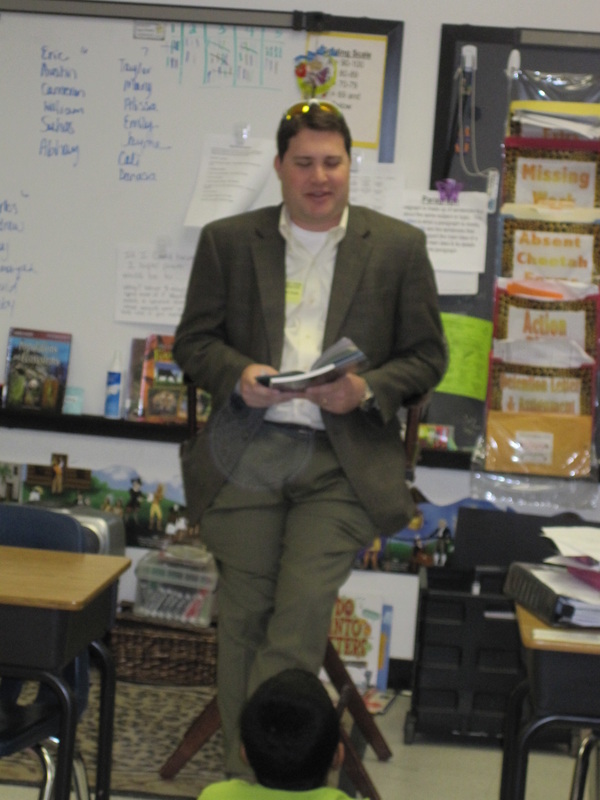
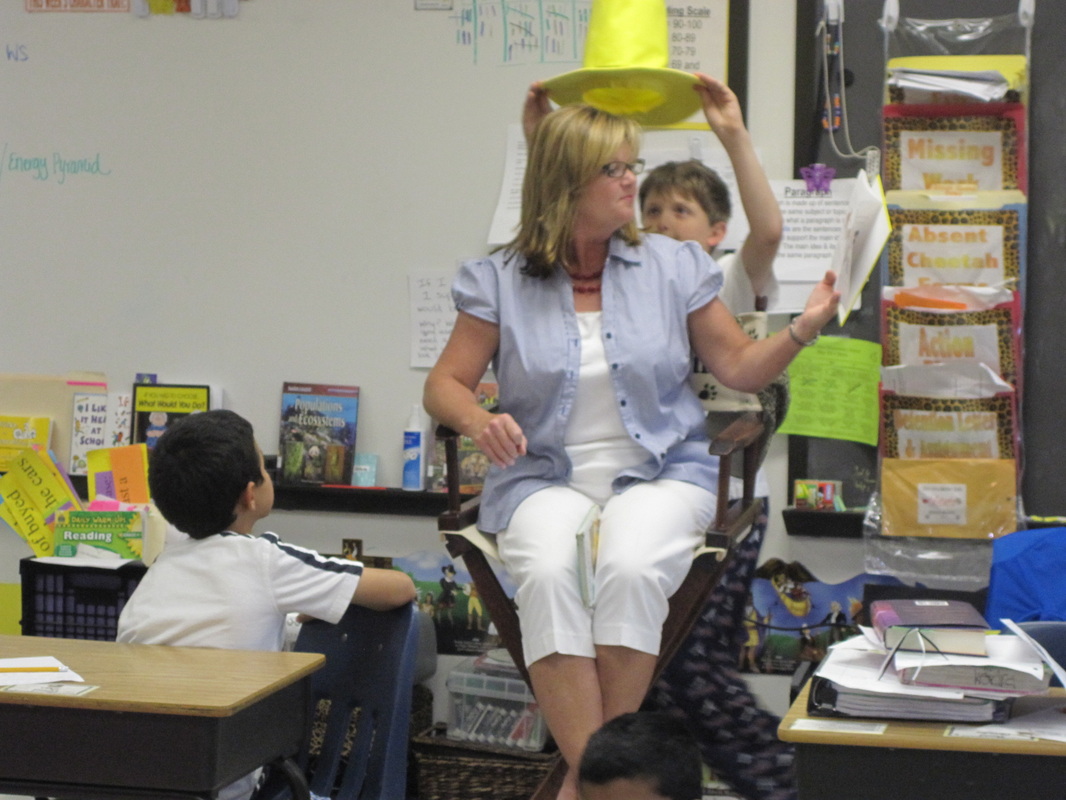
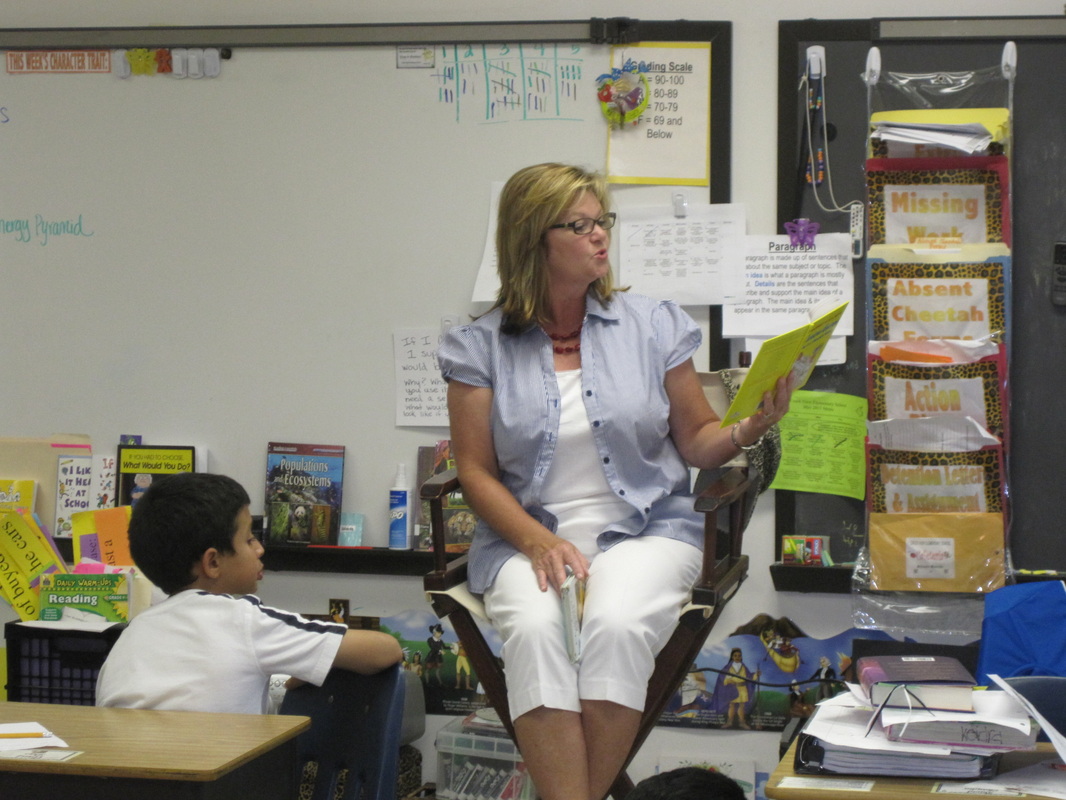
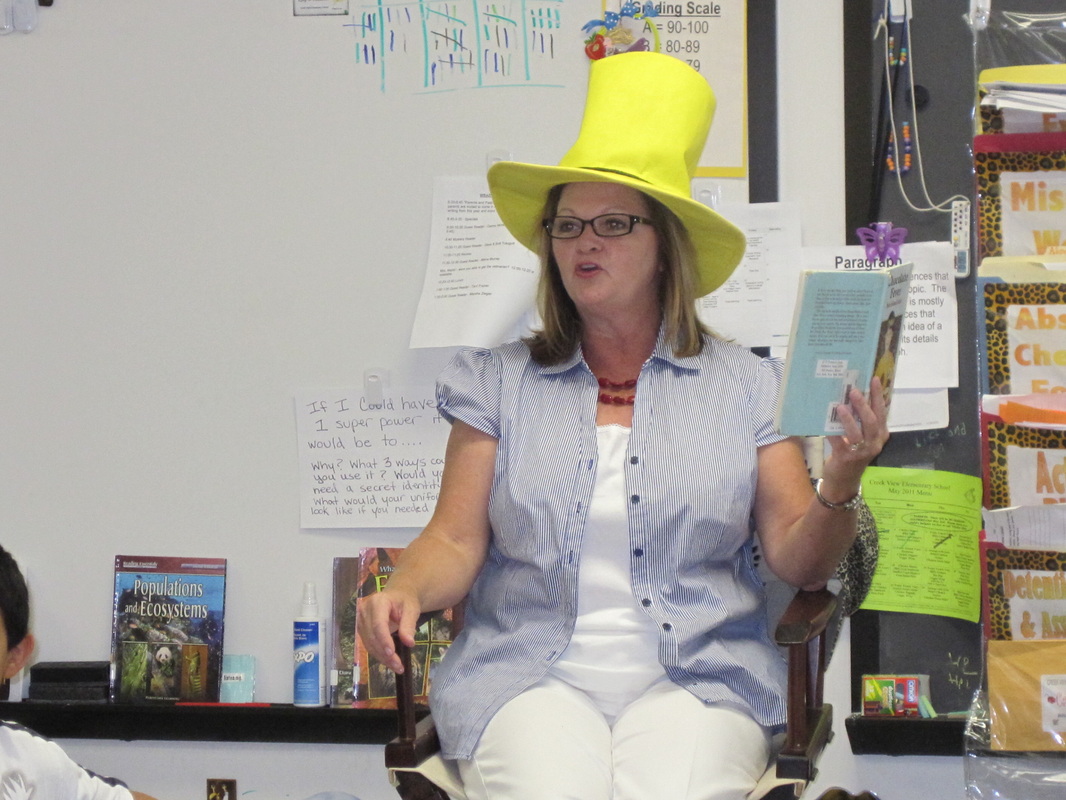
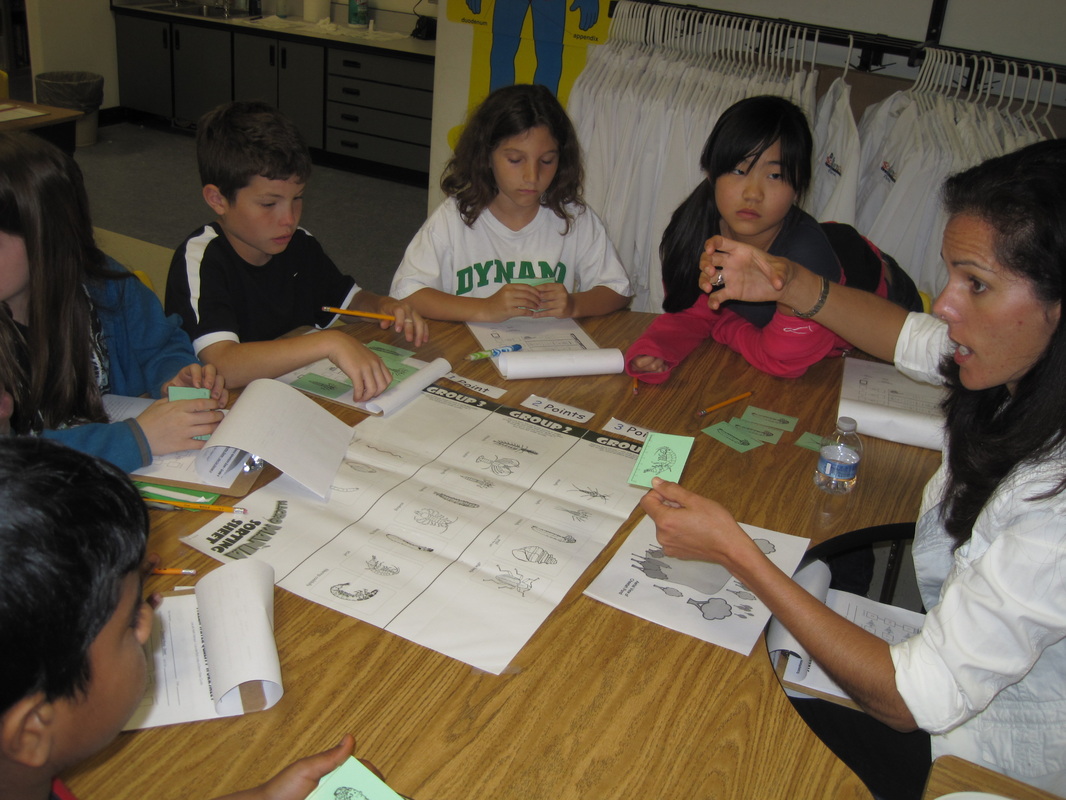
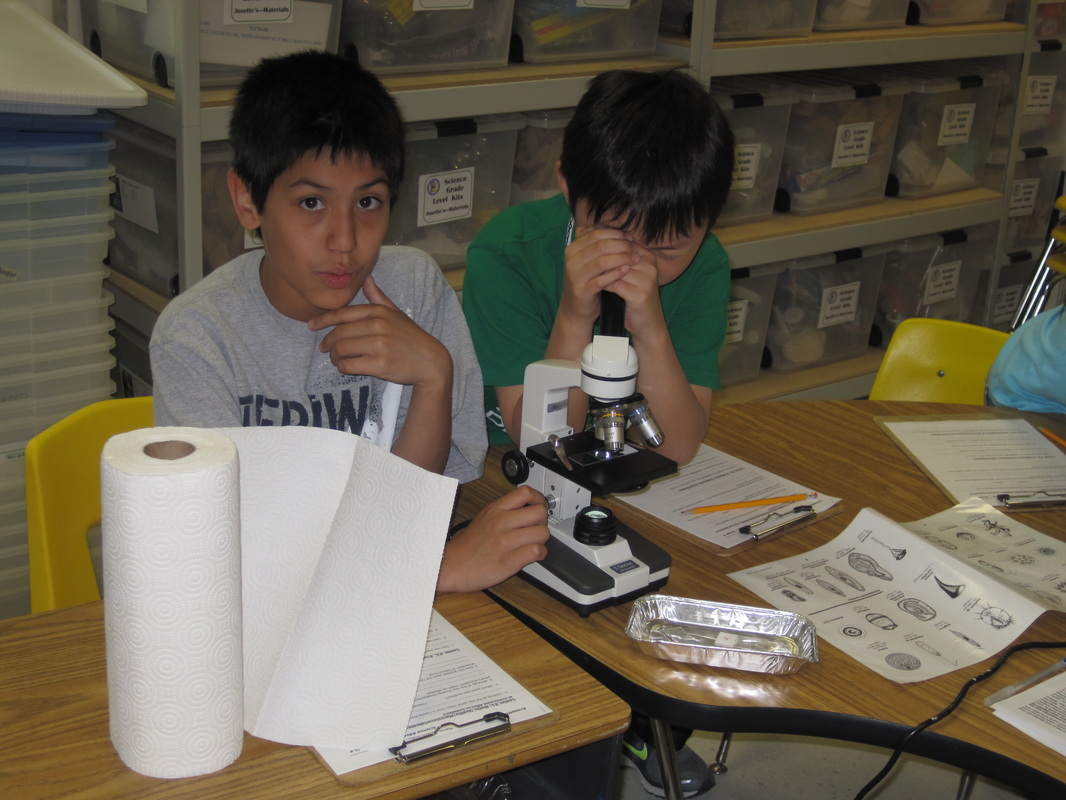
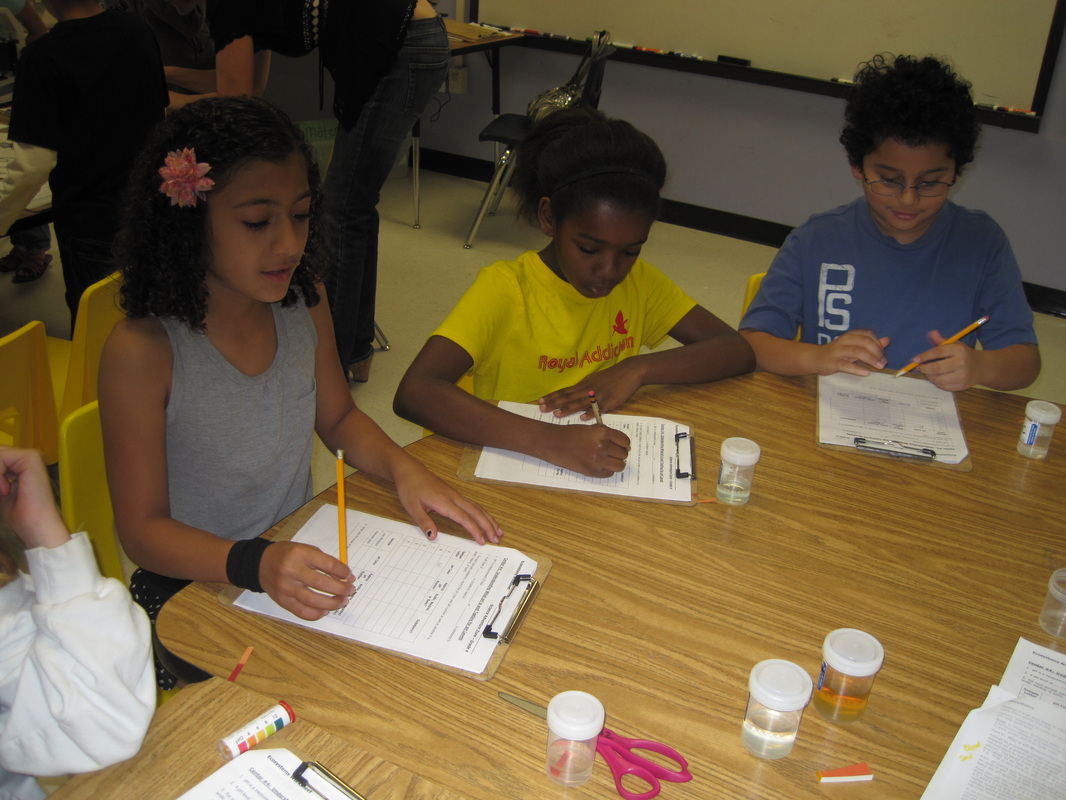
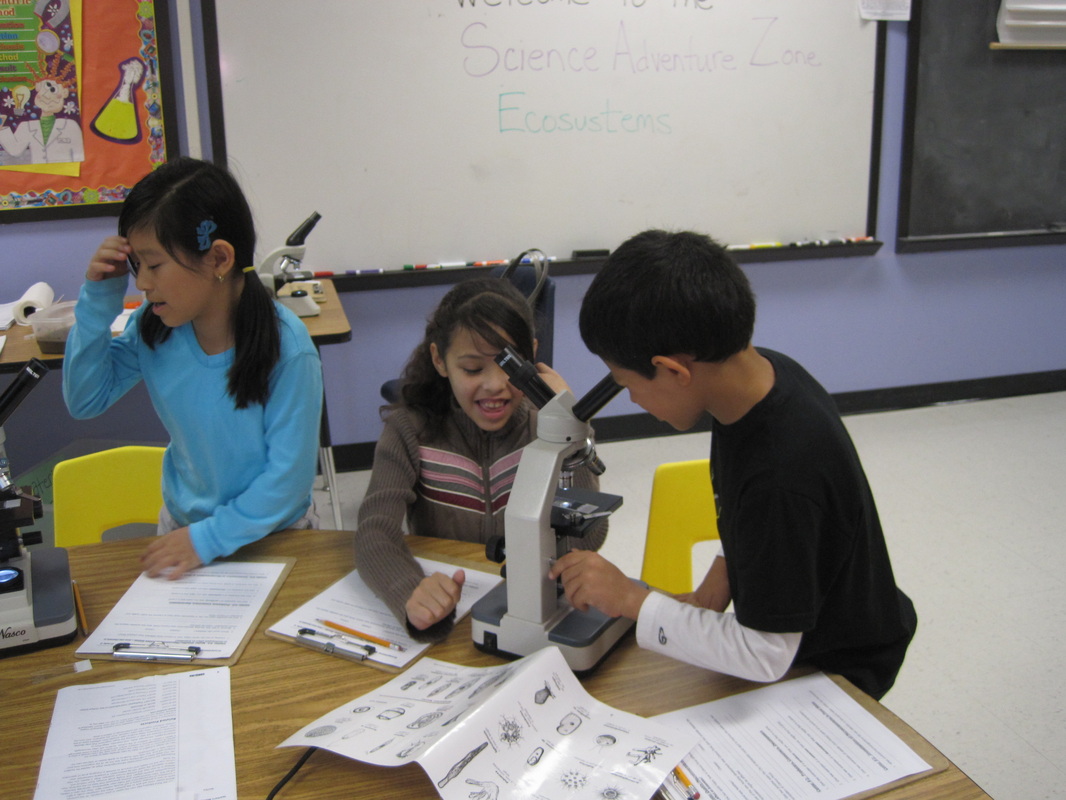
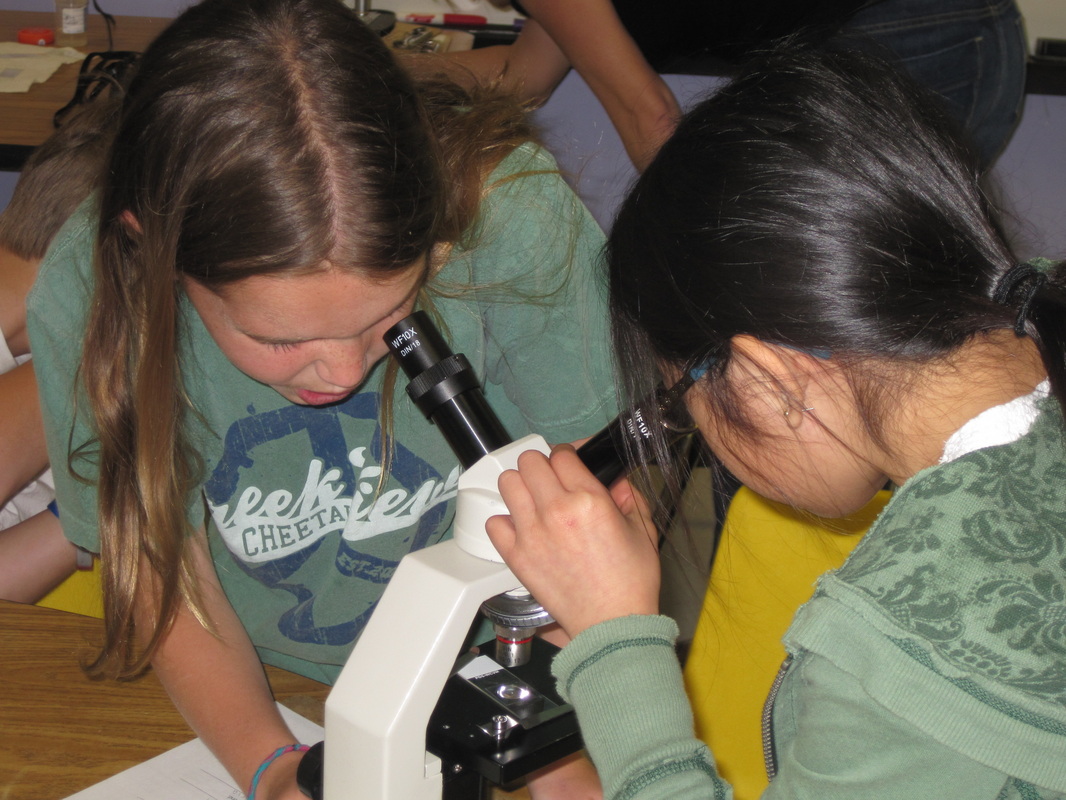
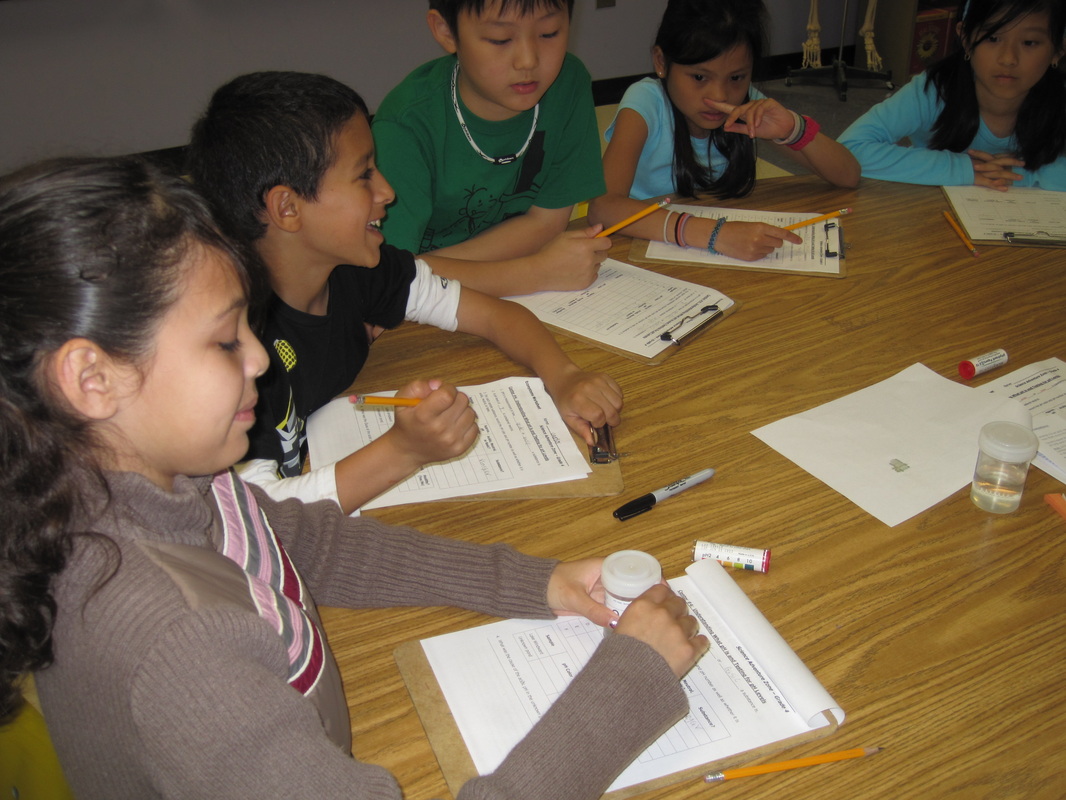
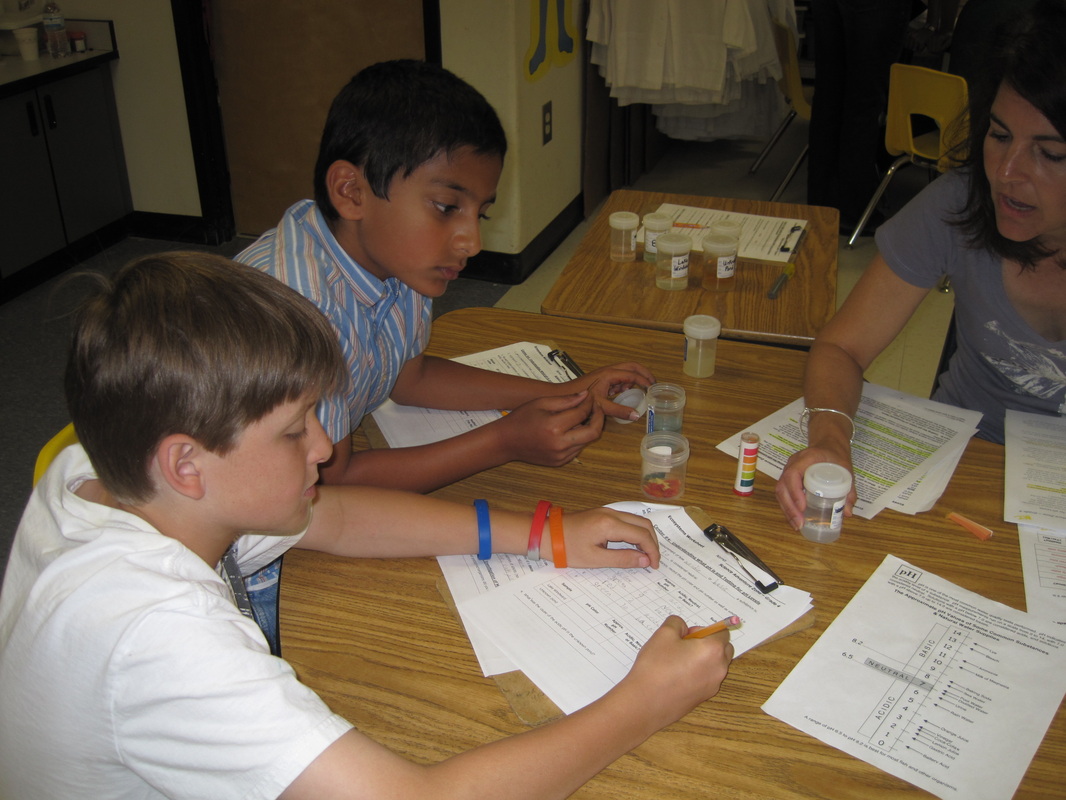
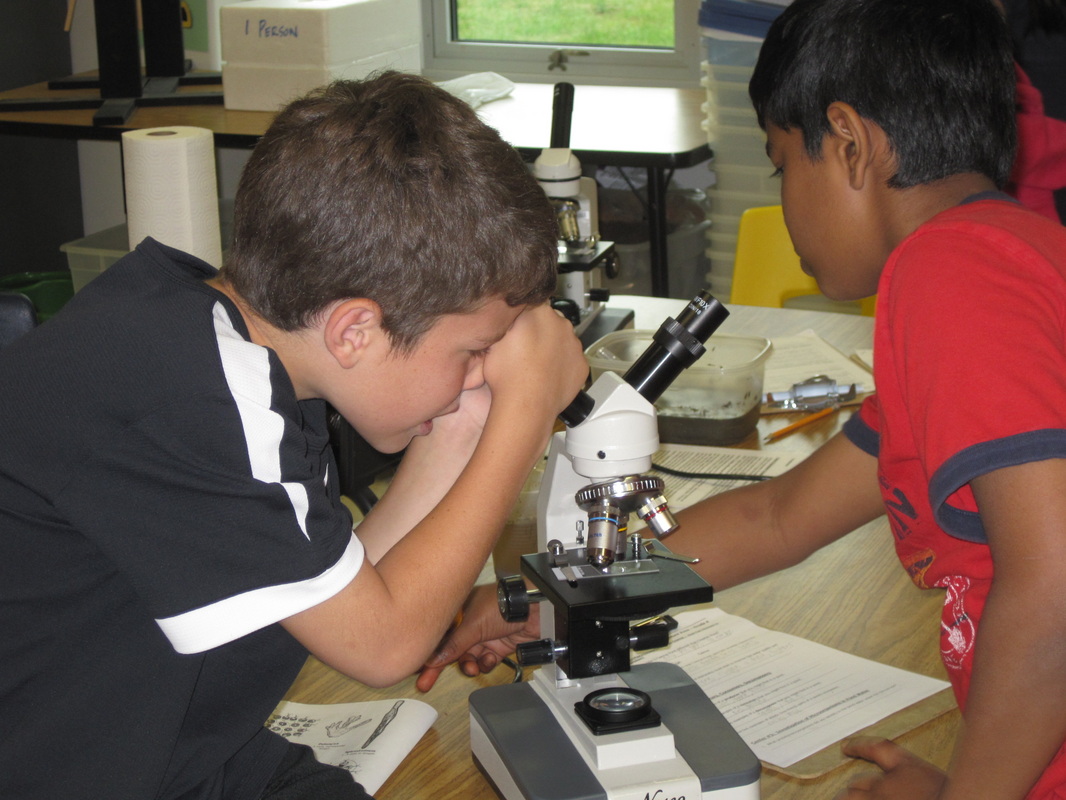
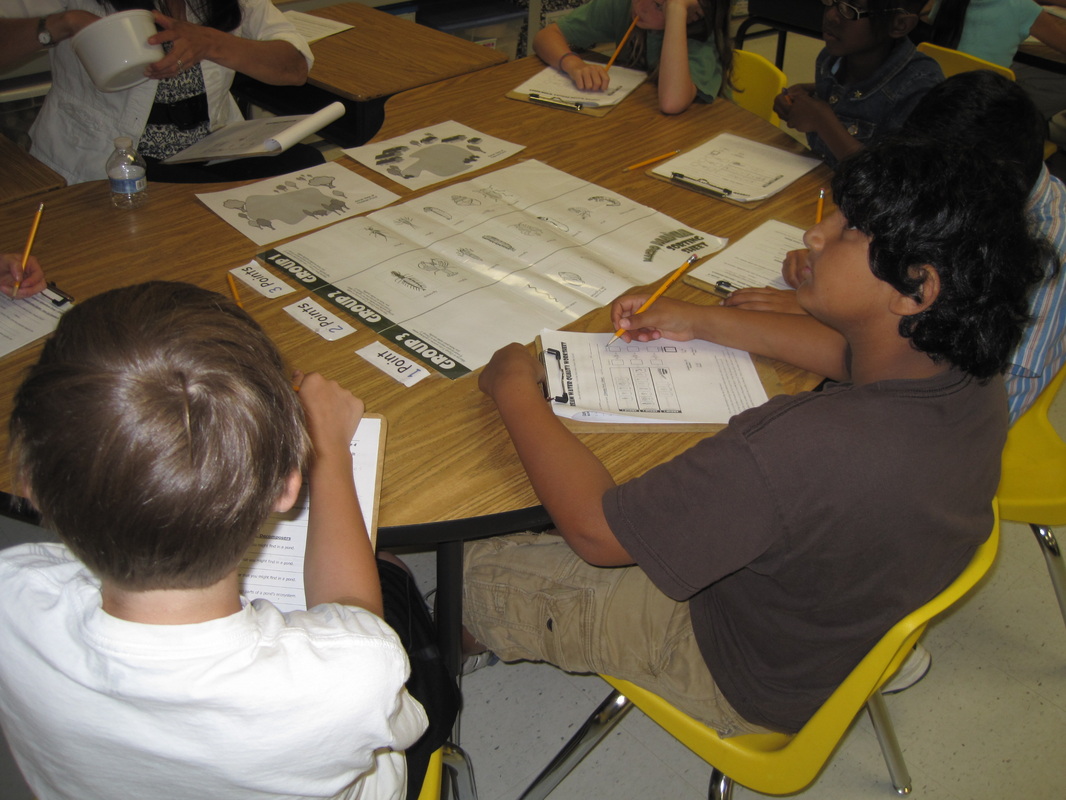
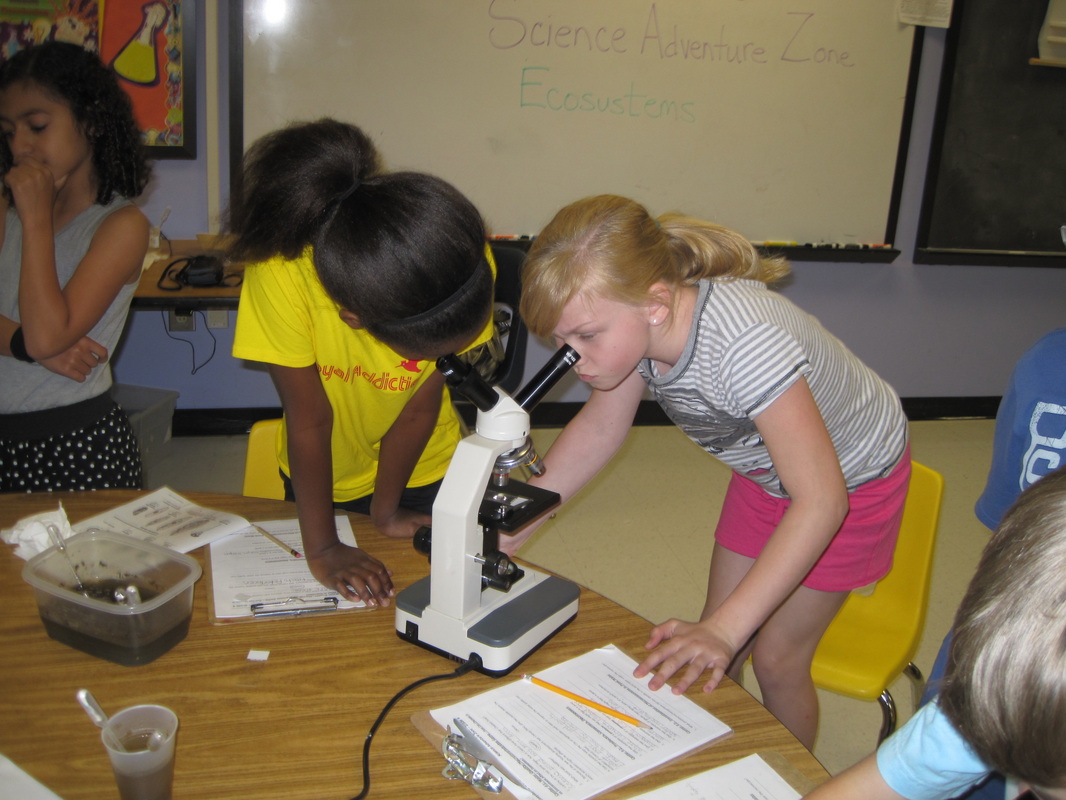
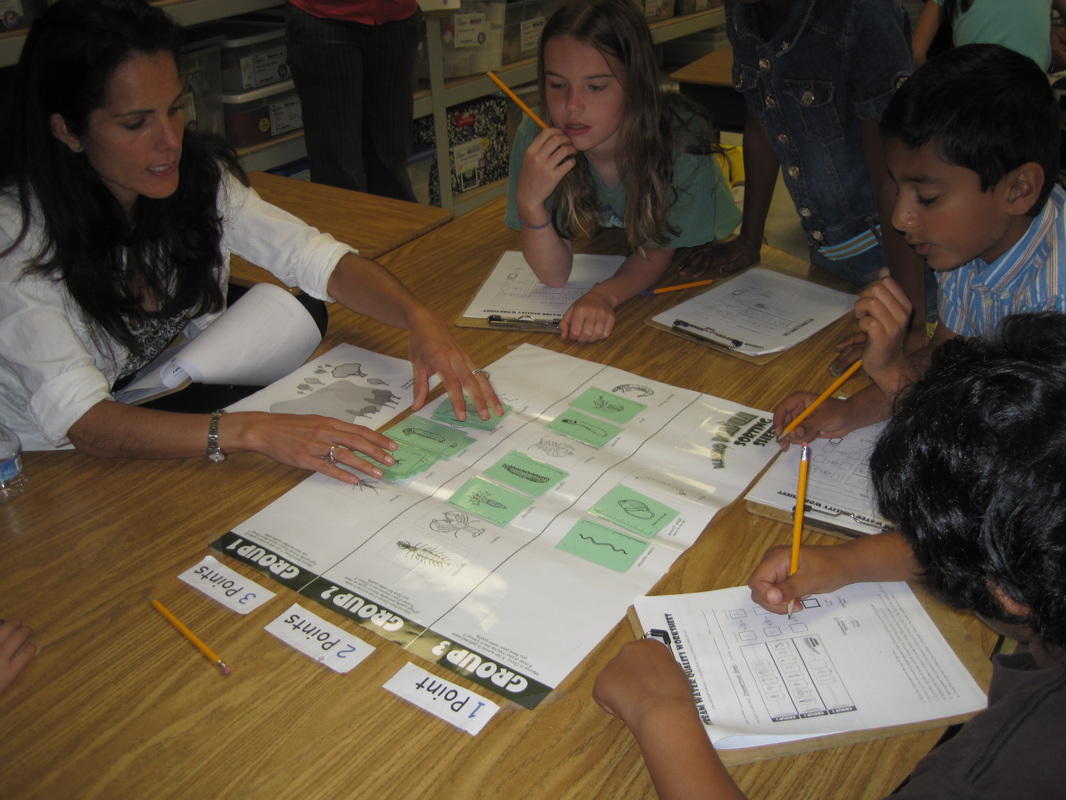
Ecosystems Science Lab - April 20, 2011
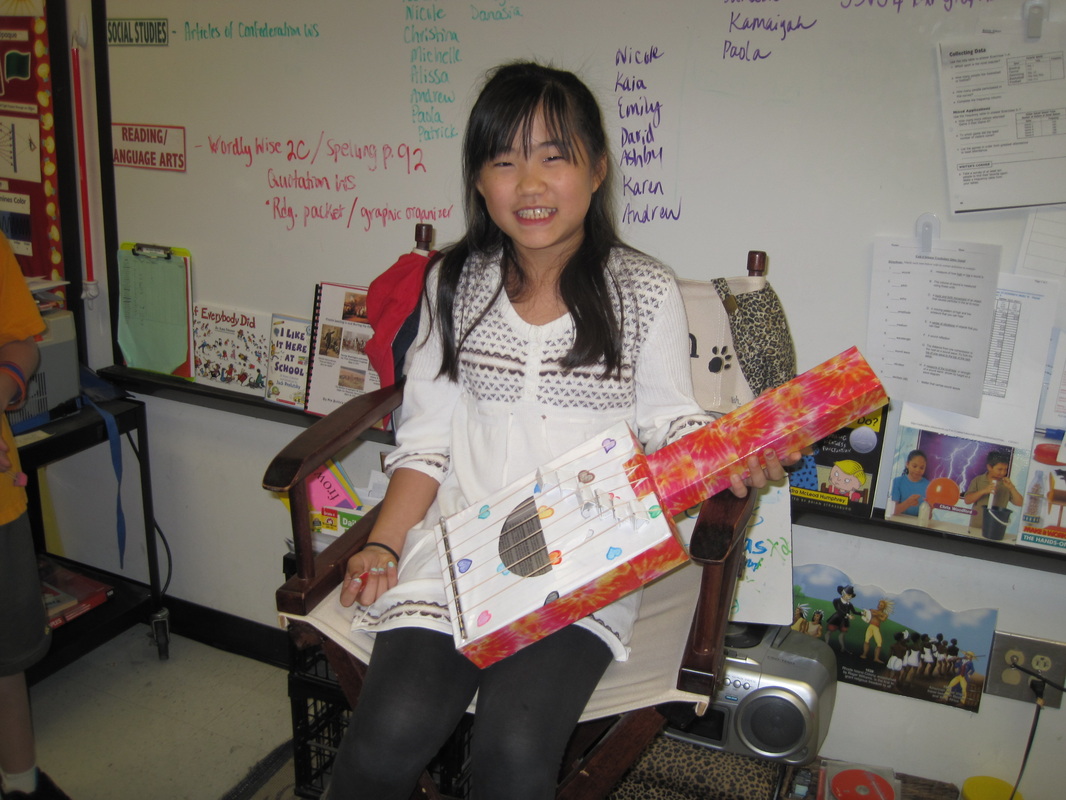
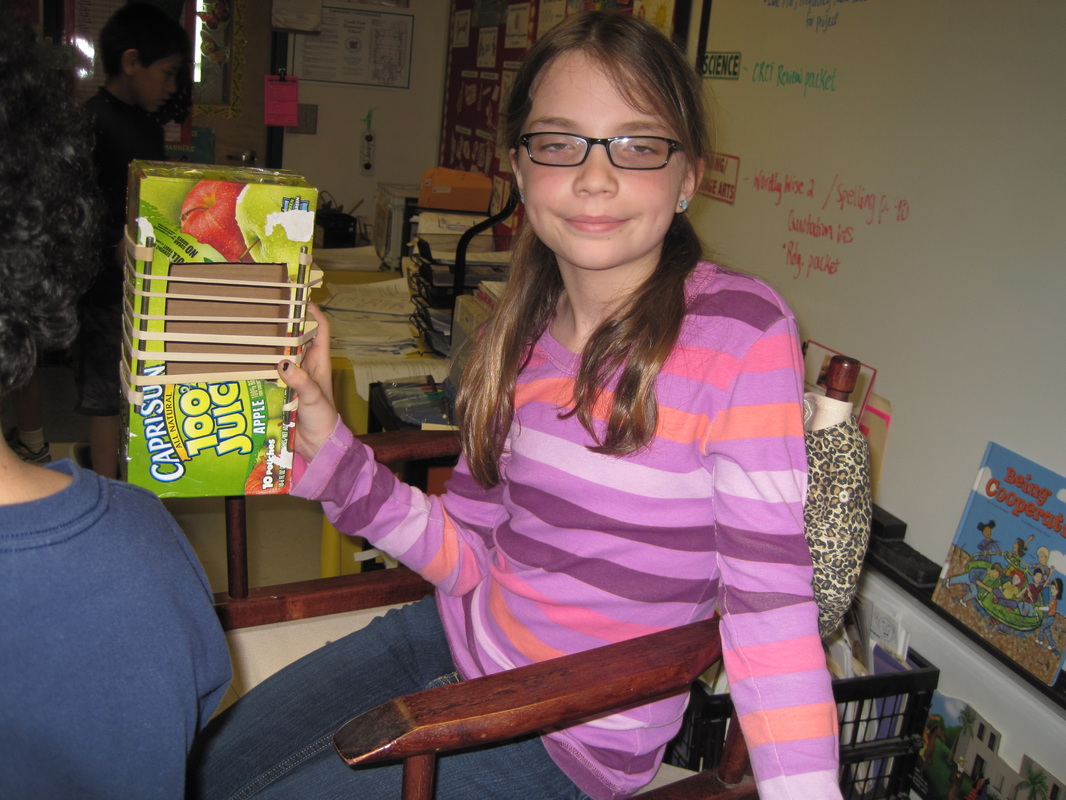
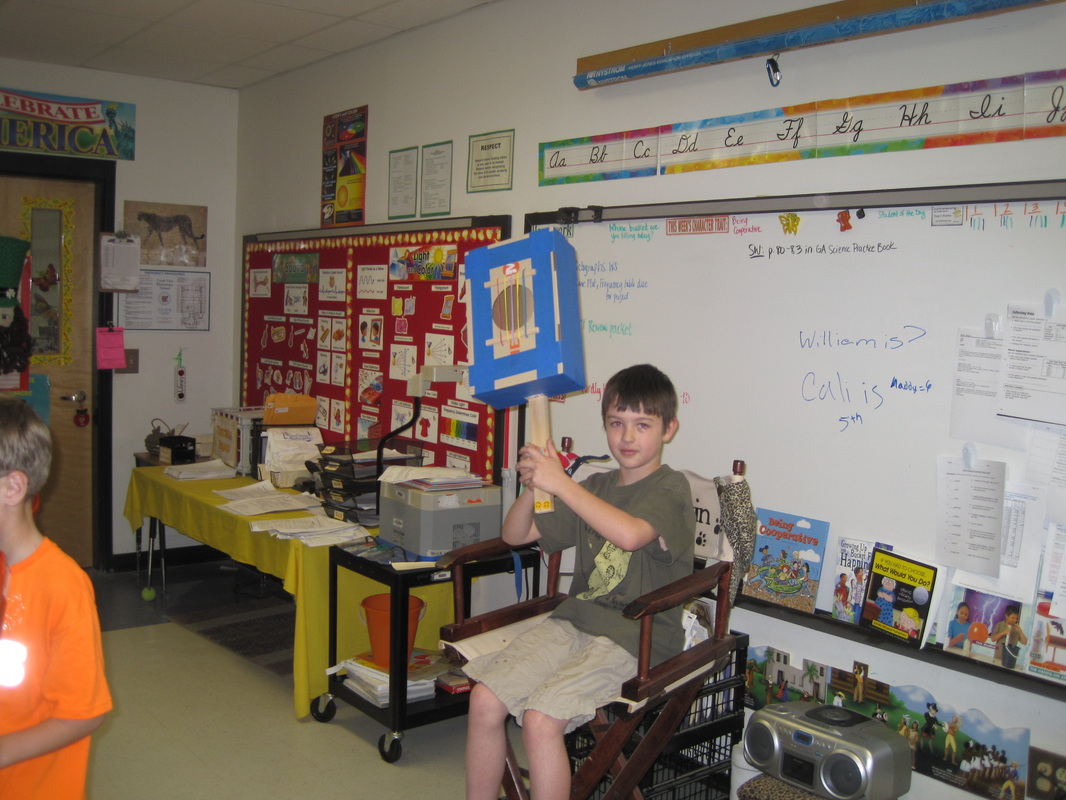
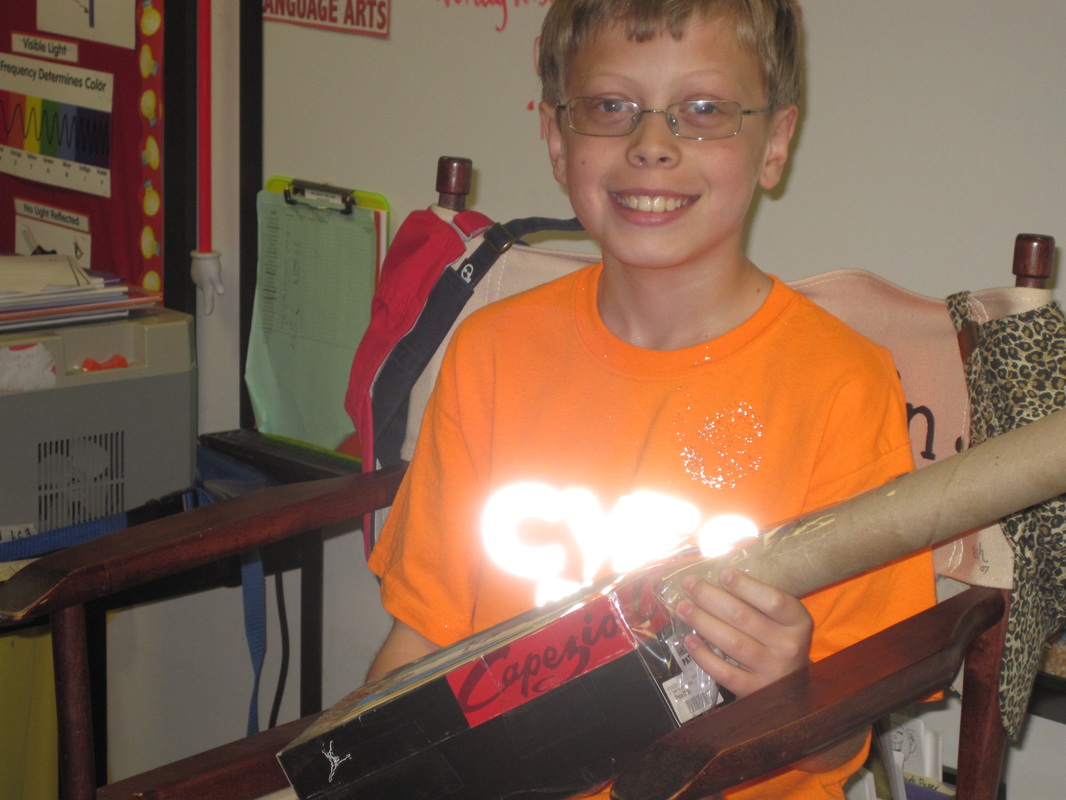
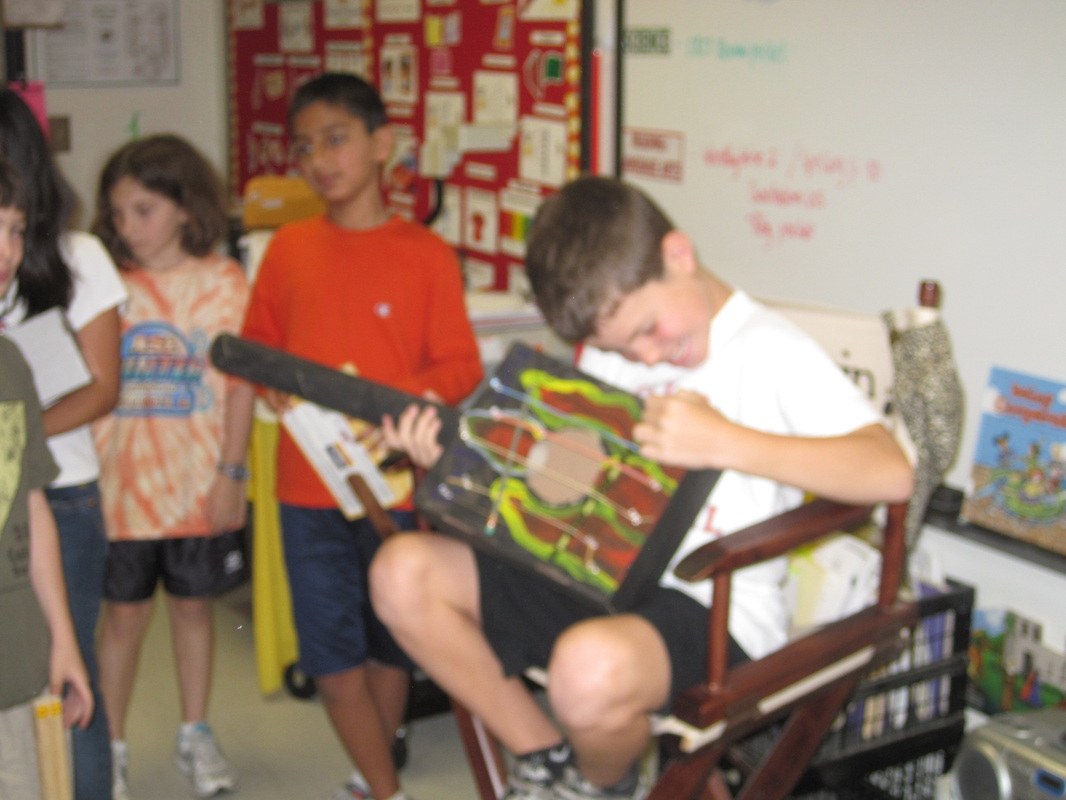
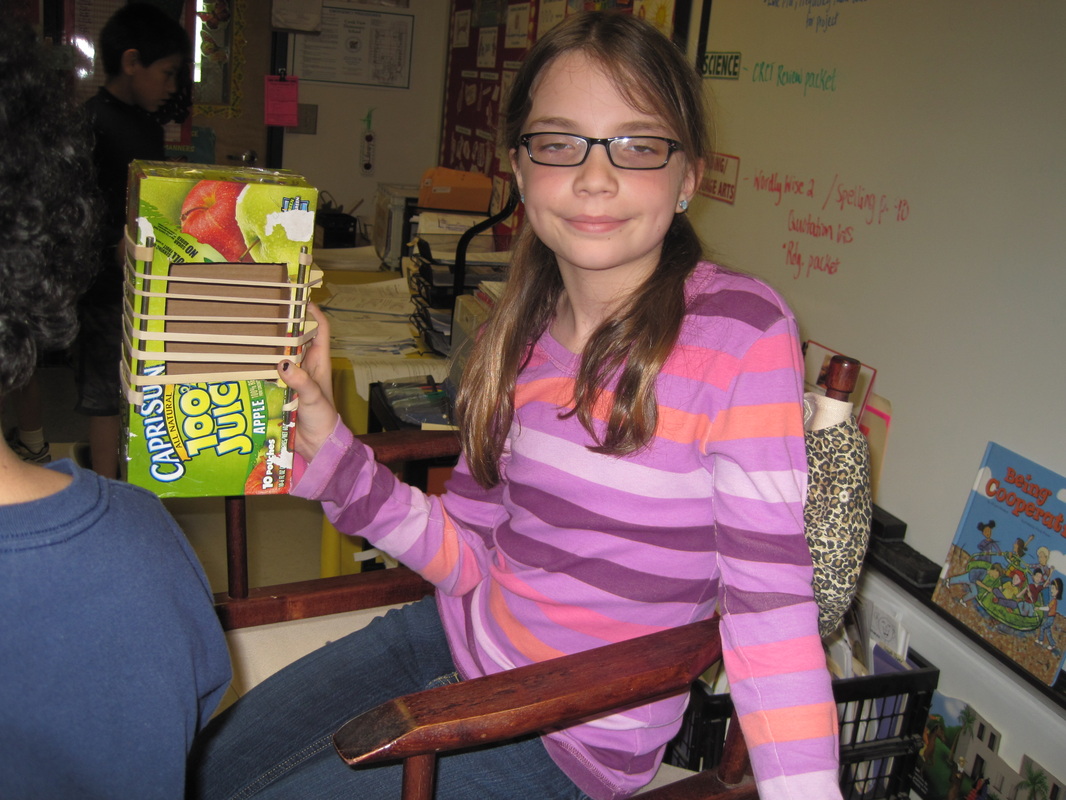
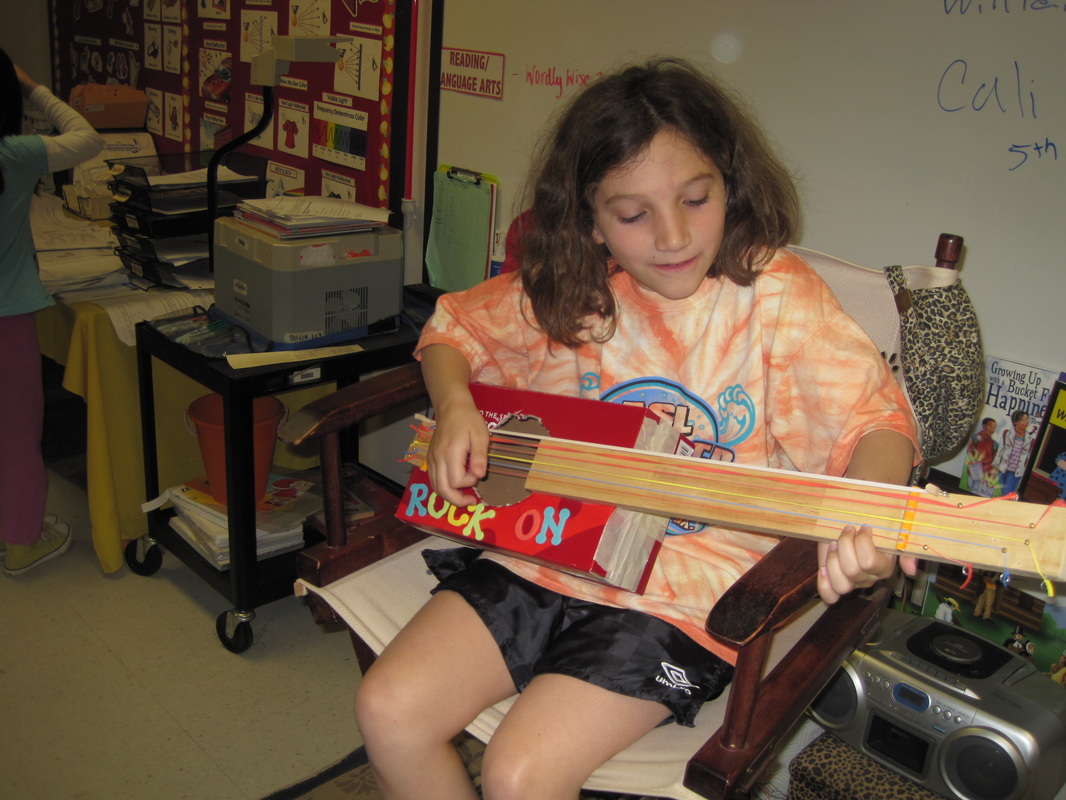
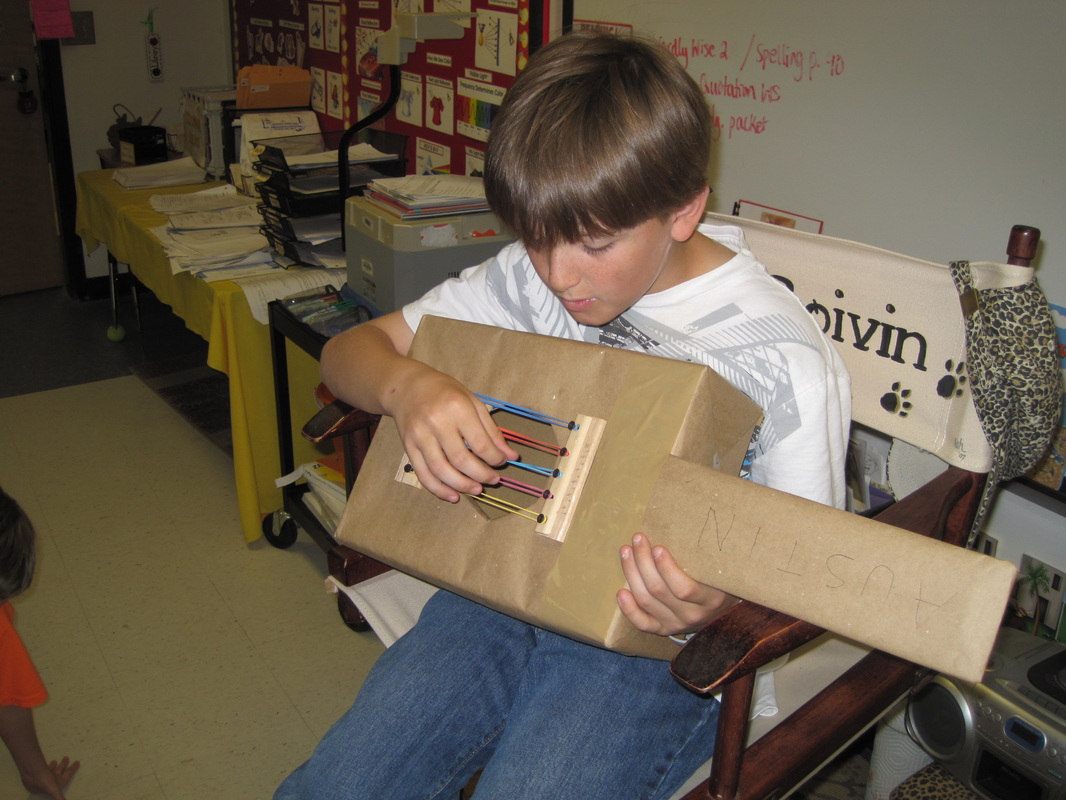
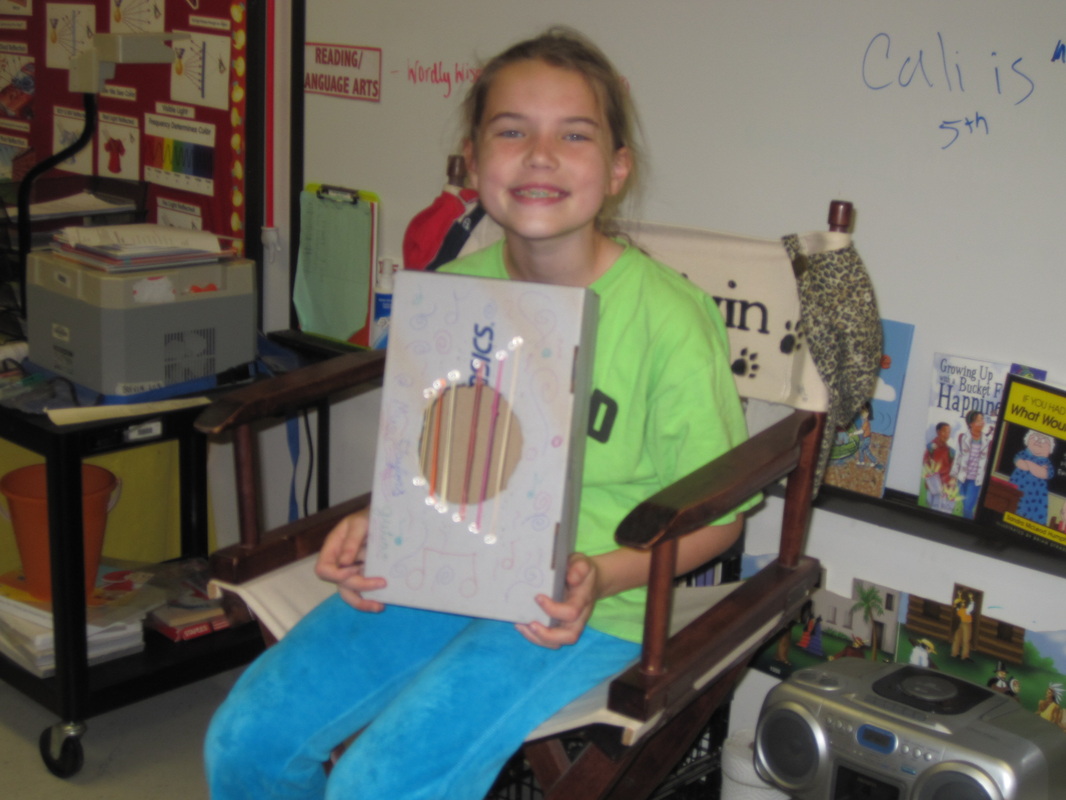
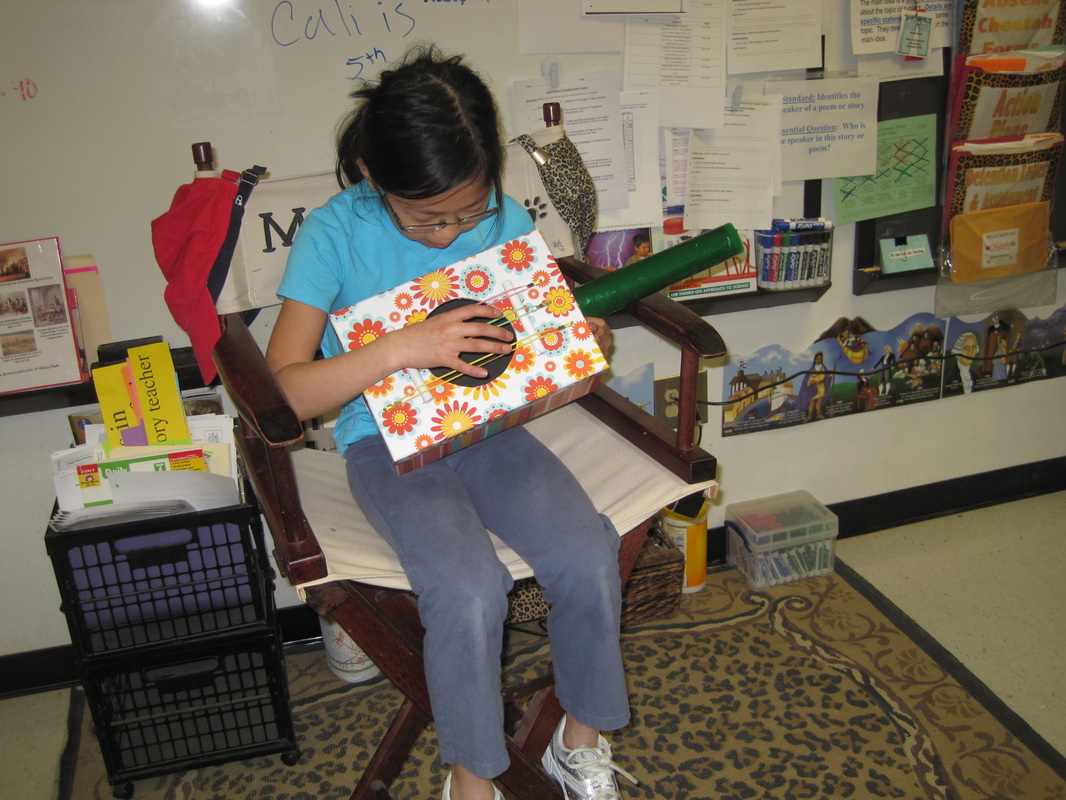
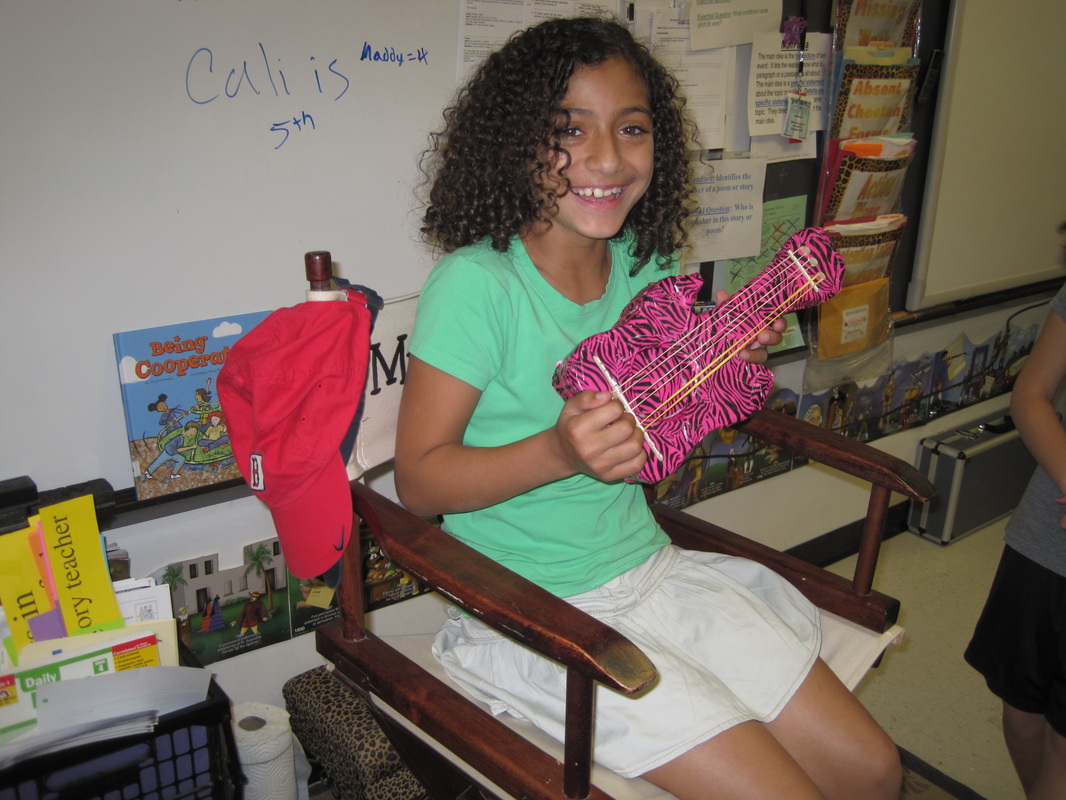
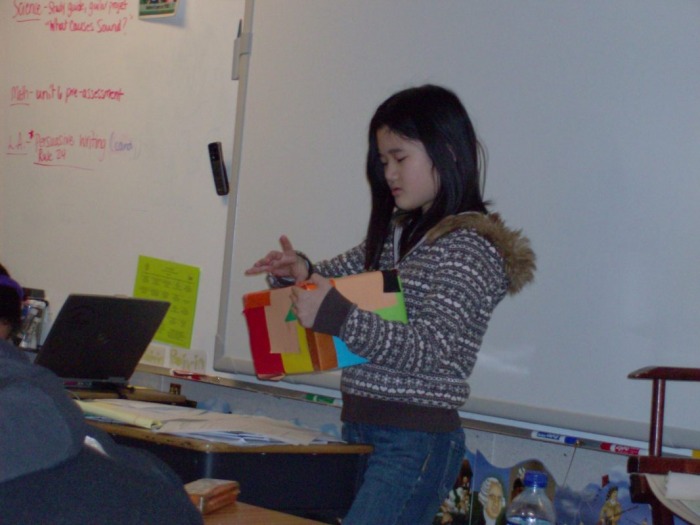
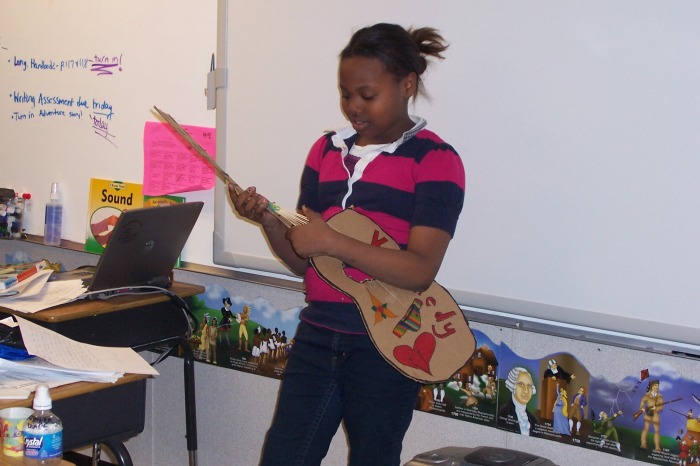
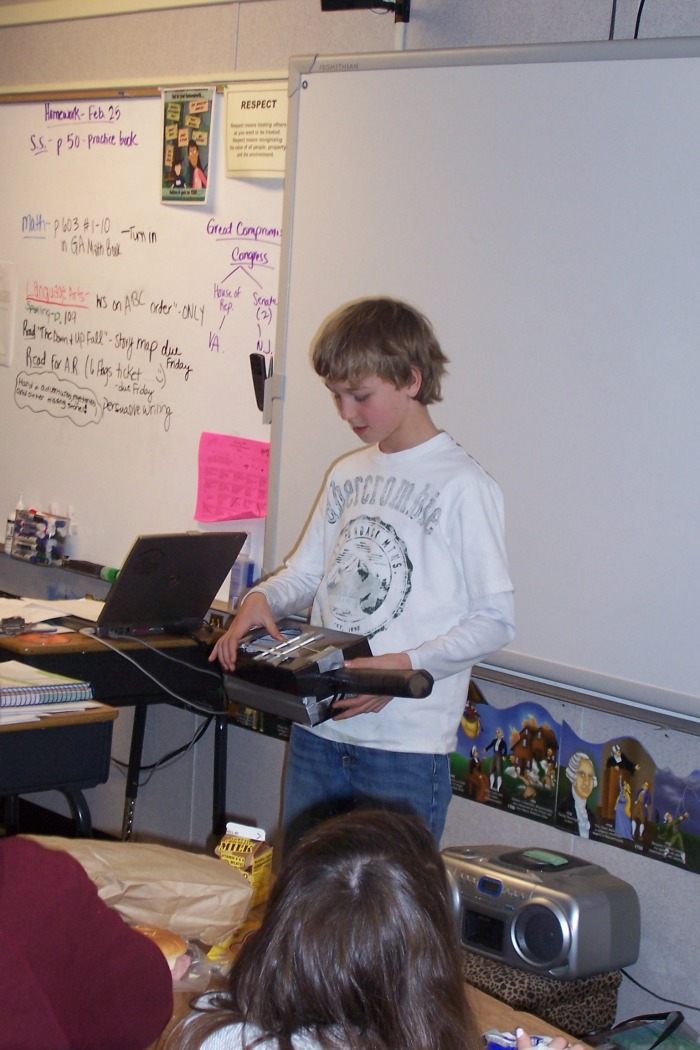
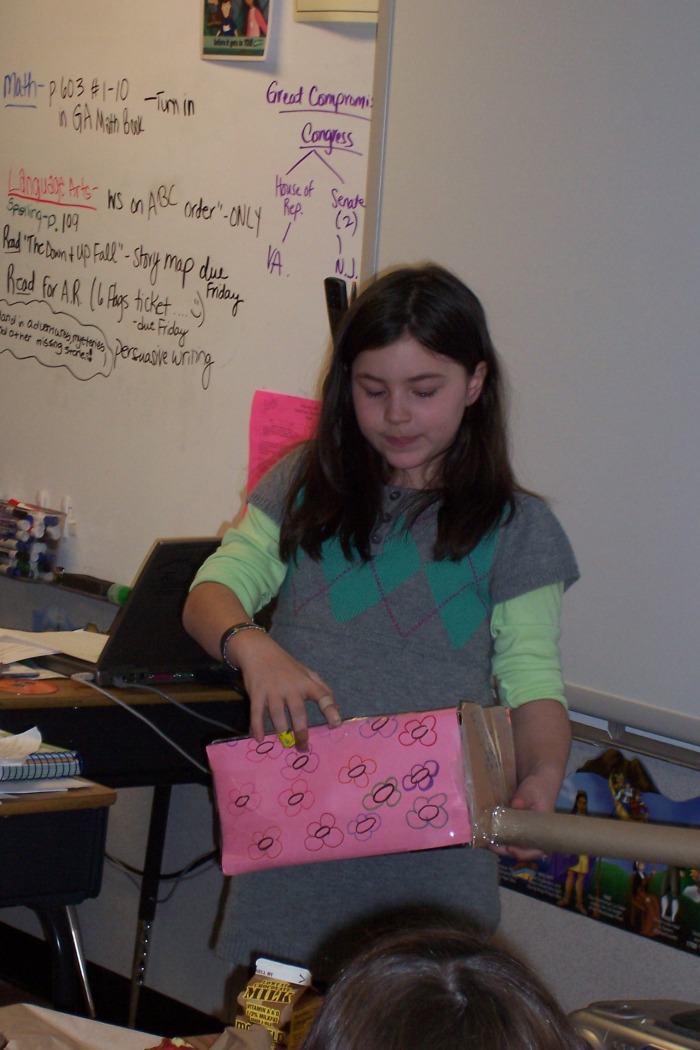
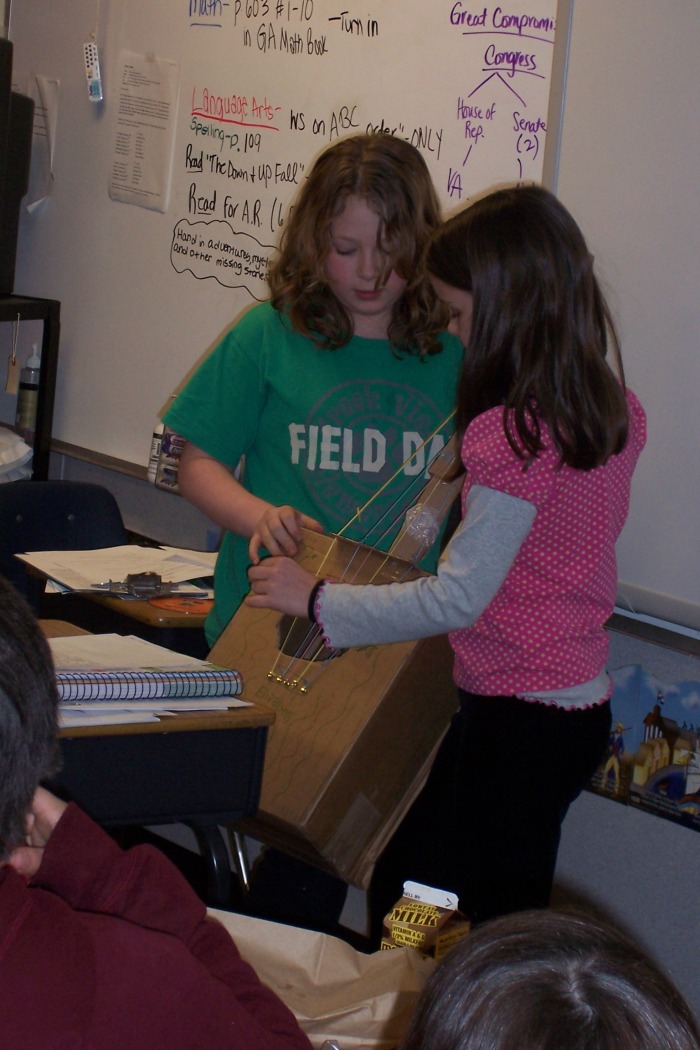
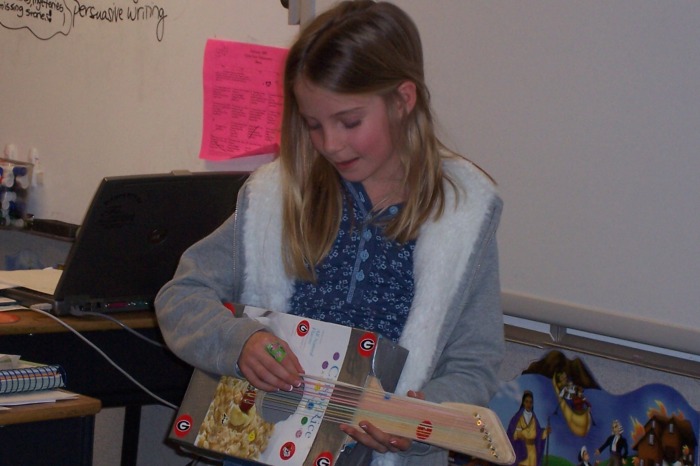
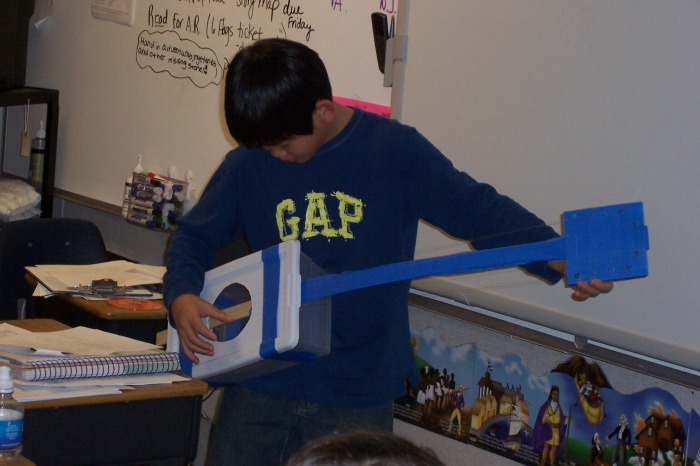
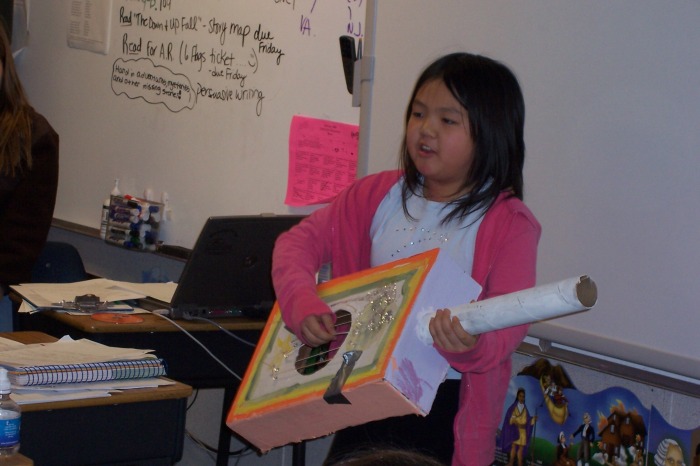
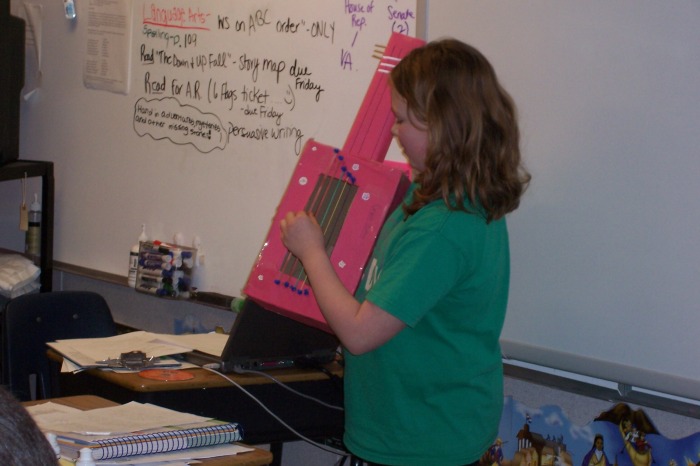
Presenting Shoebox guitars - March 22, 2011
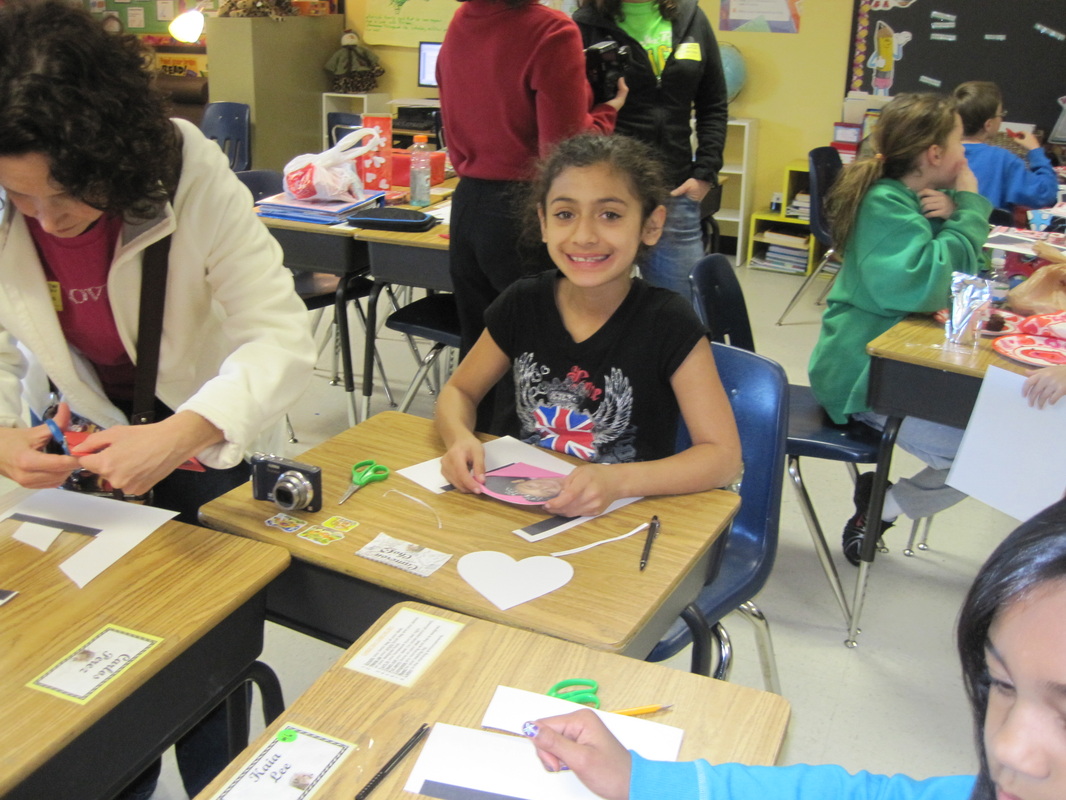
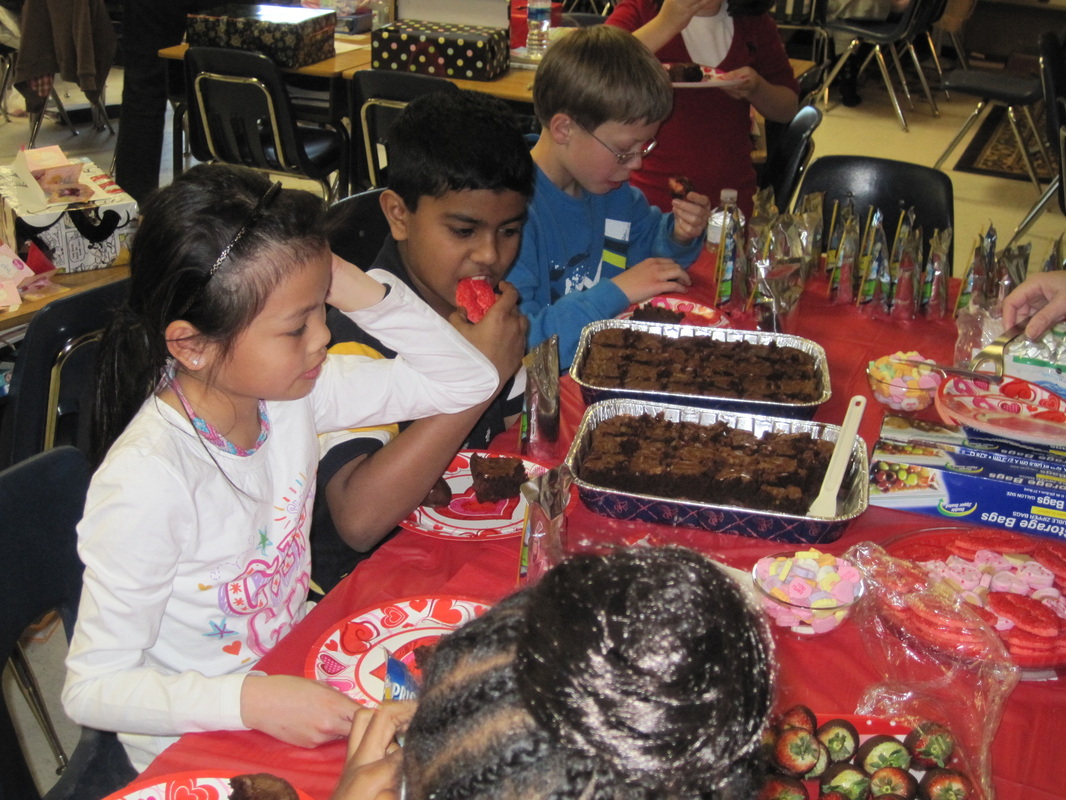
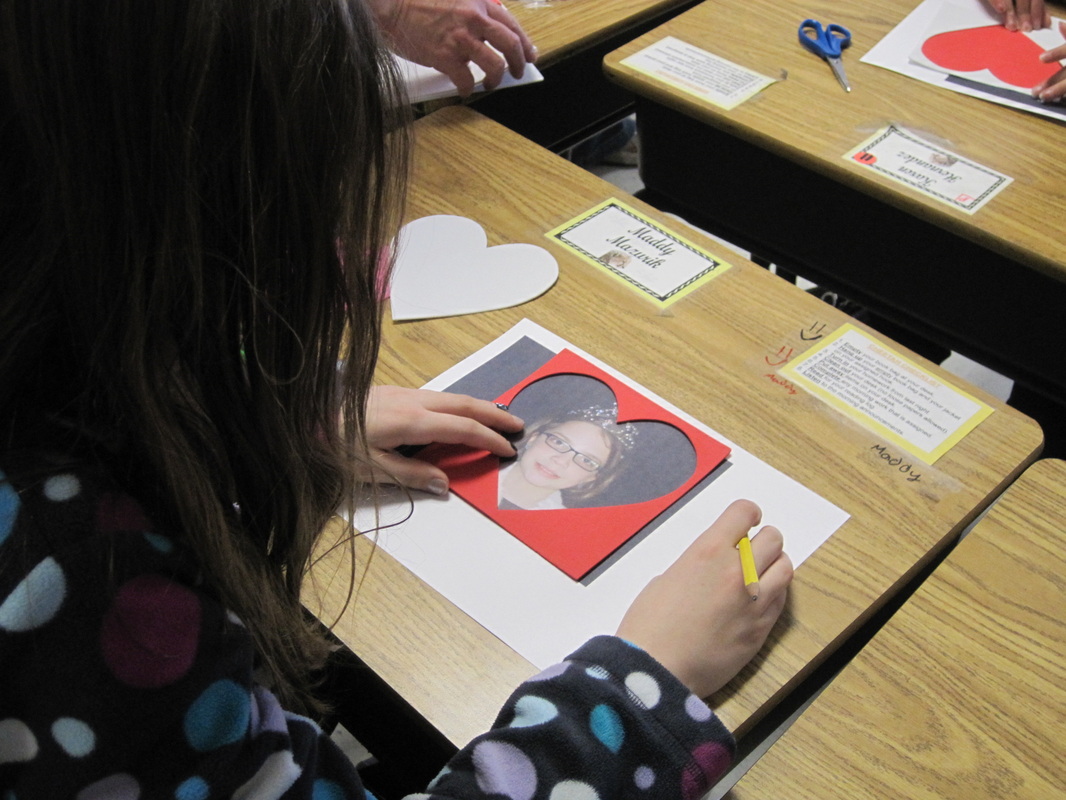
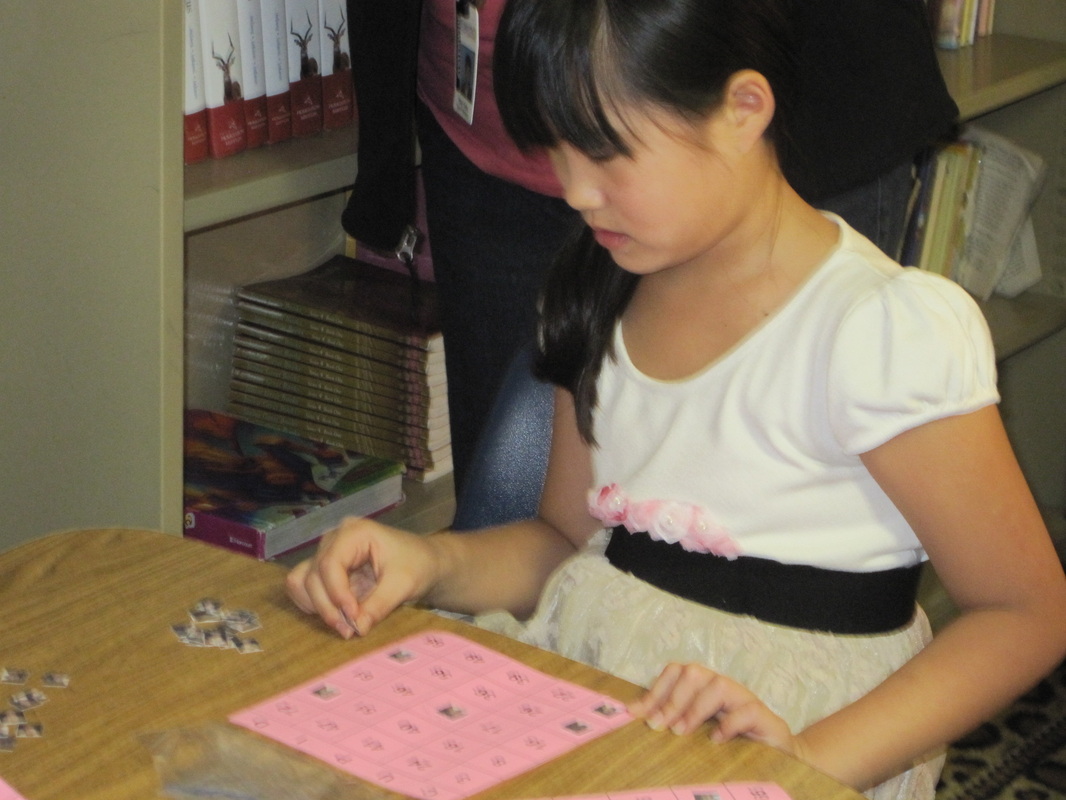
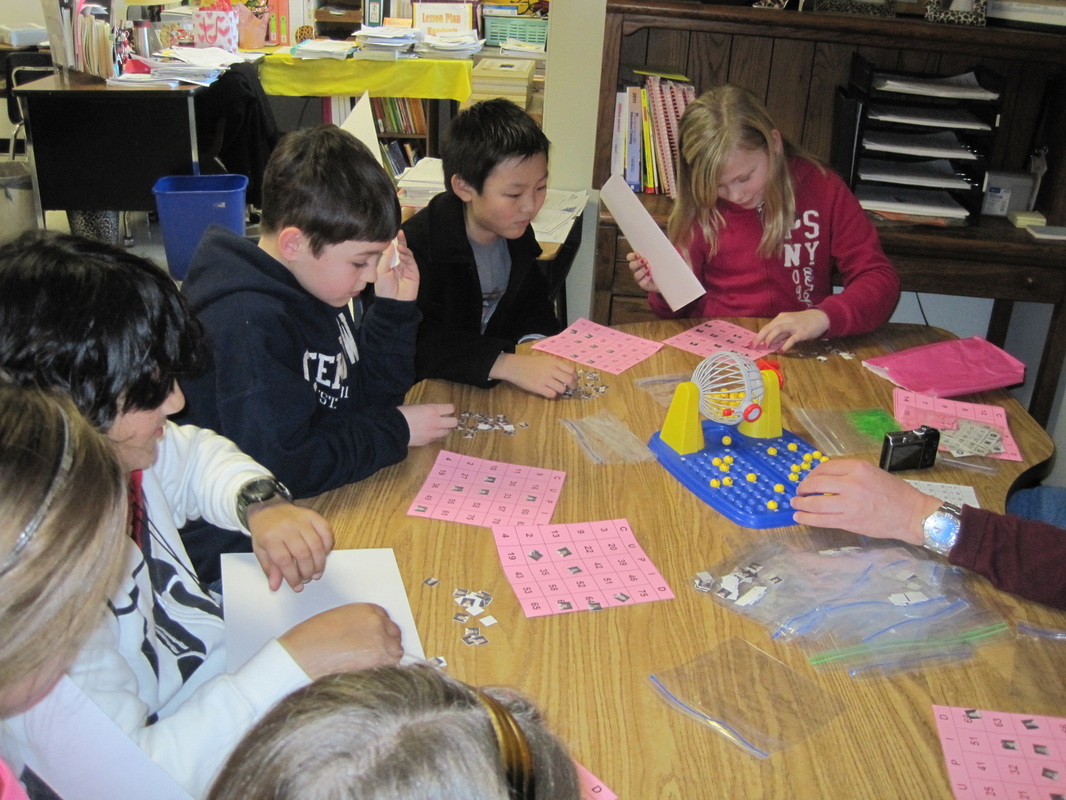
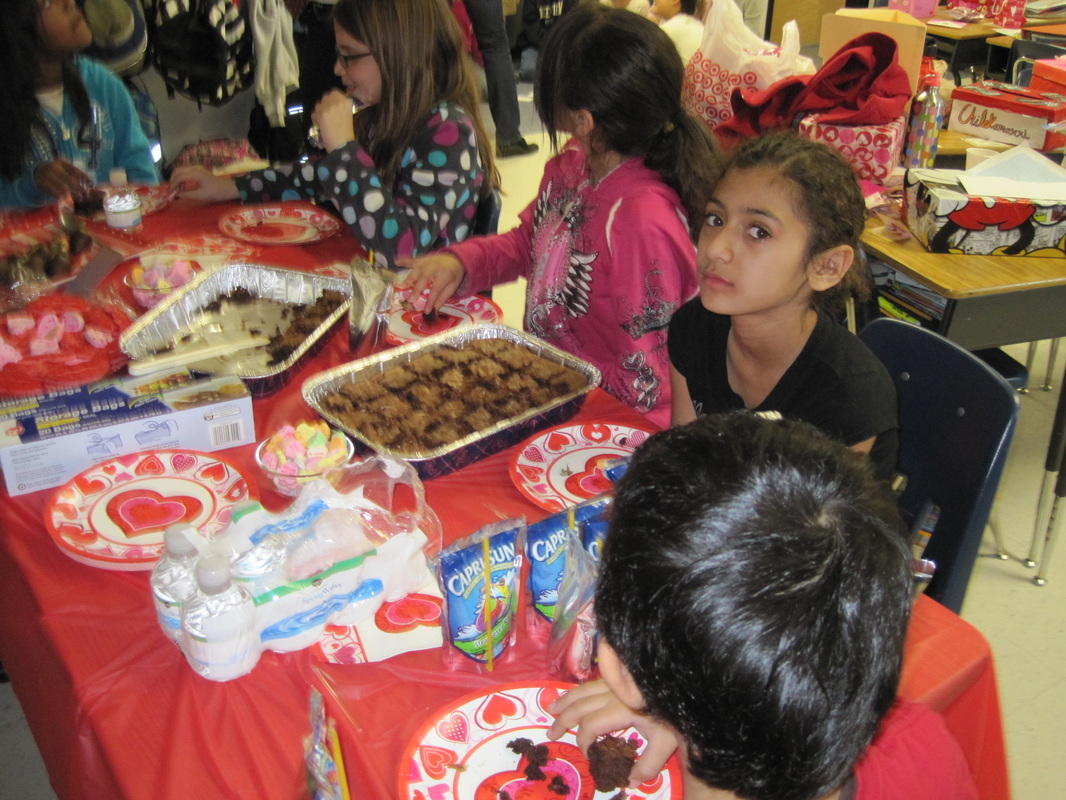
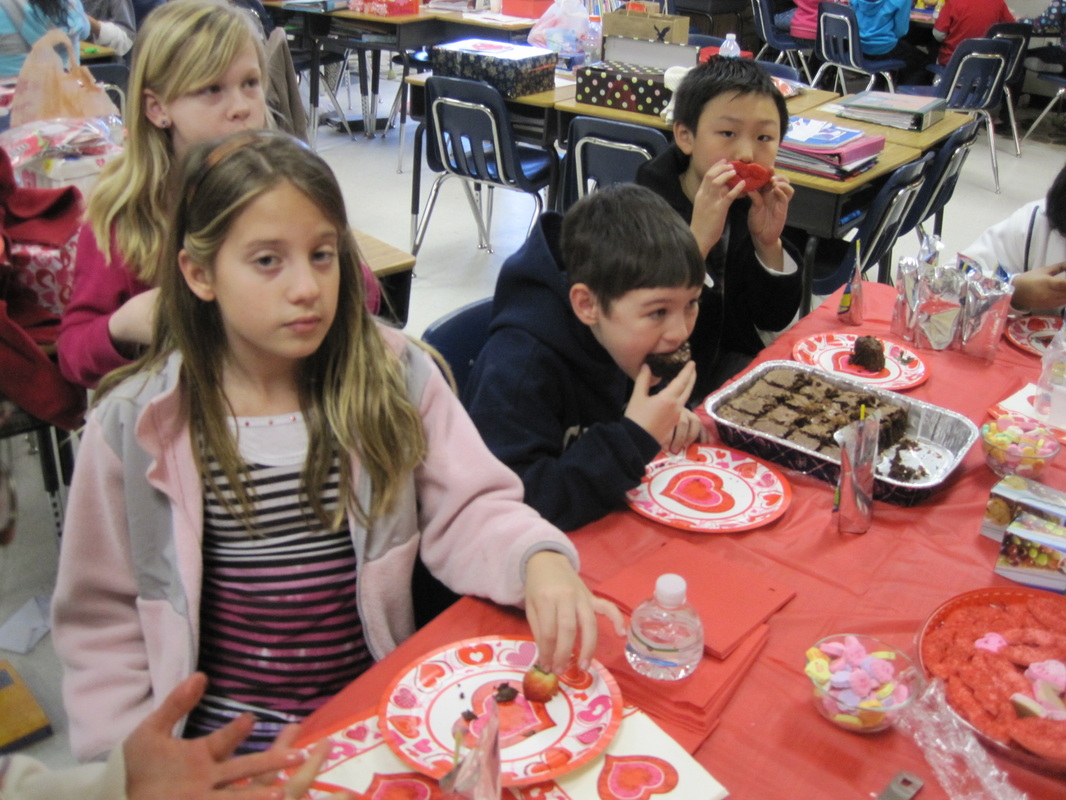
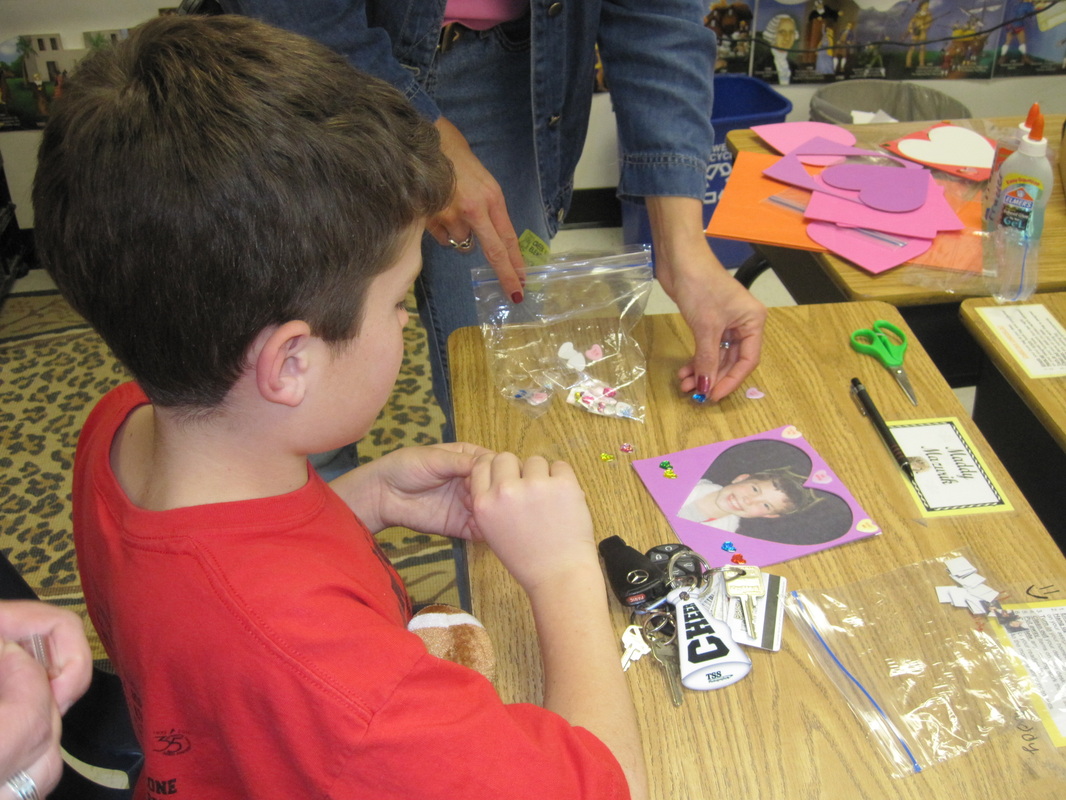
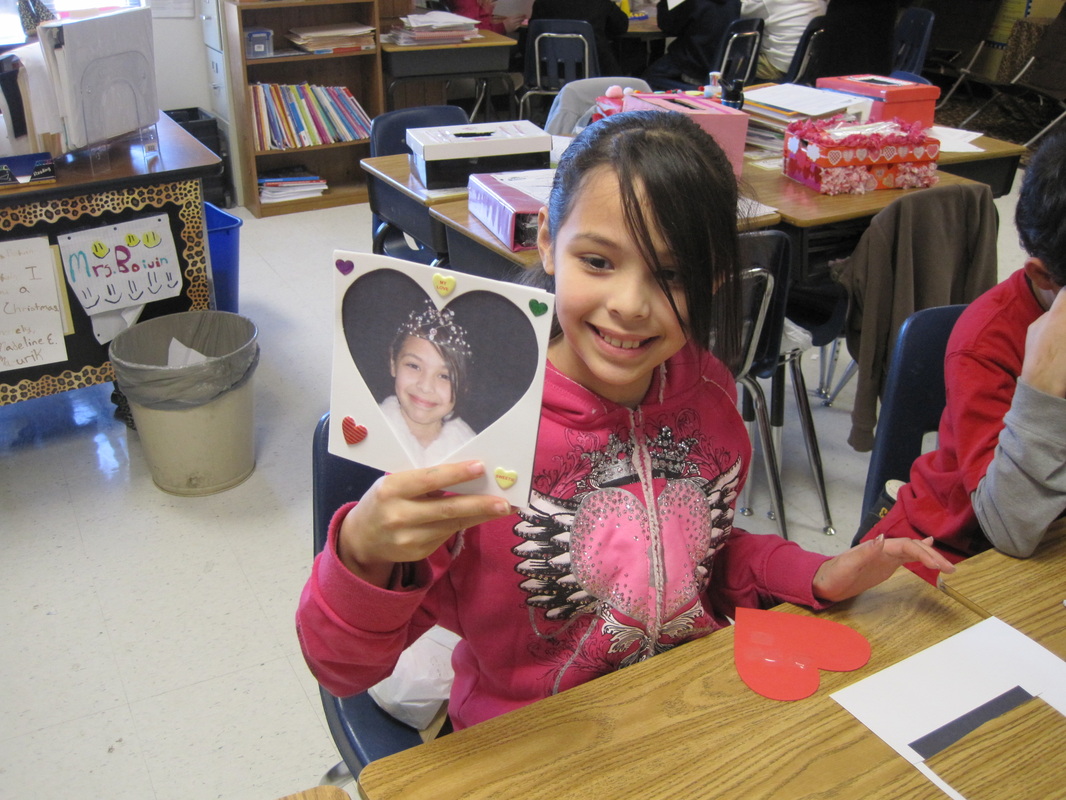
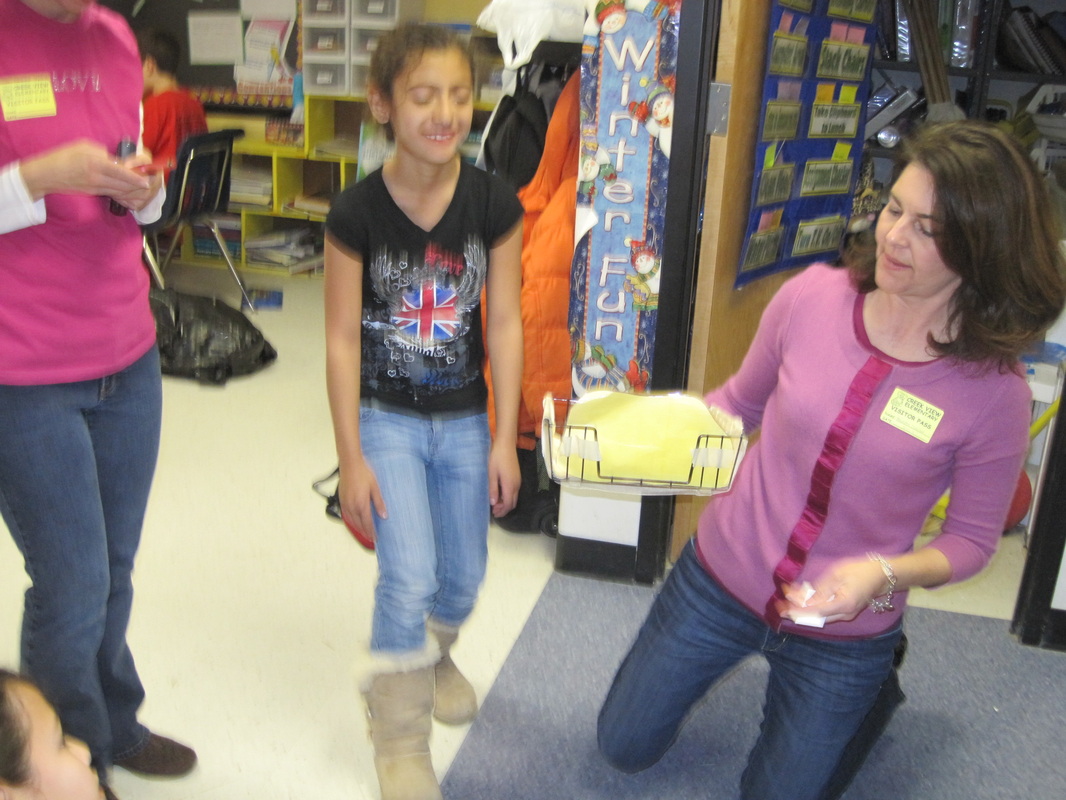
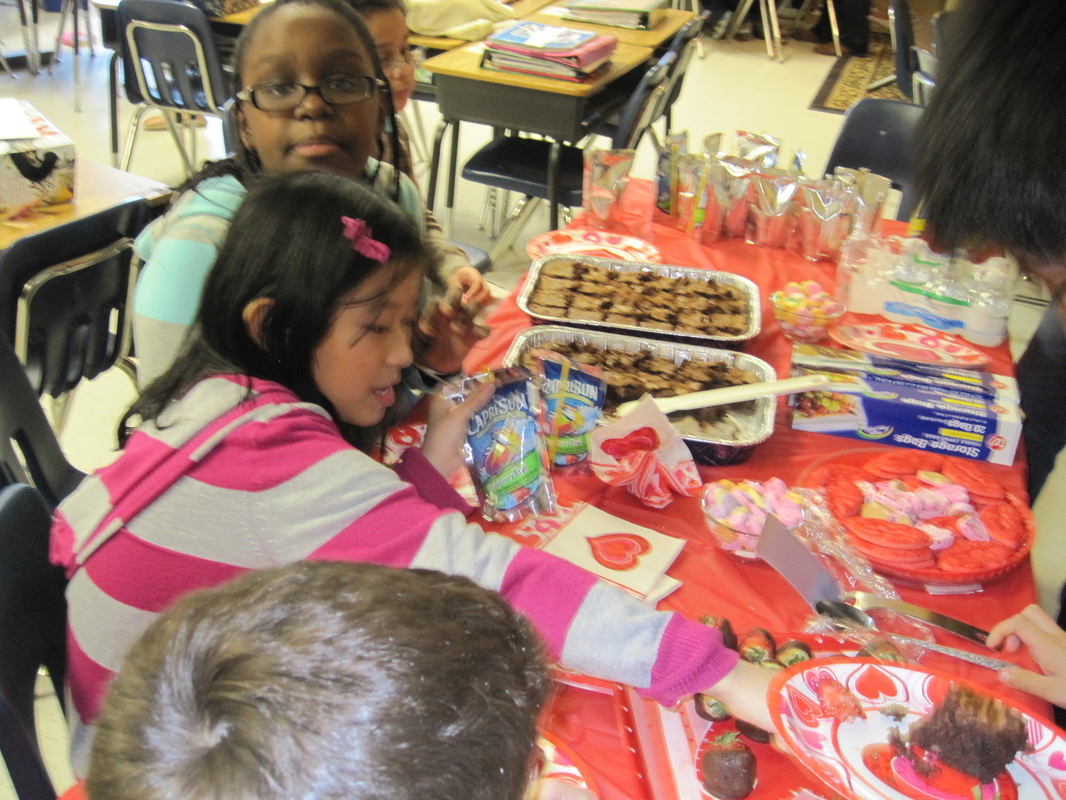
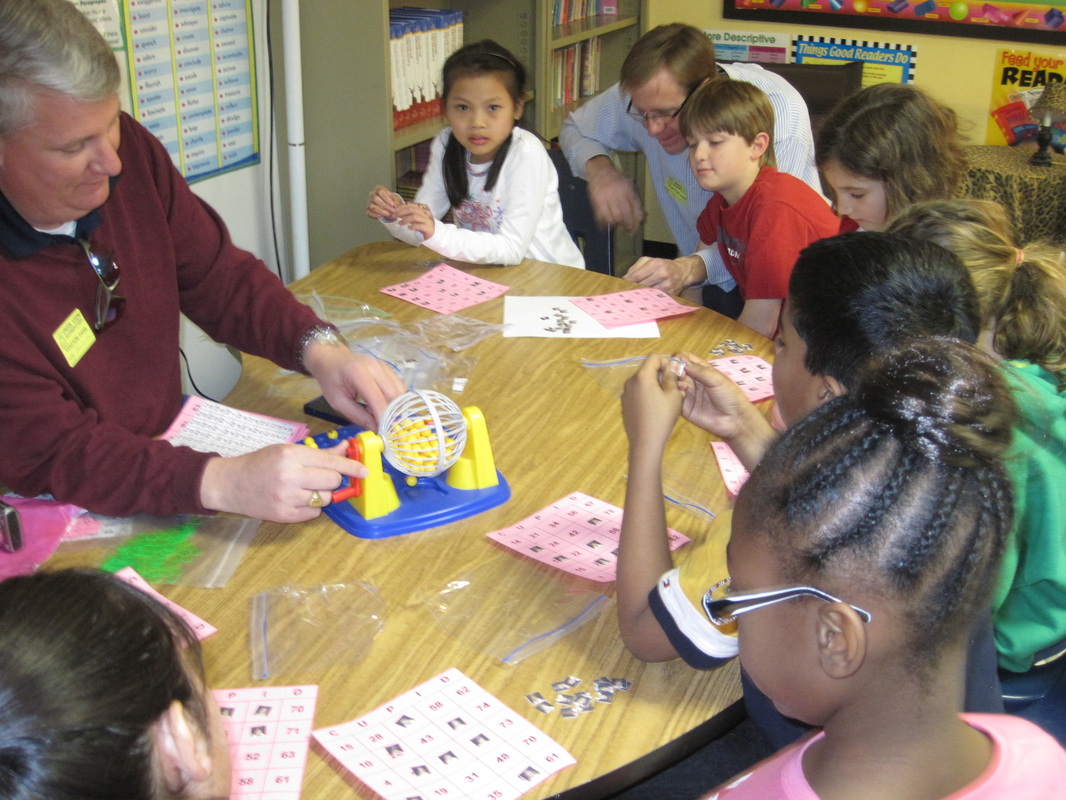
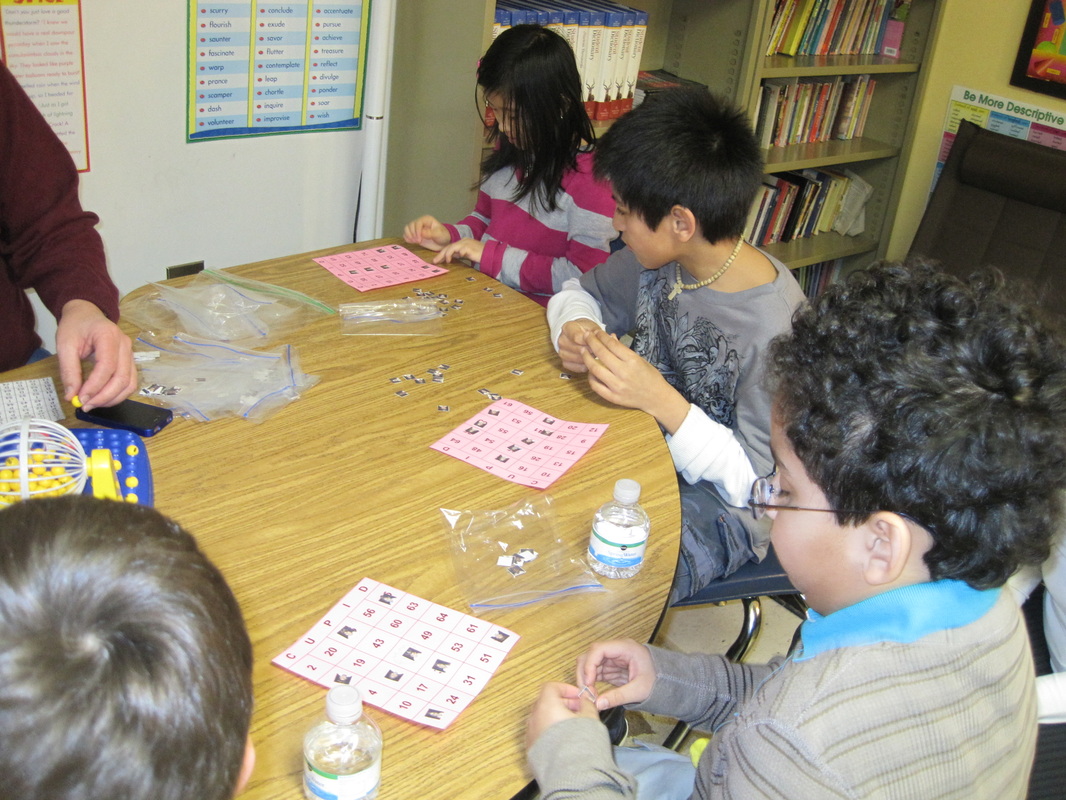
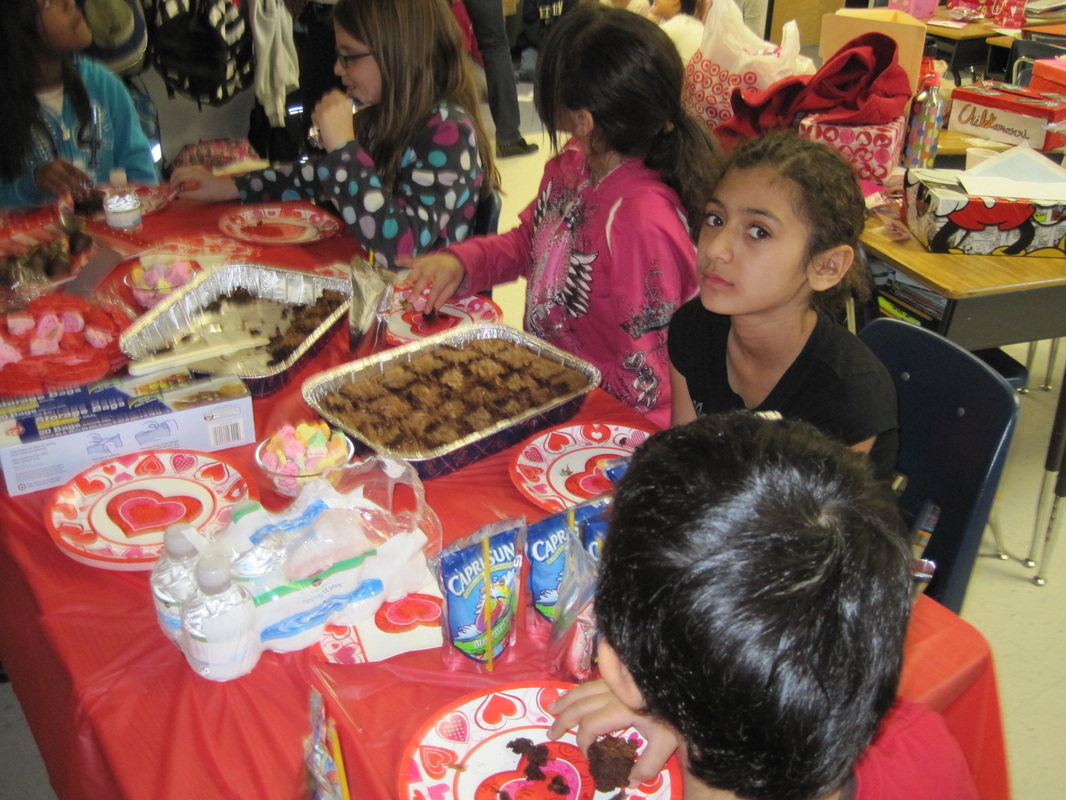
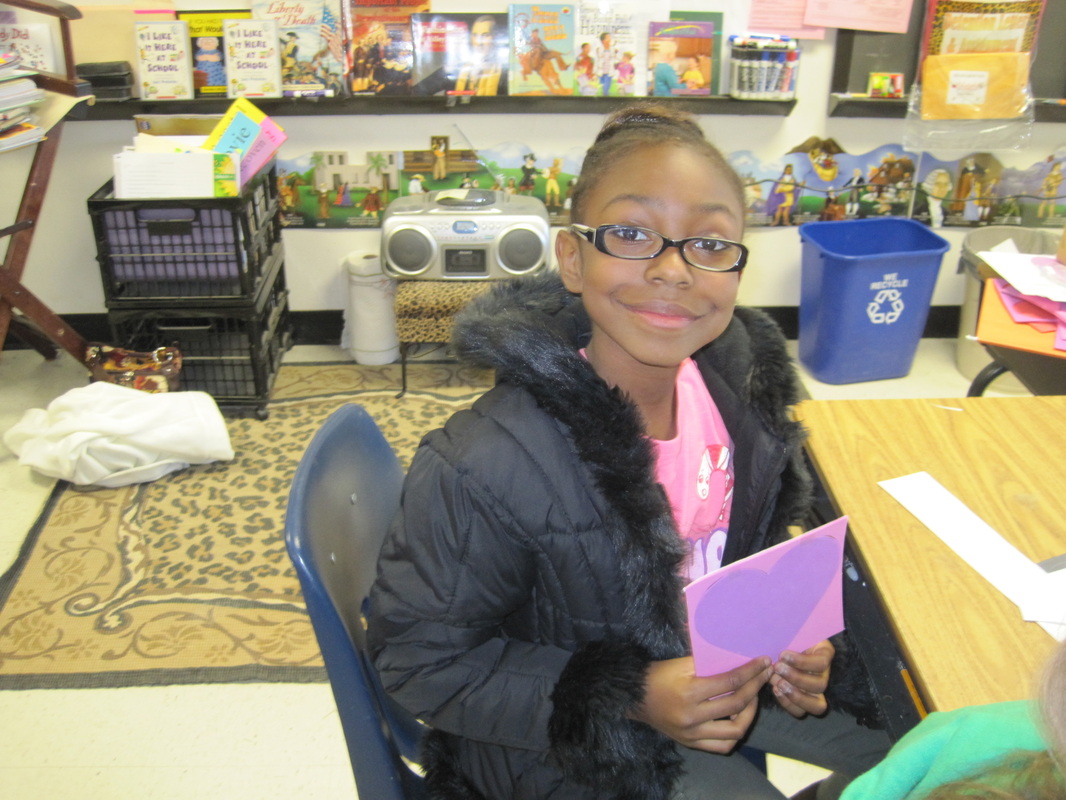
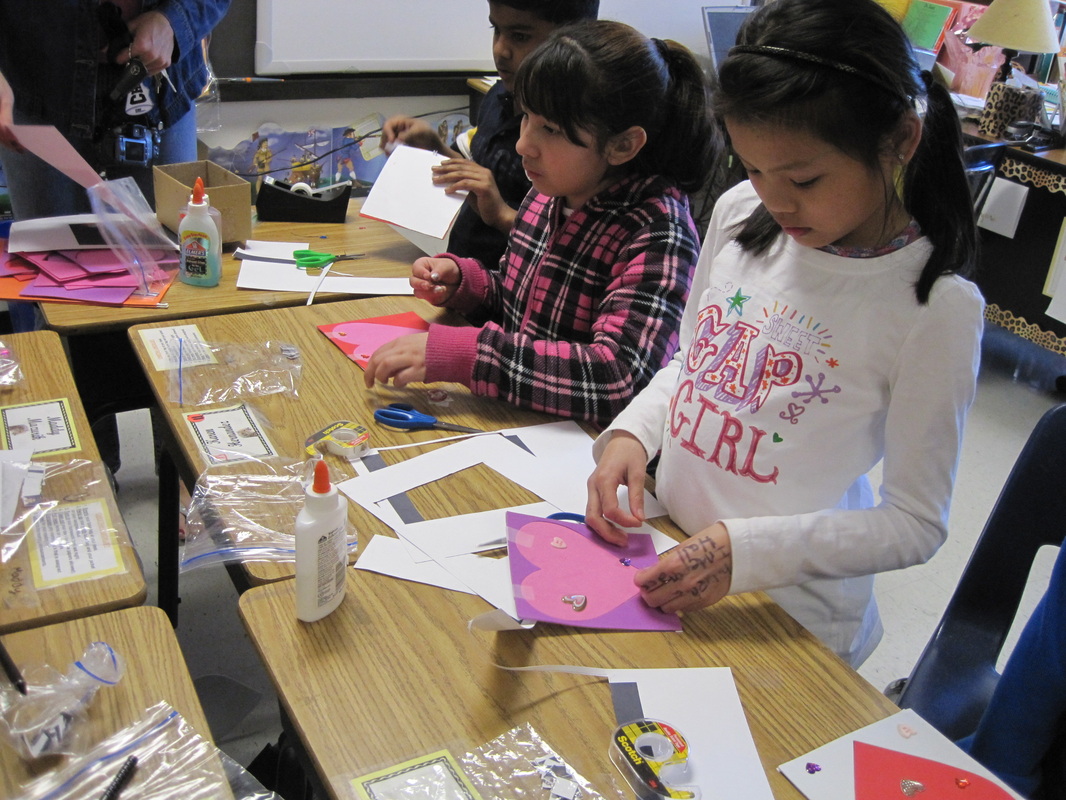
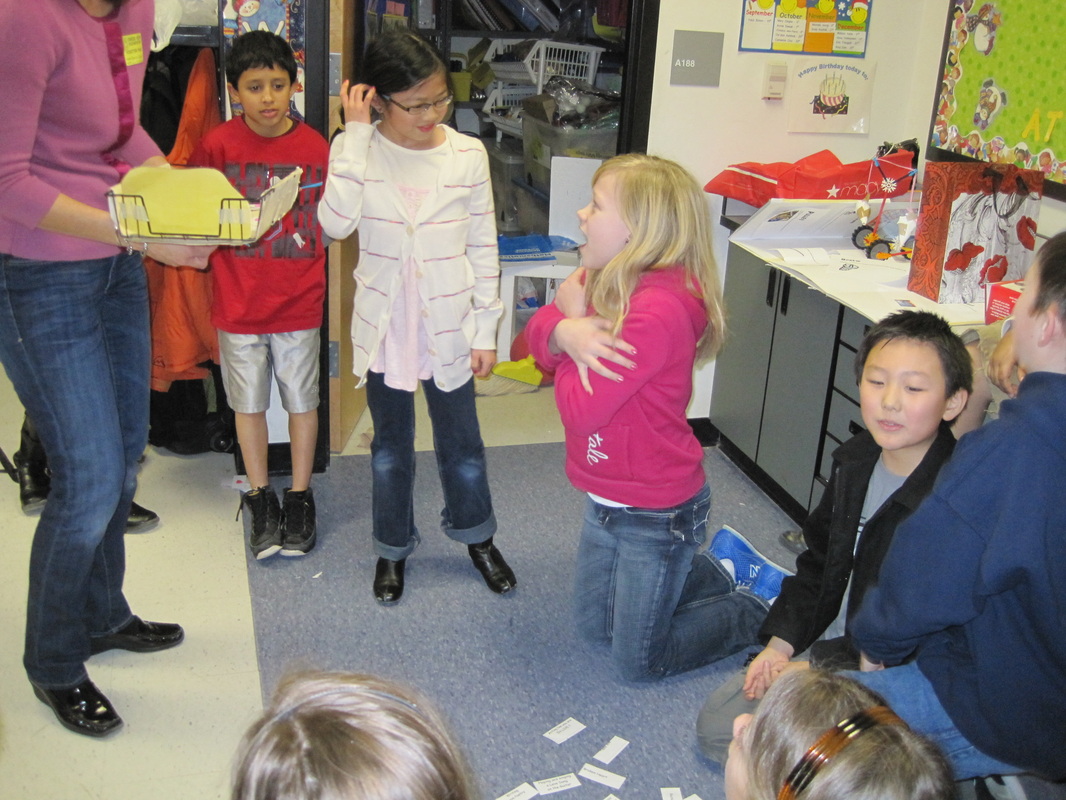
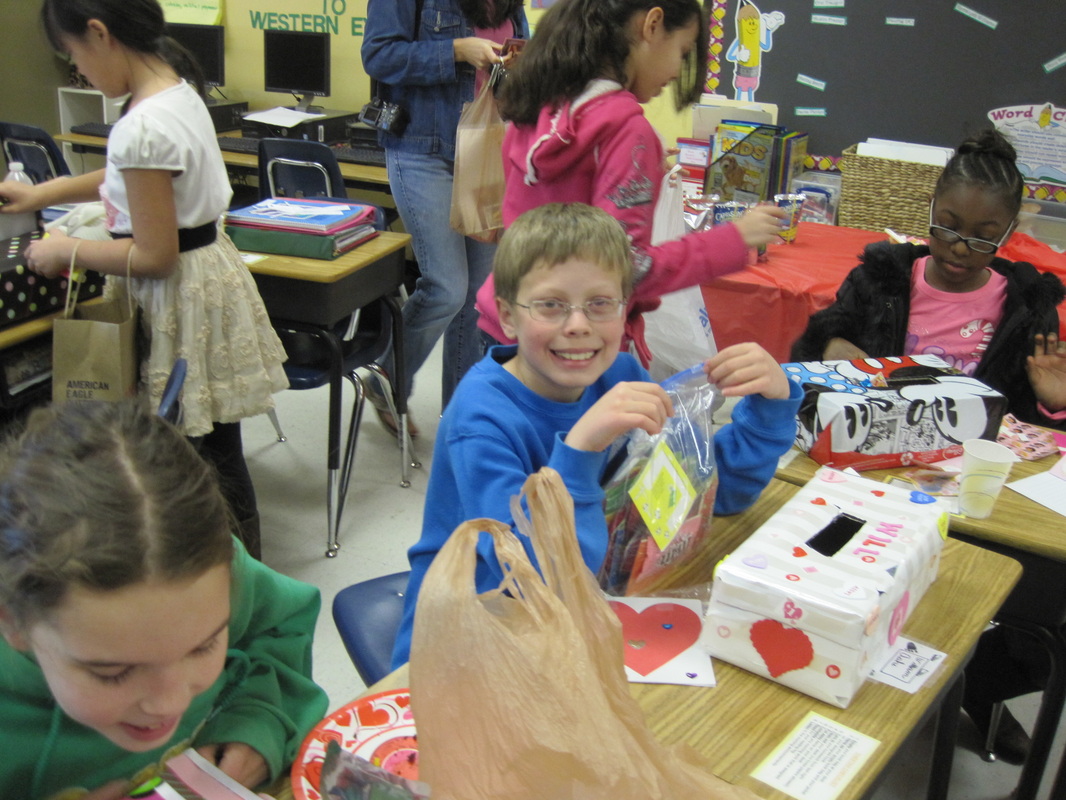
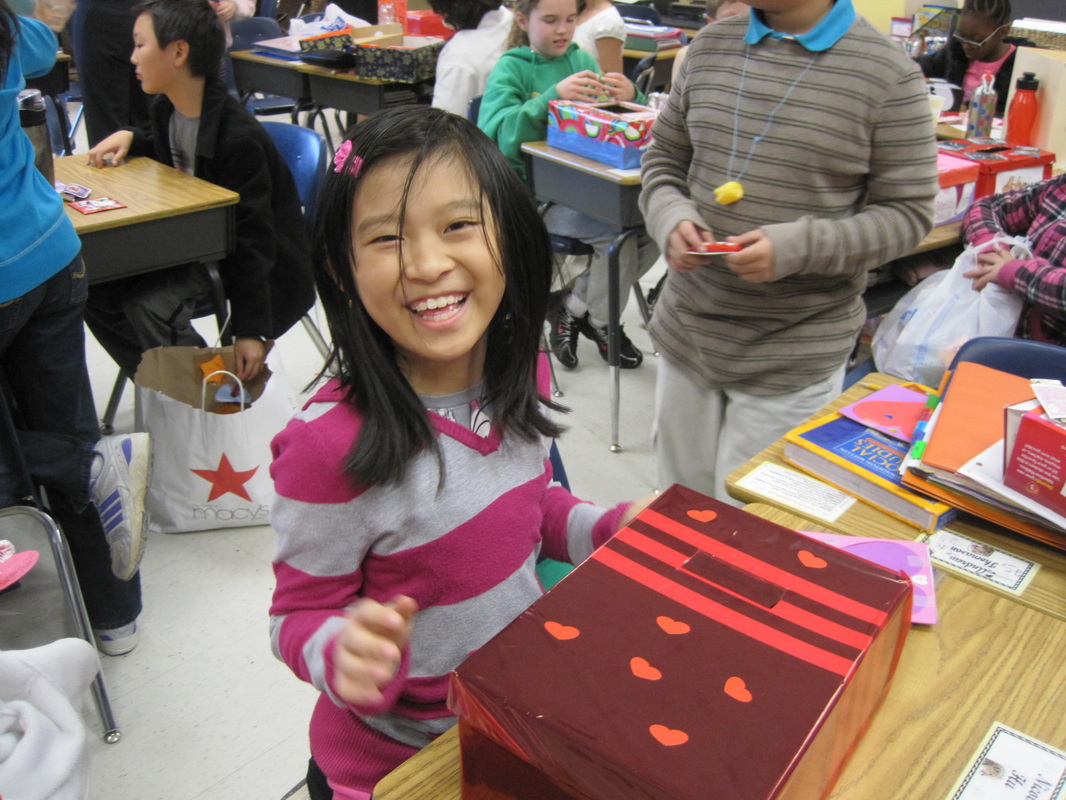
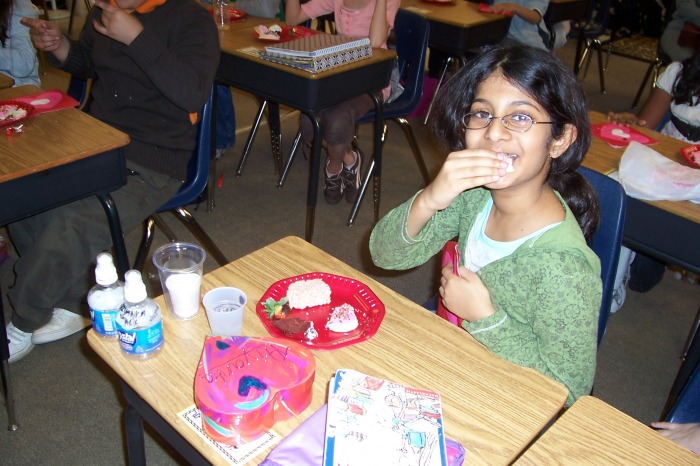
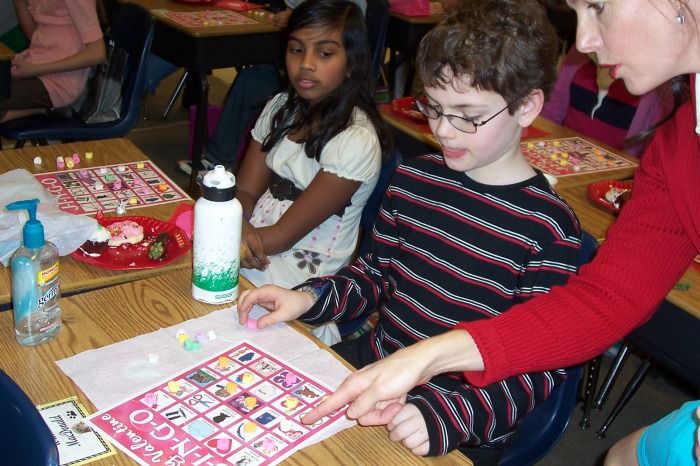
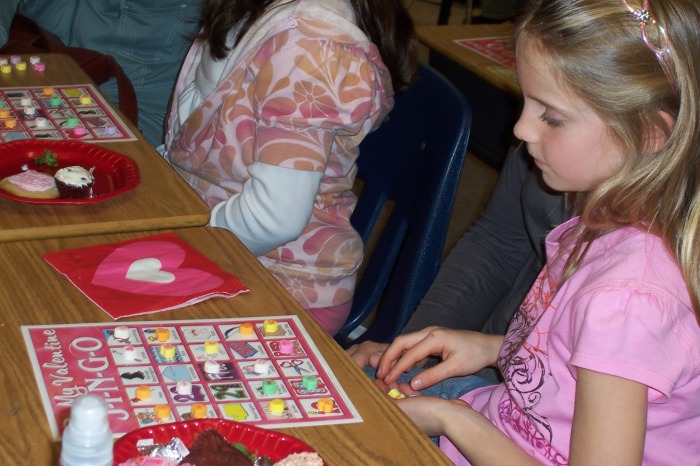
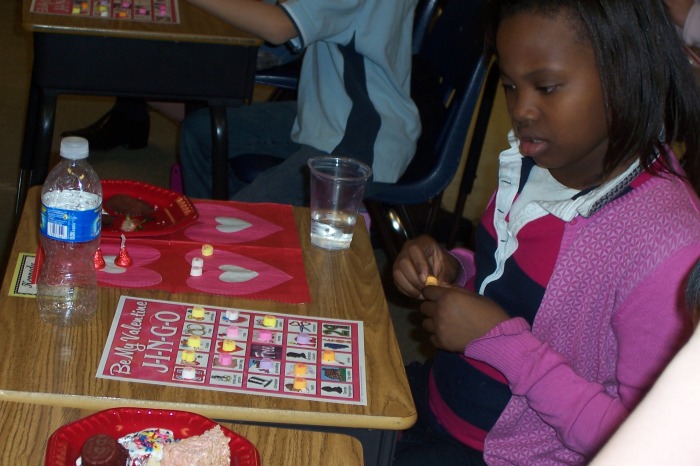
Valentine's Party
February 14, 2011
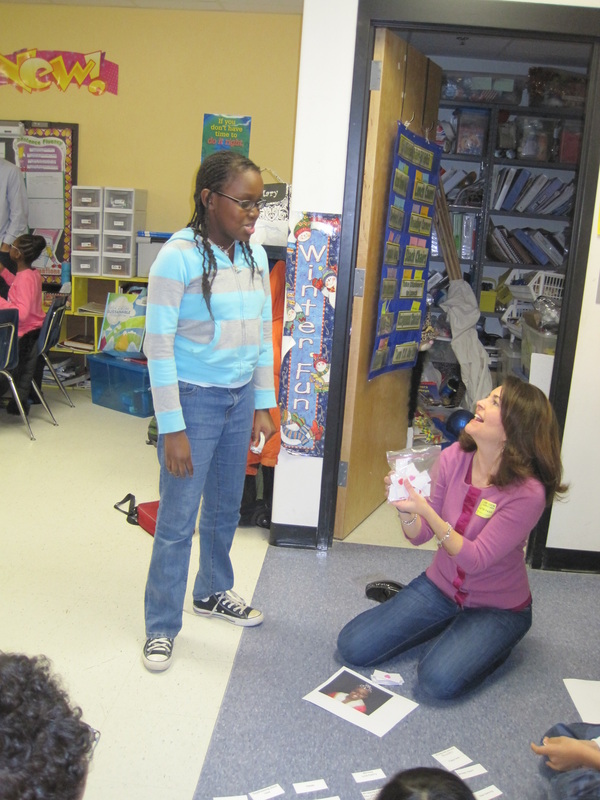
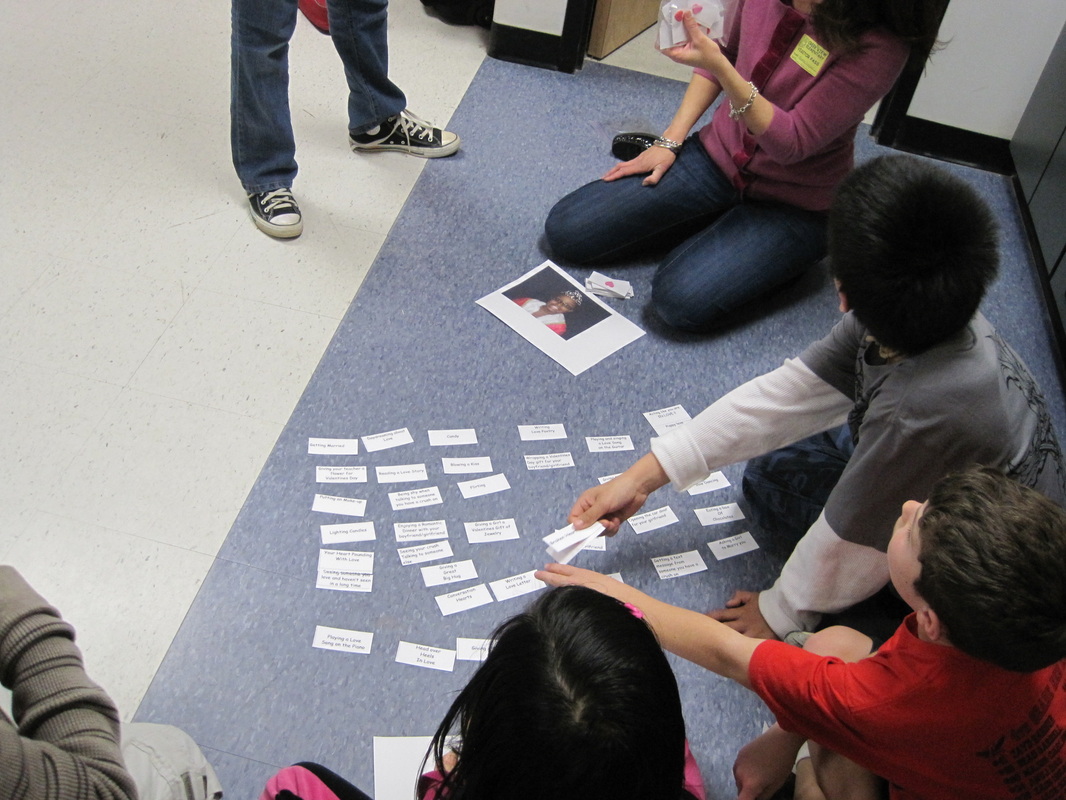
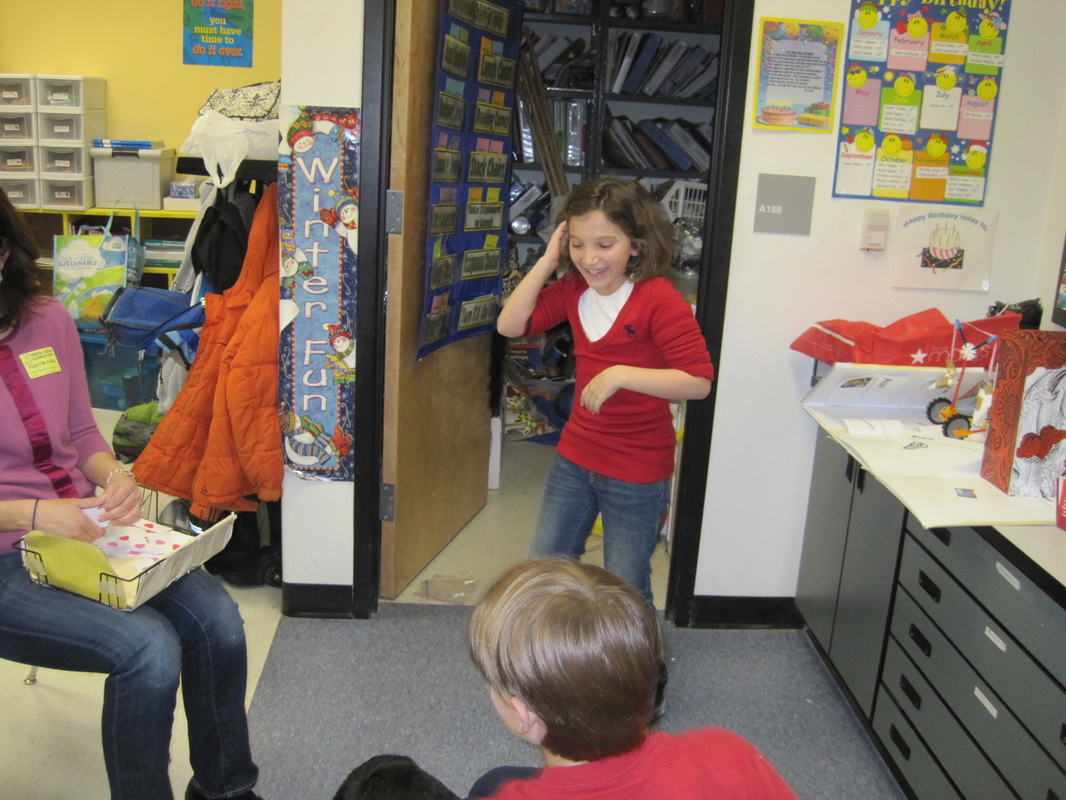
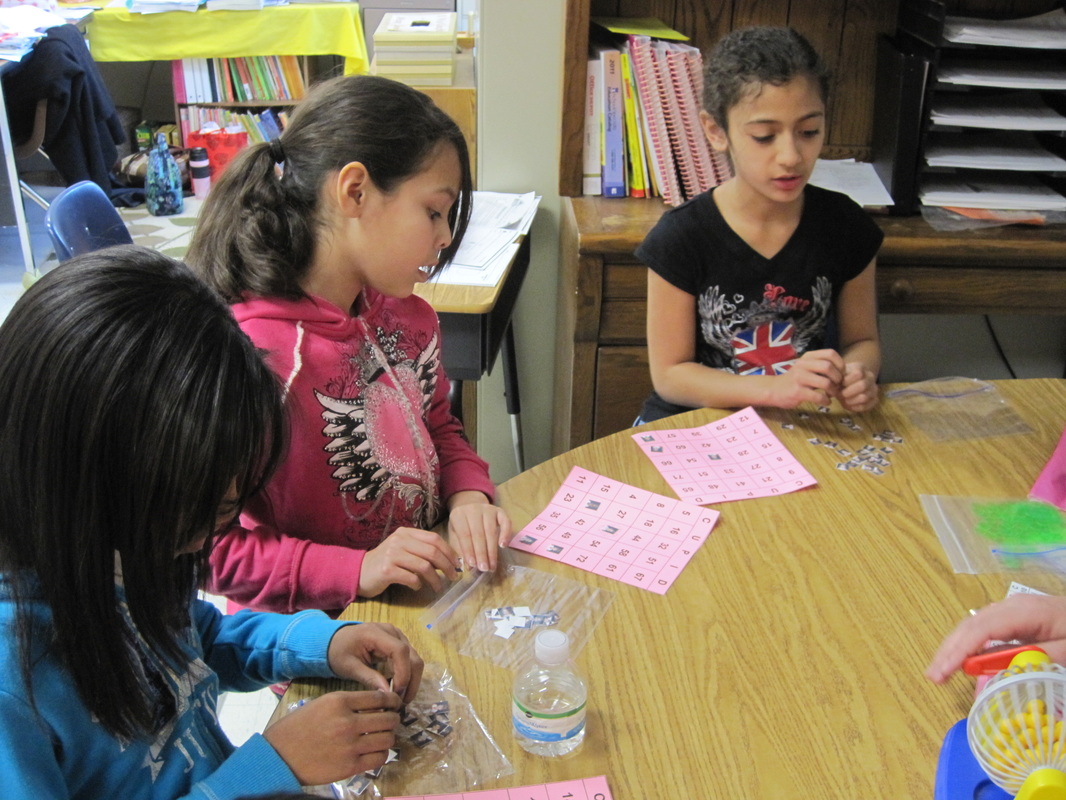
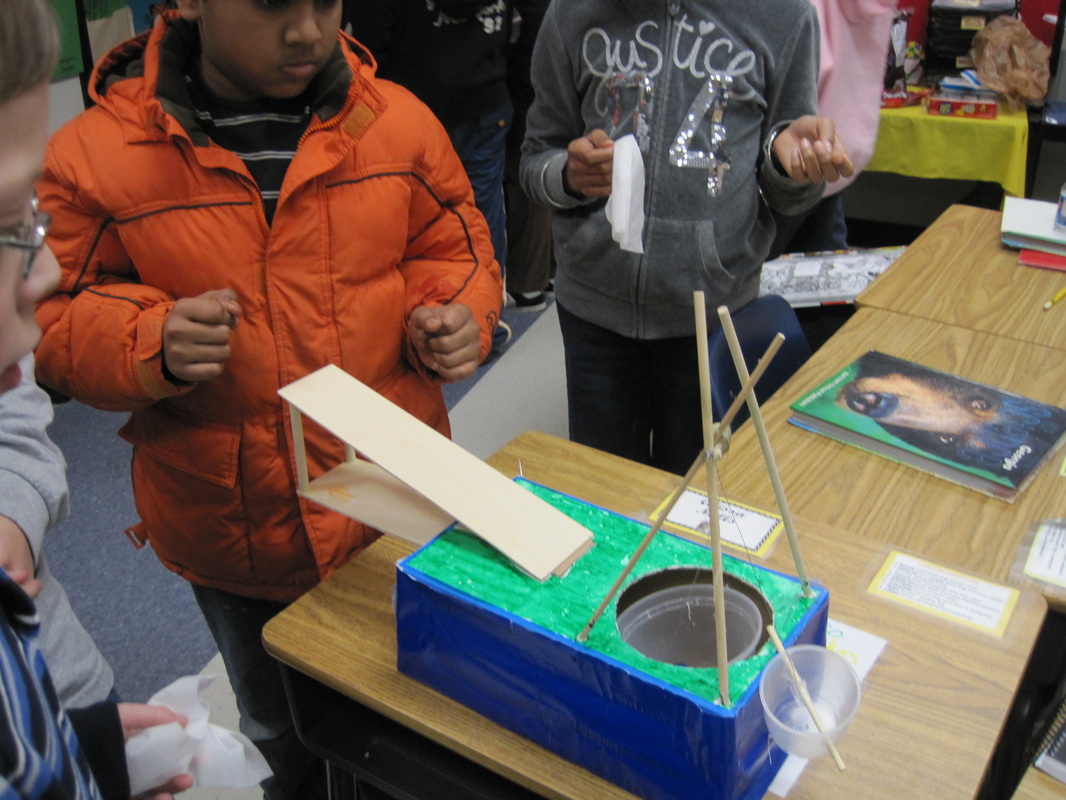
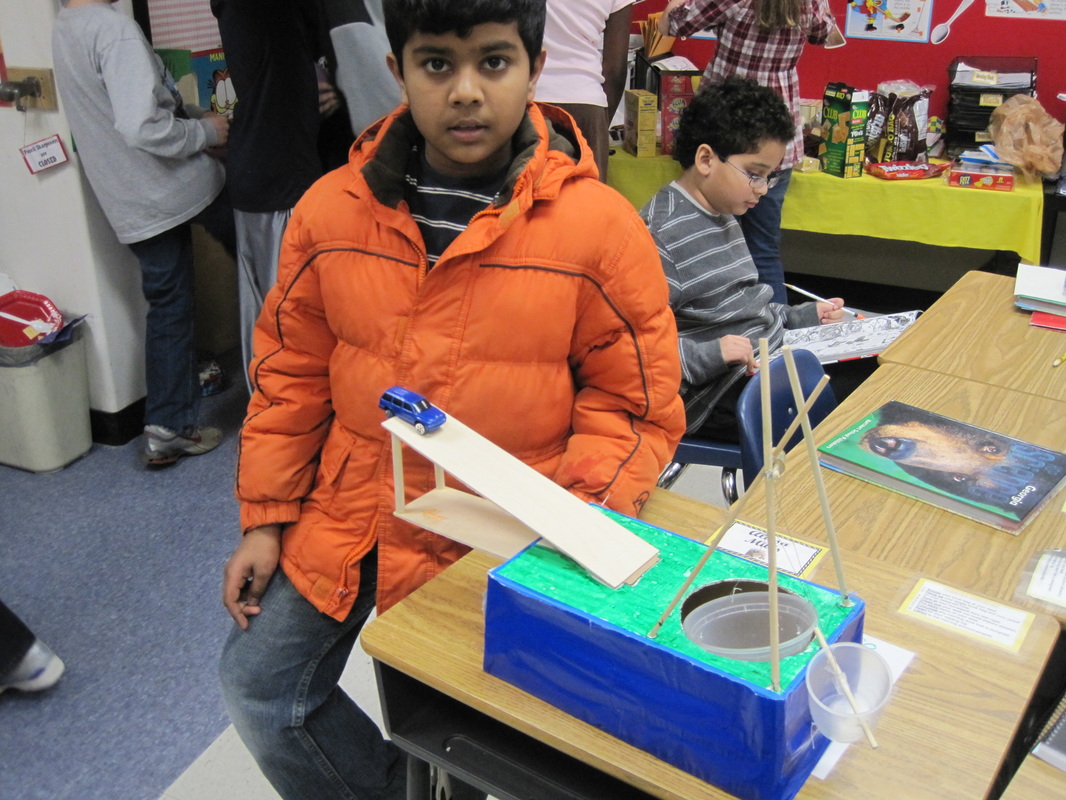
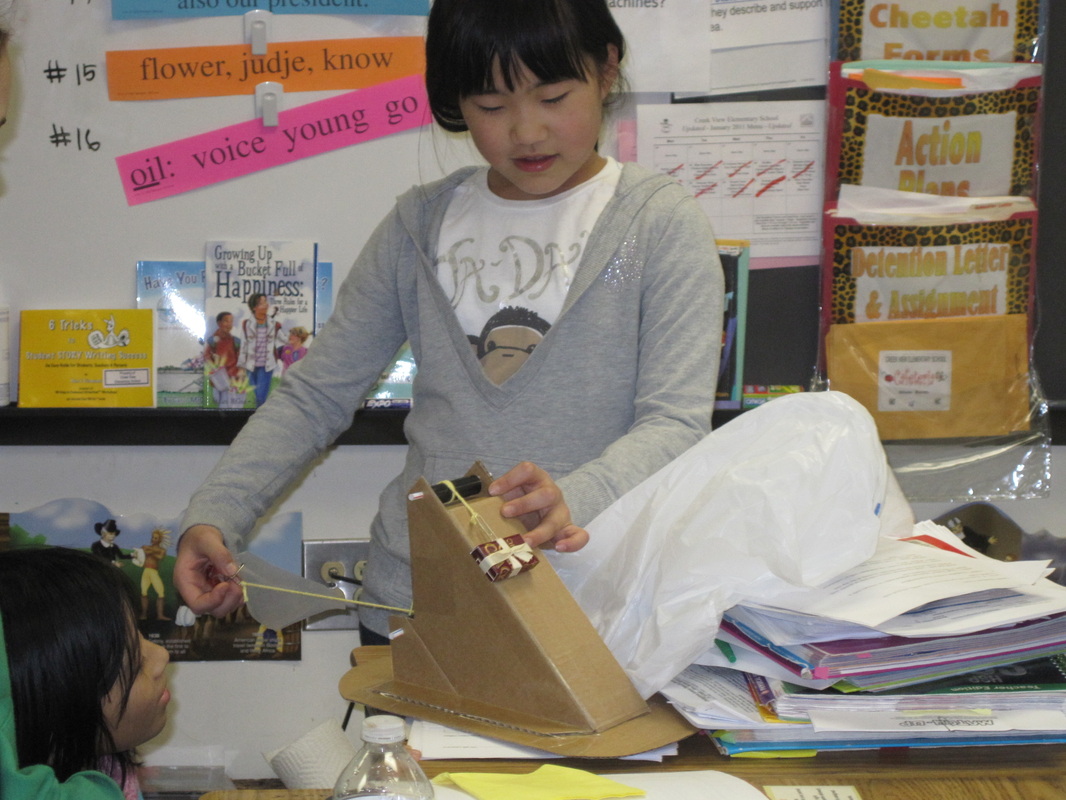
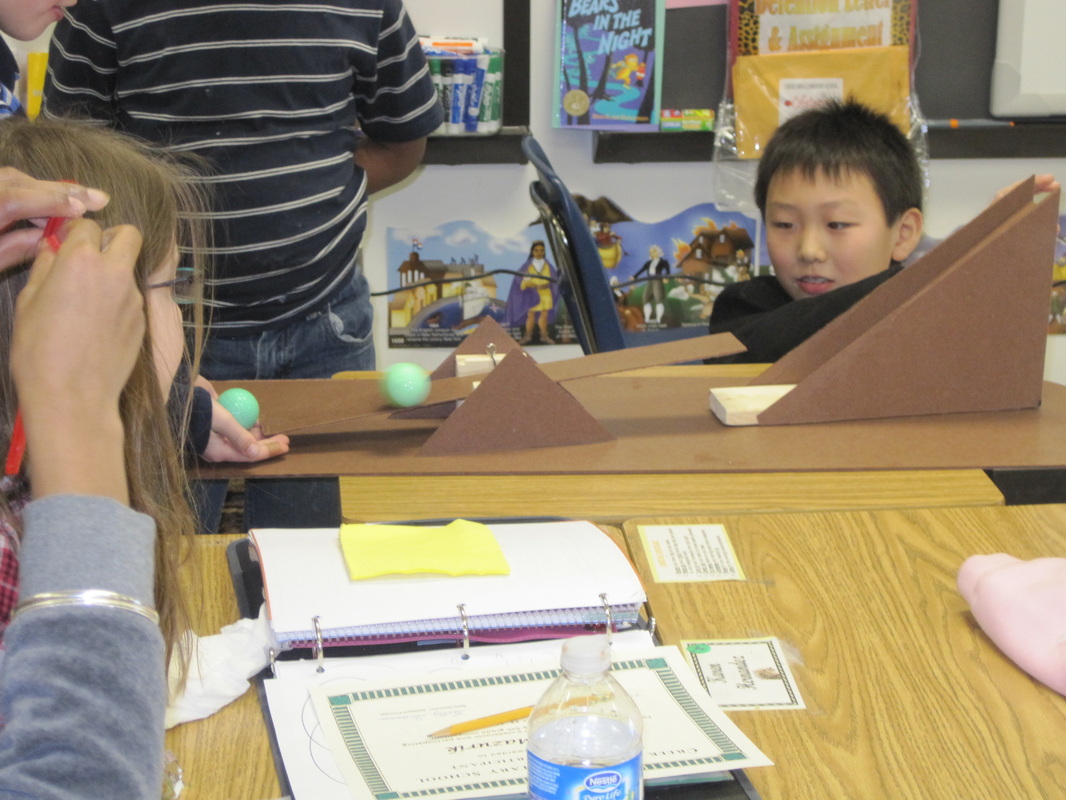
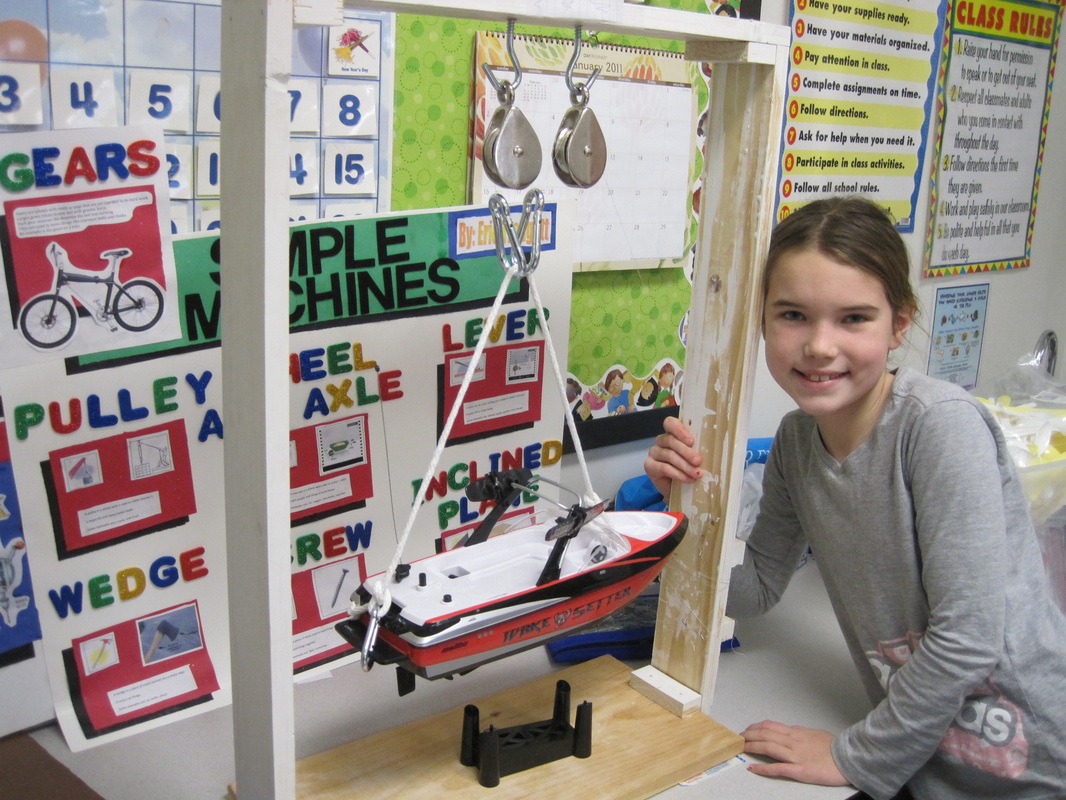
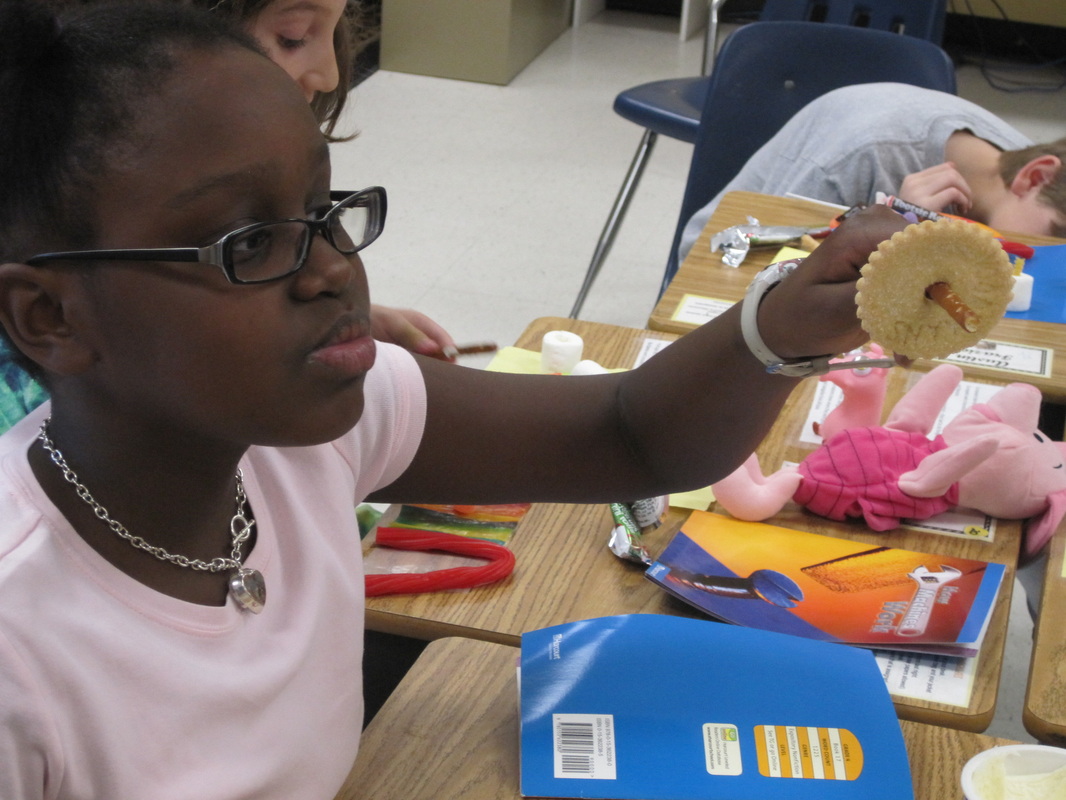
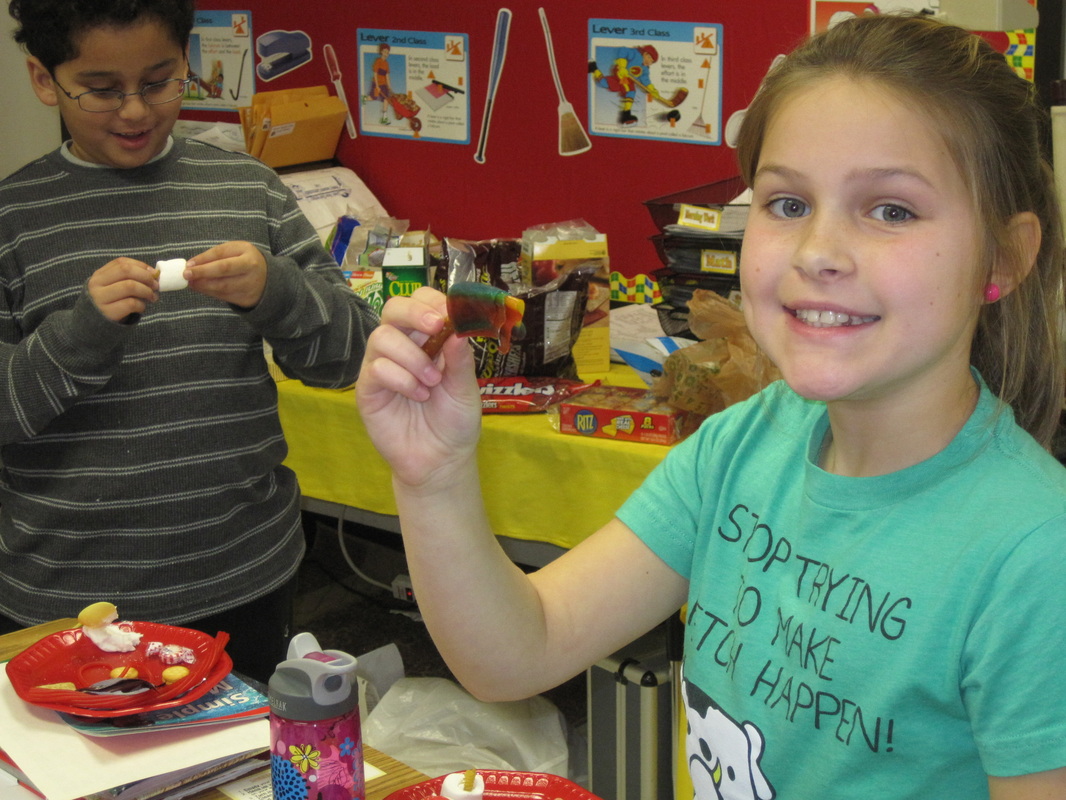
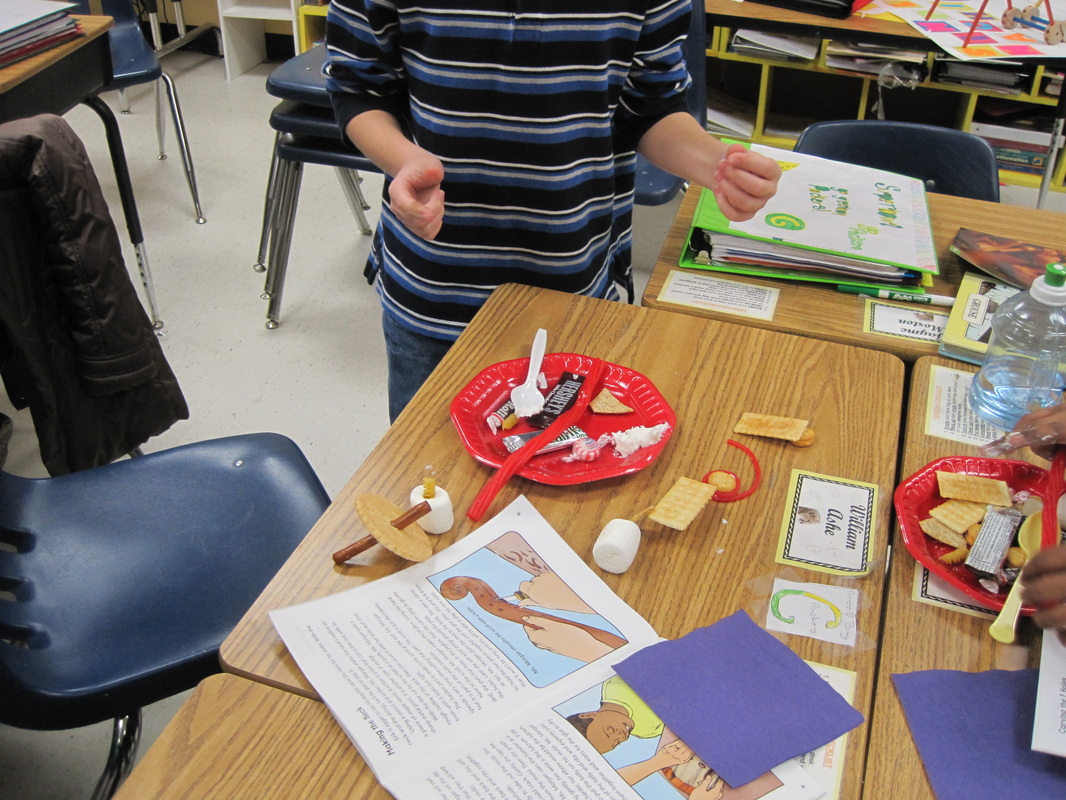
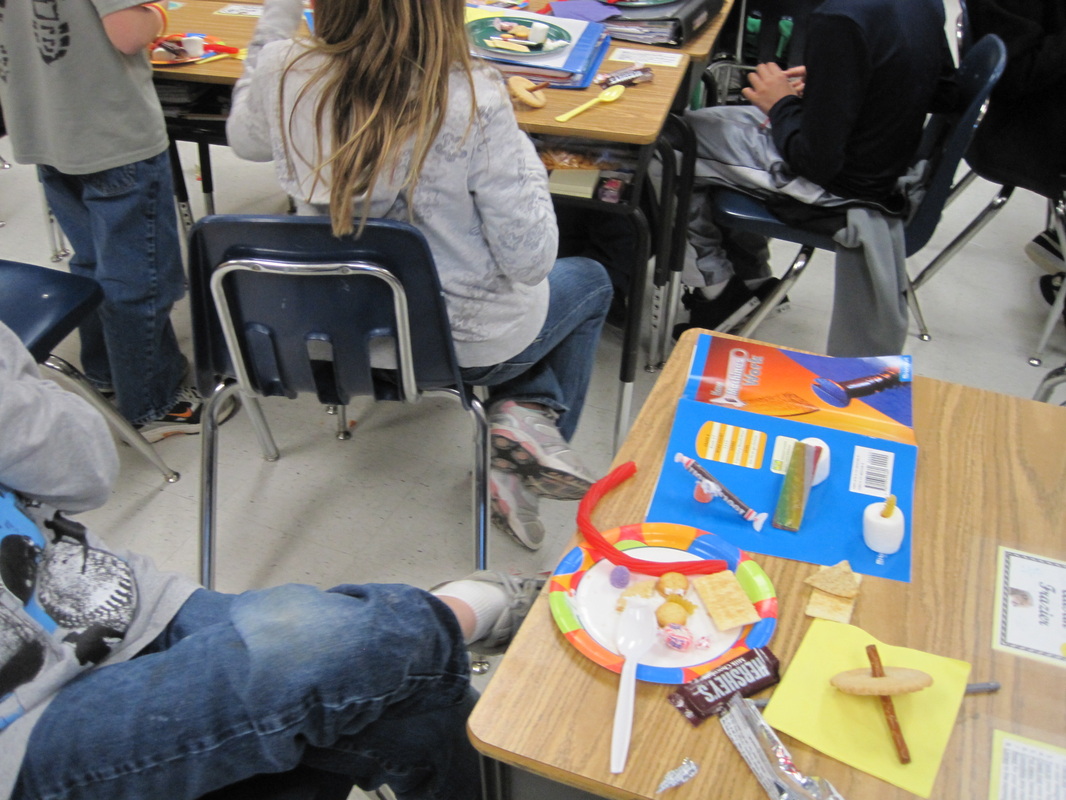
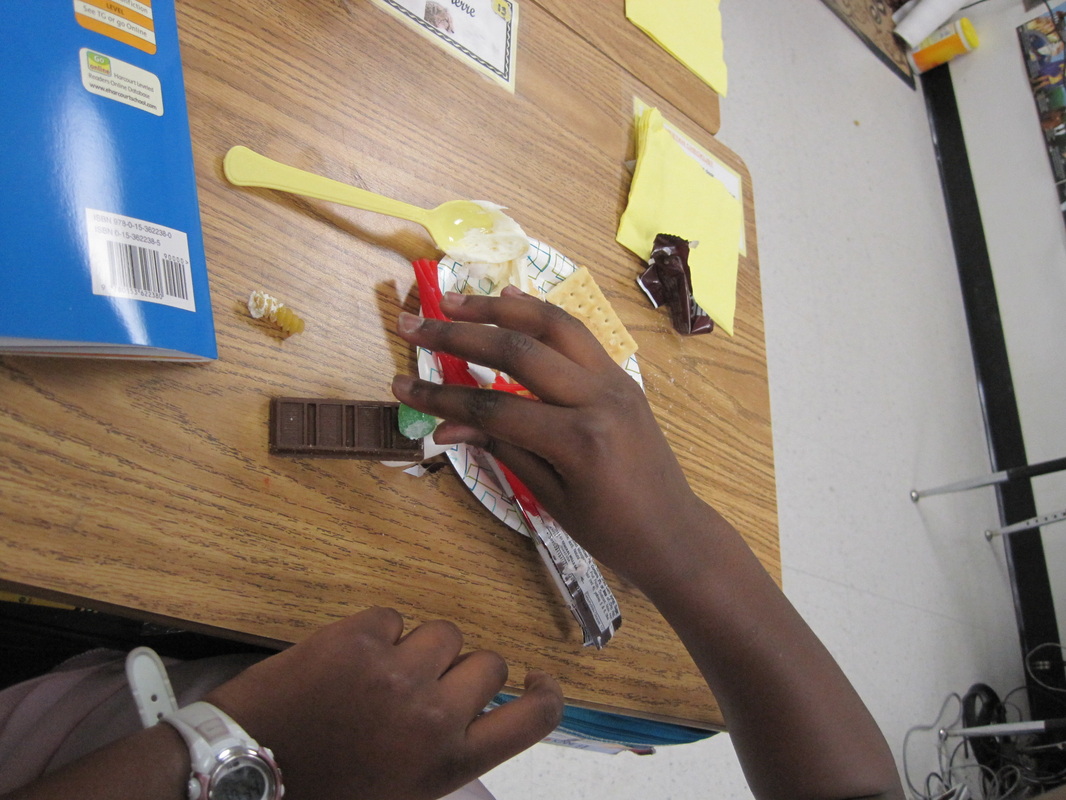
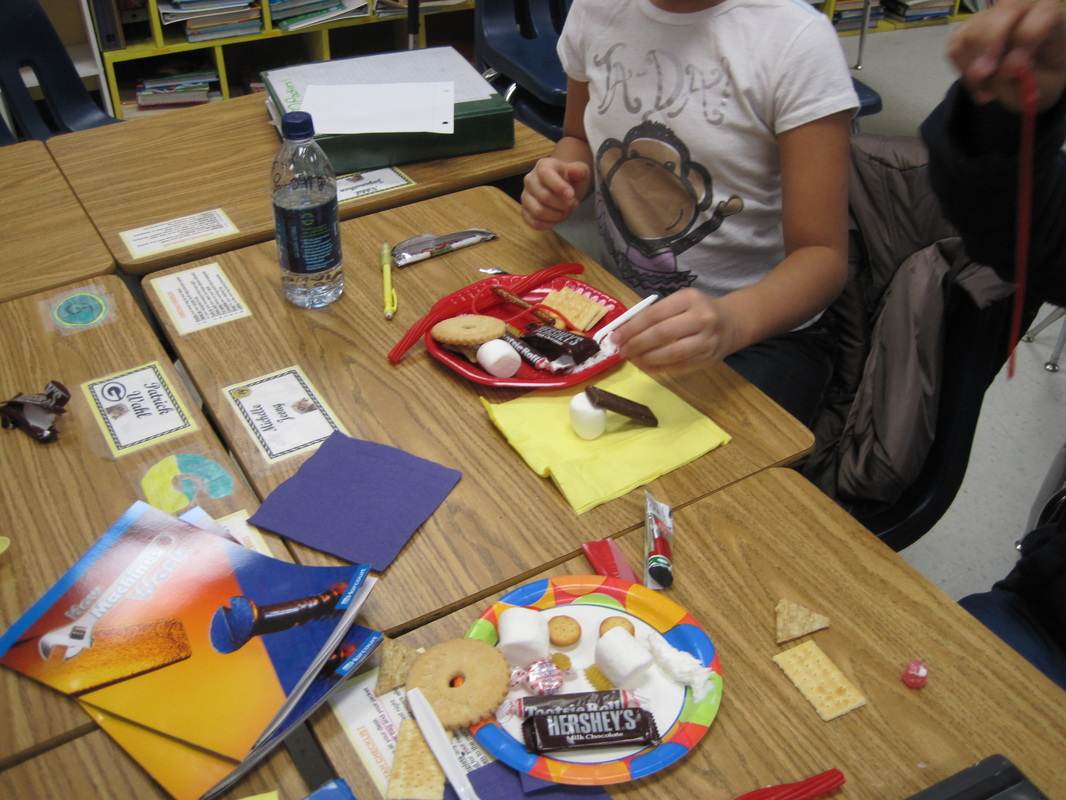
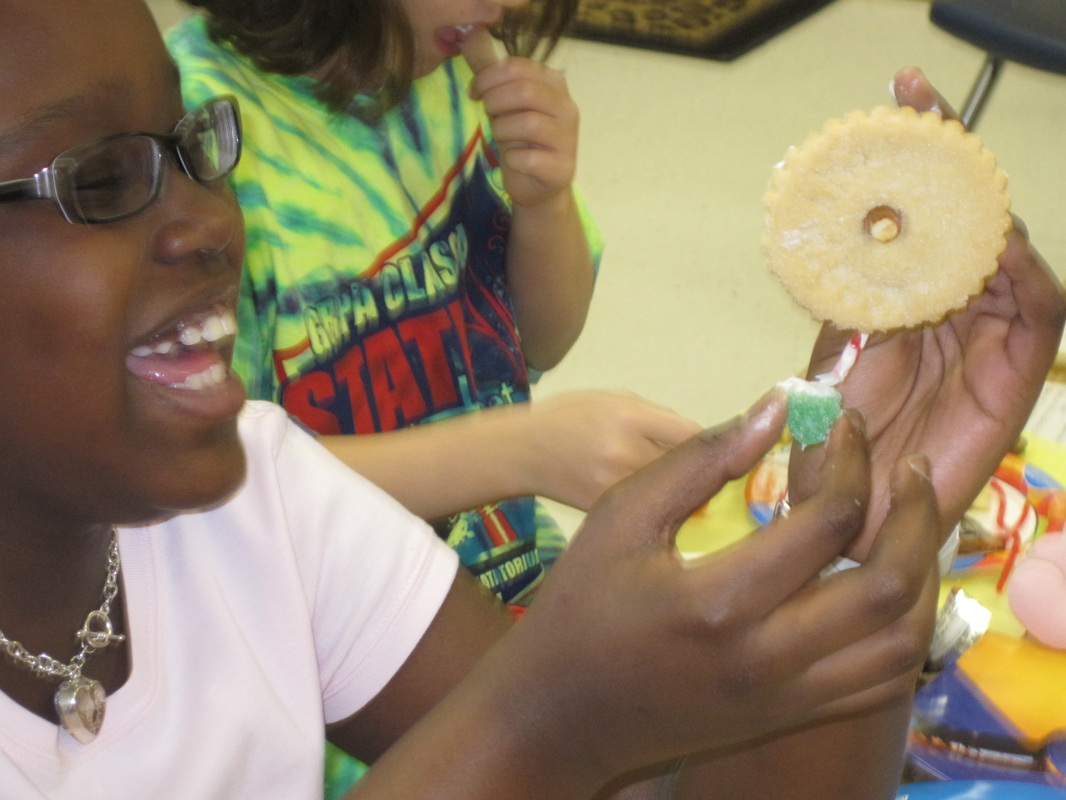
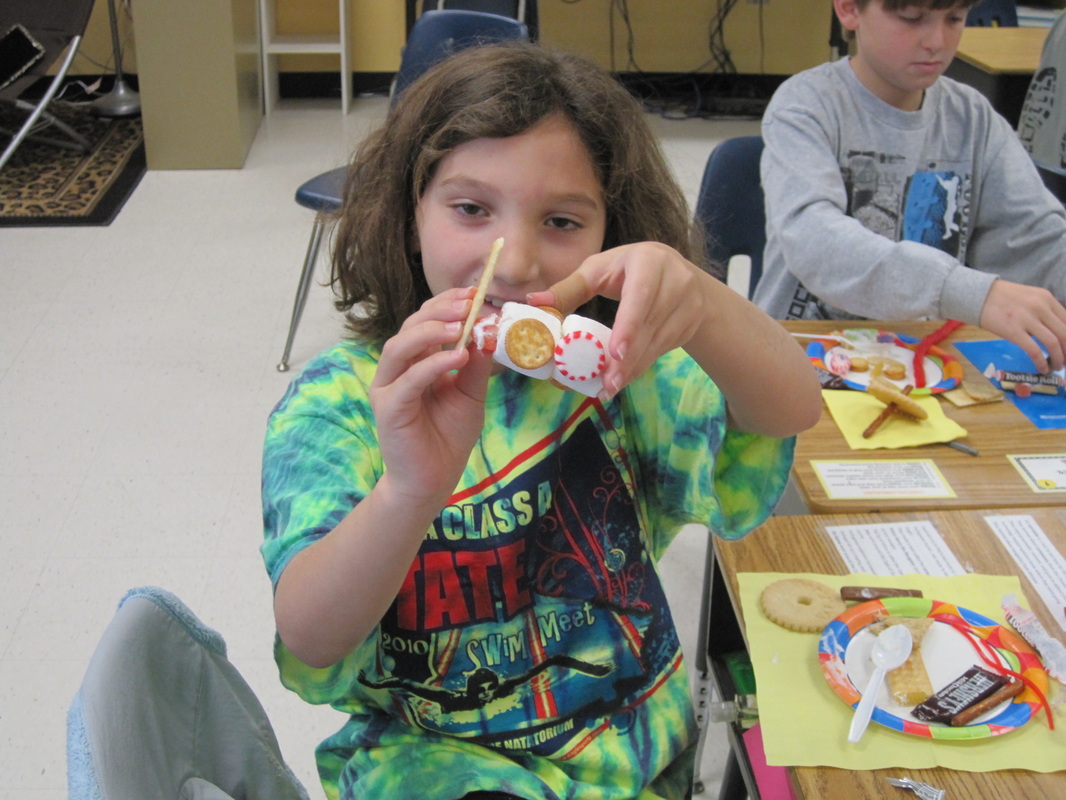
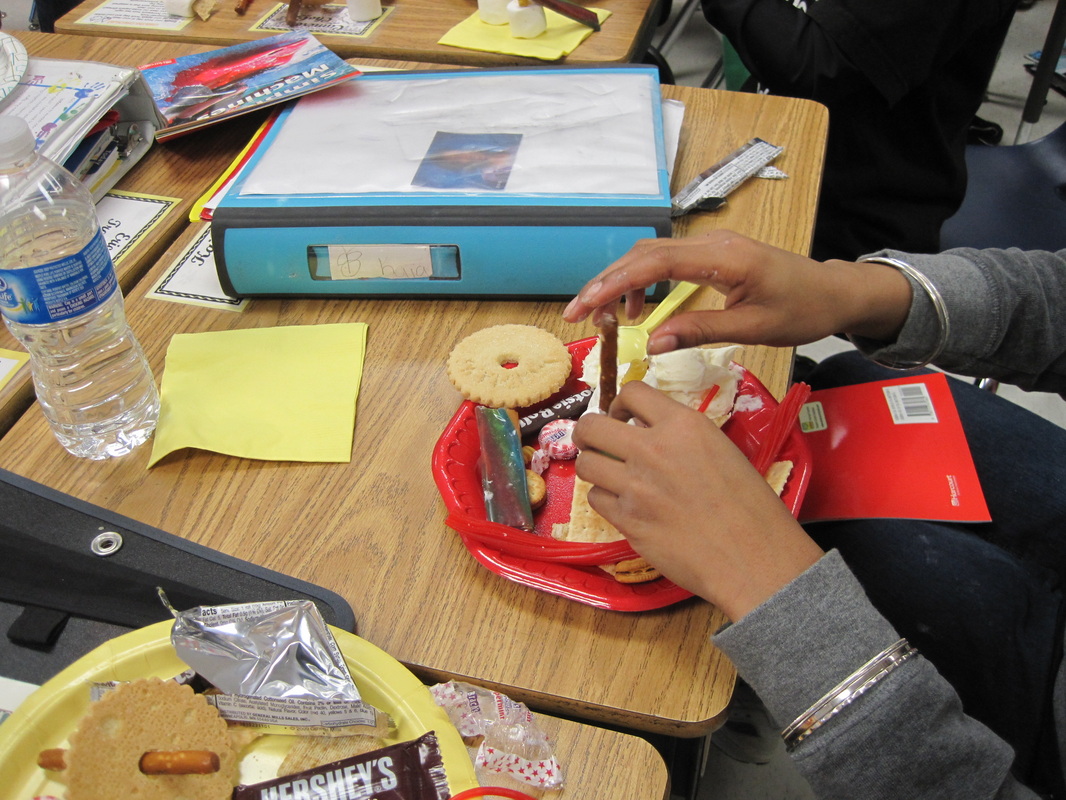
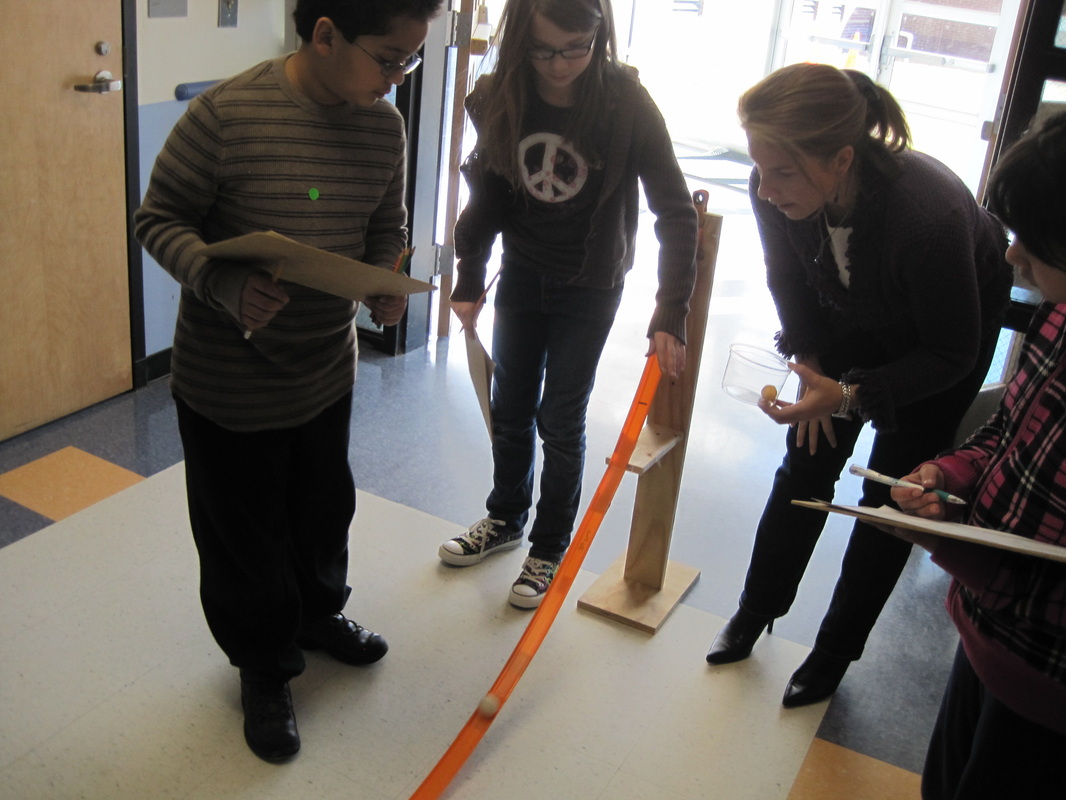
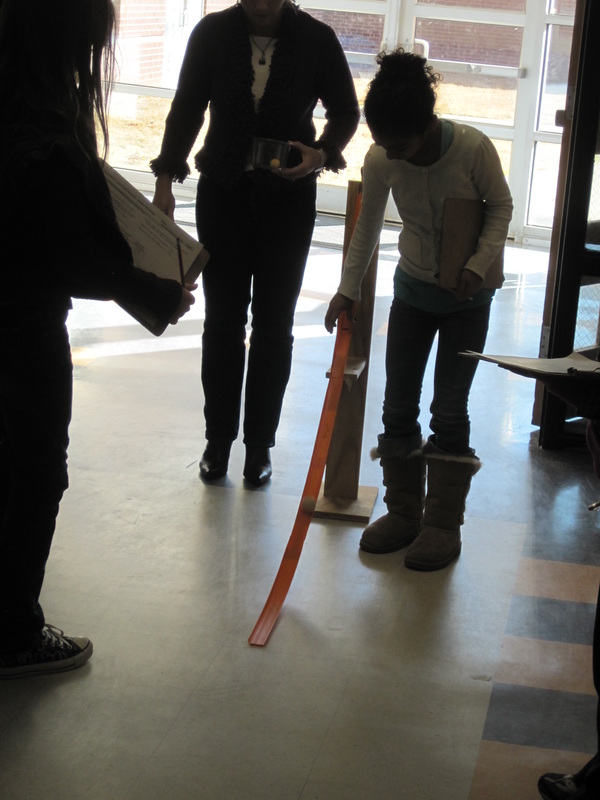
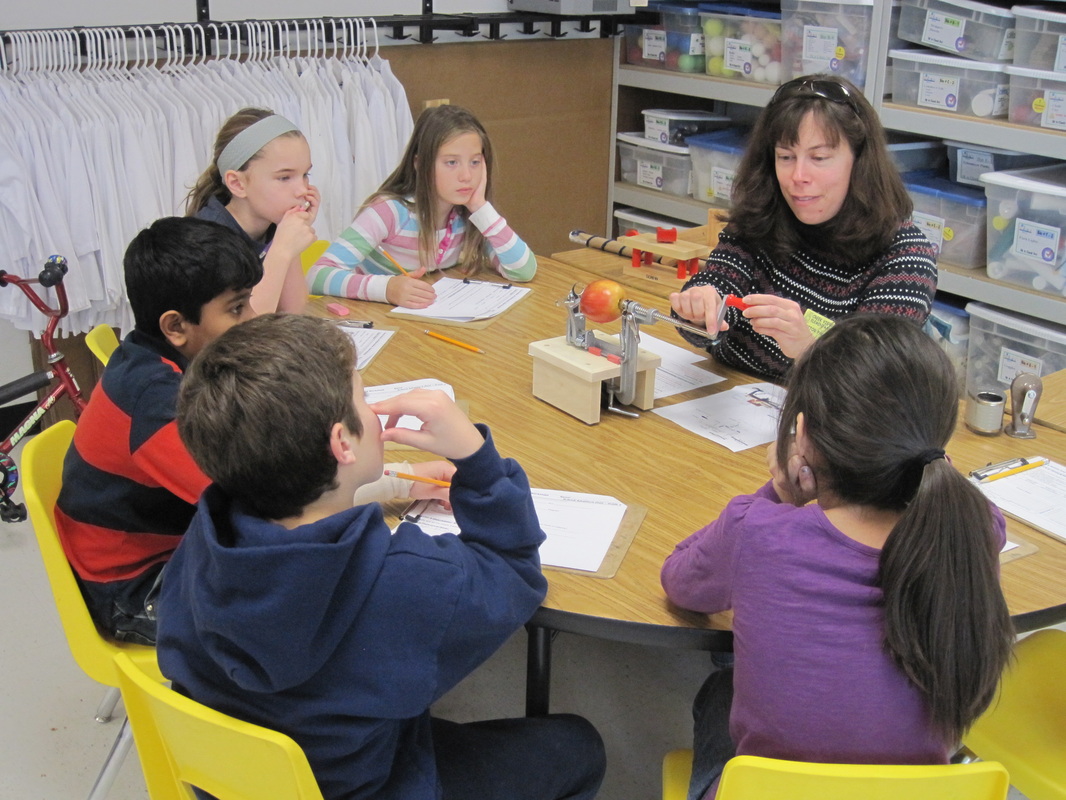
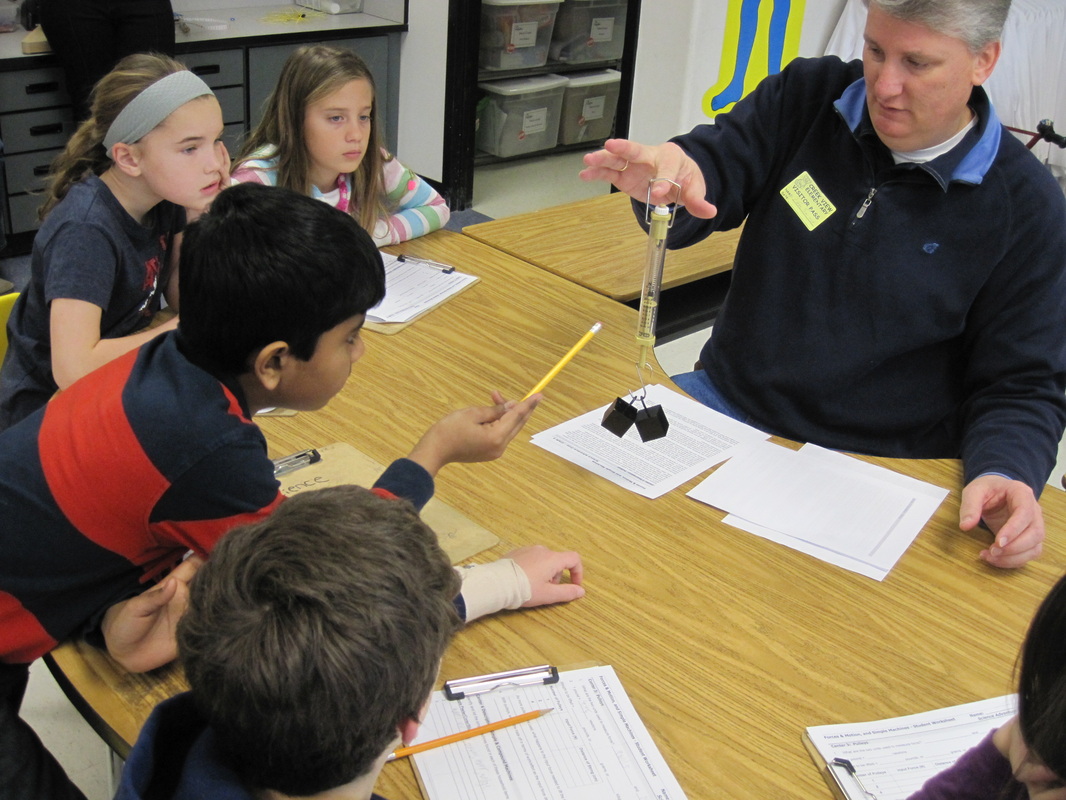
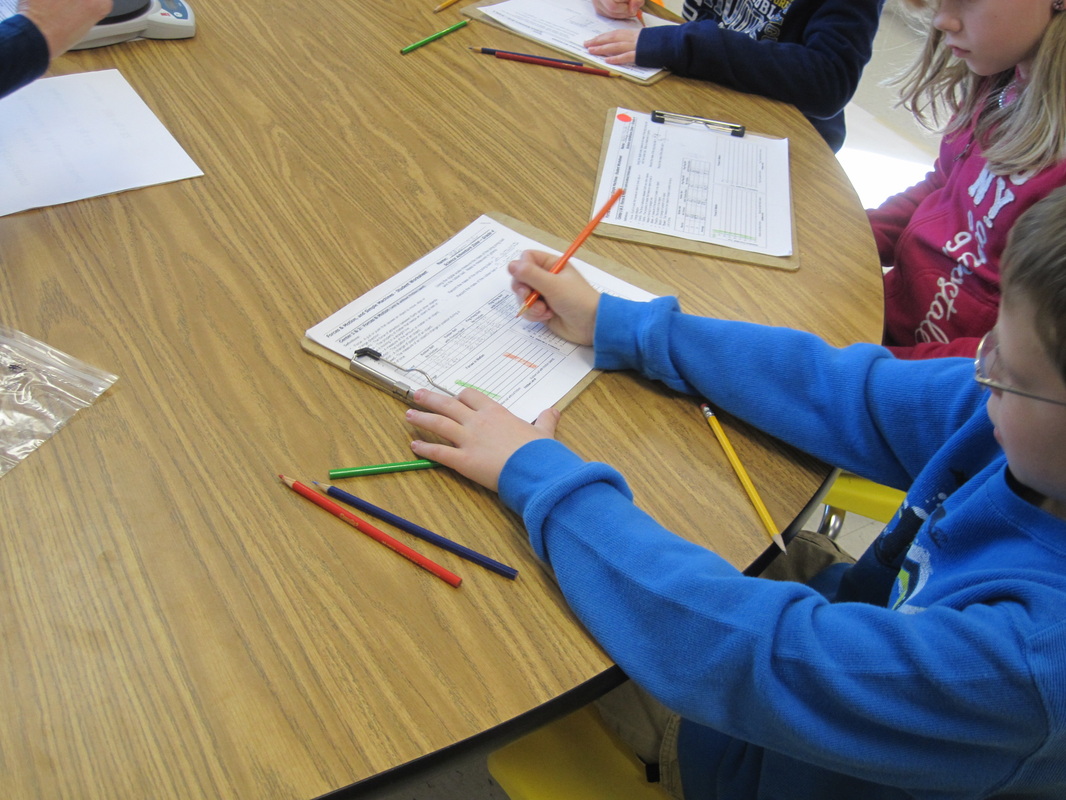
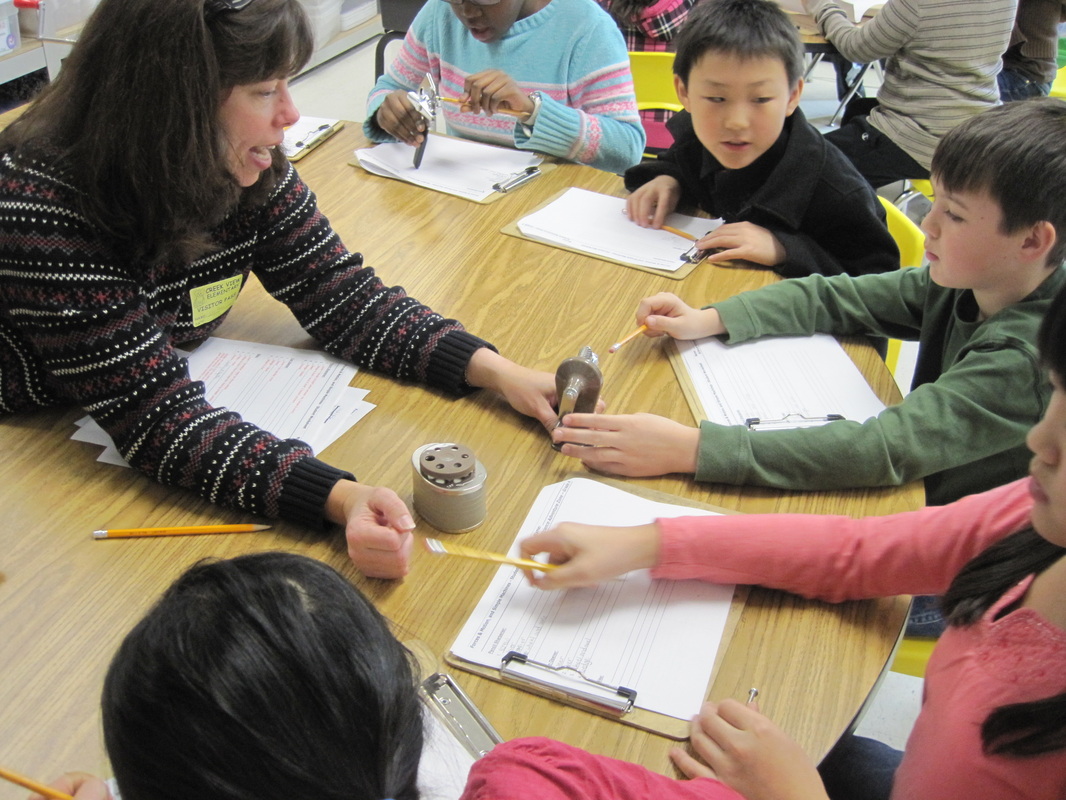
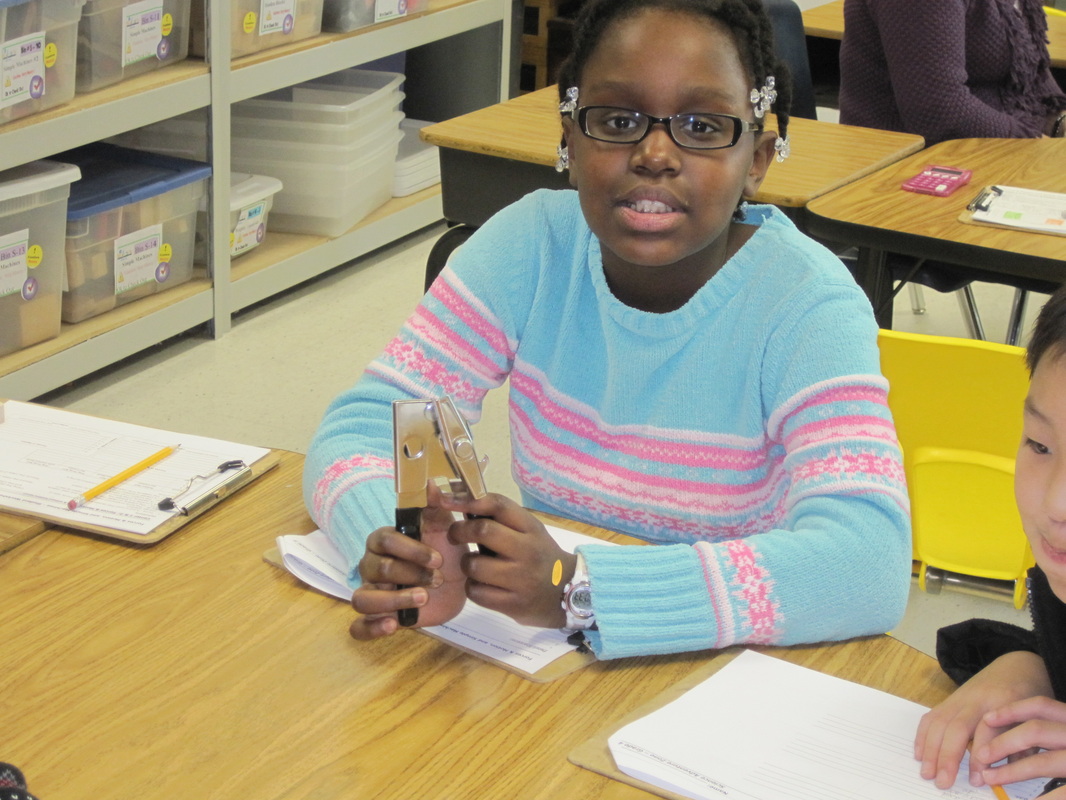
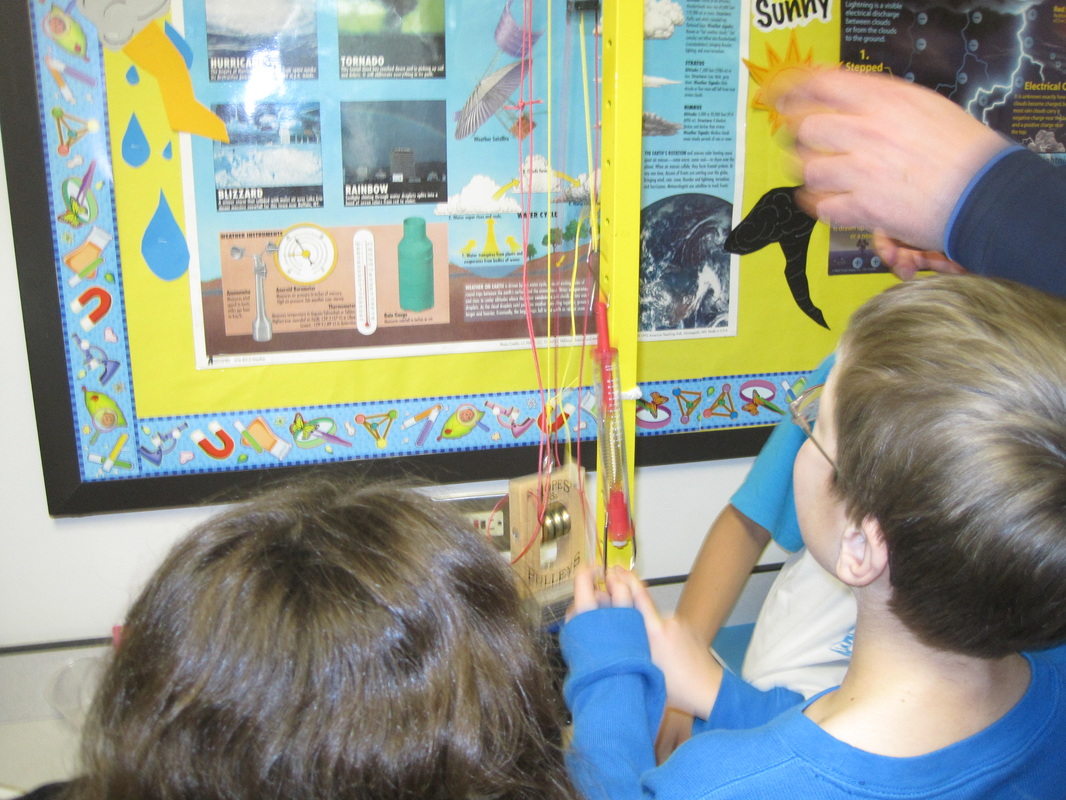
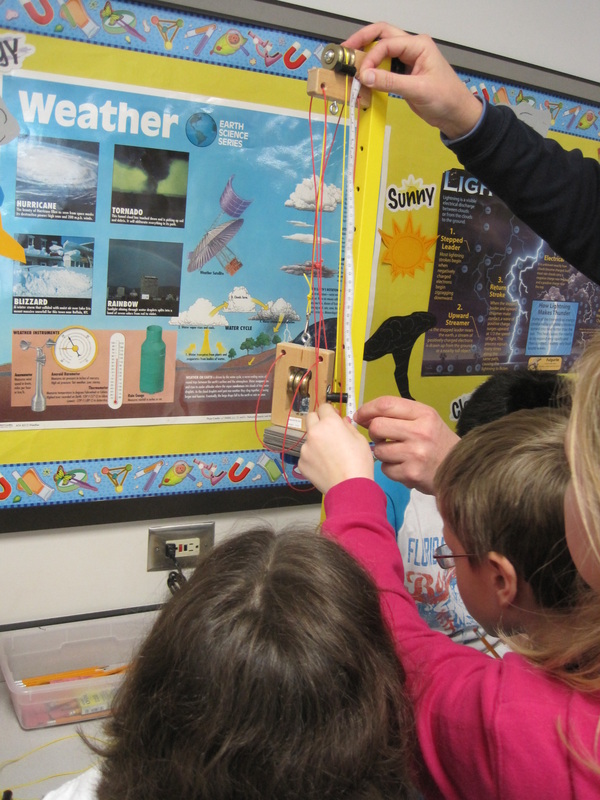
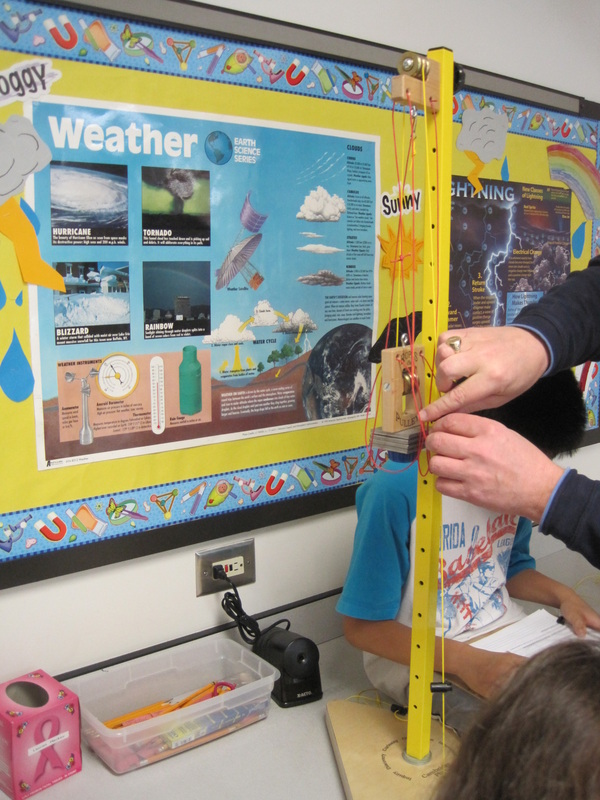
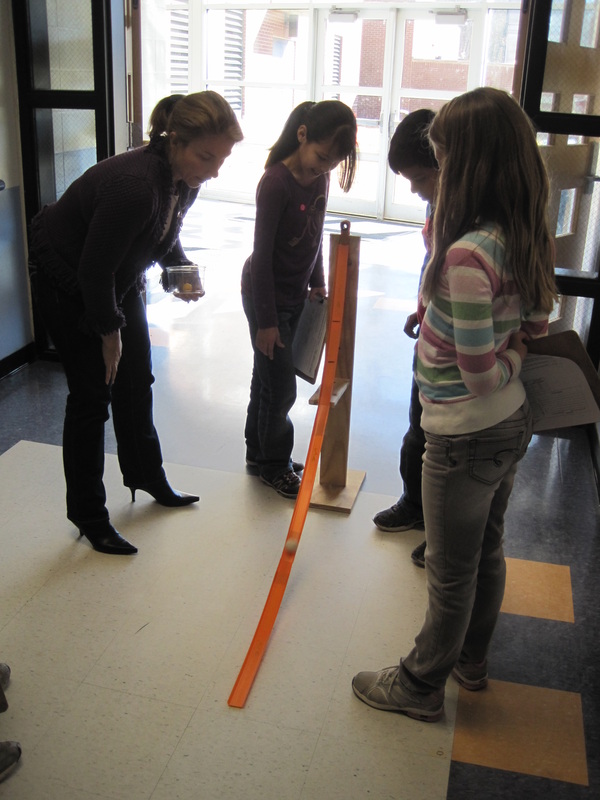
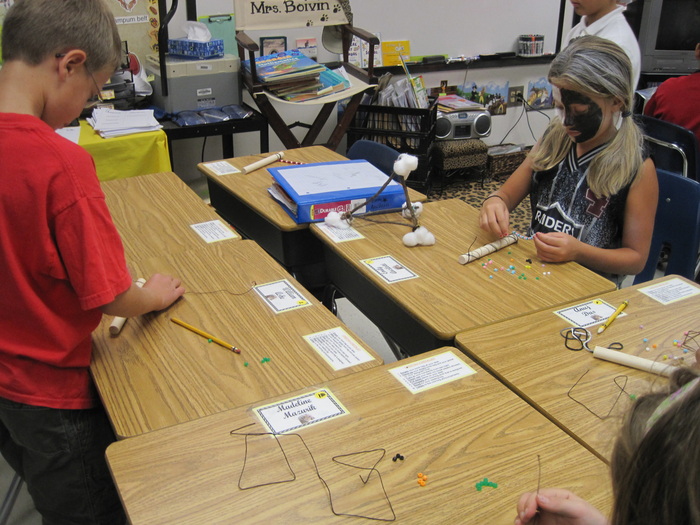
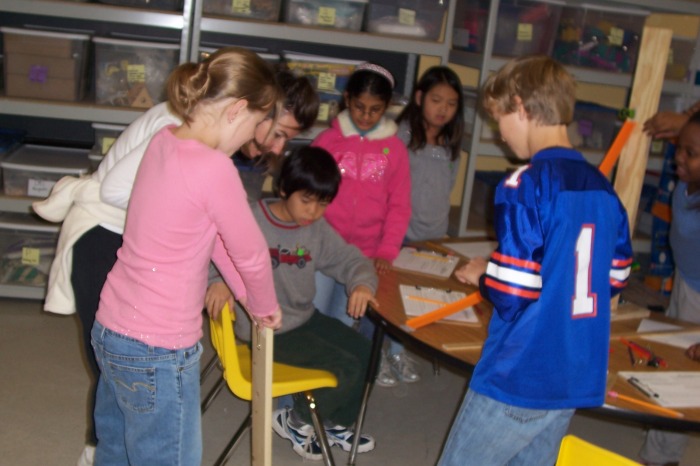
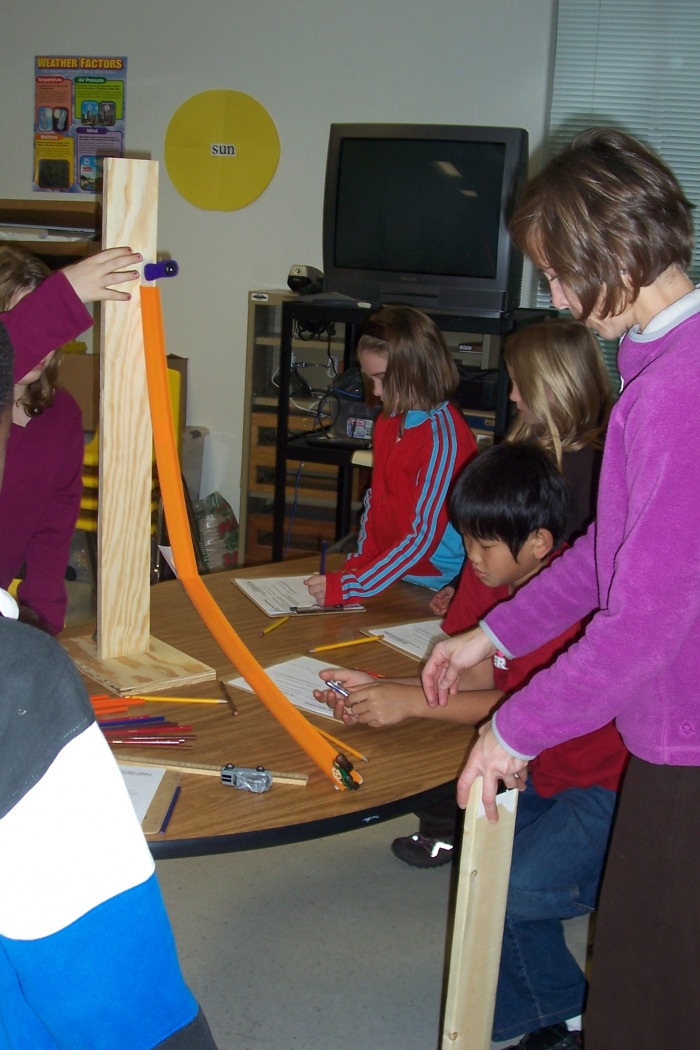
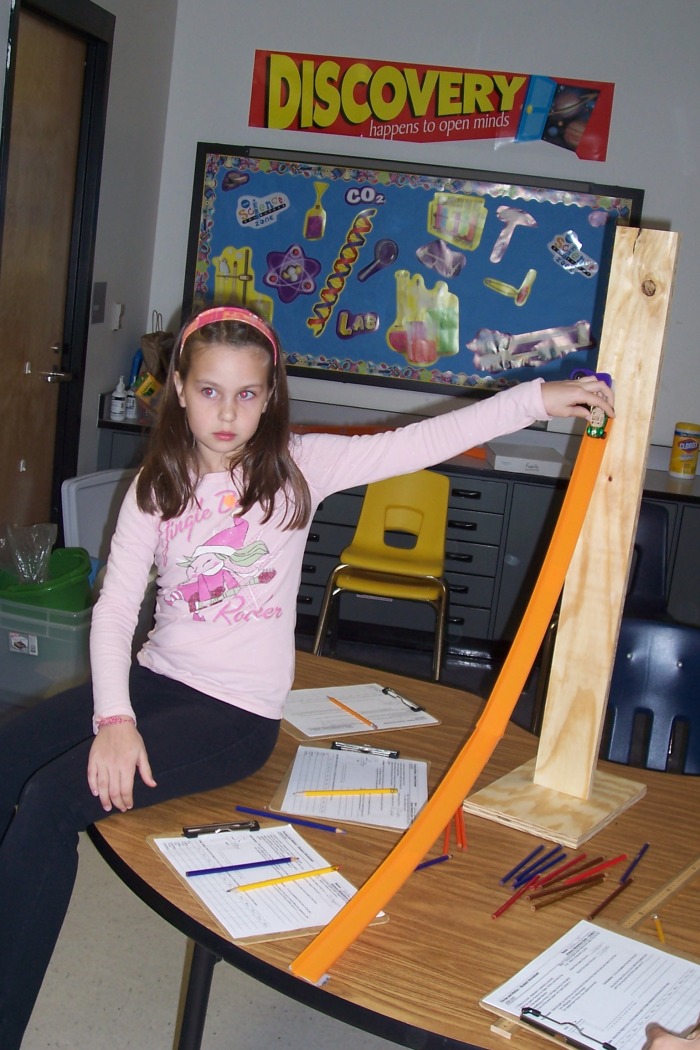
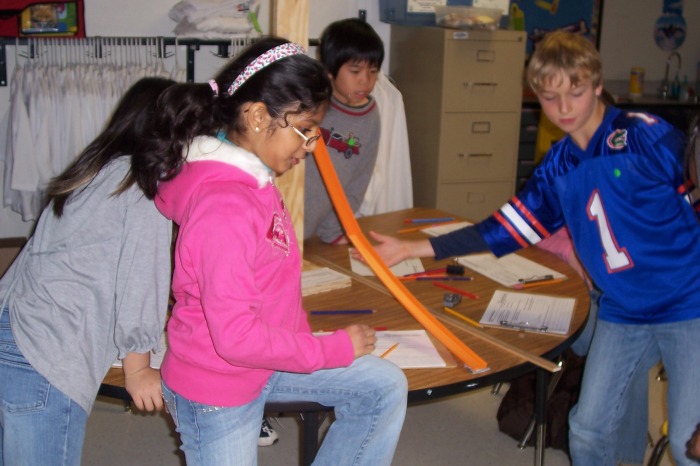
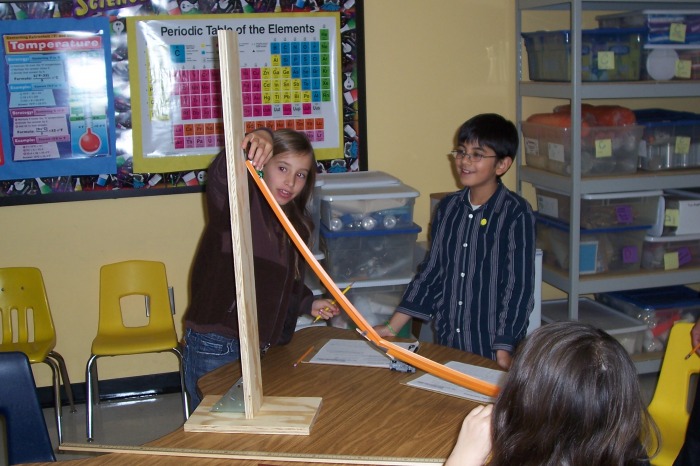
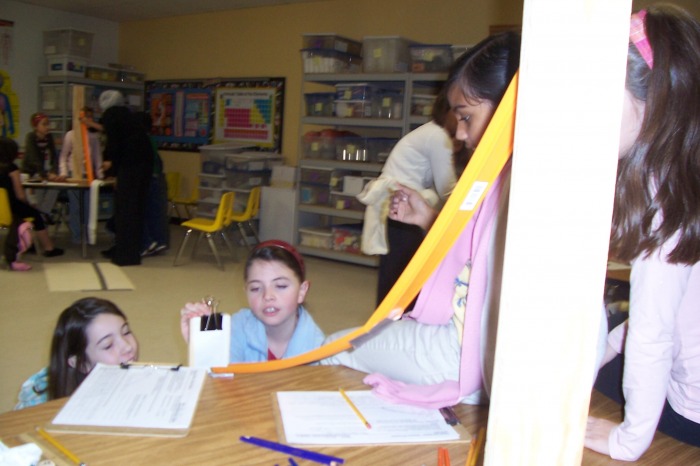
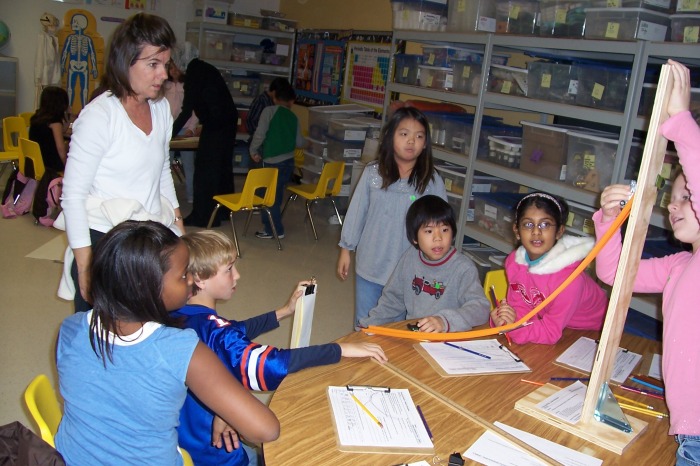
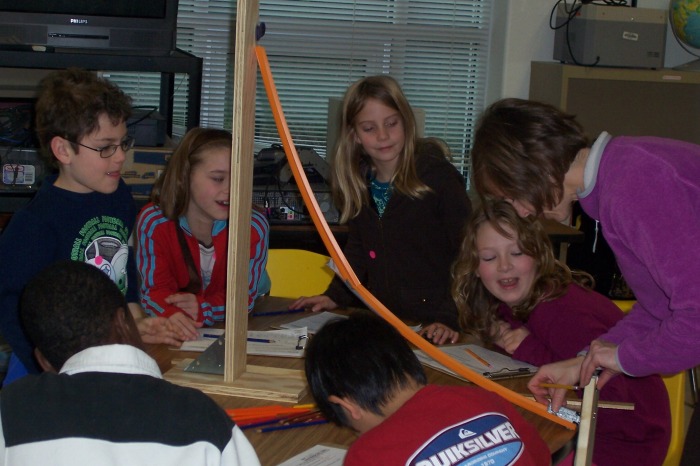
Forces & Motion, Simple Machines Science Lab
January 21, 2011
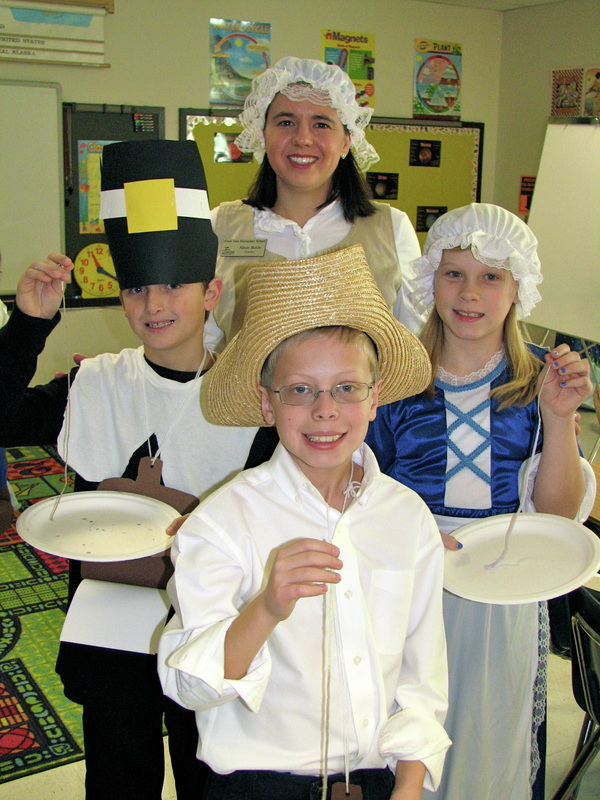
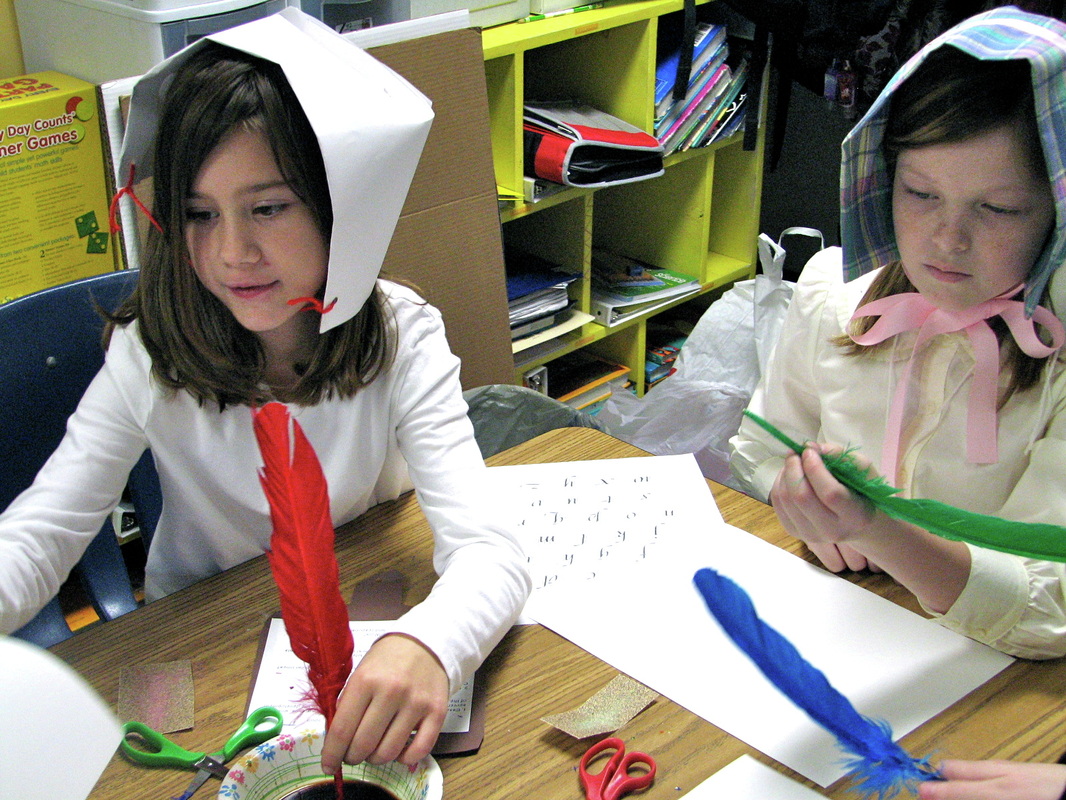
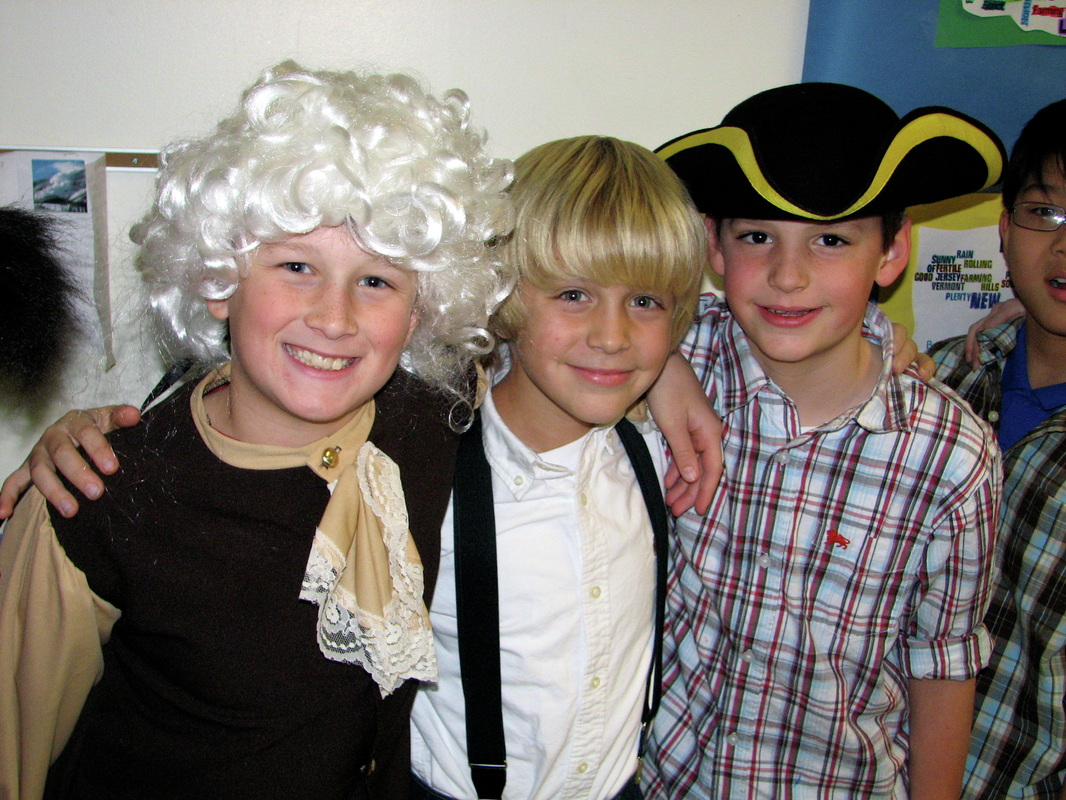
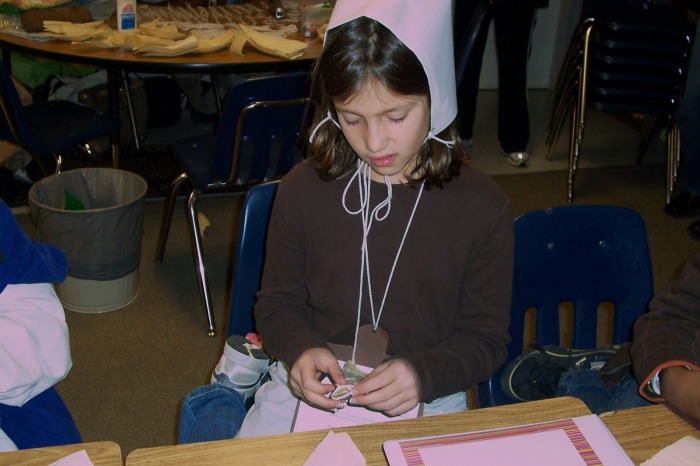
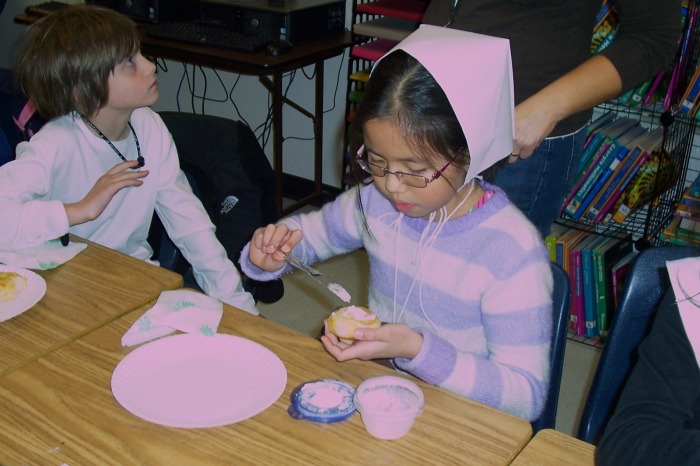
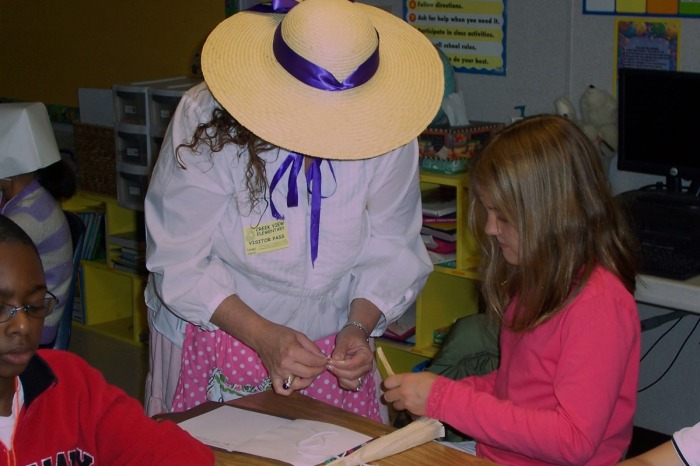
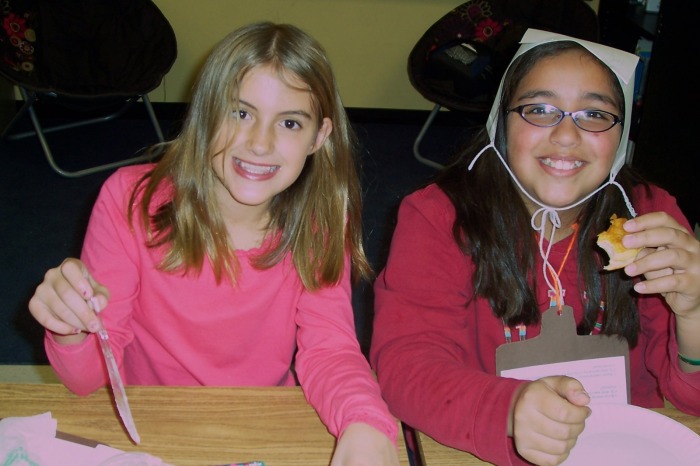
Colonial Day December 17, 2010
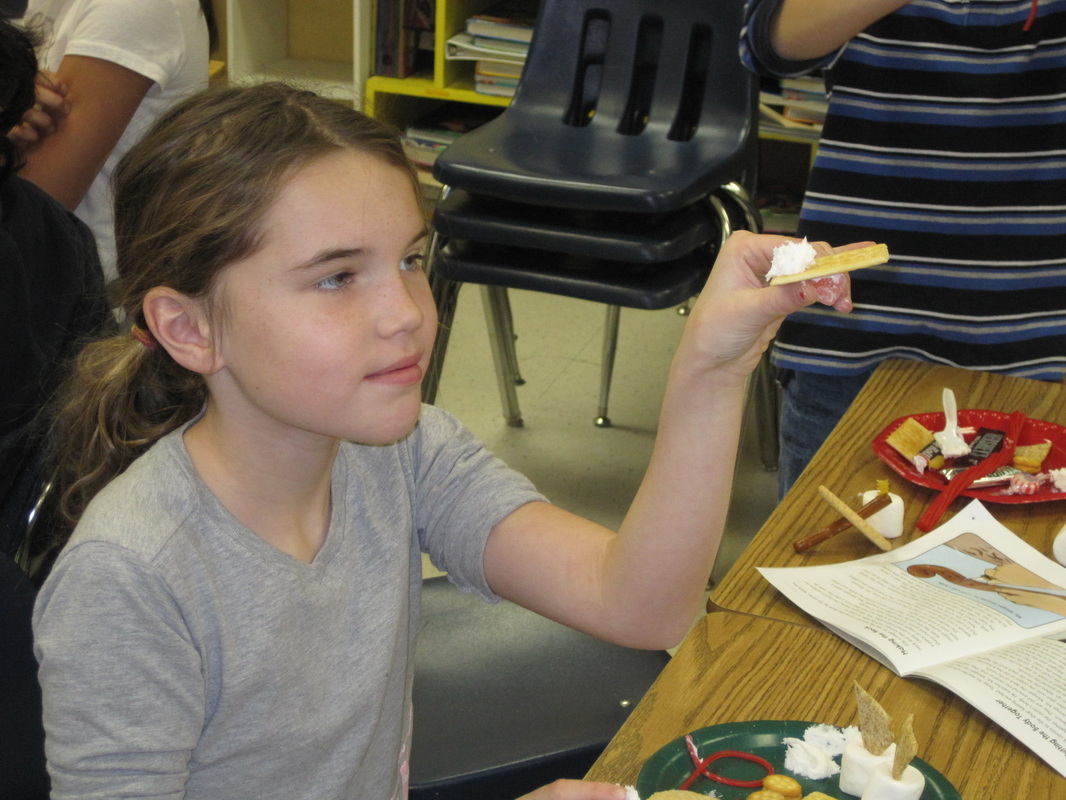
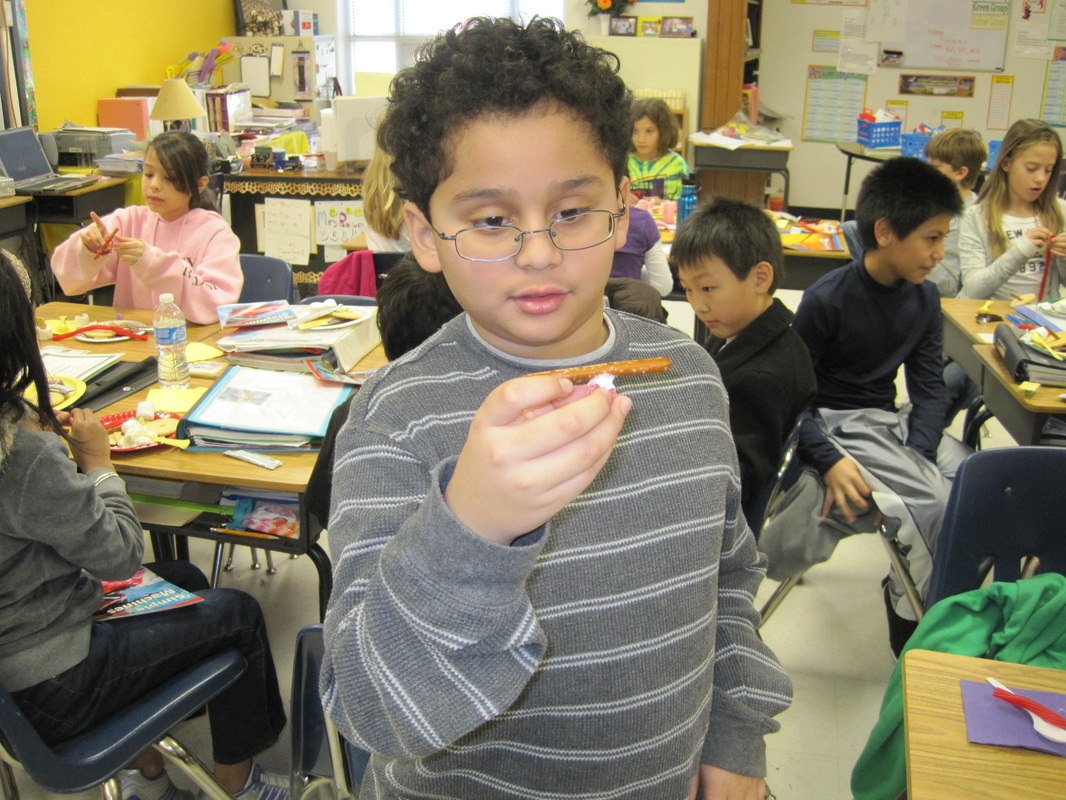
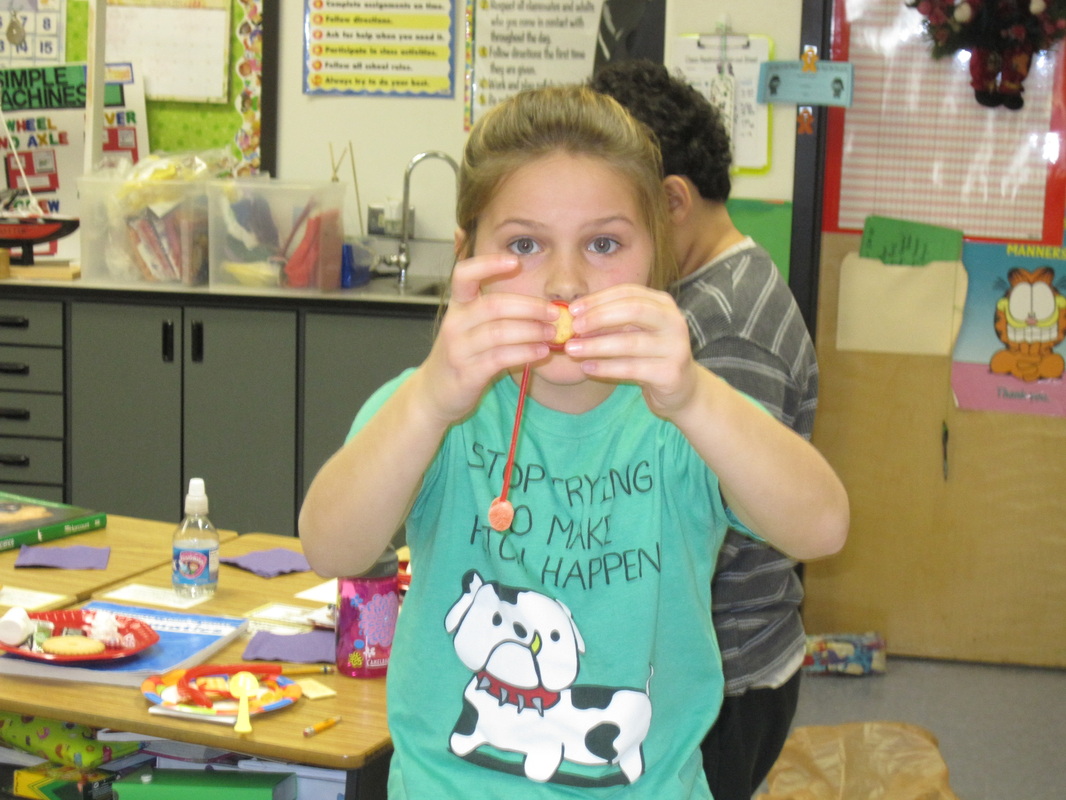
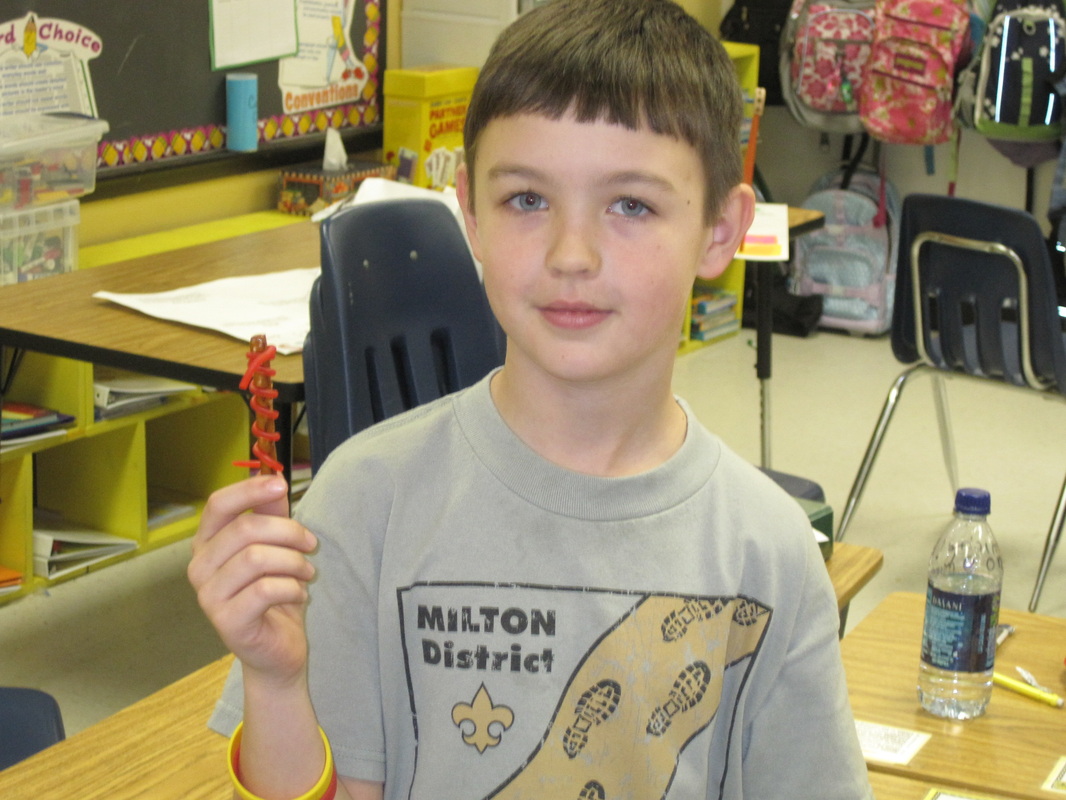
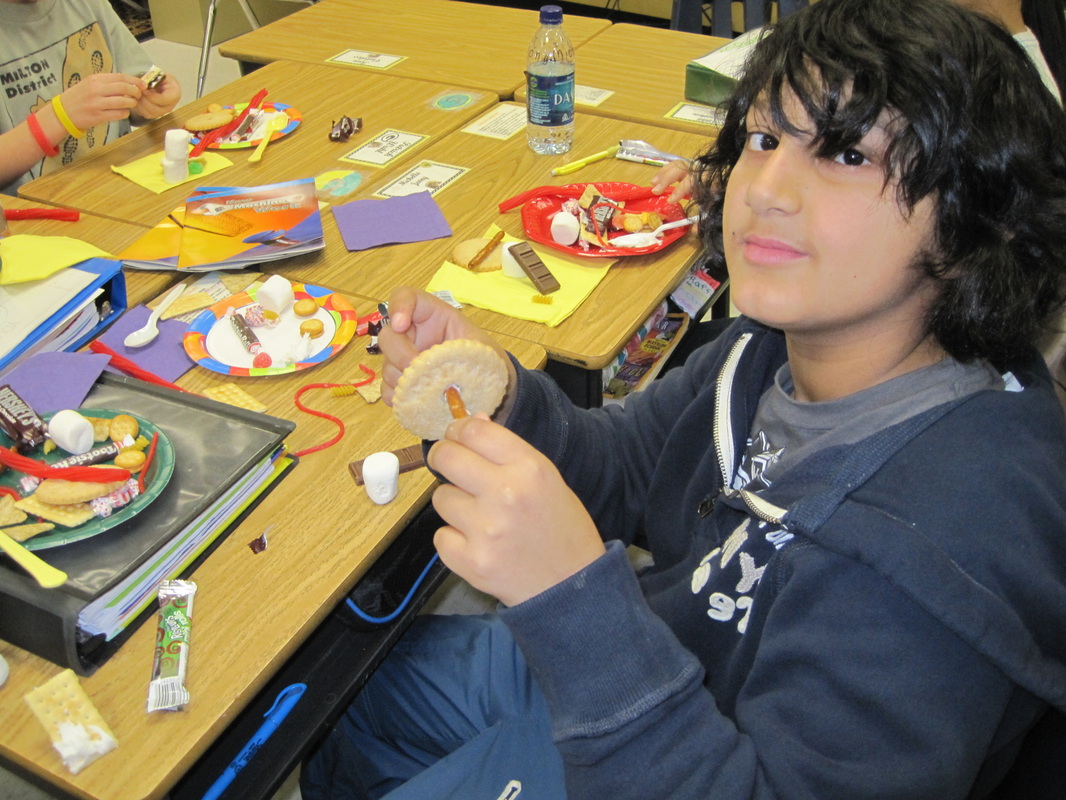
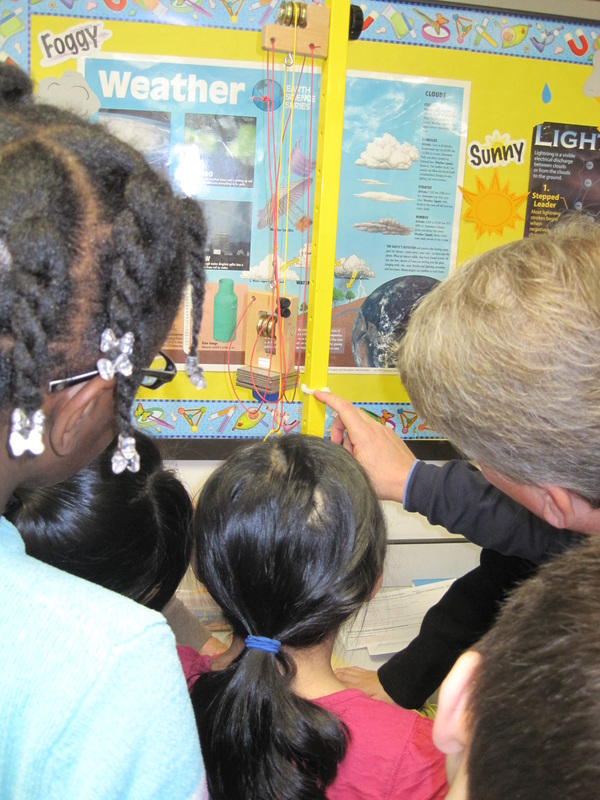
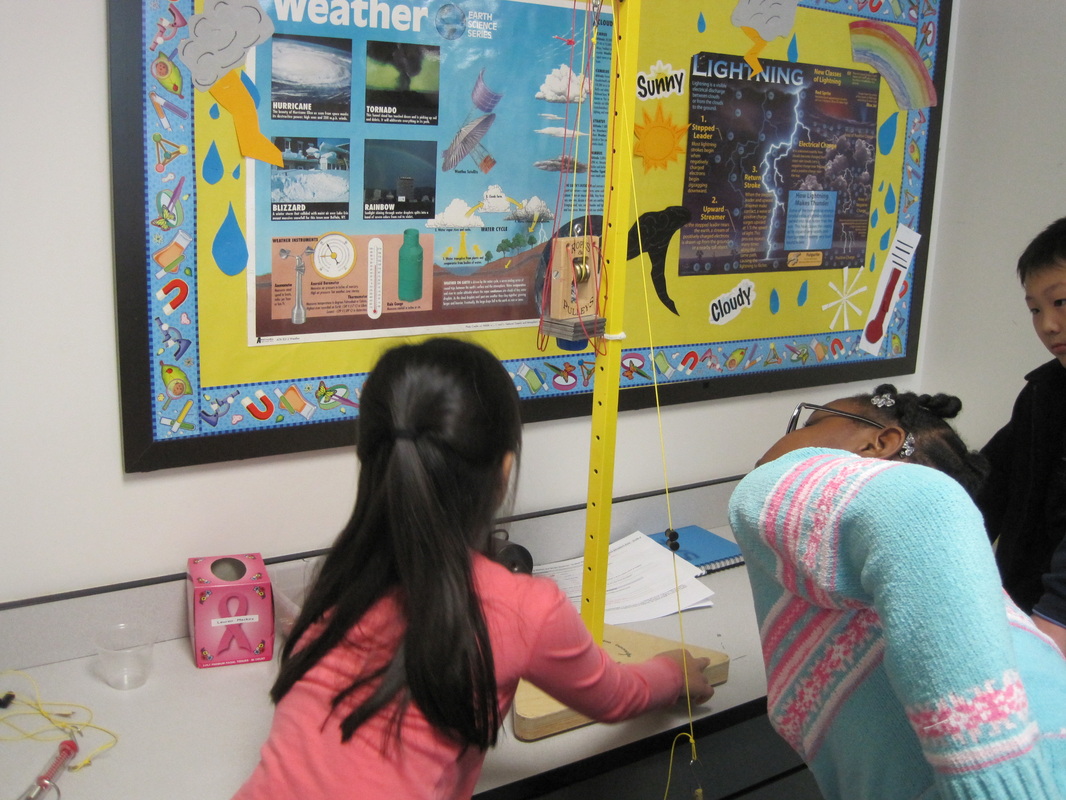
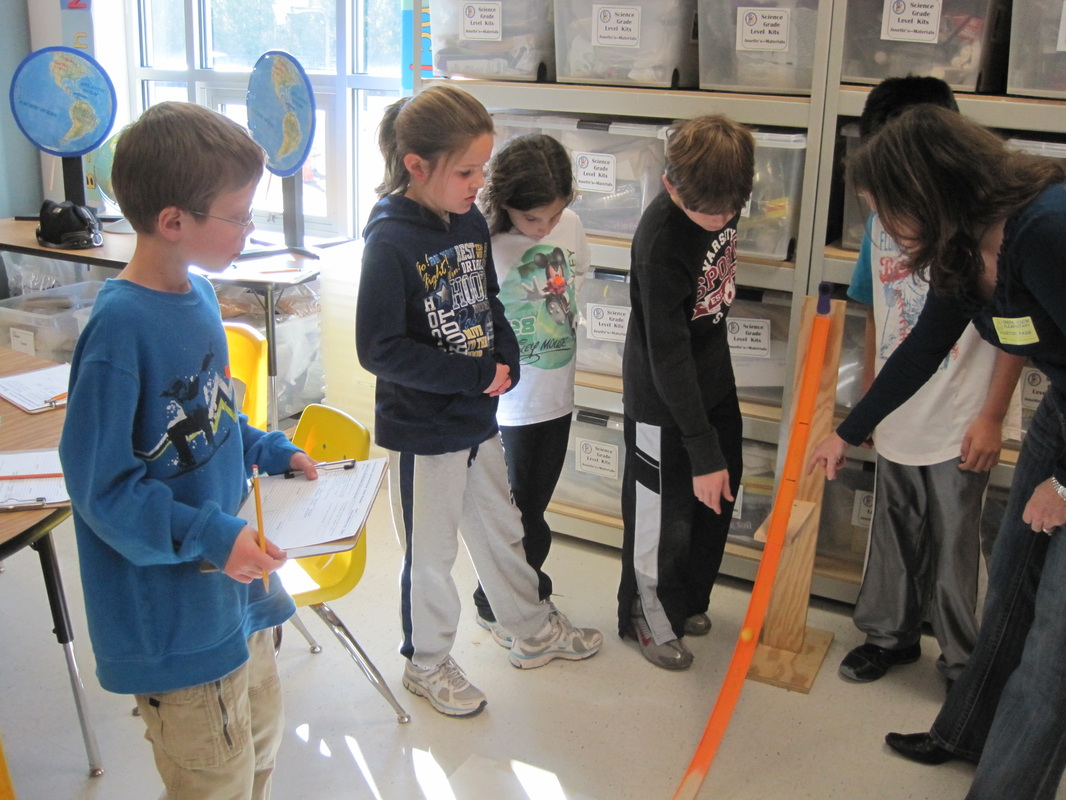
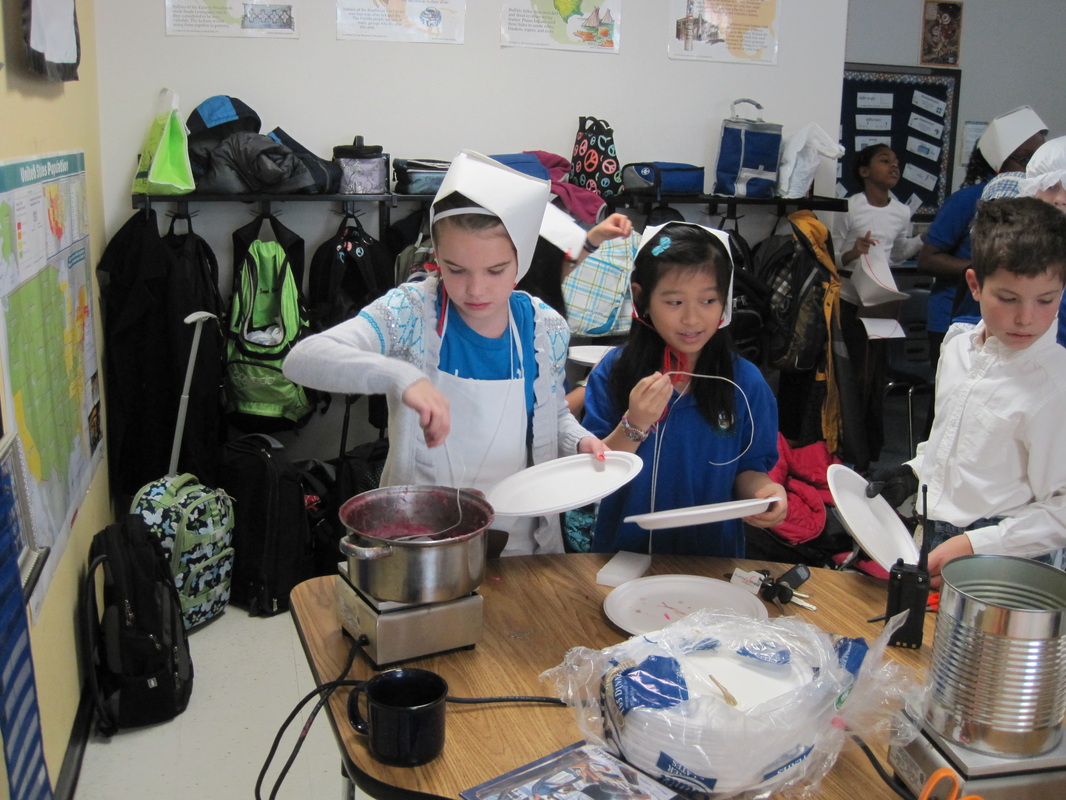
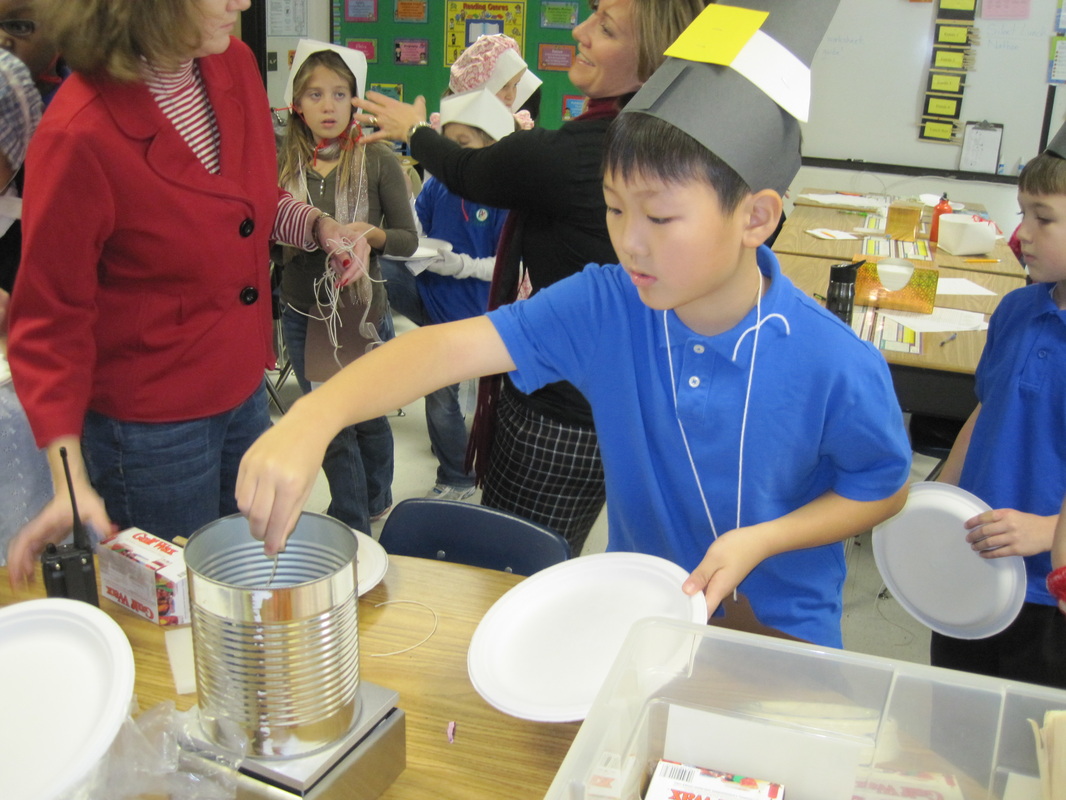
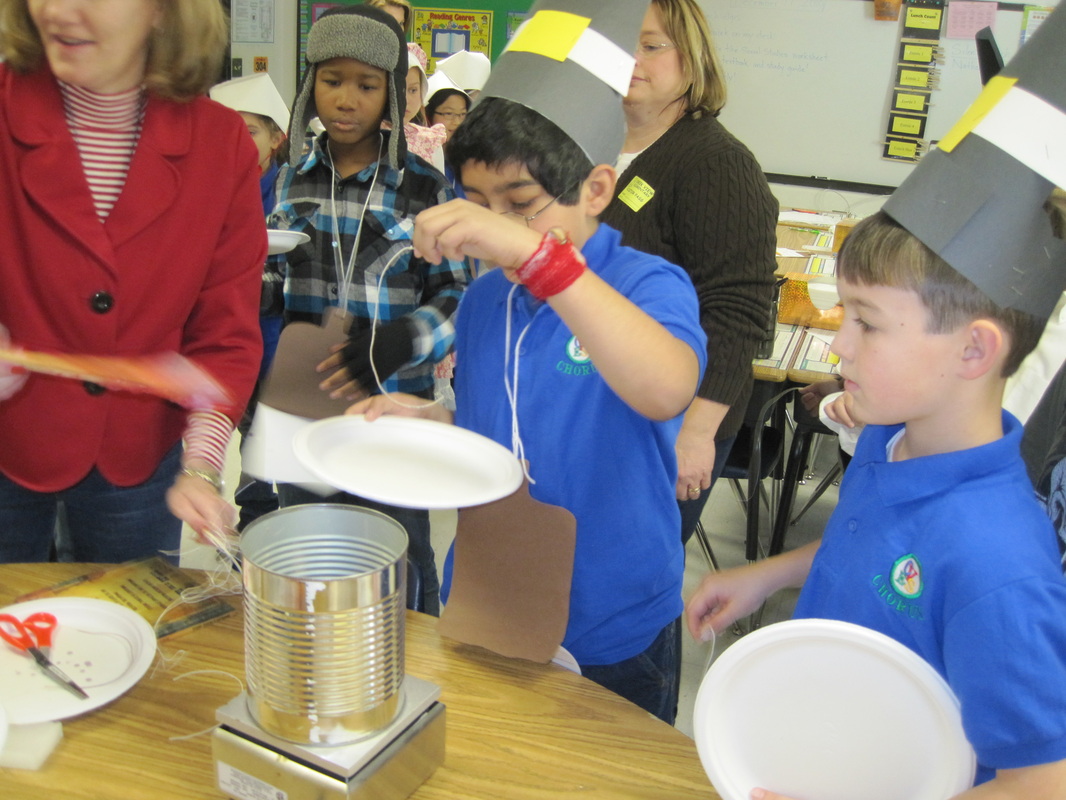
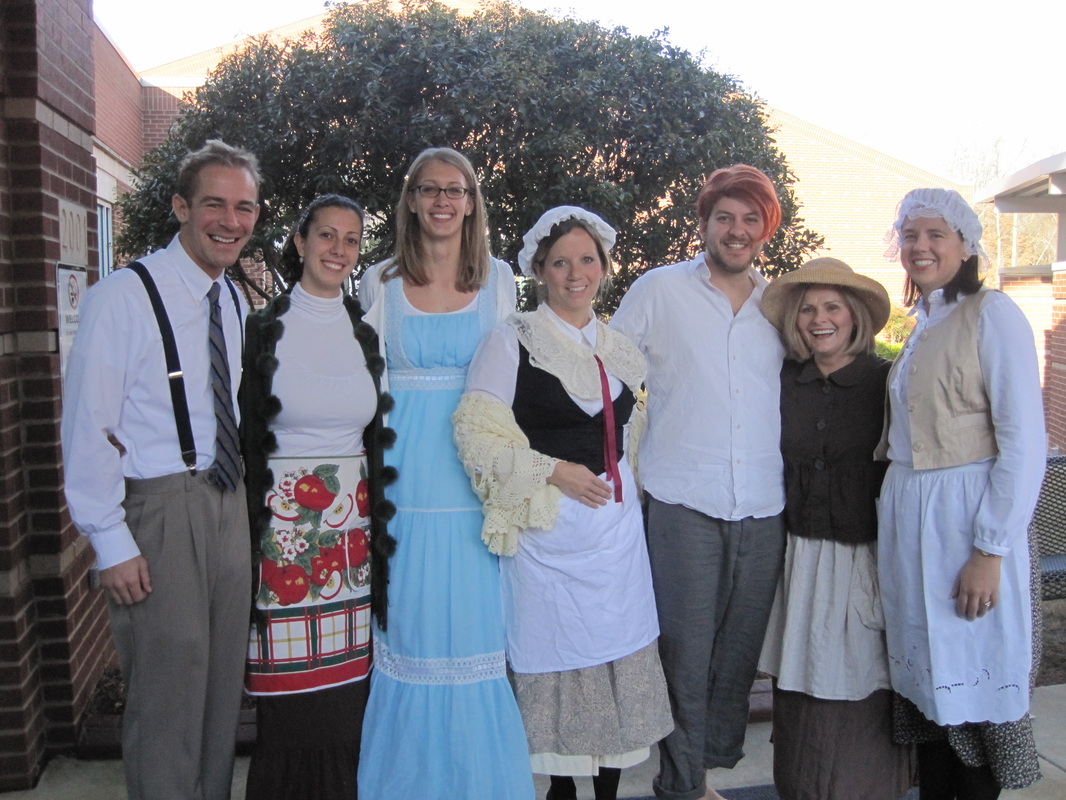
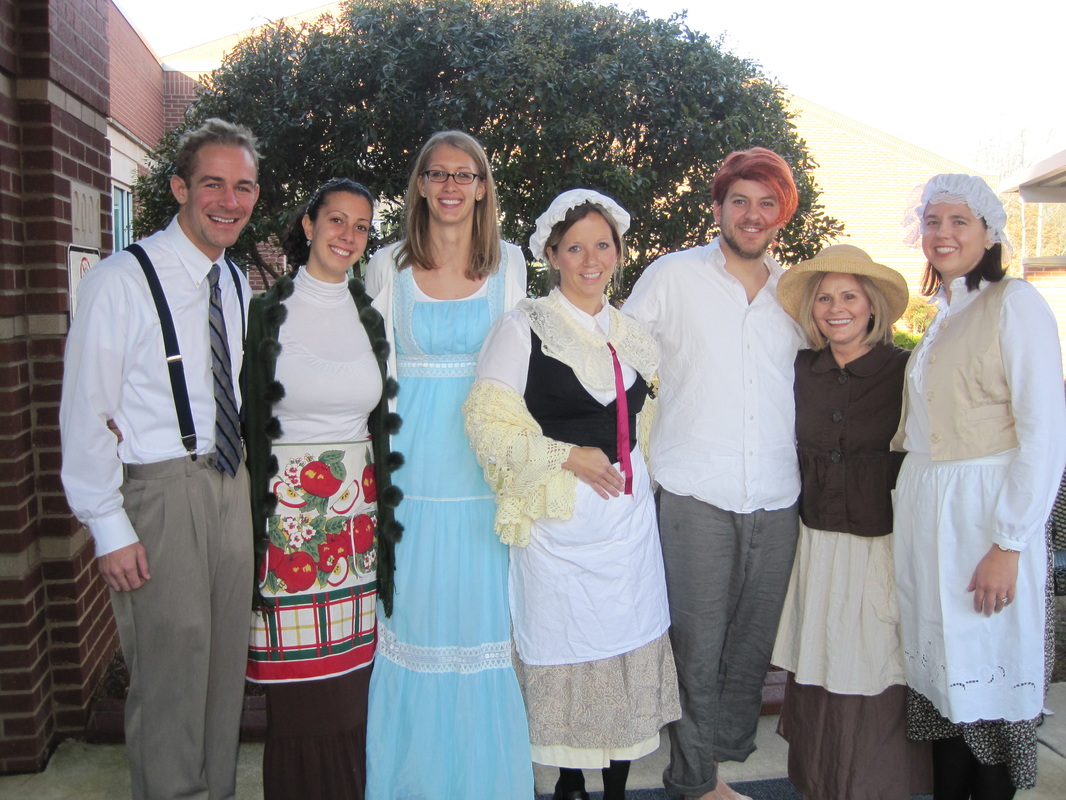
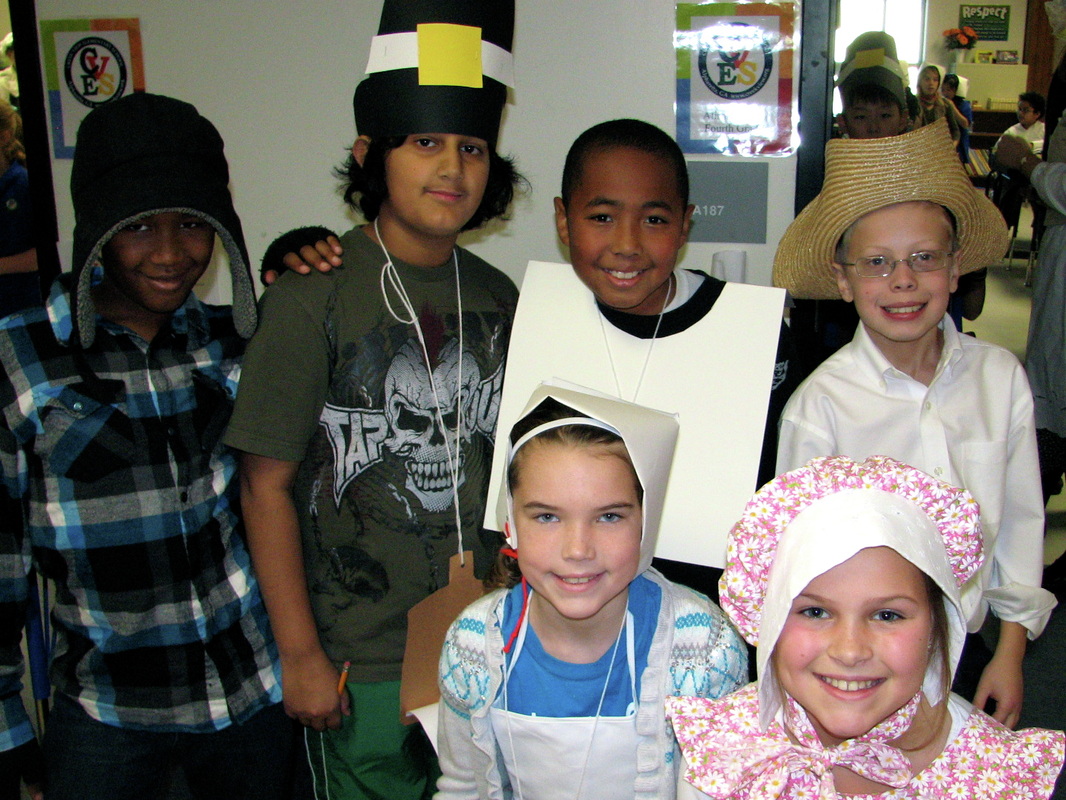
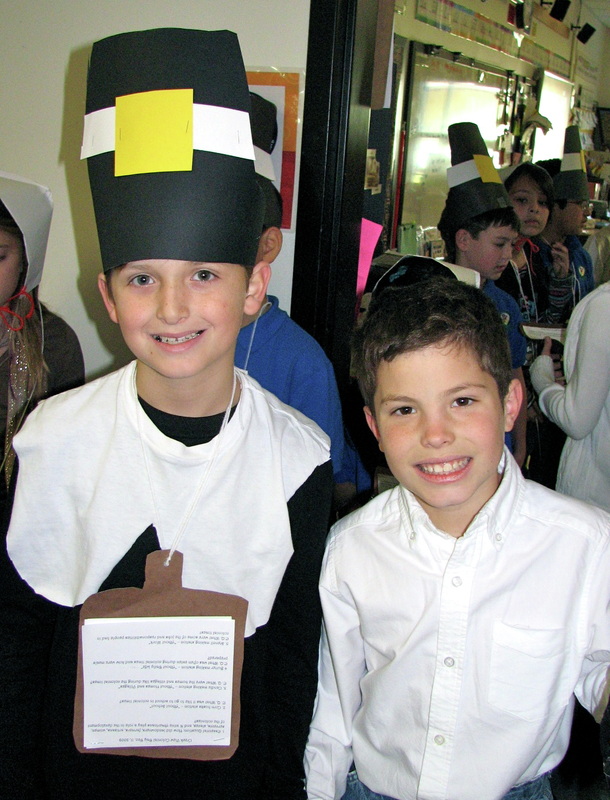
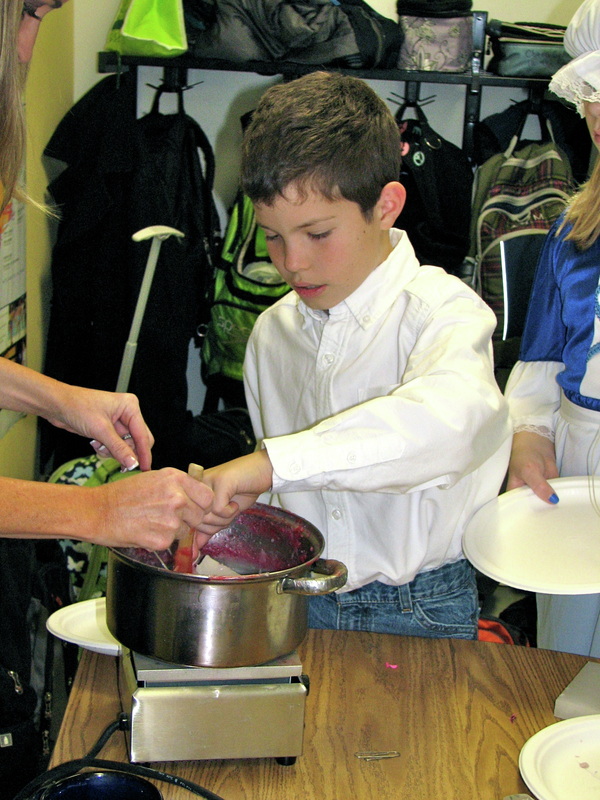
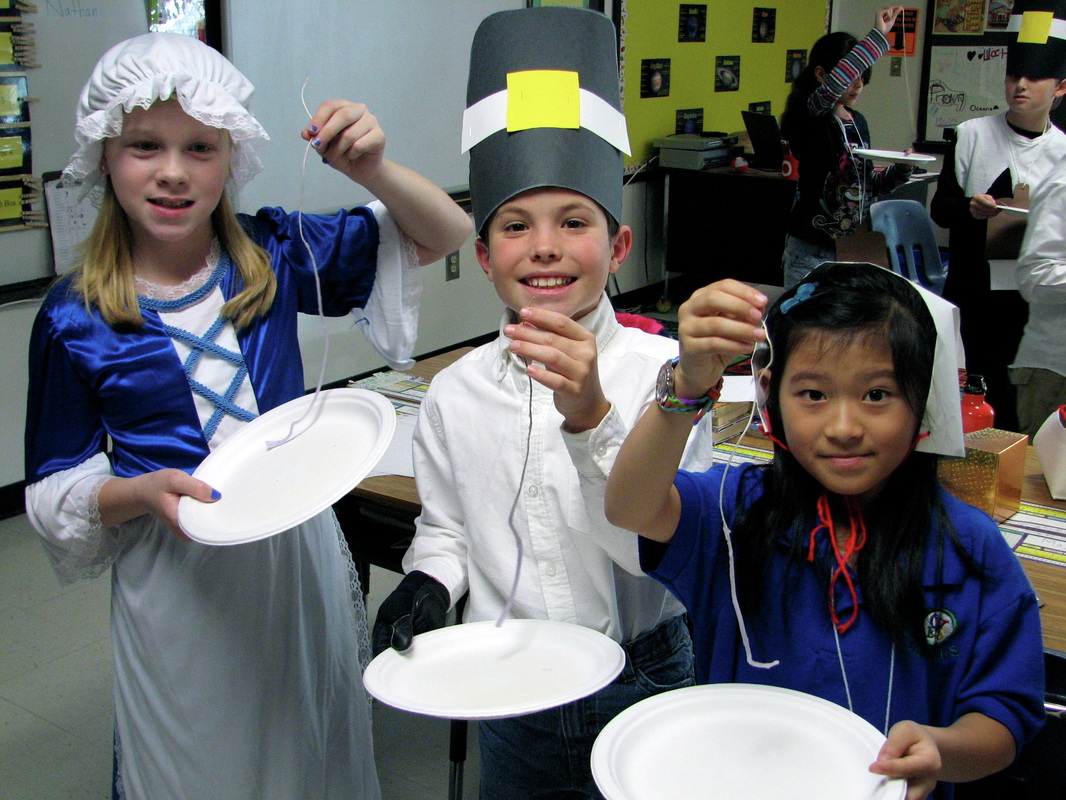
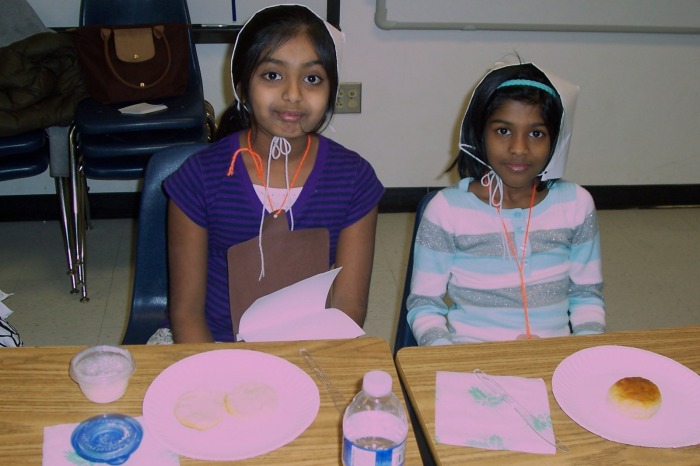
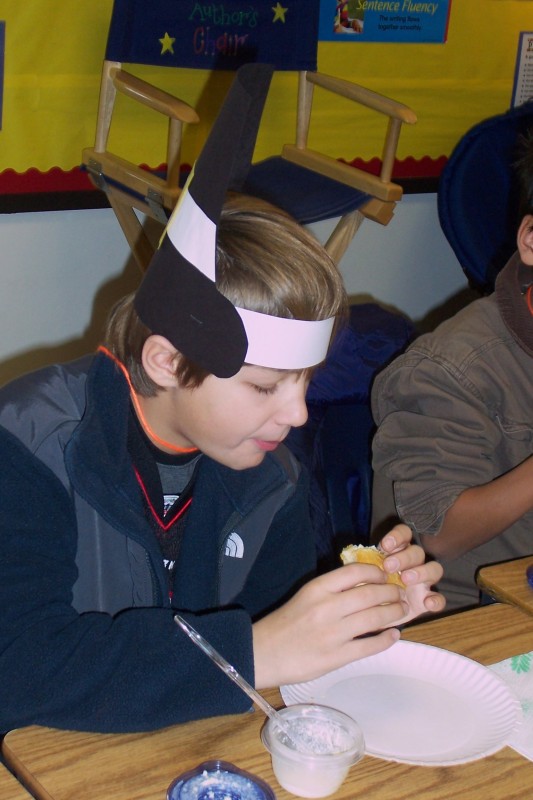
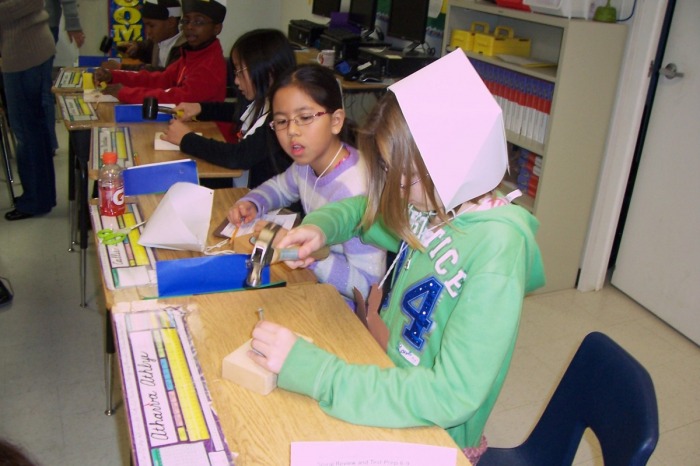
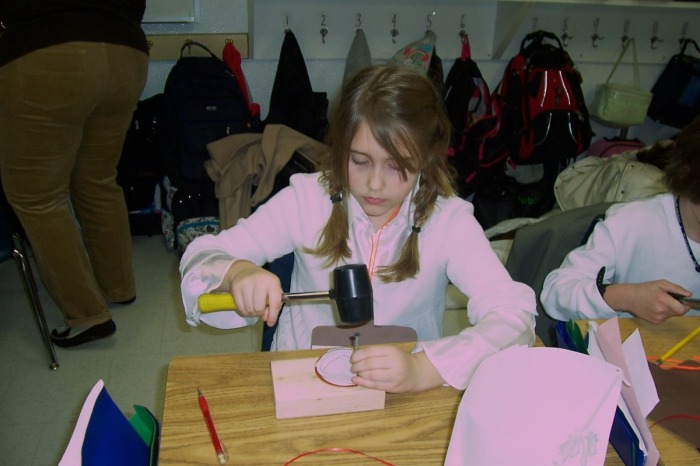
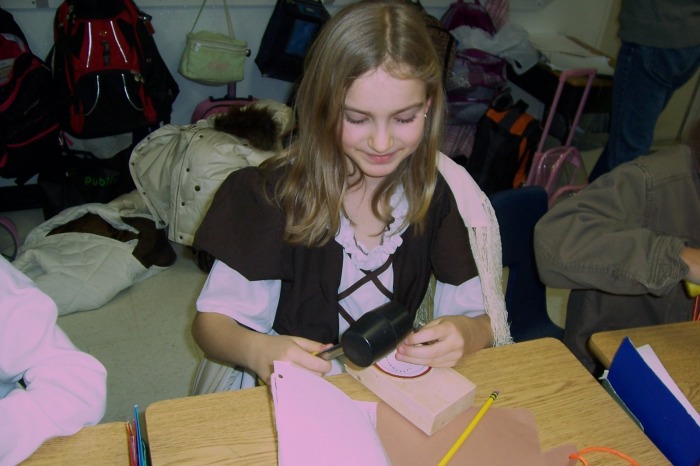
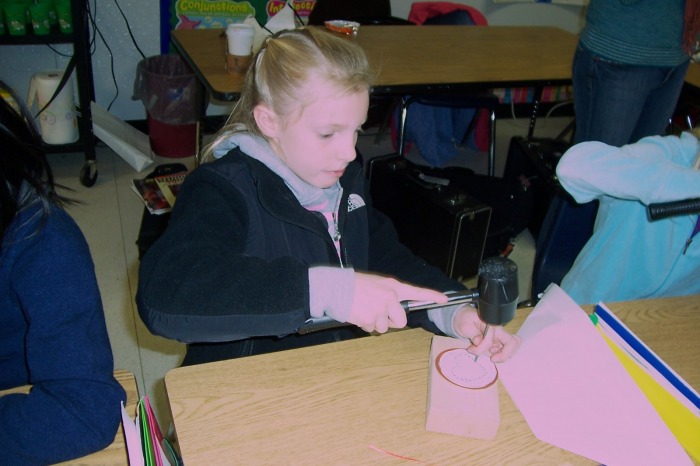
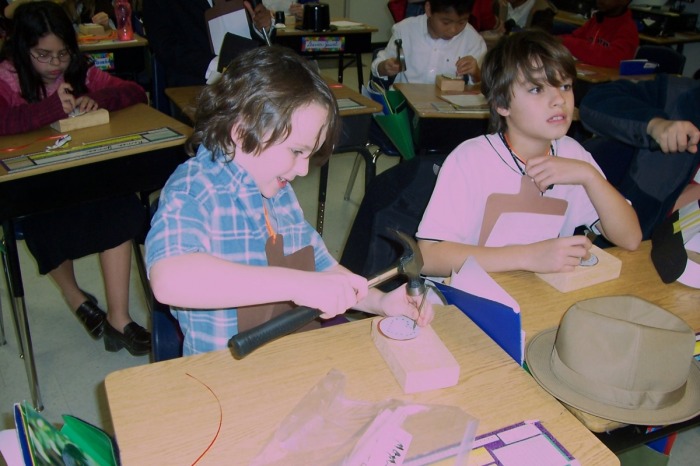
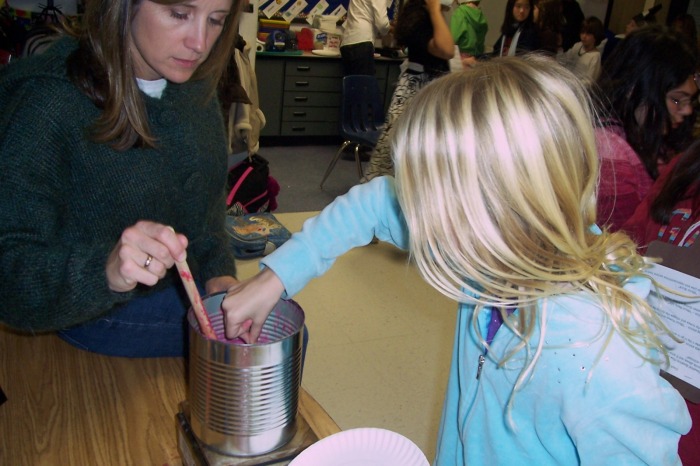
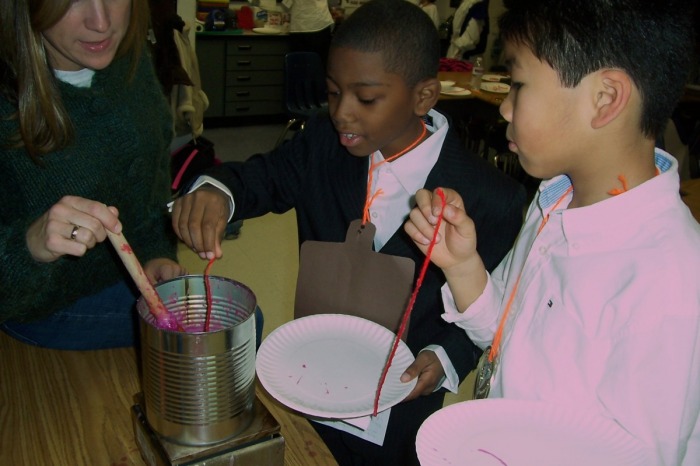
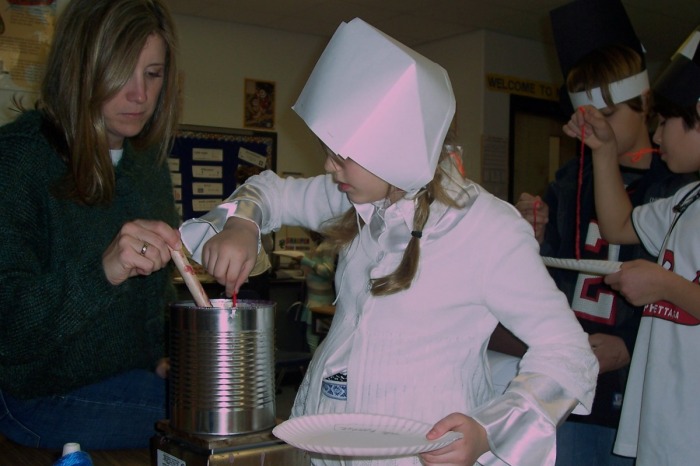
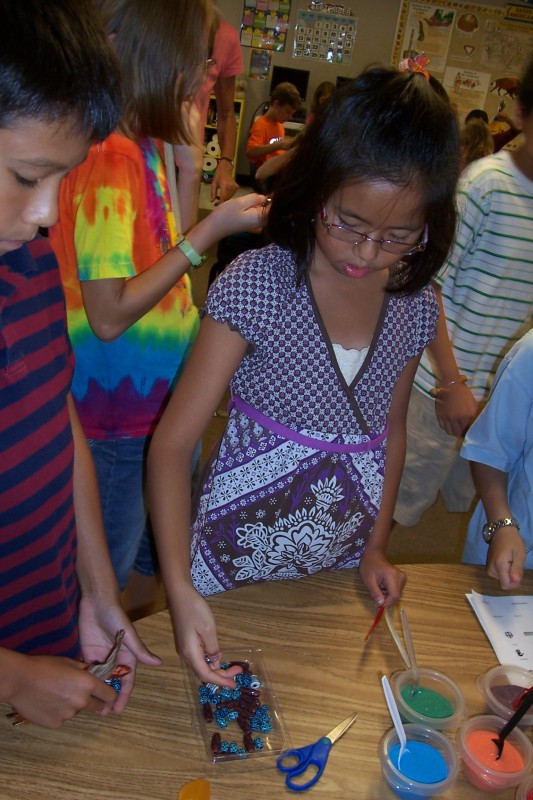
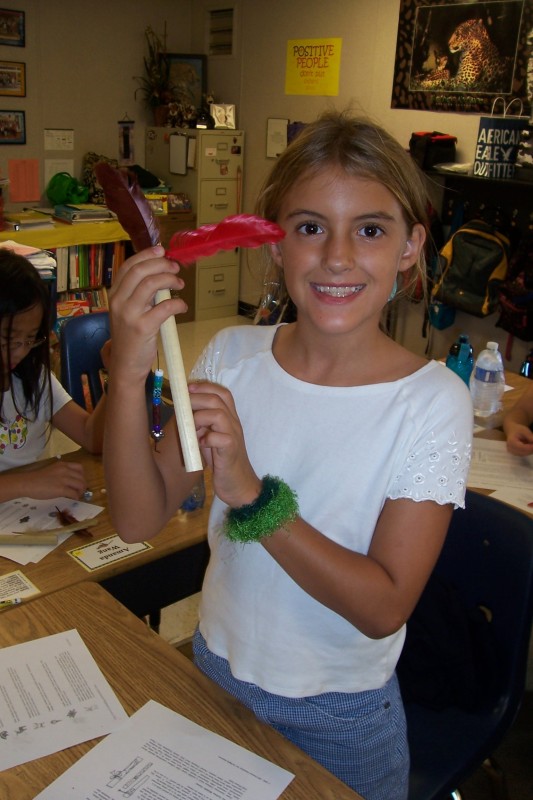
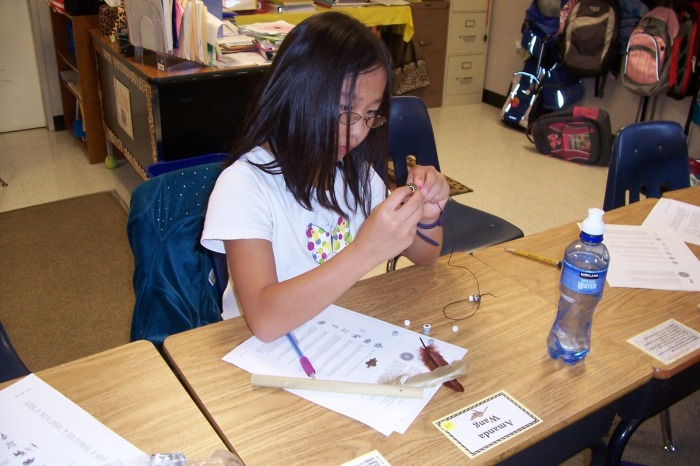
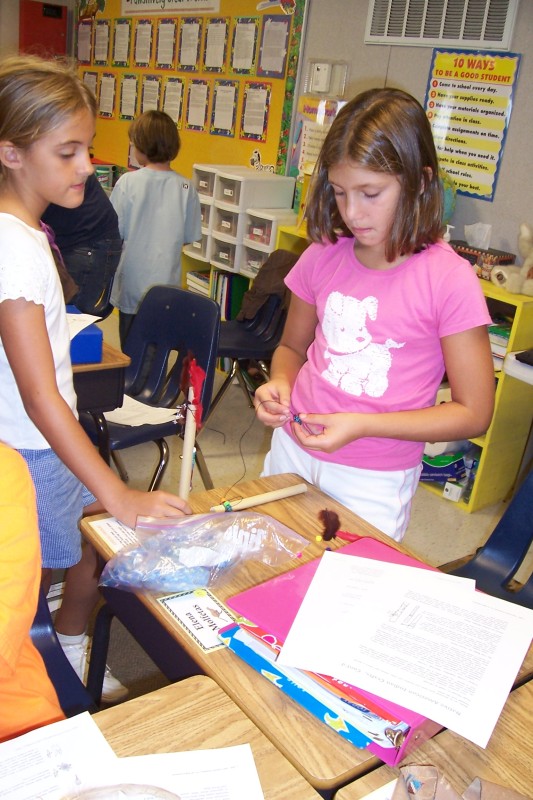
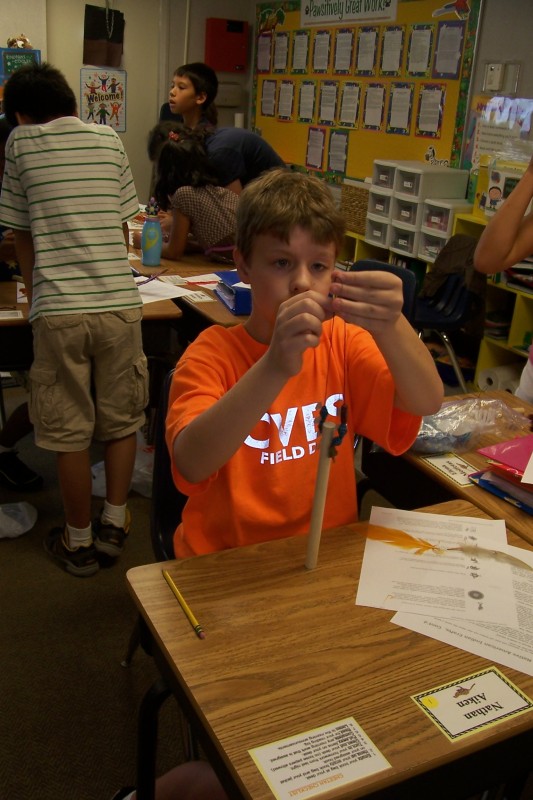
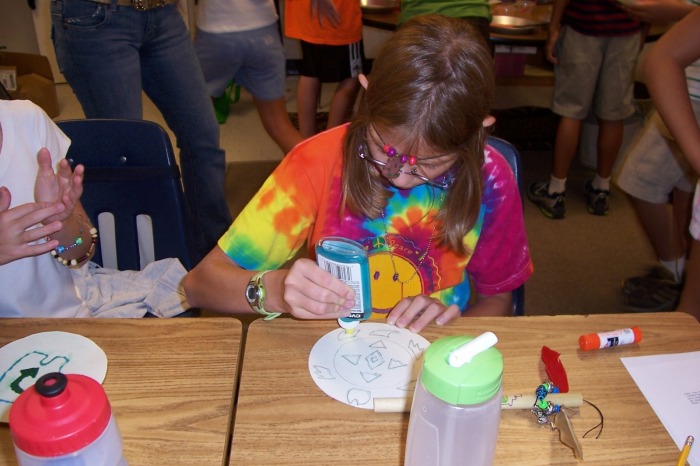
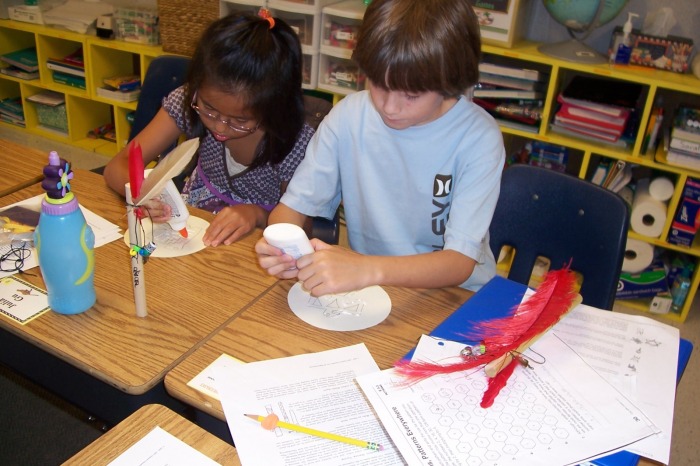
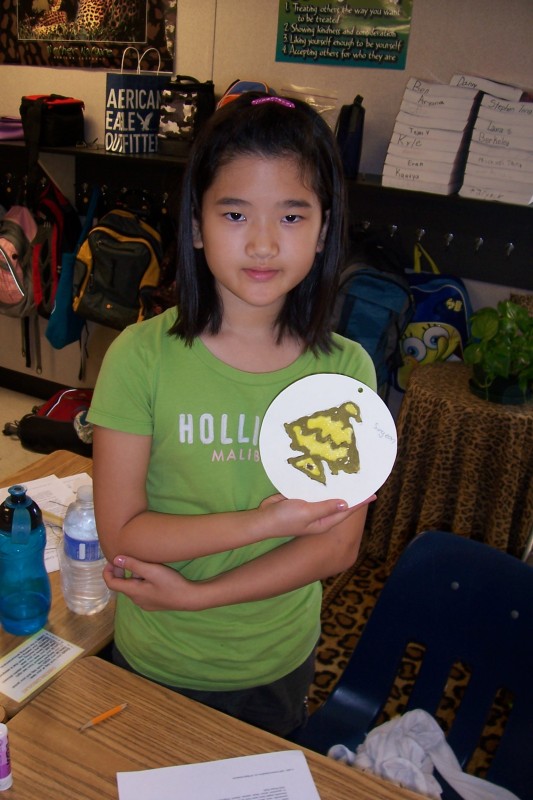
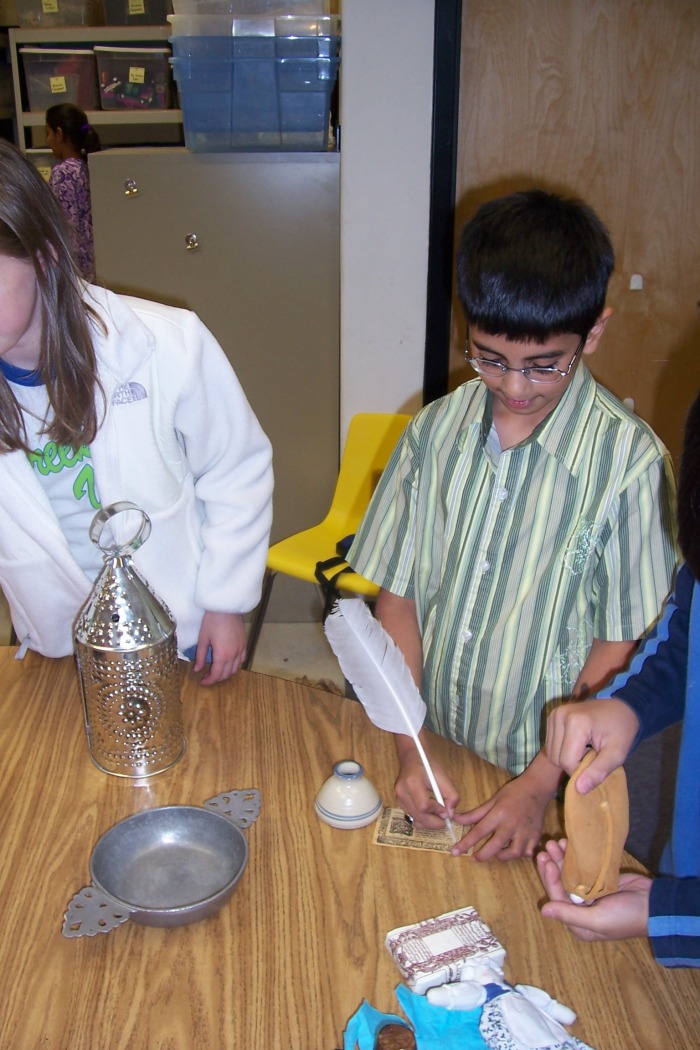
The children had so much fun today learning about Colonial America in a hands-on way. We traveled from one room to the next, creating works of art to emphasize what life was like in the 13 colonies in the 1700s. In Mr. Chesher's room we made candles with hot wax and string, in Mrs. Fox's room we made butter and spread it on biscuits (delicious!), in Mrs. Boivin's room we stenciled with feathers & coffee grounds, and played the game of Jacks, and in Ms. Curry's room we hammered ornaments from fruit jar lids. The event lasted 2 hours and the students learned a lot, as volunteers shared with the children a bit of history in each classroom about life in the colonies. The event was extremely successful and enjoyable for all!
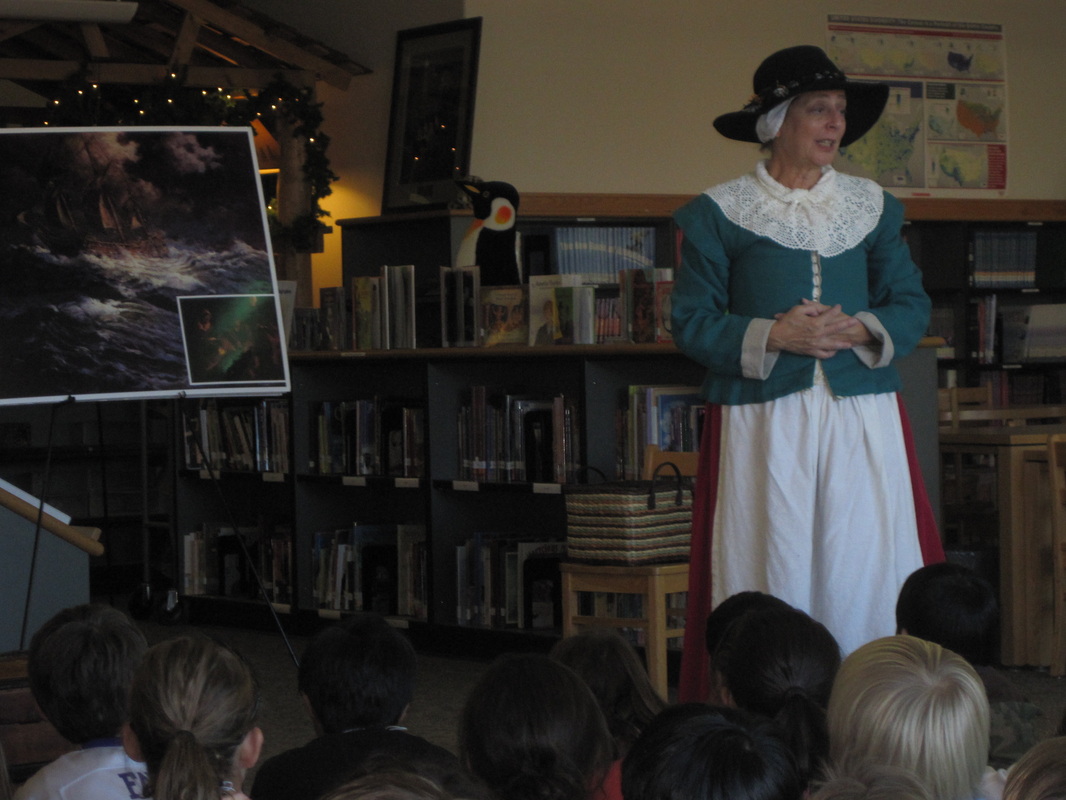
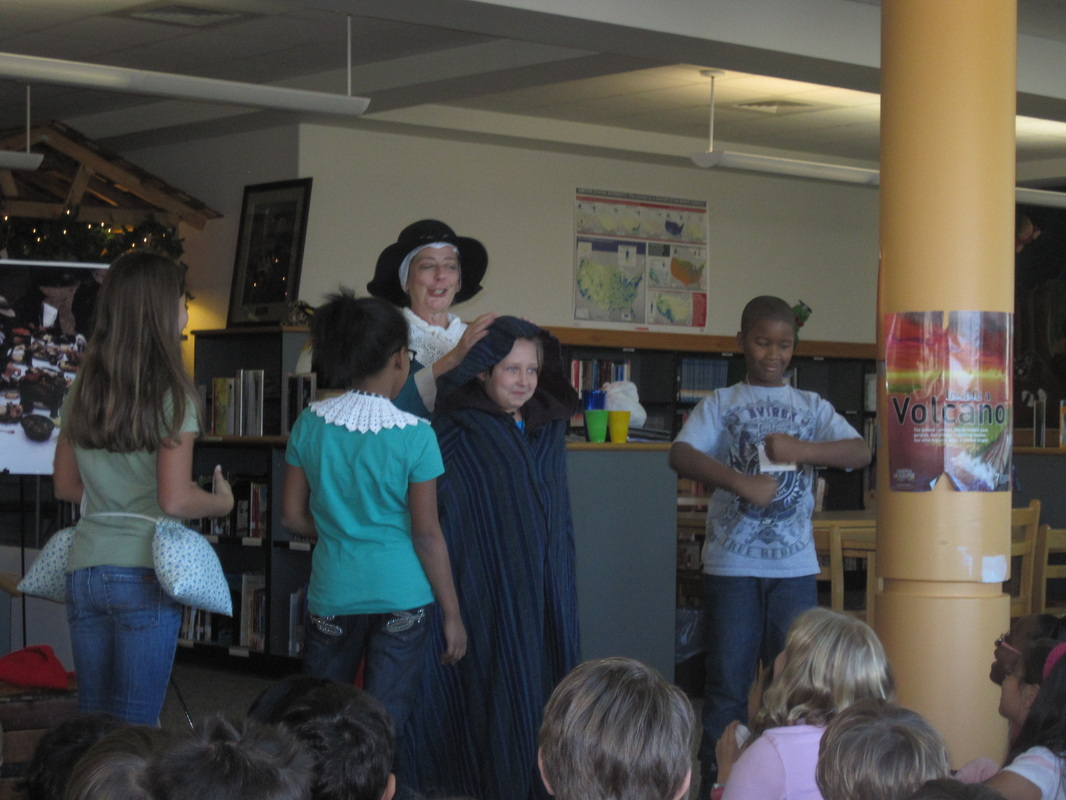
Pilgrim's Courage: A Visit from the Teaching Museum
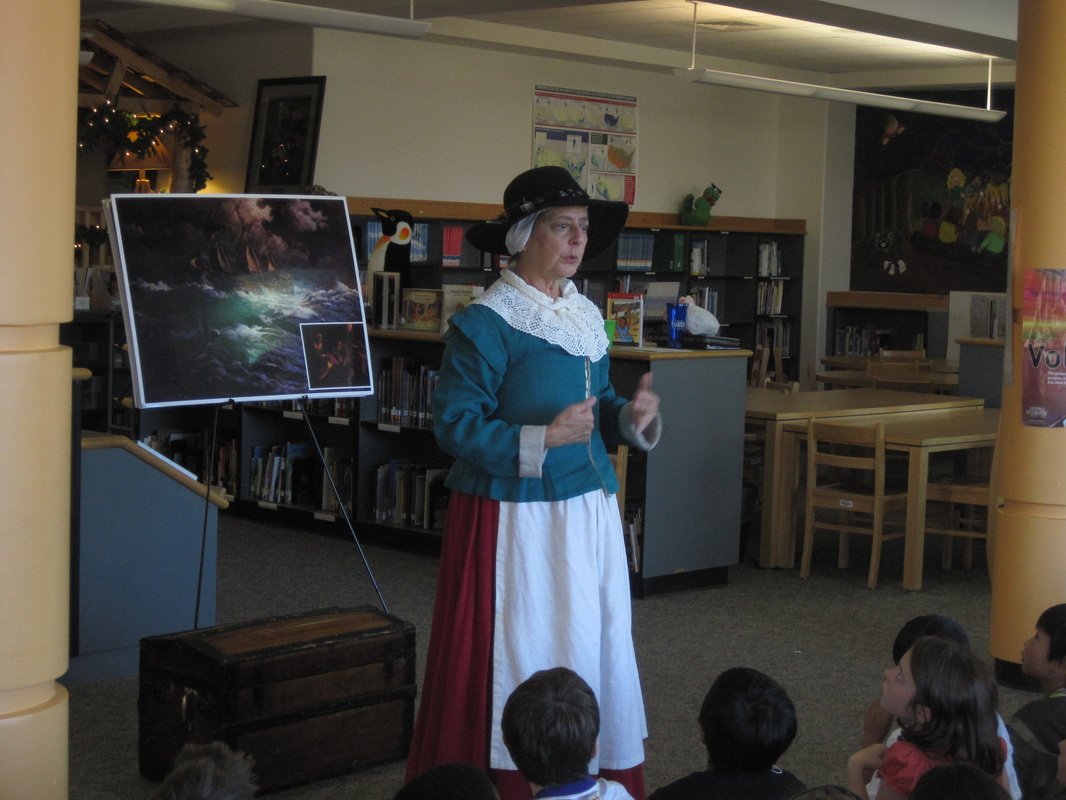
November 12, 2010
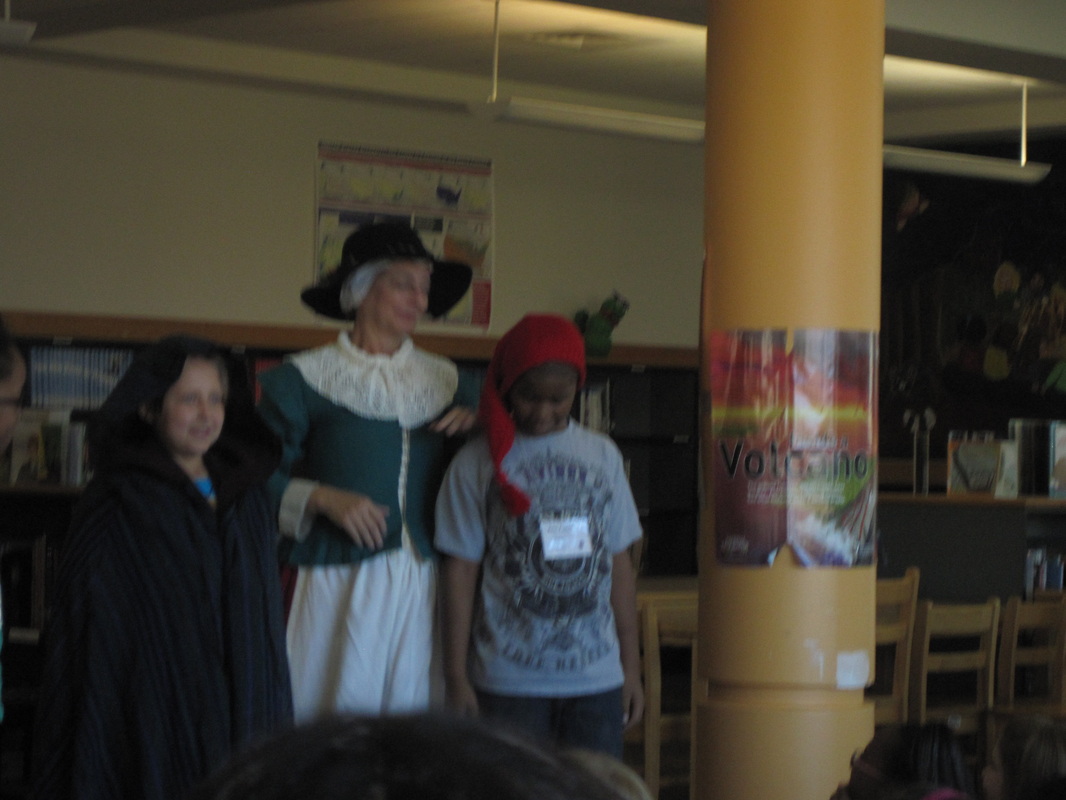
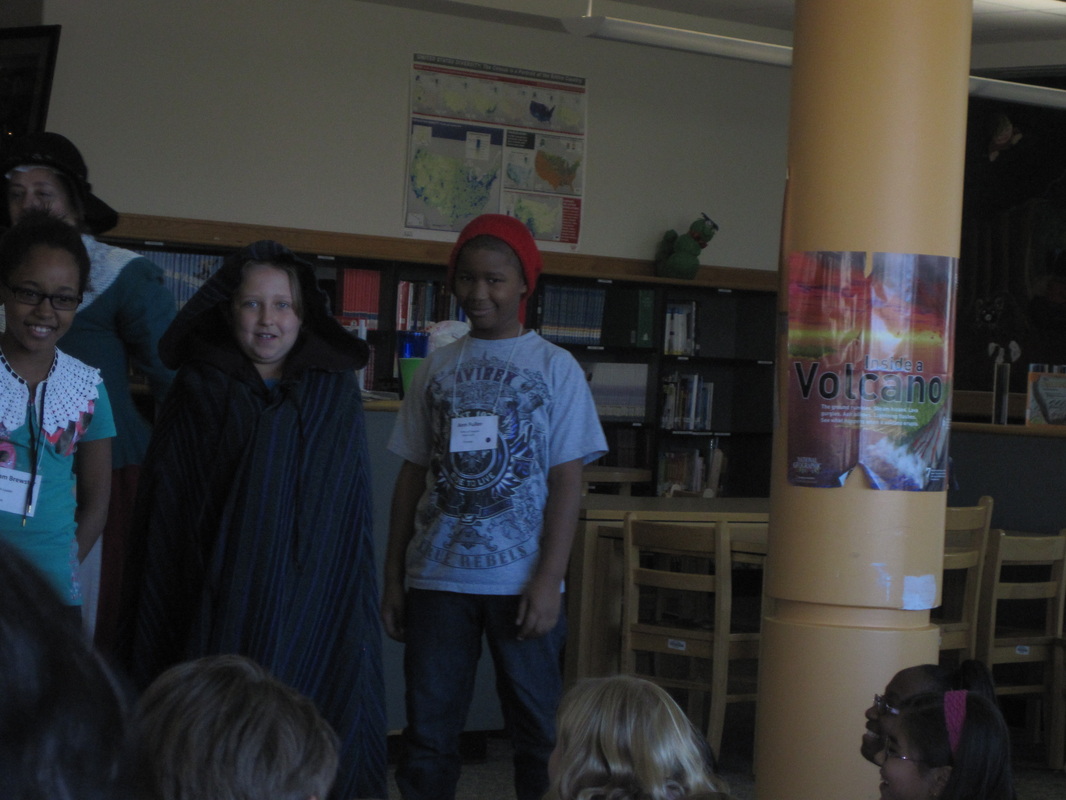
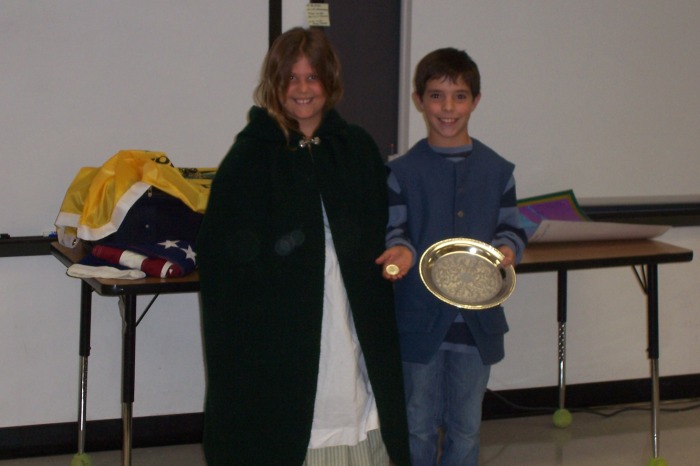
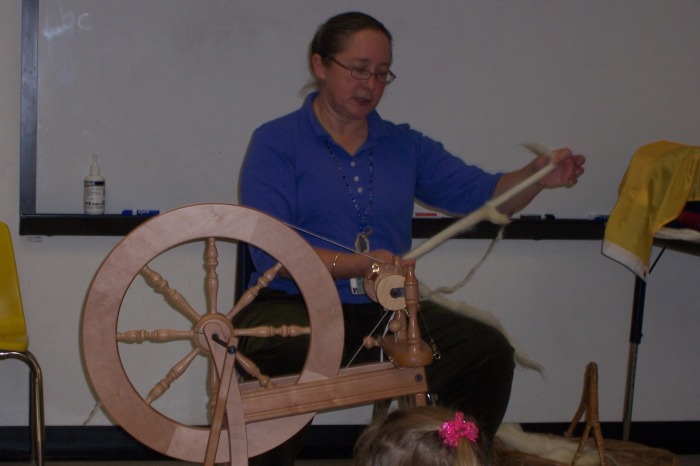
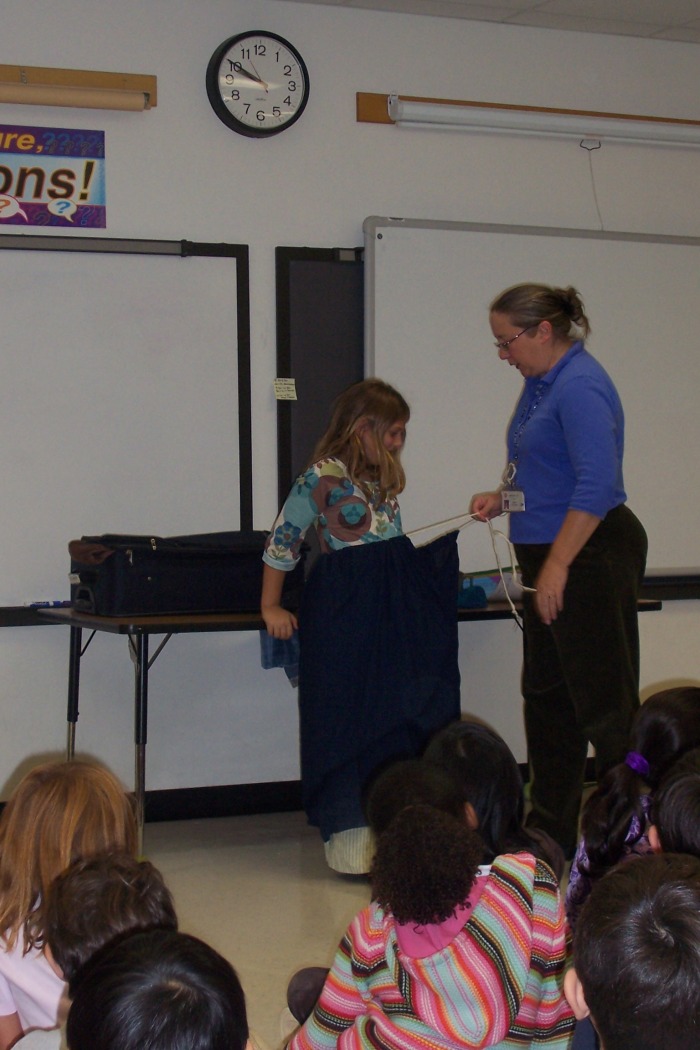
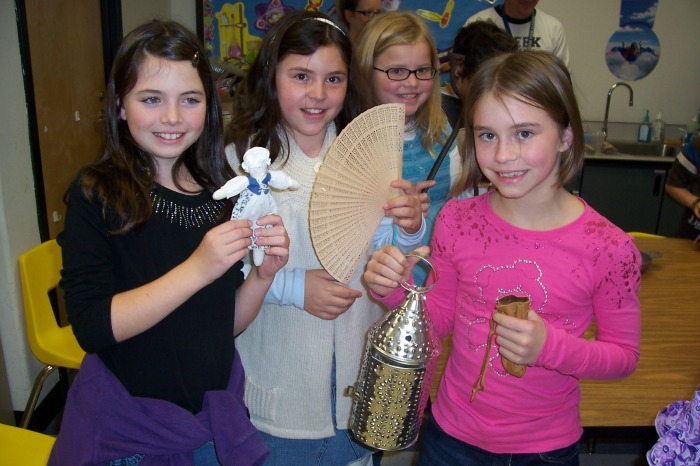
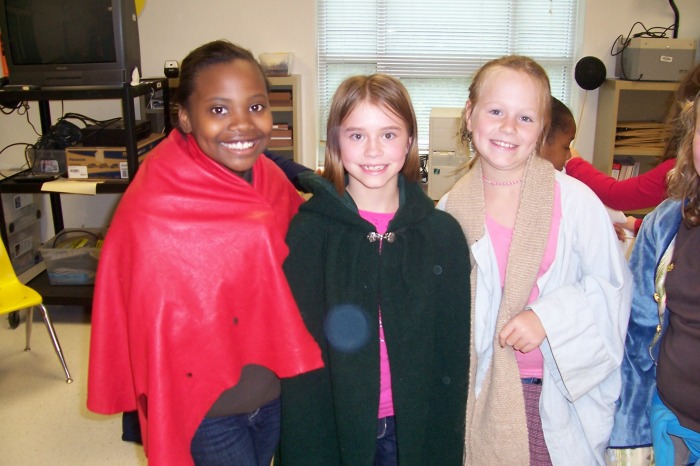
On November 12, 4th grade visited the library for an in-house field trip. A woman from the Teaching Museum North came and shared with the students a first-hand (pretend) account of what life was like on the Mayflower. Since the children had just recently finished studying Jamestown, Massachussets Bay Colony, Plymouth, and the beginnings of the first colonies in the U.S., the program fit well with our curriculum. Each student received a name tag of someone actually on the Mayflower when he/she walked into the library. On the name tag an indication was made as to whether or not the passanger survived that first winter in Plymouth or on the boat. The Teaching Museum lady told stories from first person point of view and shared stories of how the people got to the U.S. and made a new life there. At the end of the show, she allowed students to put on clothes similar to those worn in the 1700s, and also play a child's game similar to those played back then also. The children were entertained by her, and enjoyed hearing the great stories she had to tell.
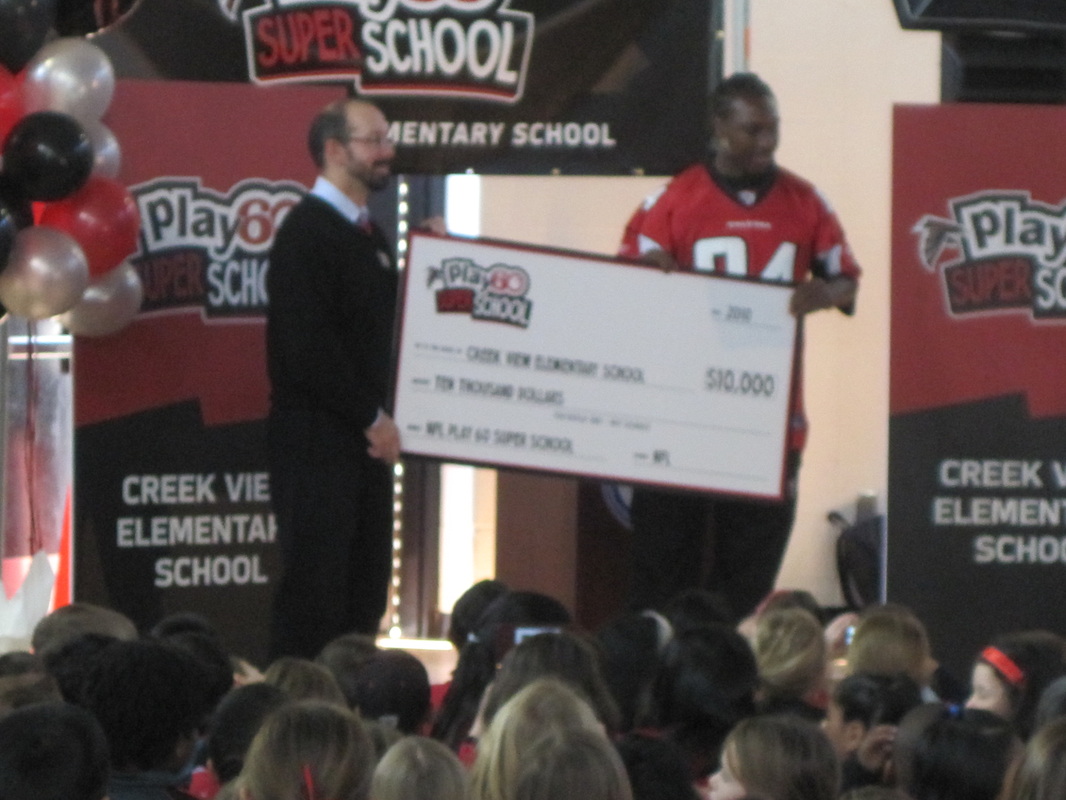
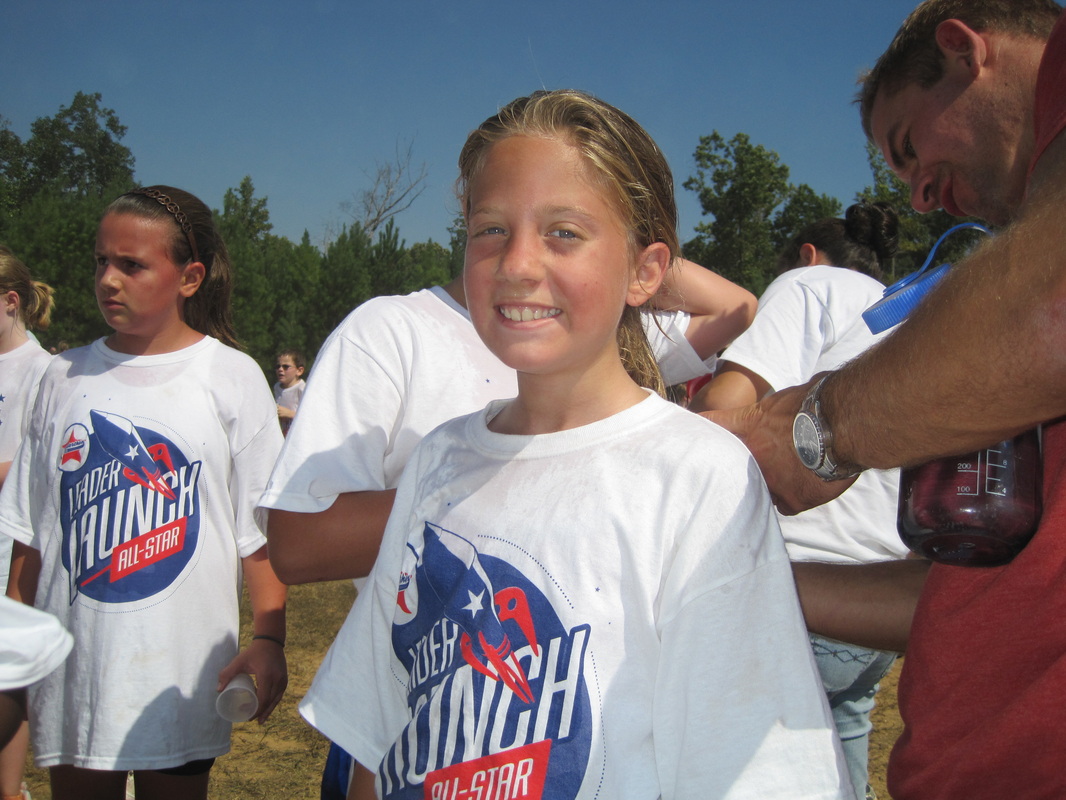
Roddy White from the Atlanta Falcons visits Creek View
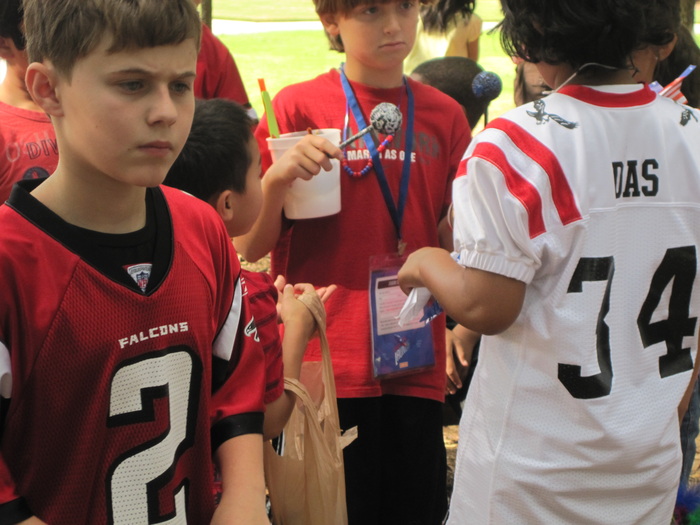
On December 7, Roddy White visited our school and presented us with a $10,000 check from "Play 60" for us to purchase a new playpad and new P.E. equipment. Creek View was selected from over 100 schools in Georgia for this grant. Thank you, PTA and others who made this grant happen at Creek View; the students will love the new equipment!
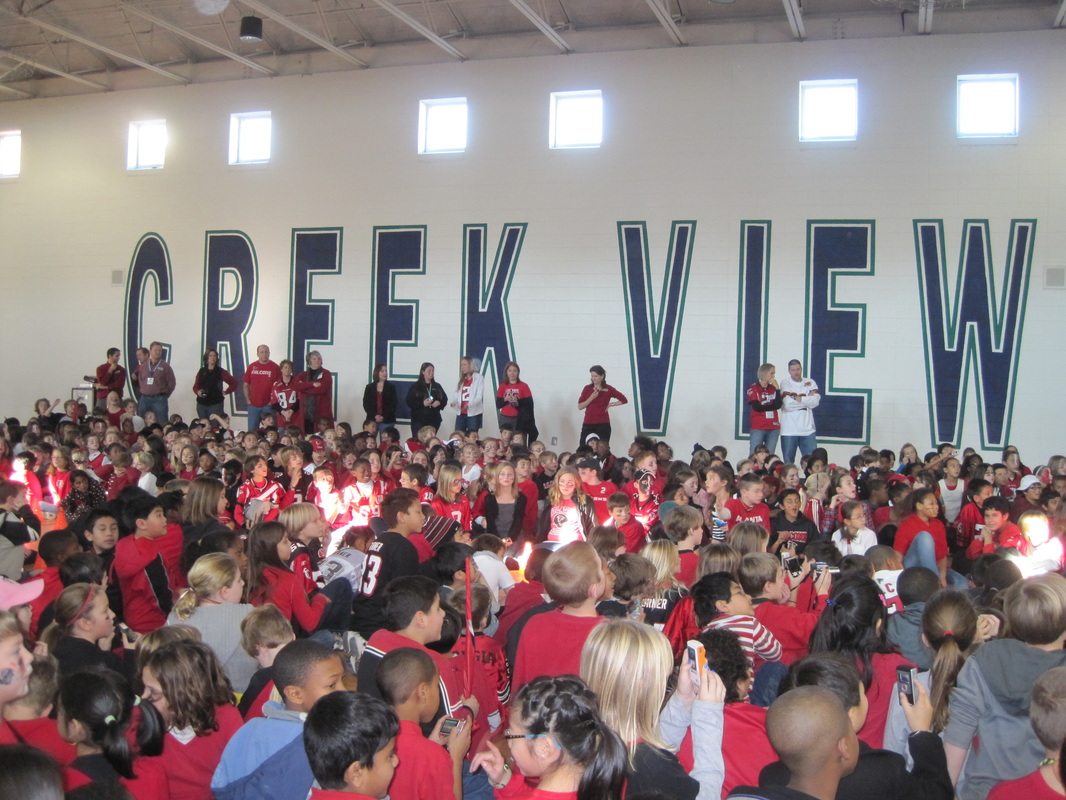
The message Roddy White told the children was to put away video games, get outside, and get fit through physical activity. The highlight of the 30 minute assembly was 5 selected students who asked Roddy questions about himself and how he stays fit in the off season (to which he replied, chasing his young son around the house!). After the assembly, 30 students were pre-selected to stay in the gym and play physical games and interact with him. What a special memory for them! The assembly was such a fun event in the life of our school.
When the assembly was over, PTA representatives came to each homeroom and delivered bouncy balls and soccer balls in a blue mesh bag for each class to use at their recess time daily, as well as Atlanta Falcons plastic cups for each student. What a special treat! Our class has thoroughly enjoyed playing with the new balls at recess.
The message Roddy White told the children was to put away video games, get outside, and get fit through physical activity. The highlight of the 30 minute assembly was 5 selected students who asked Roddy questions about himself and how he stays fit in the off season (to which he replied, chasing his young son around the house!). After the assembly, 30 students were pre-selected to stay in the gym and play physical games and interact with him. What a special memory for them! The assembly was such a fun event in the life of our school.
When the assembly was over, PTA representatives came to each homeroom and delivered bouncy balls and soccer balls in a blue mesh bag for each class to use at their recess time daily, as well as Atlanta Falcons plastic cups for each student. What a special treat! Our class has thoroughly enjoyed playing with the new balls at recess.
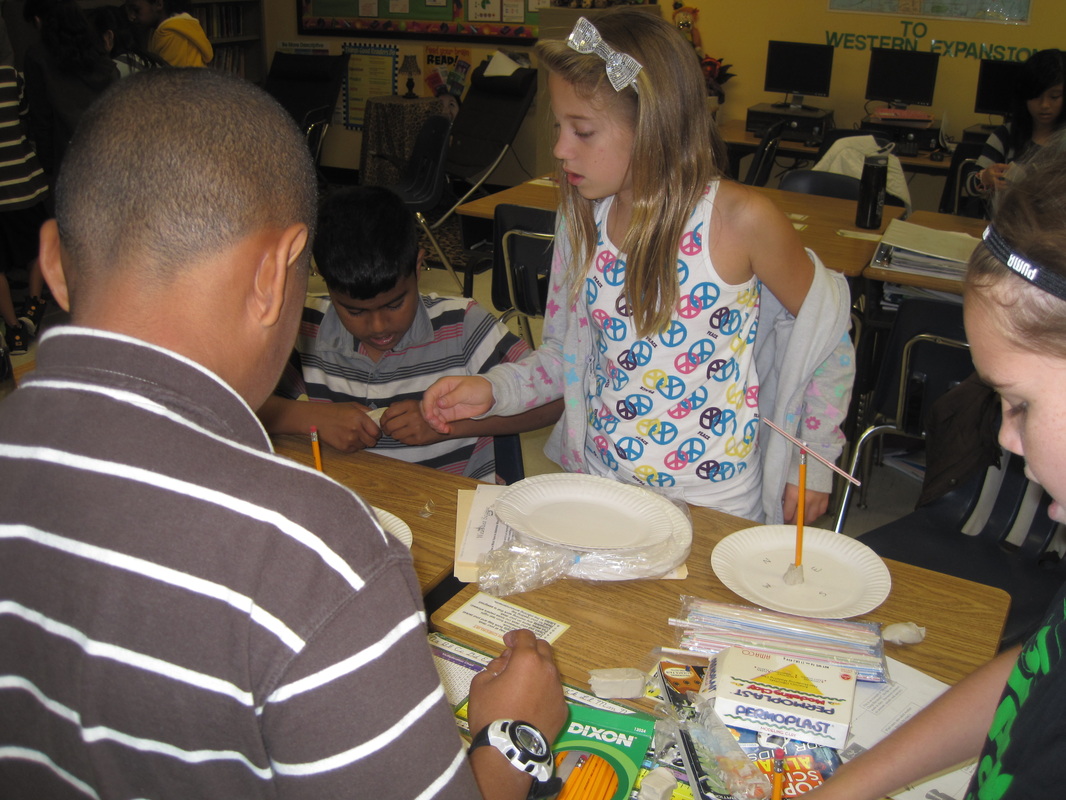
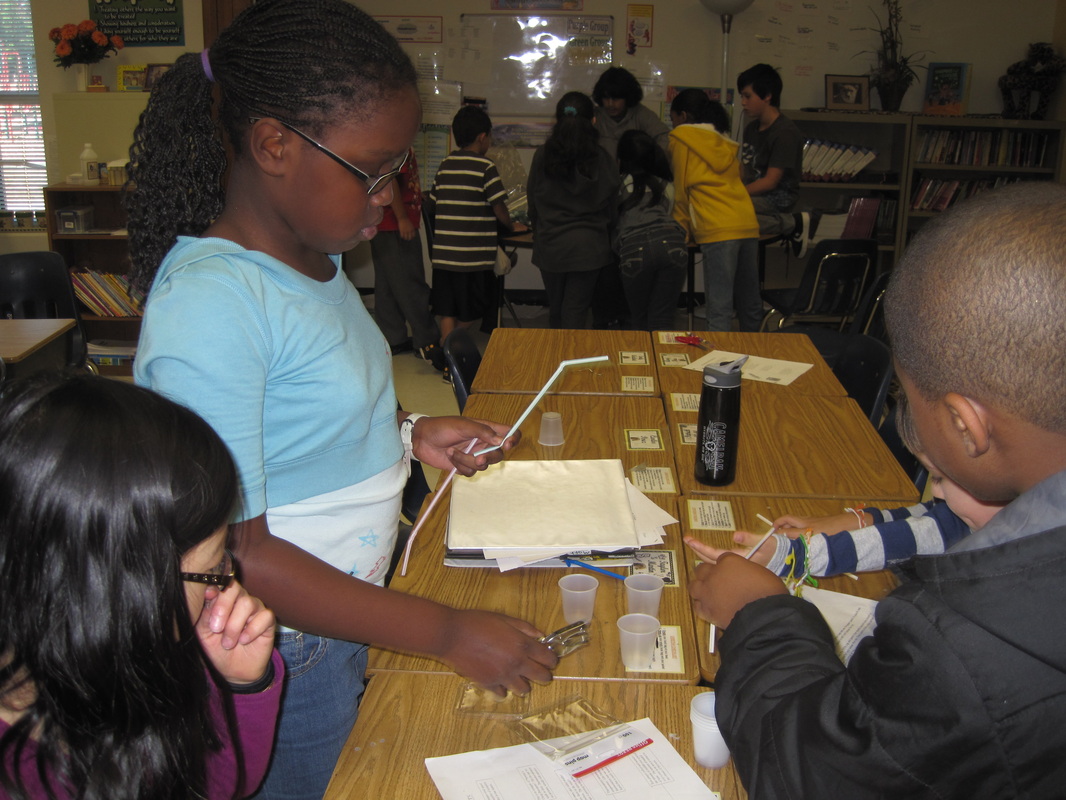
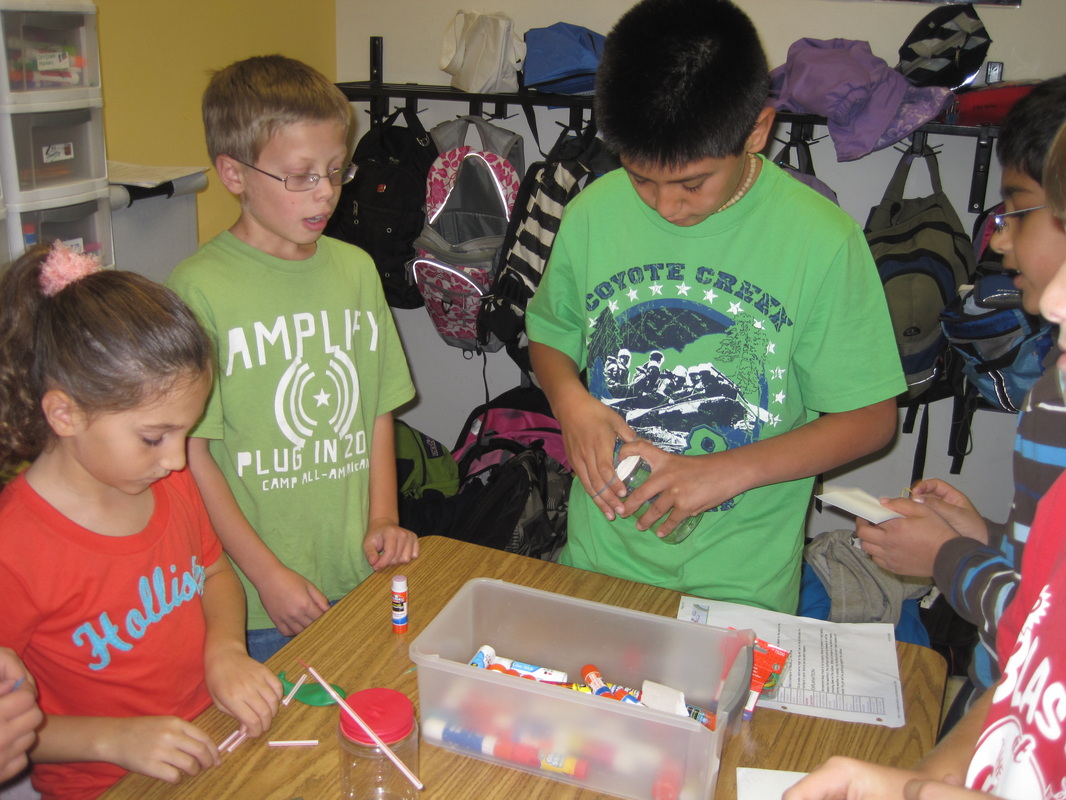
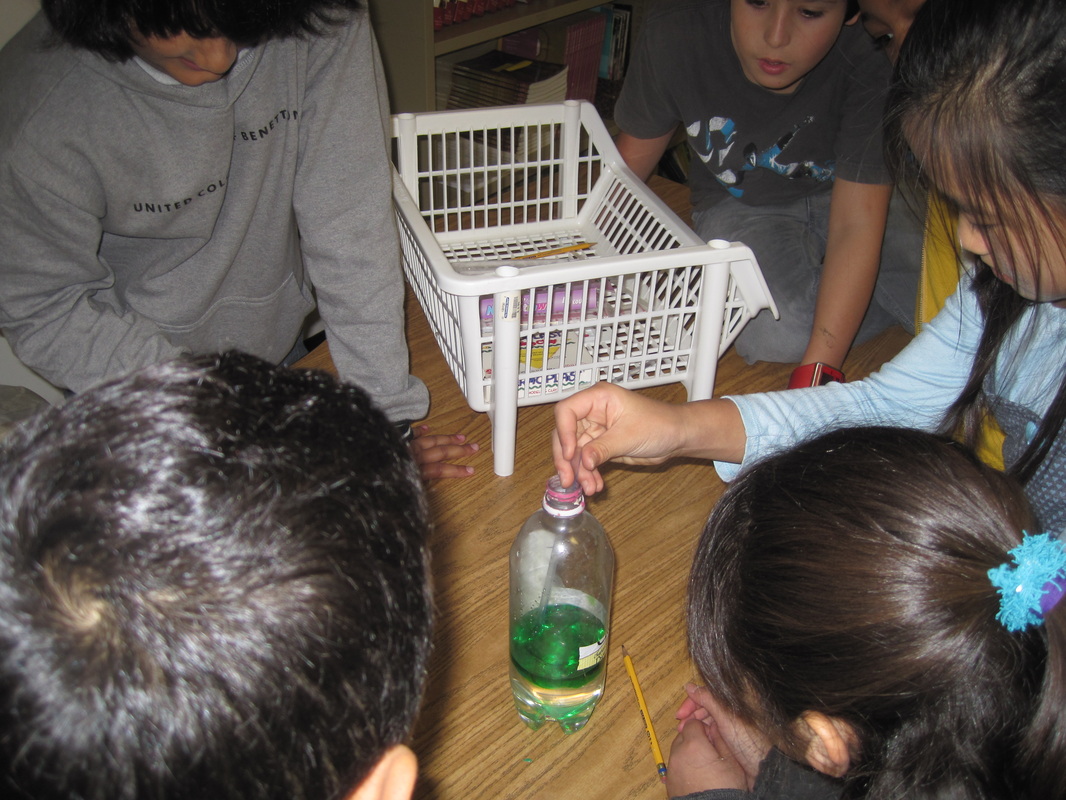
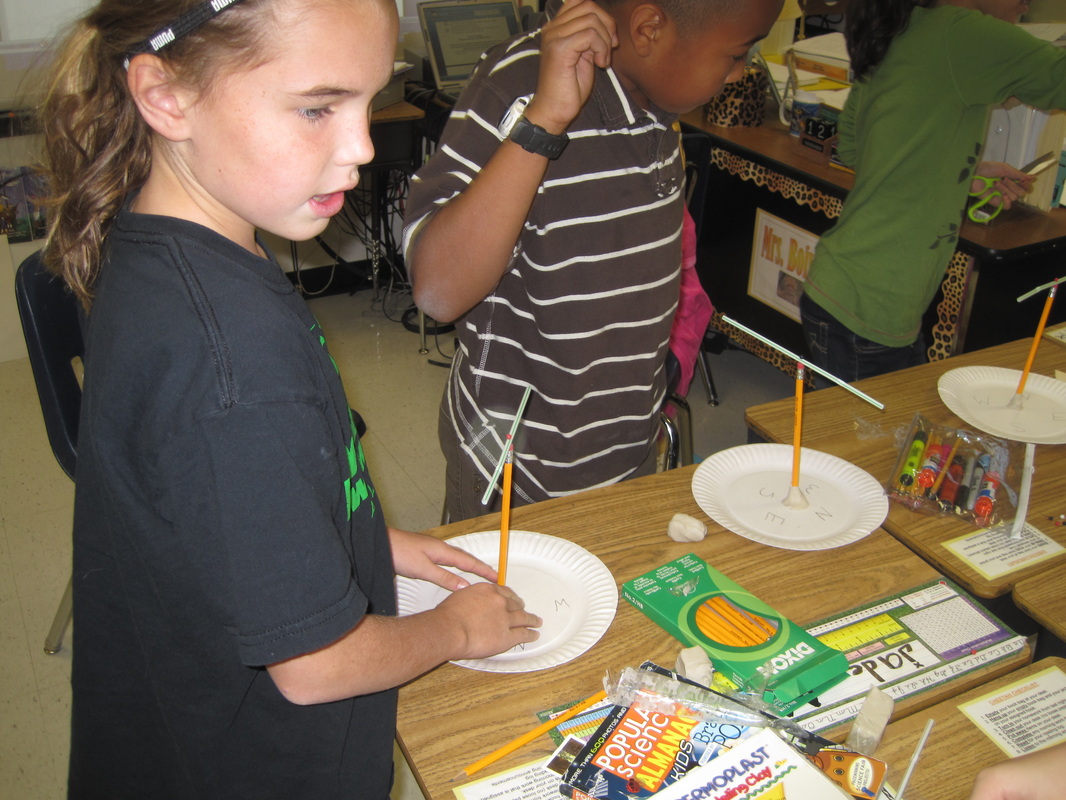
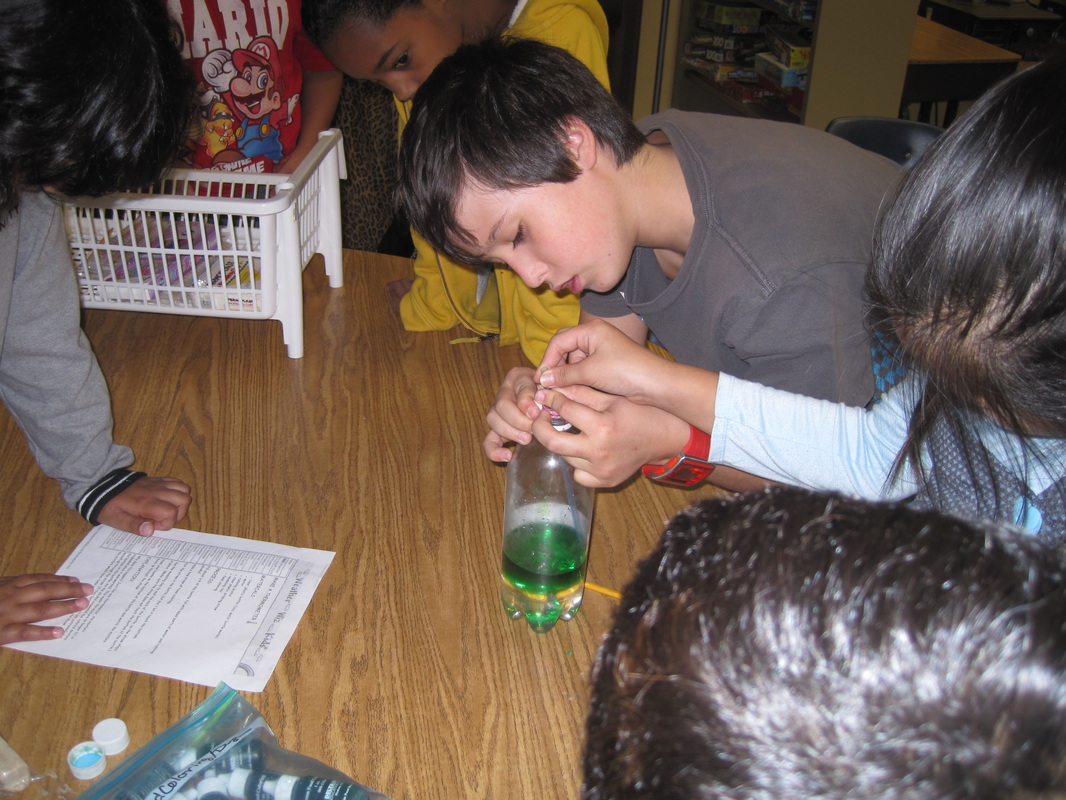
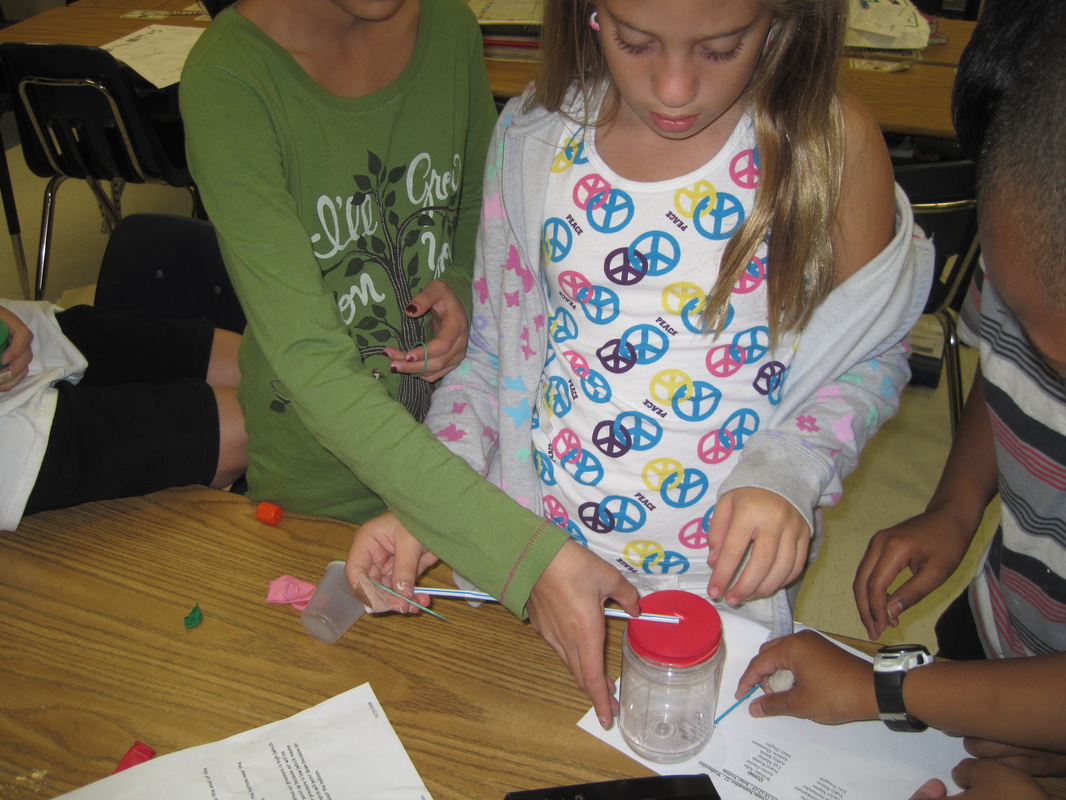
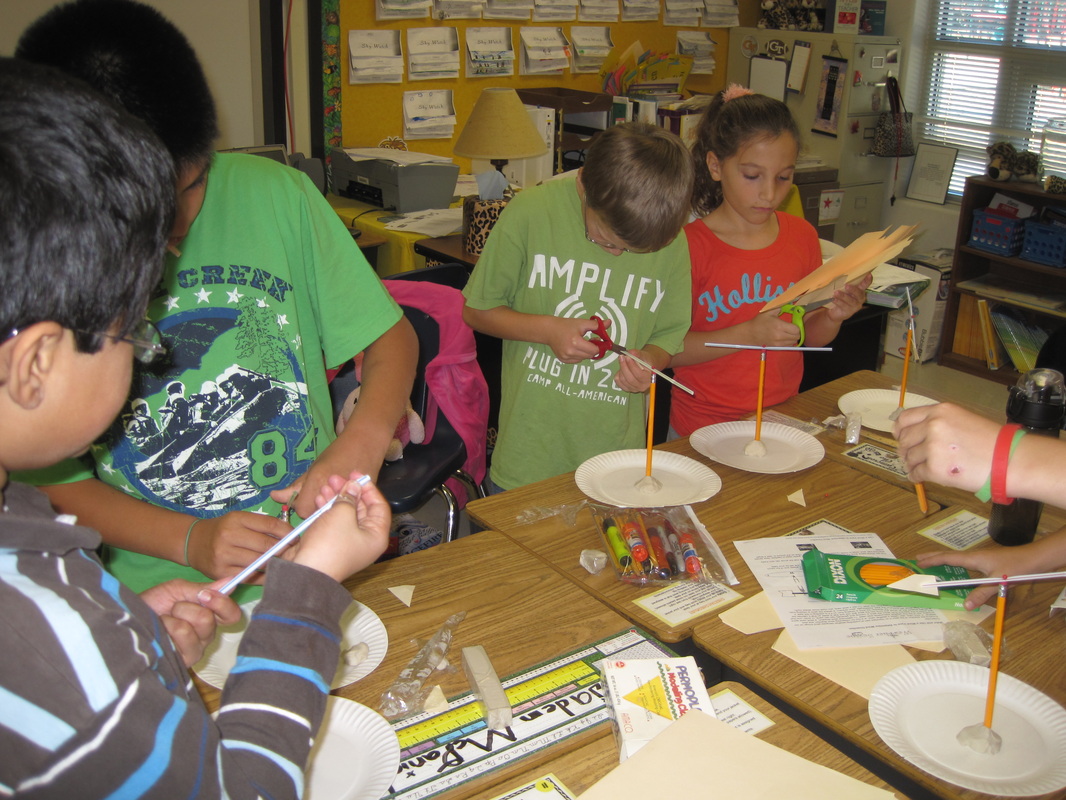
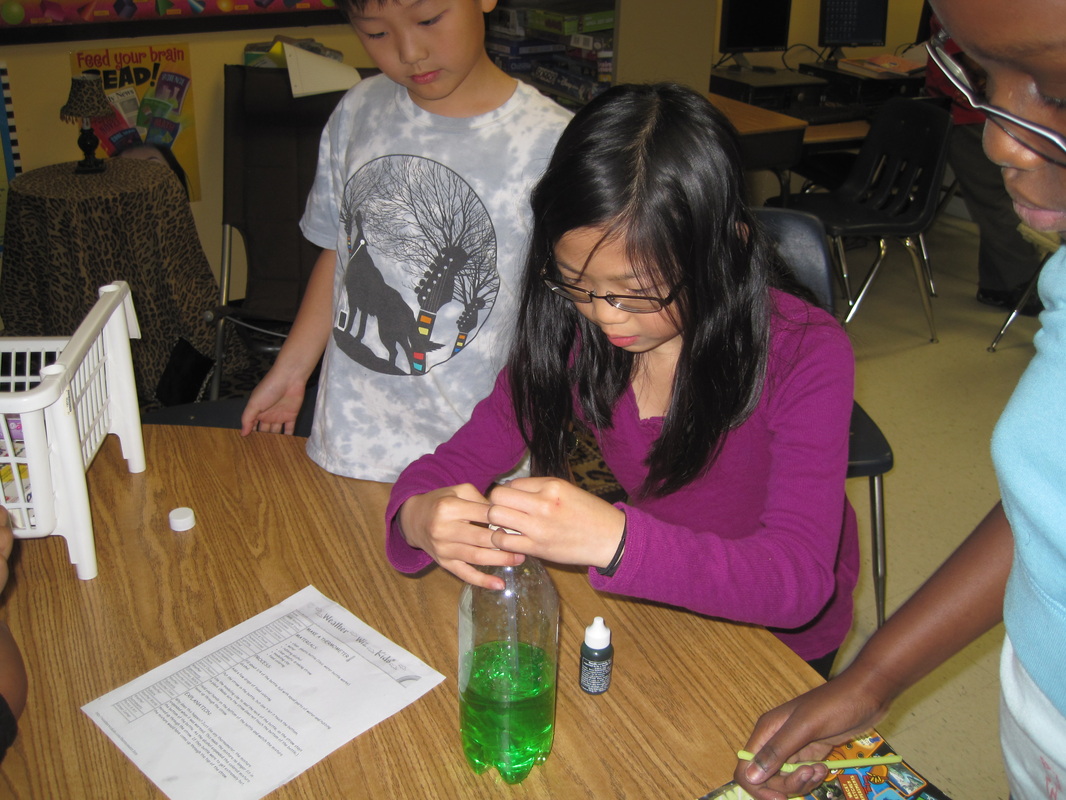
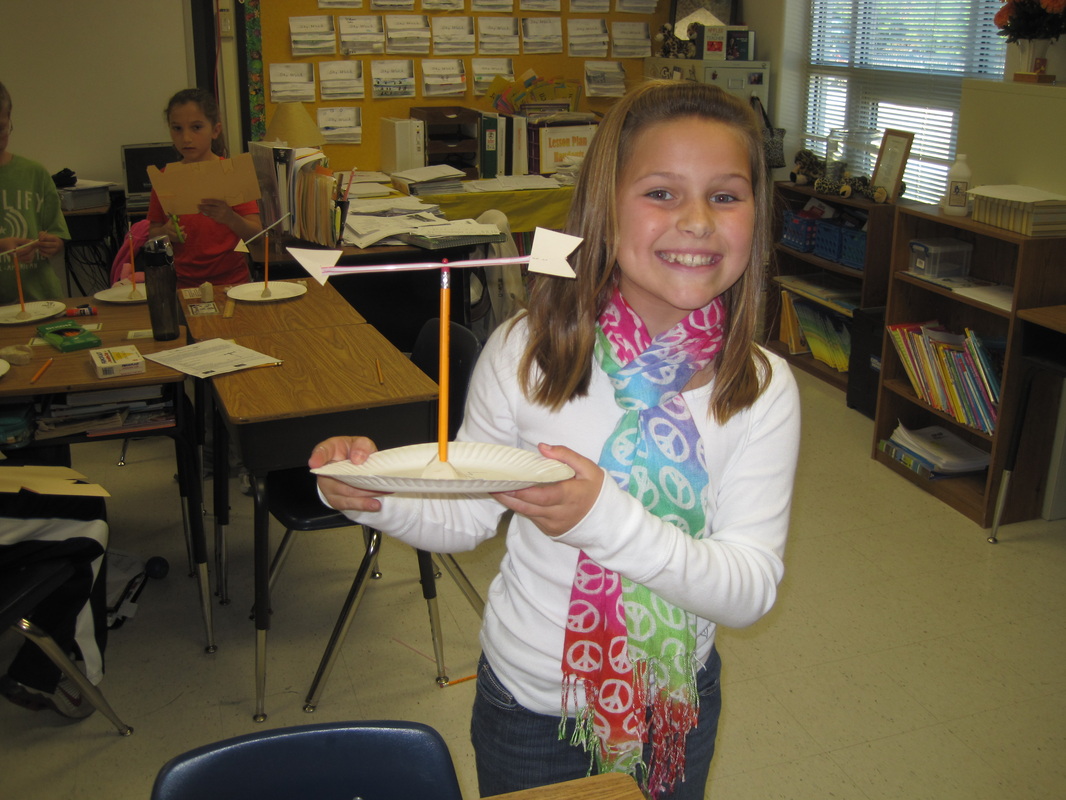
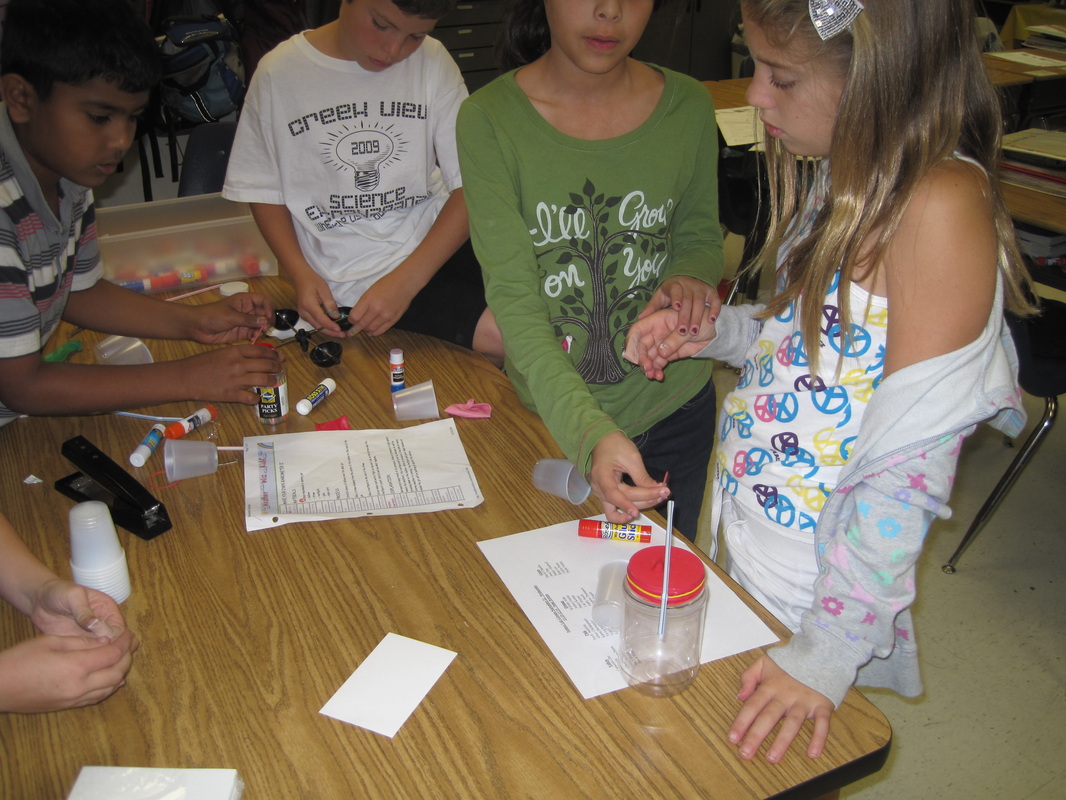
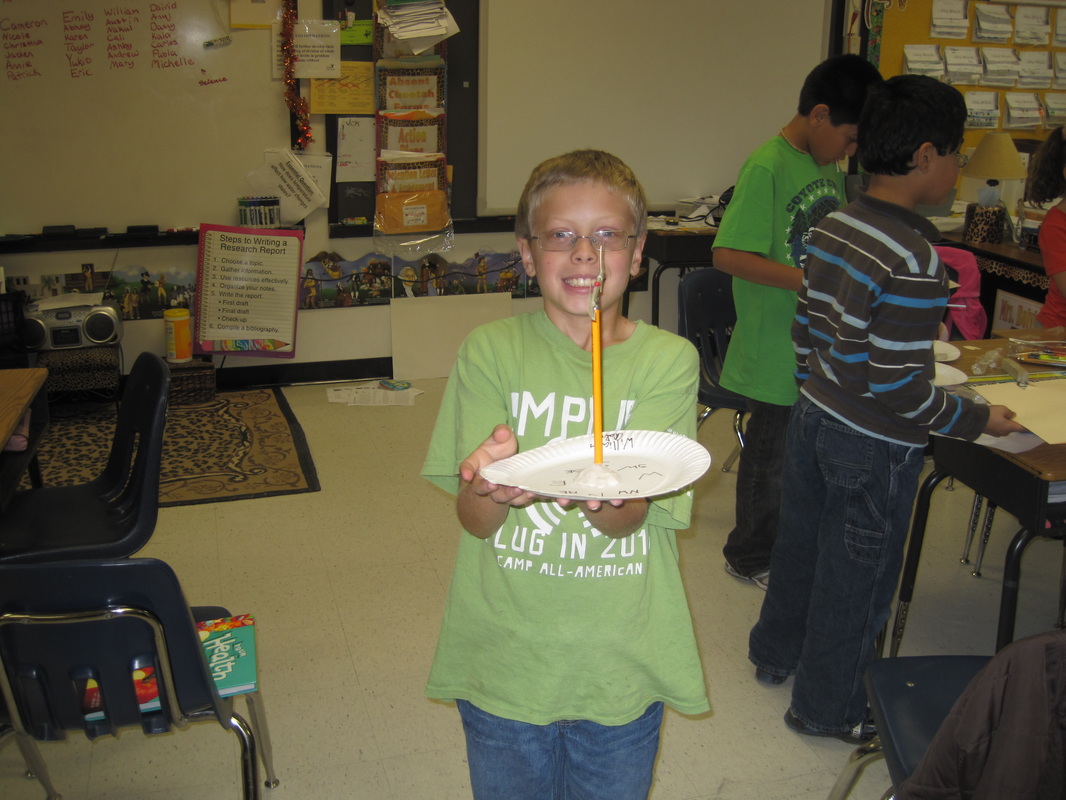
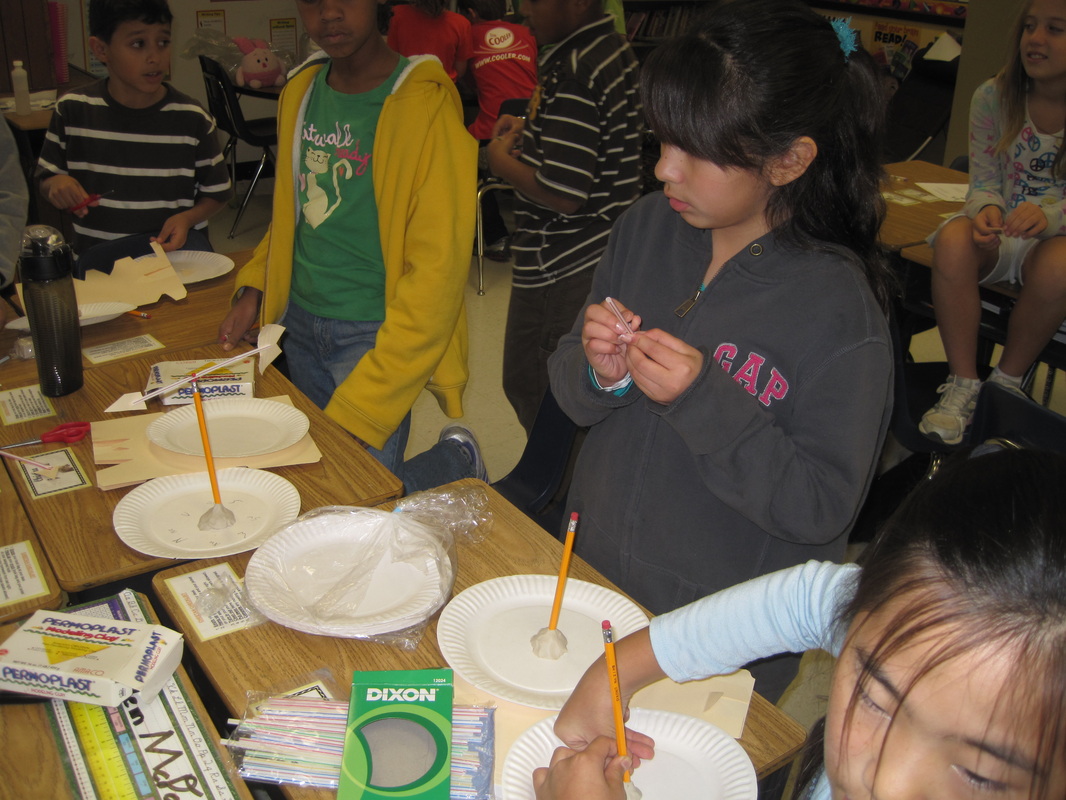
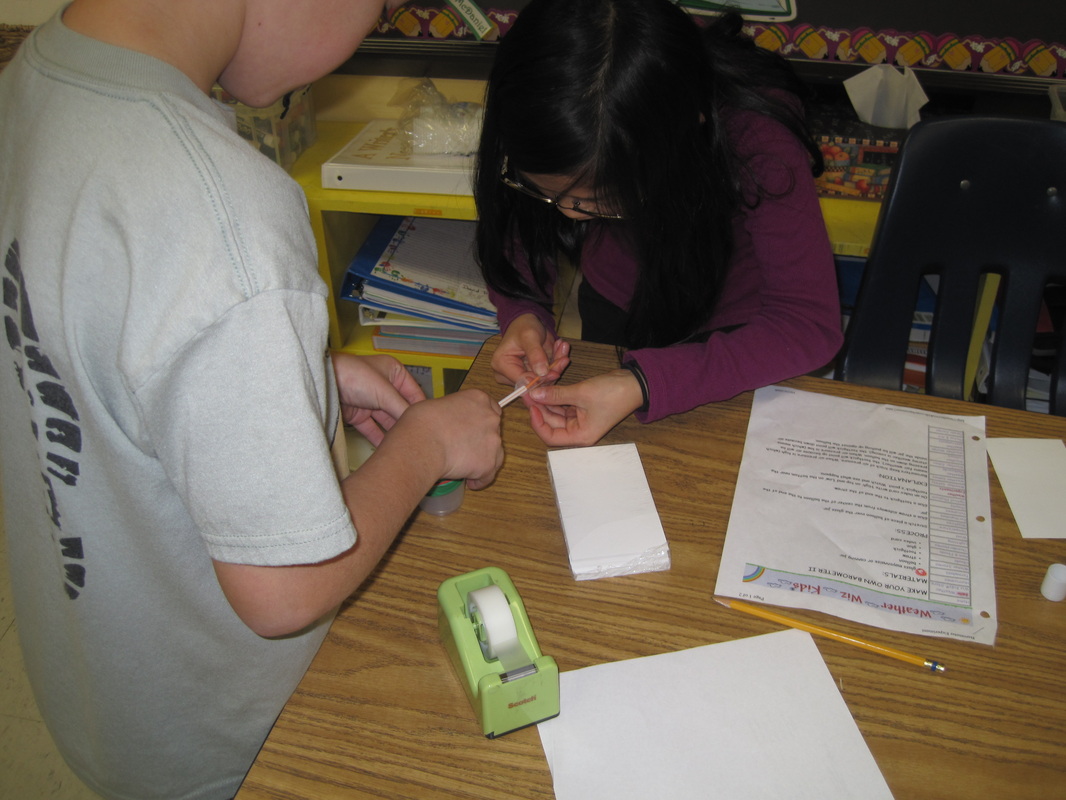
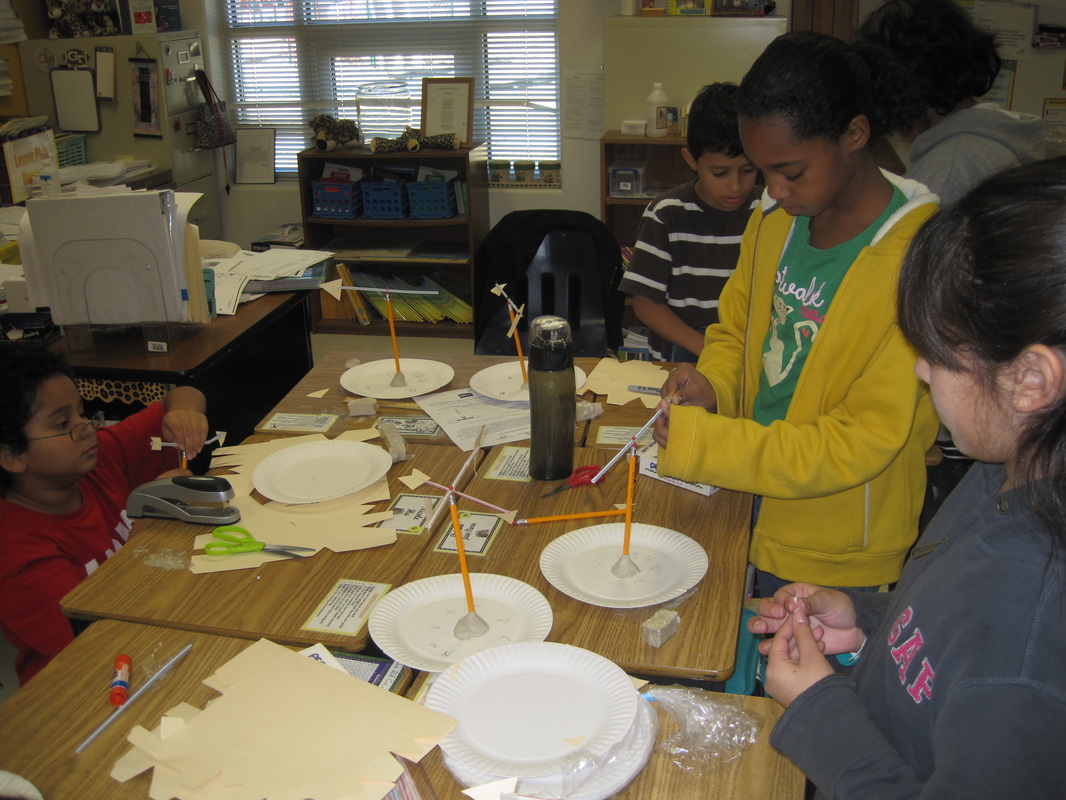
Making Weather Instruments
November 2010 (listen to animation for details)
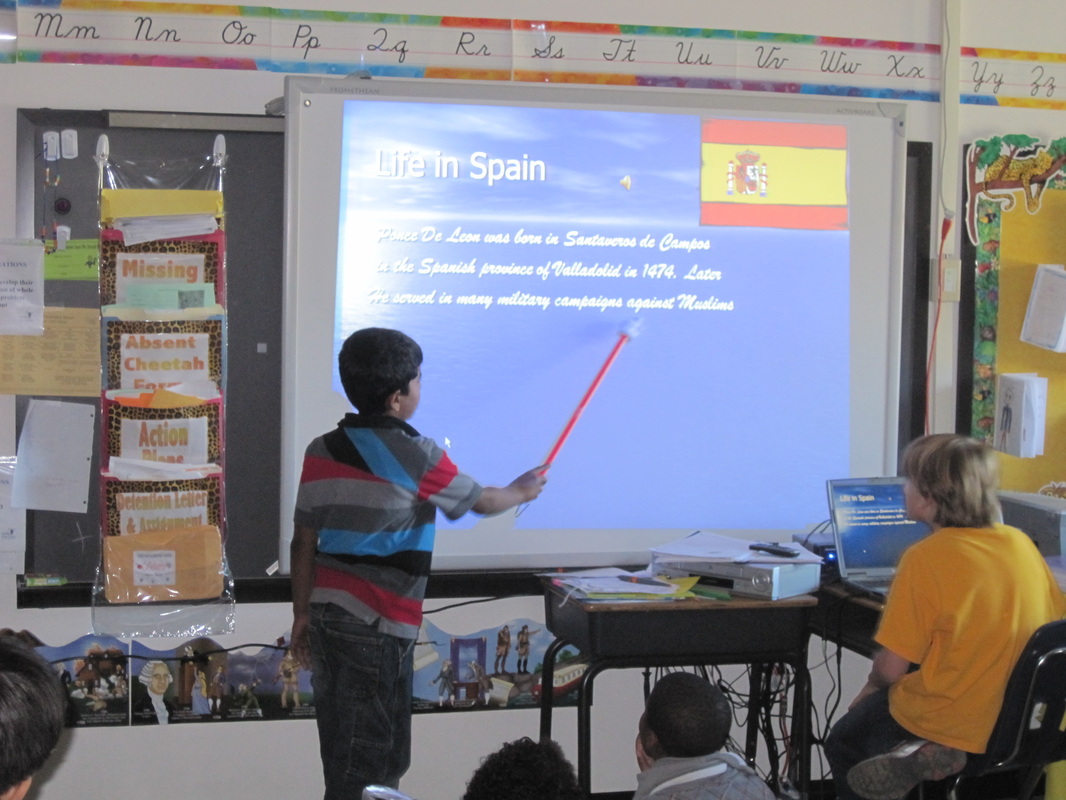
European Explorers' Project
October 29, 2010
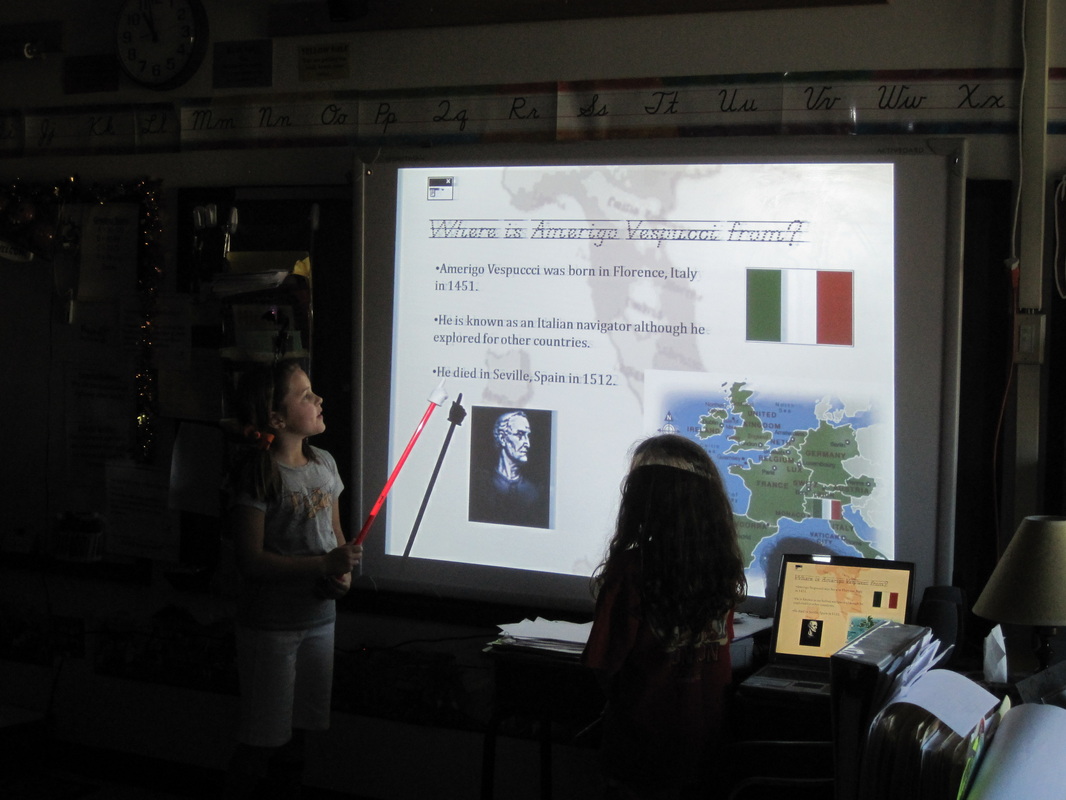
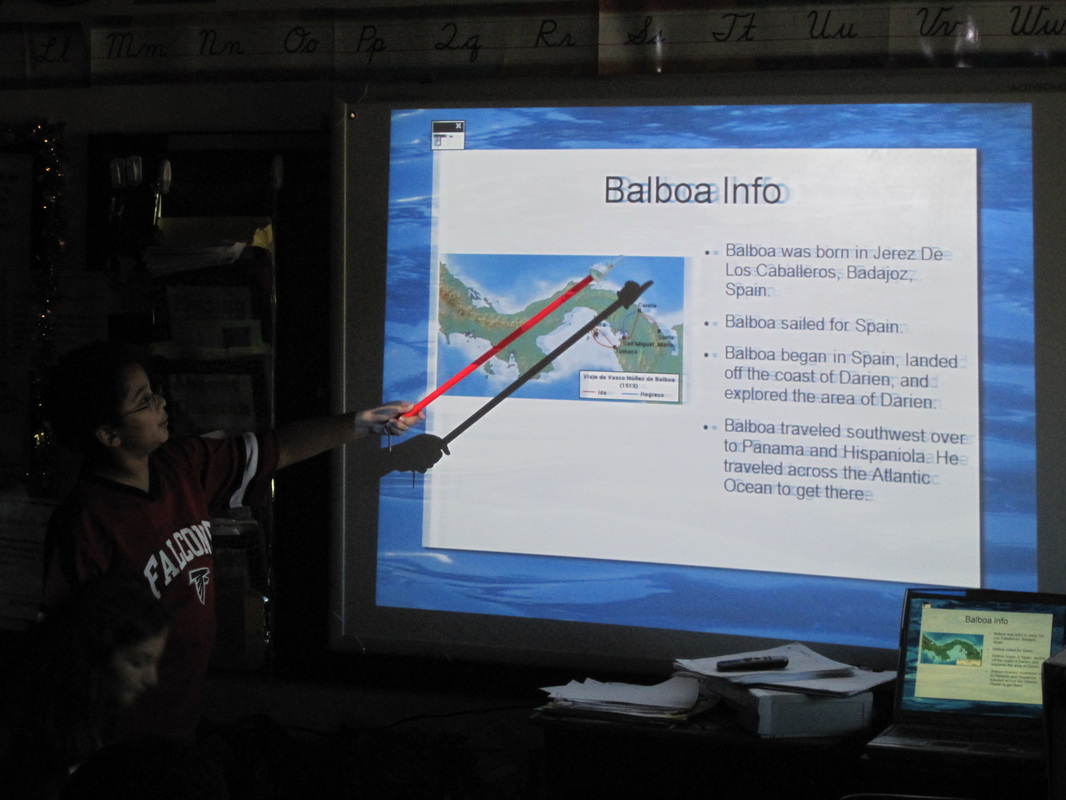
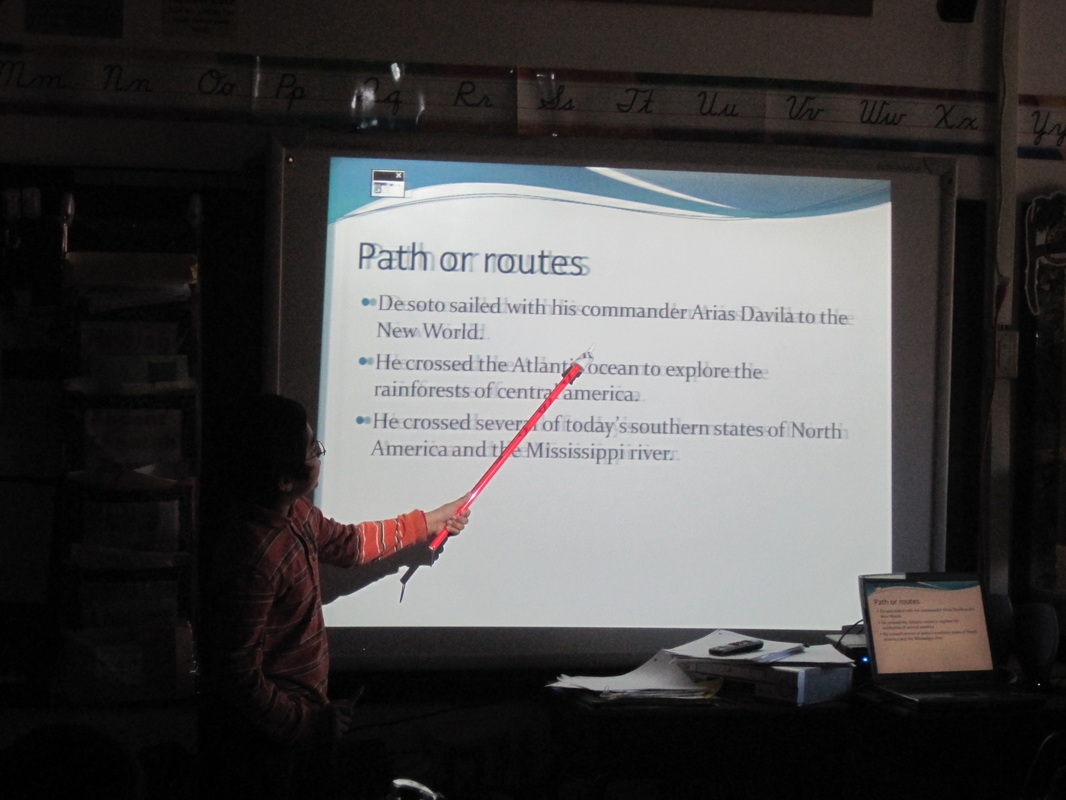
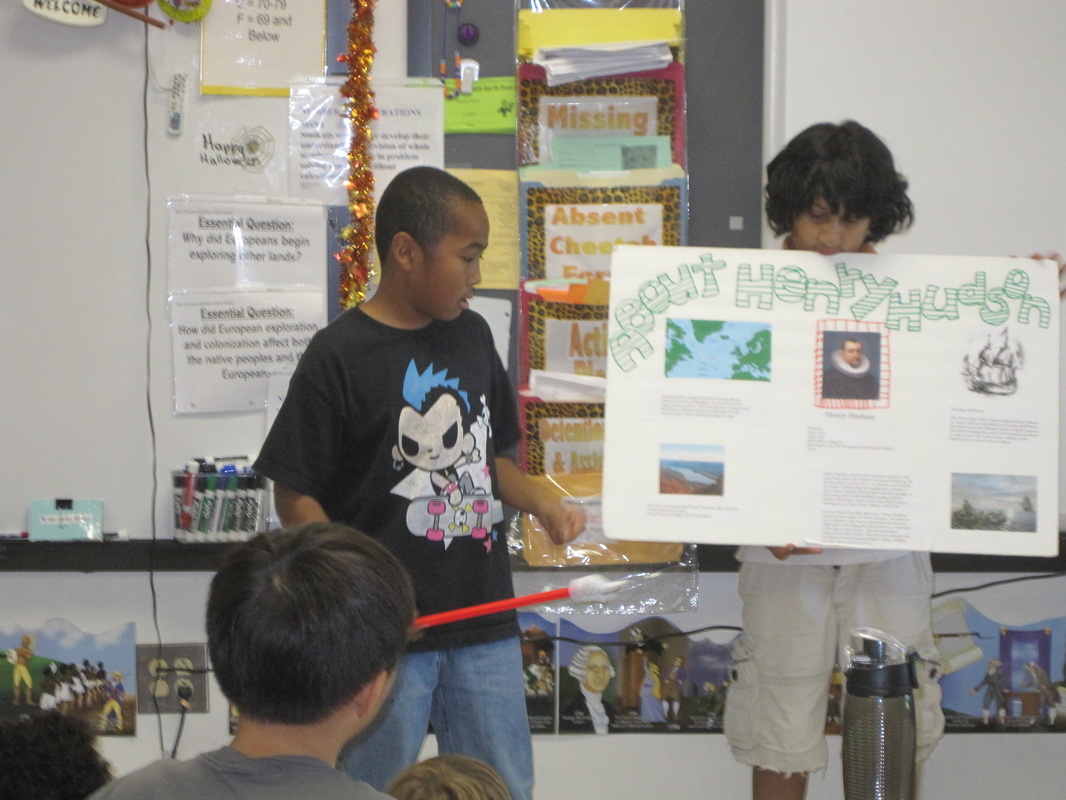
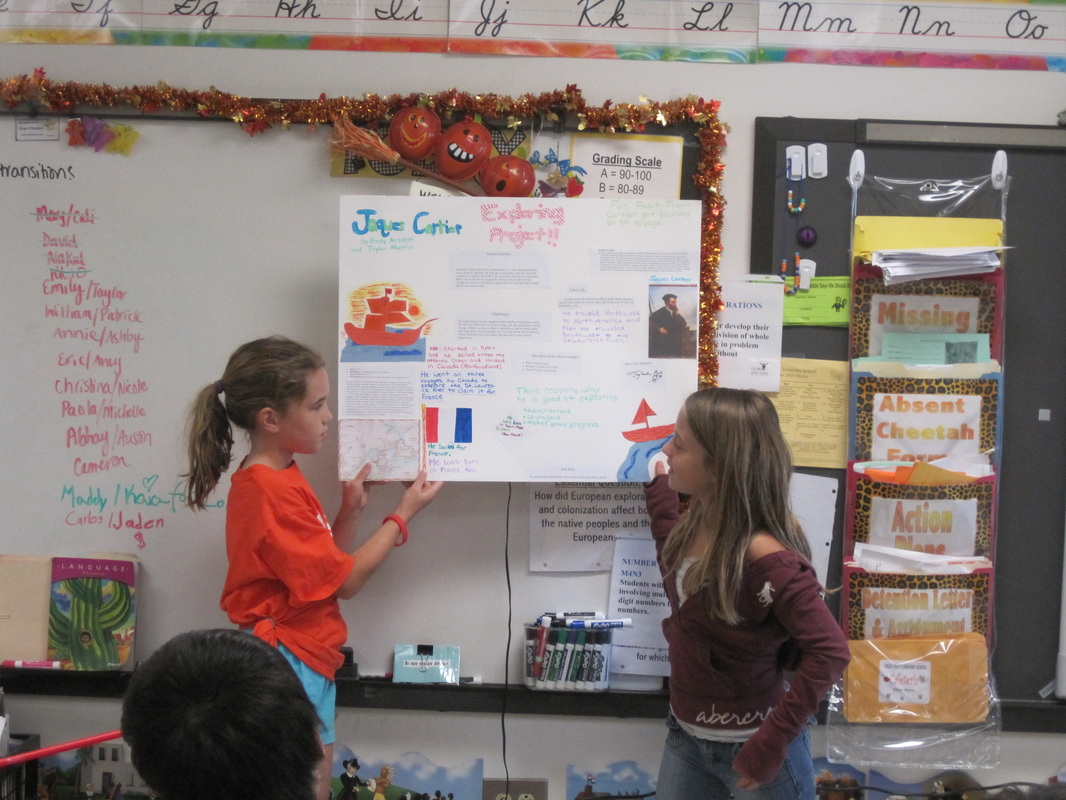
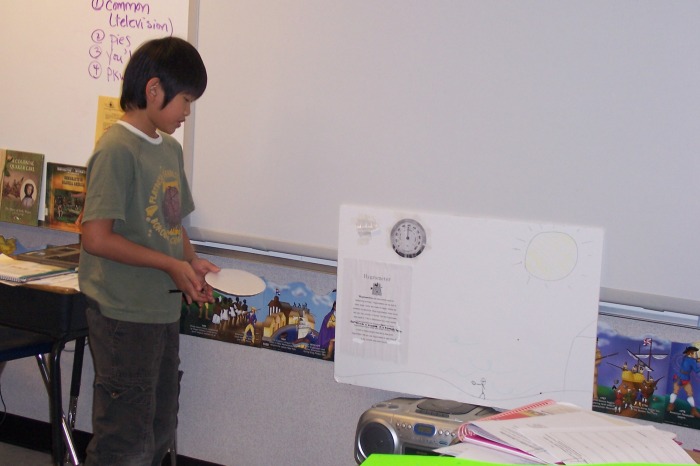
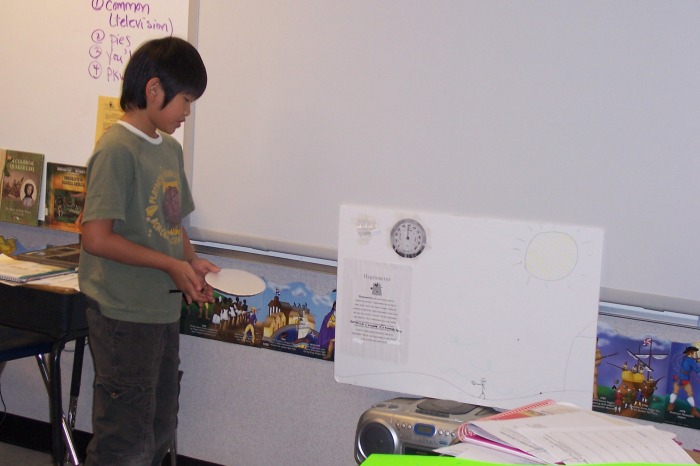
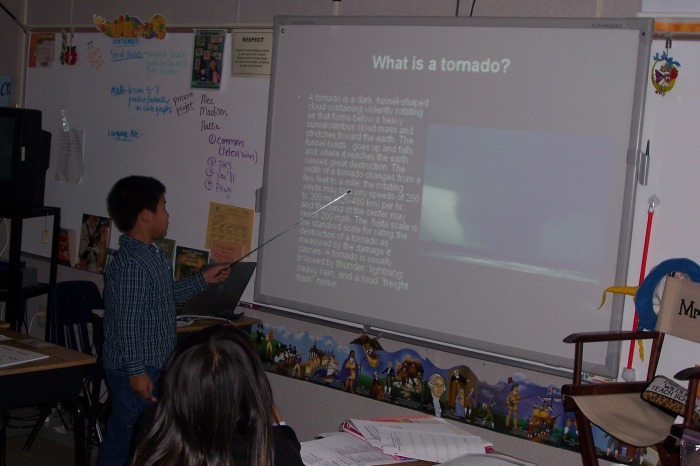
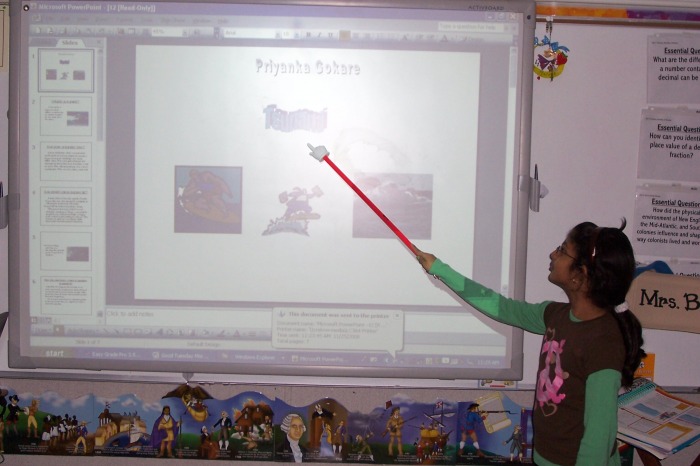
Students decided themselves that they wanted to complete a project on the explorers! Having the option to work by themselves or with a partner, students gathered resources about an explorer we studied in unit 2. They then created a PowerPoint, poster, or other form of media to share the information with the class. They answered questions on their explorer, including where the explorer is from, where he sailed, achievements of the explorer, and challenges faced along the route. Students did a fantastic job with this project! Below are the pictures of them presenting in class.
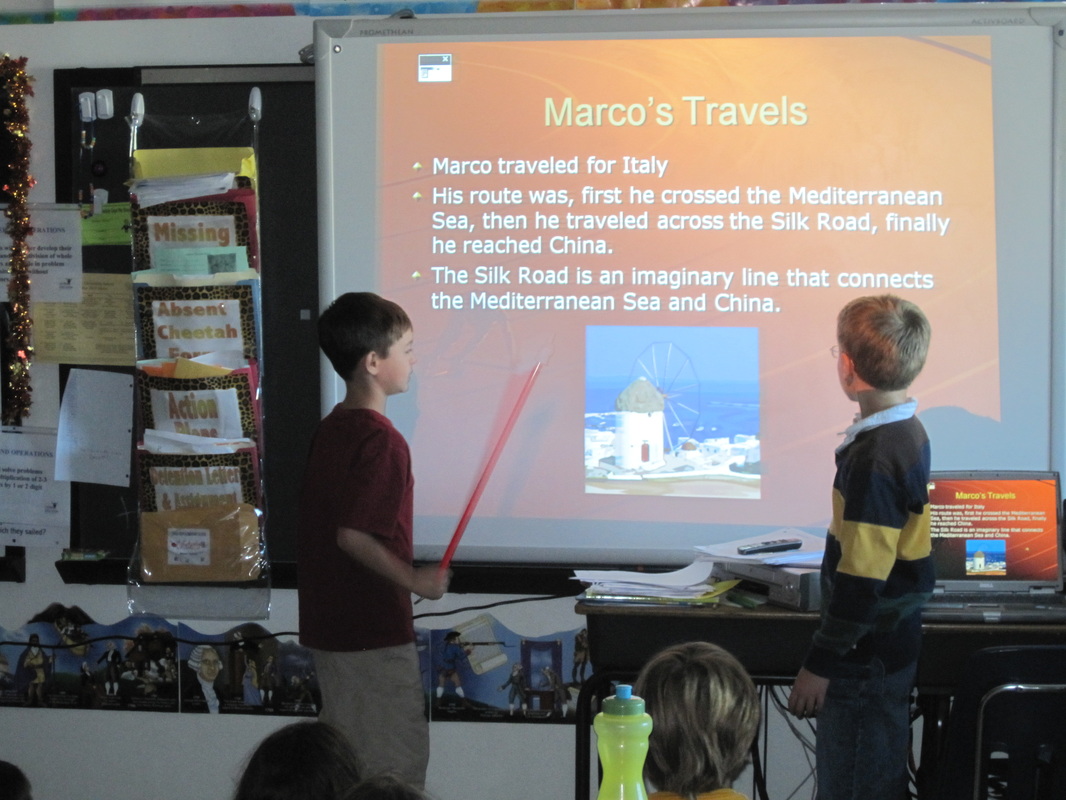
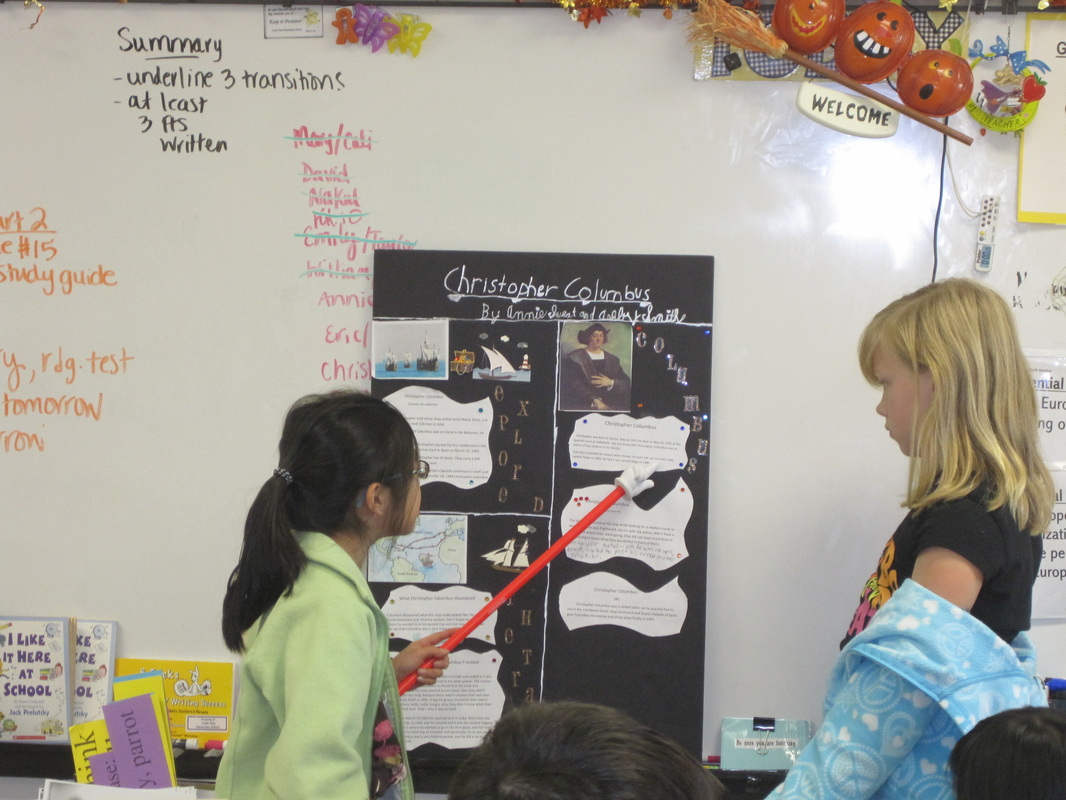
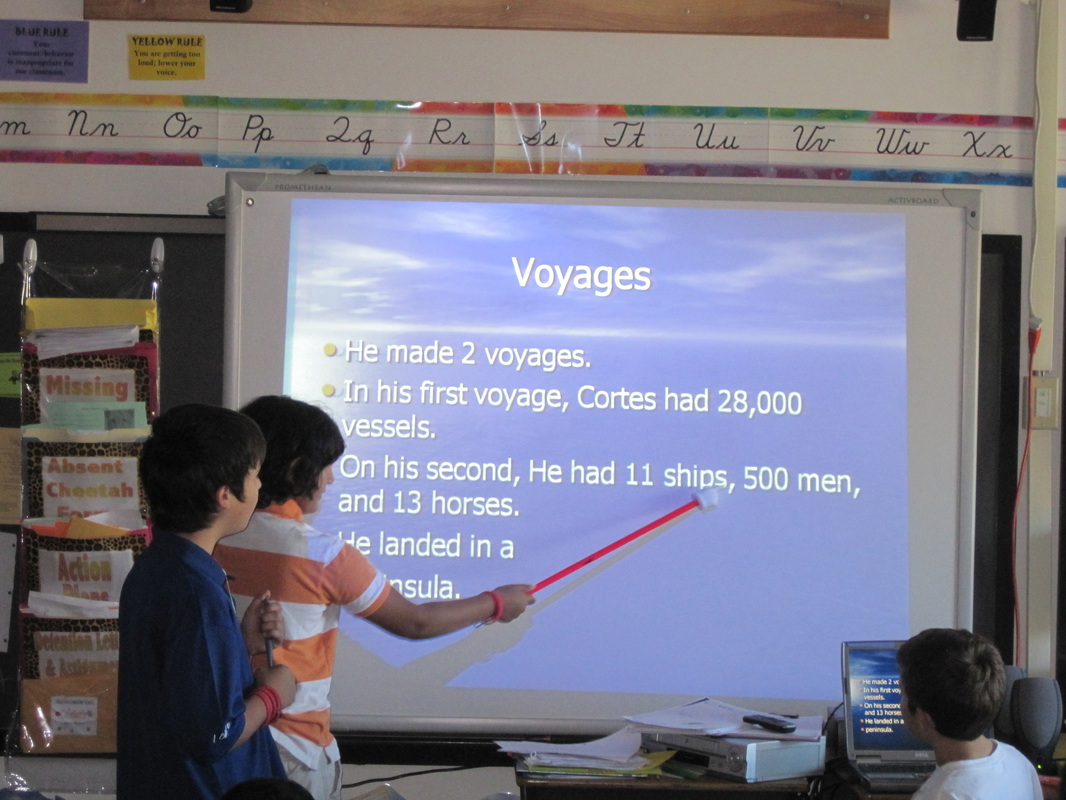
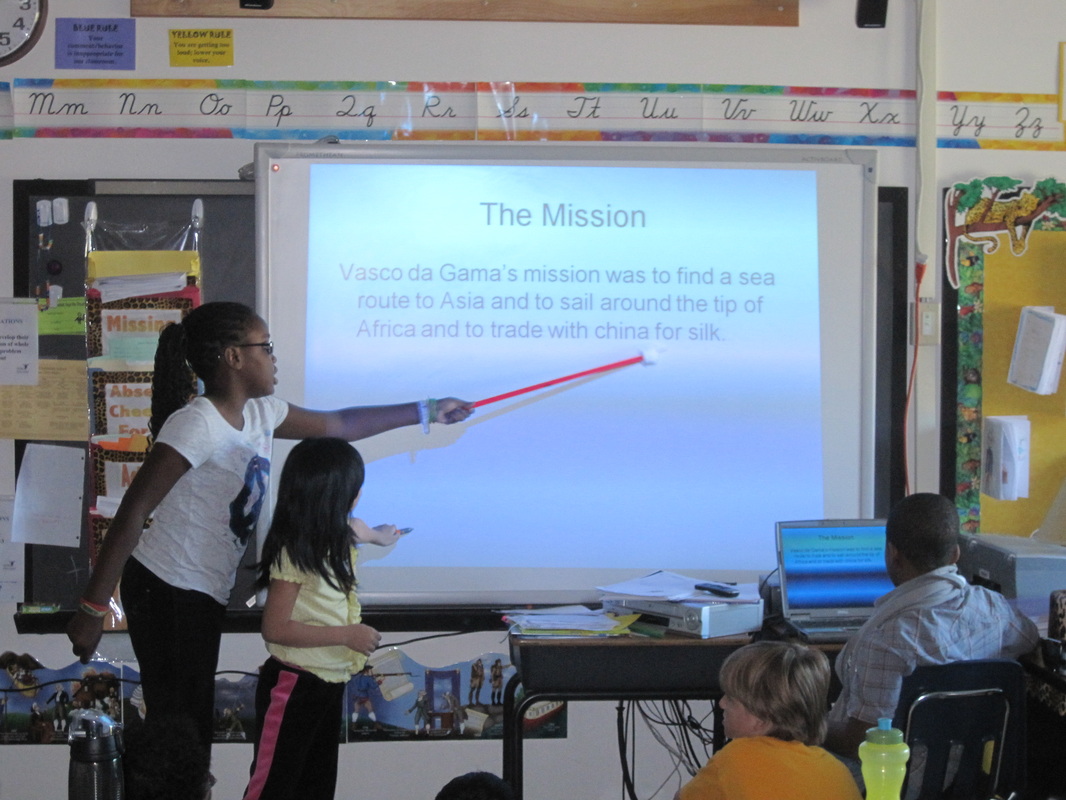
Solar System Science Lab
Sept. 21, 2010
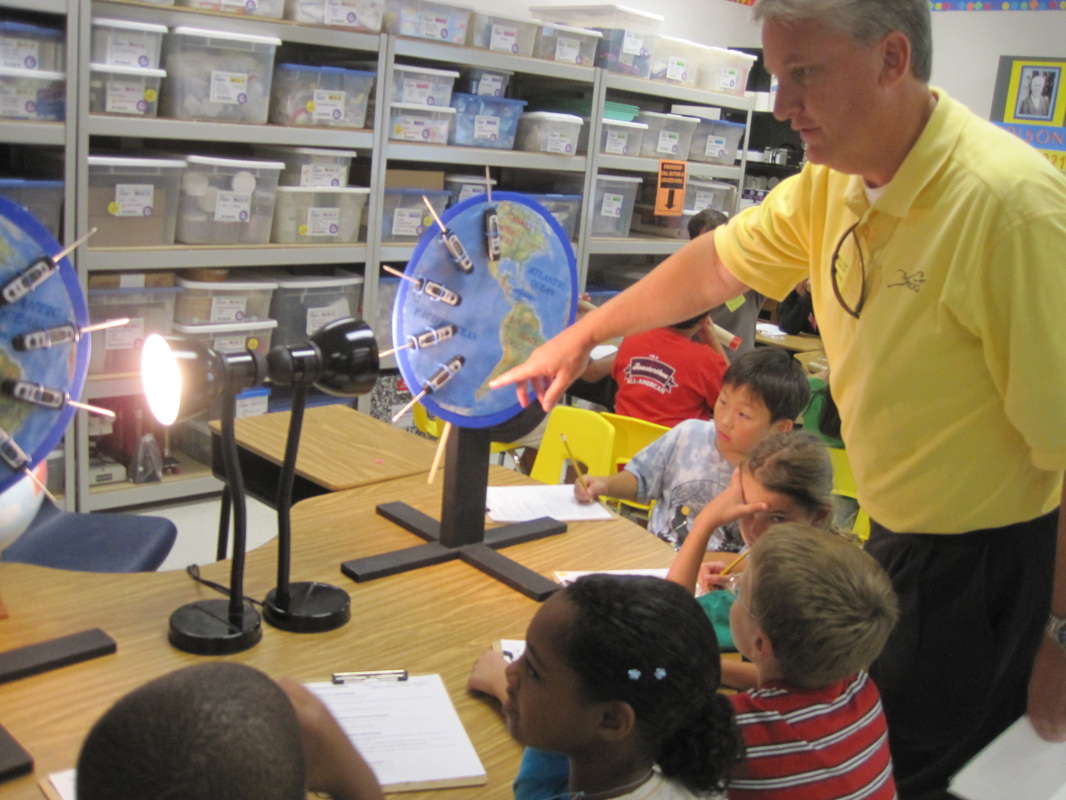
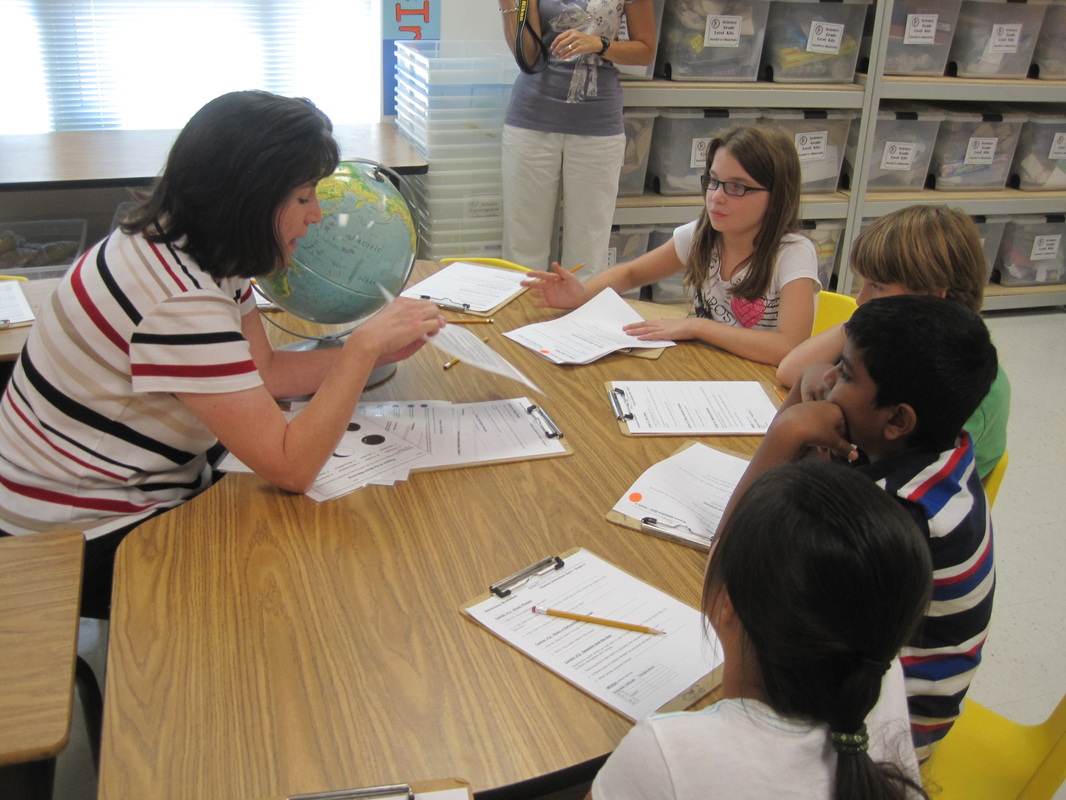
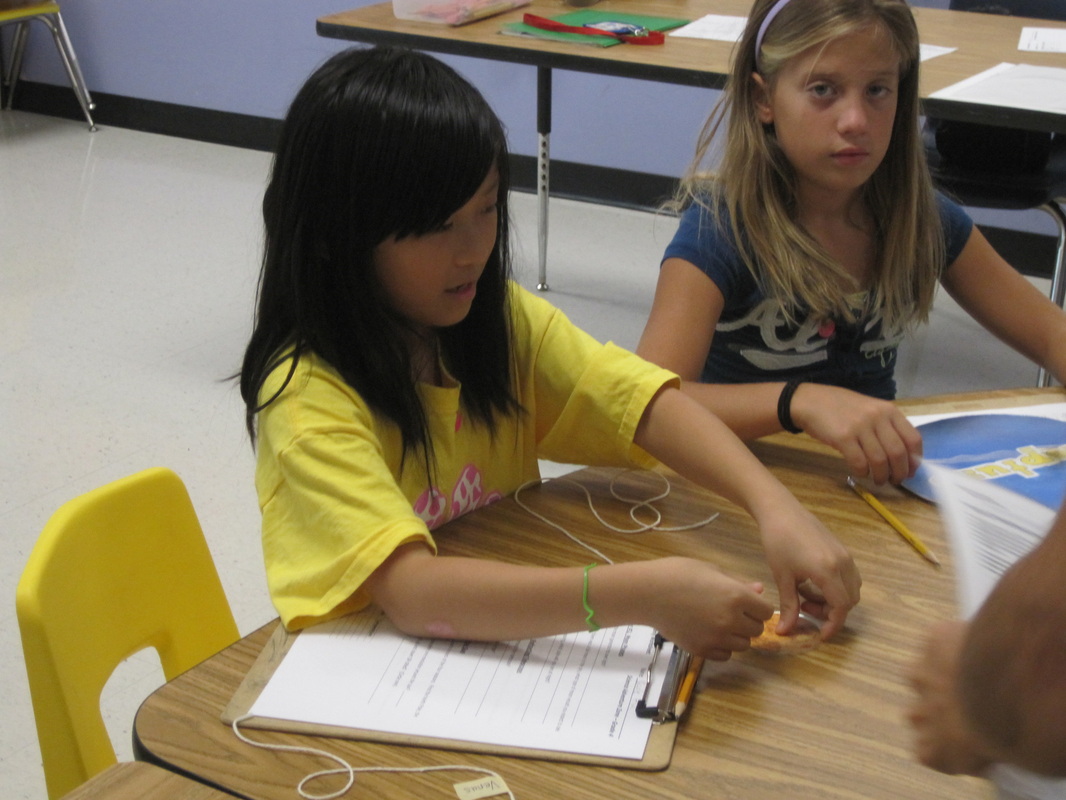
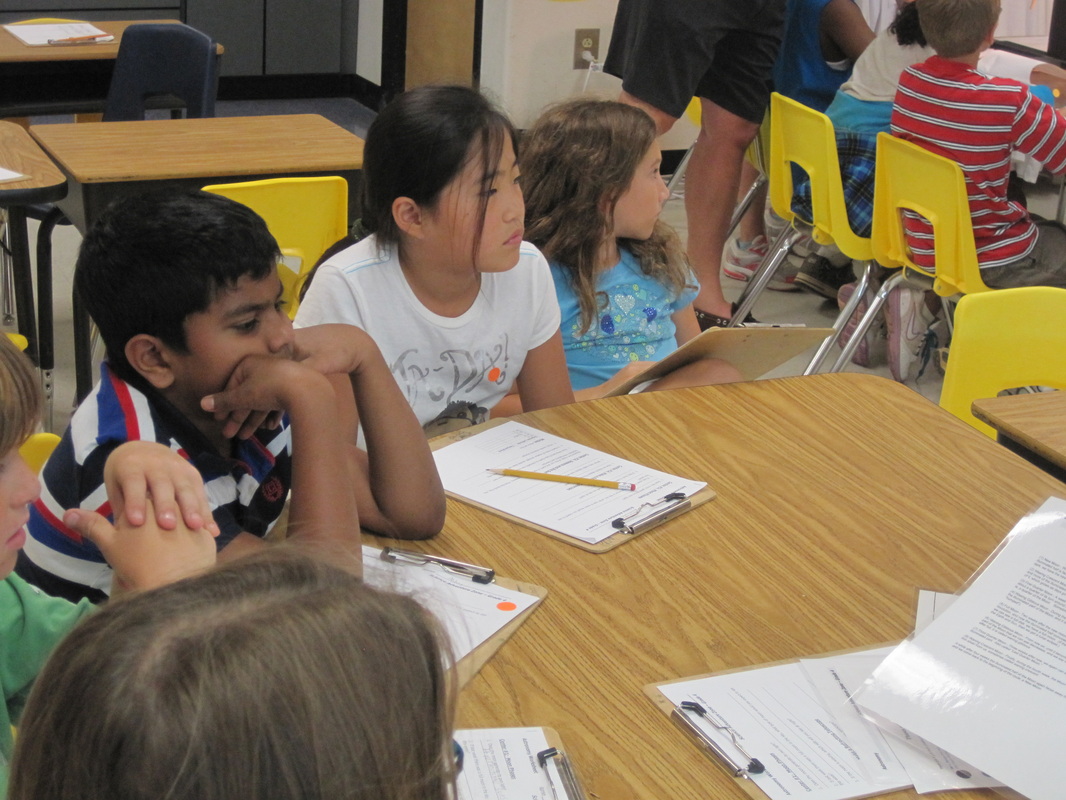
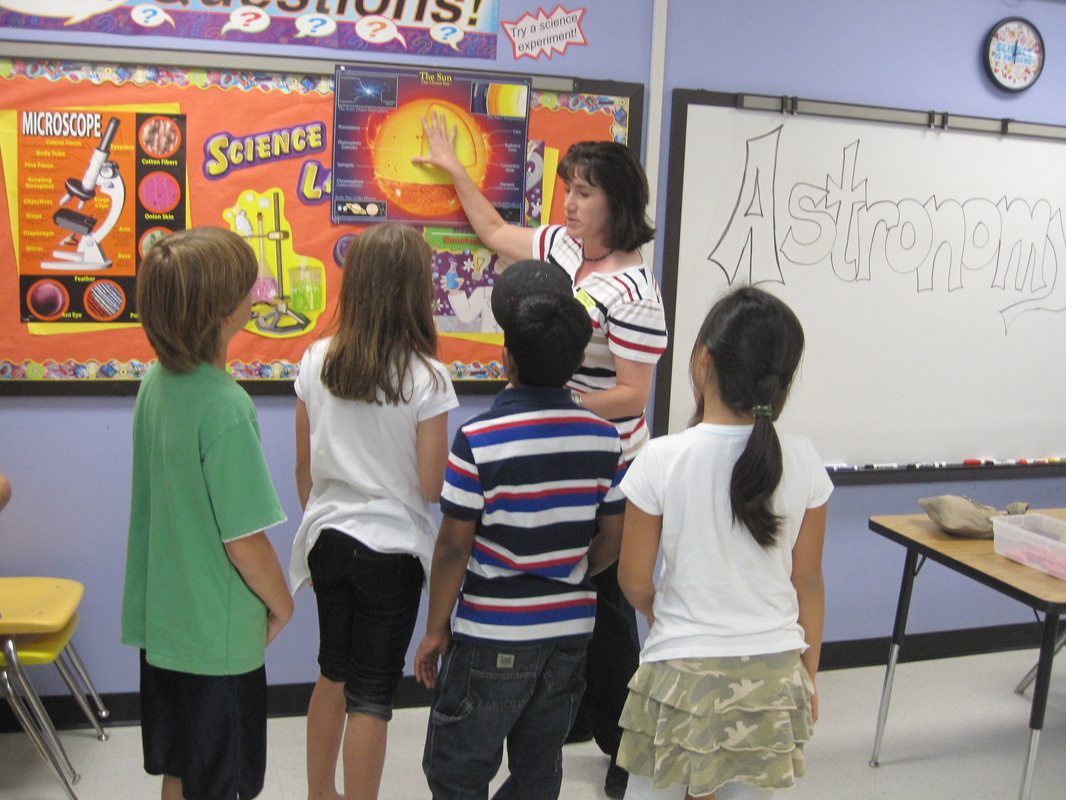
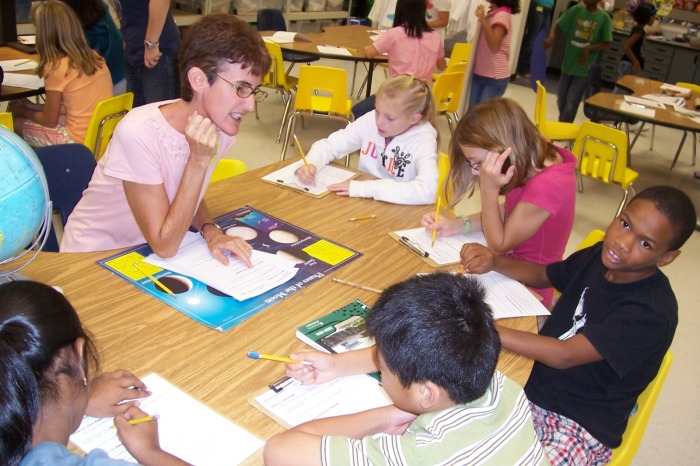
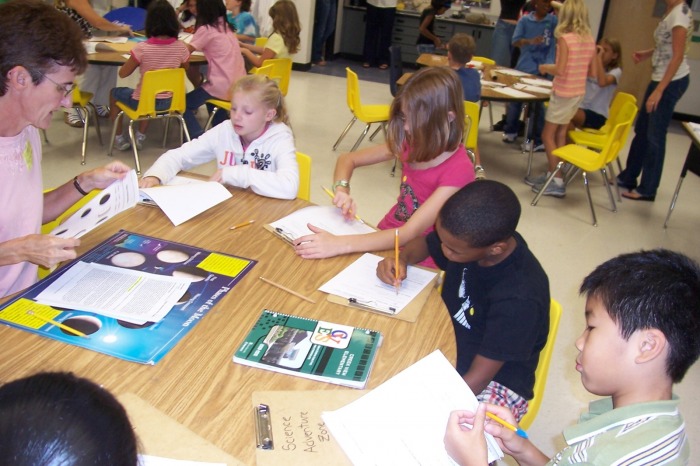
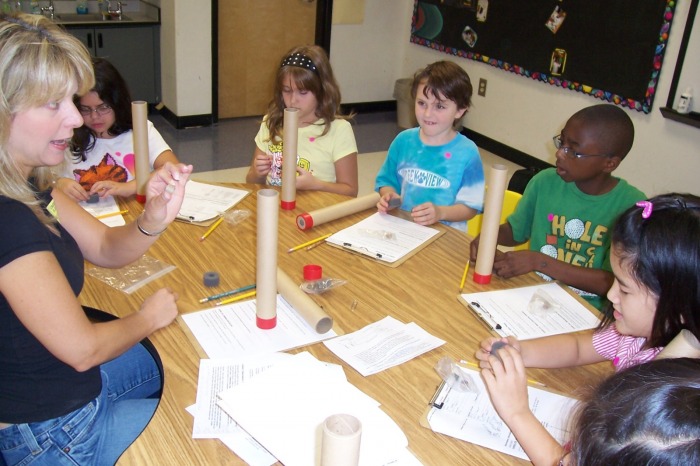
For an hour, each student rotated through 4 stations to experience hands-on our 1st unit in Science this year, the Solar System. Each student completed a lab report answering questions at each station.
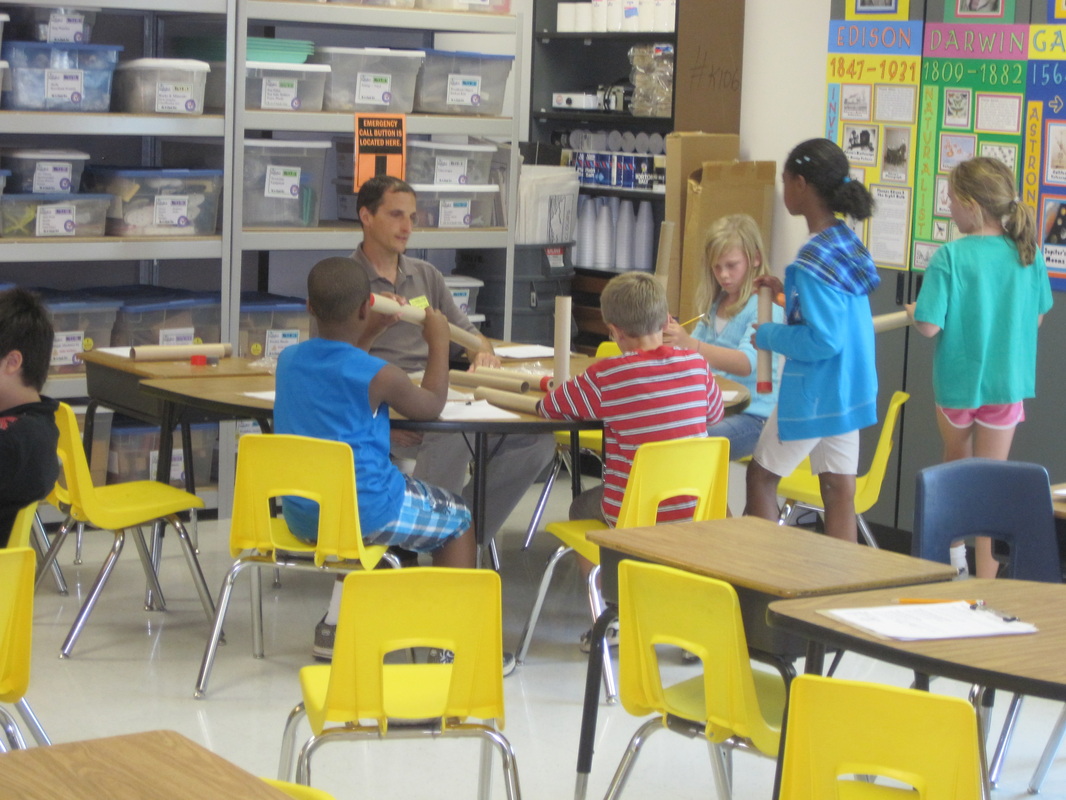
Station 1: Students made telescopes with convex and concave lenses. Students learned that scientists have used telescopes to look at the stars and planets for many centuries. One of the first to use one was Galileo. In class, we learned the differences between the optical and the radio telescope, and learned that the Hubble Telescope is the largest telescope and the one that flies in an orbit in space, used to take pictures of other galaxies. It sends digital images back to Earth for scientists to study.
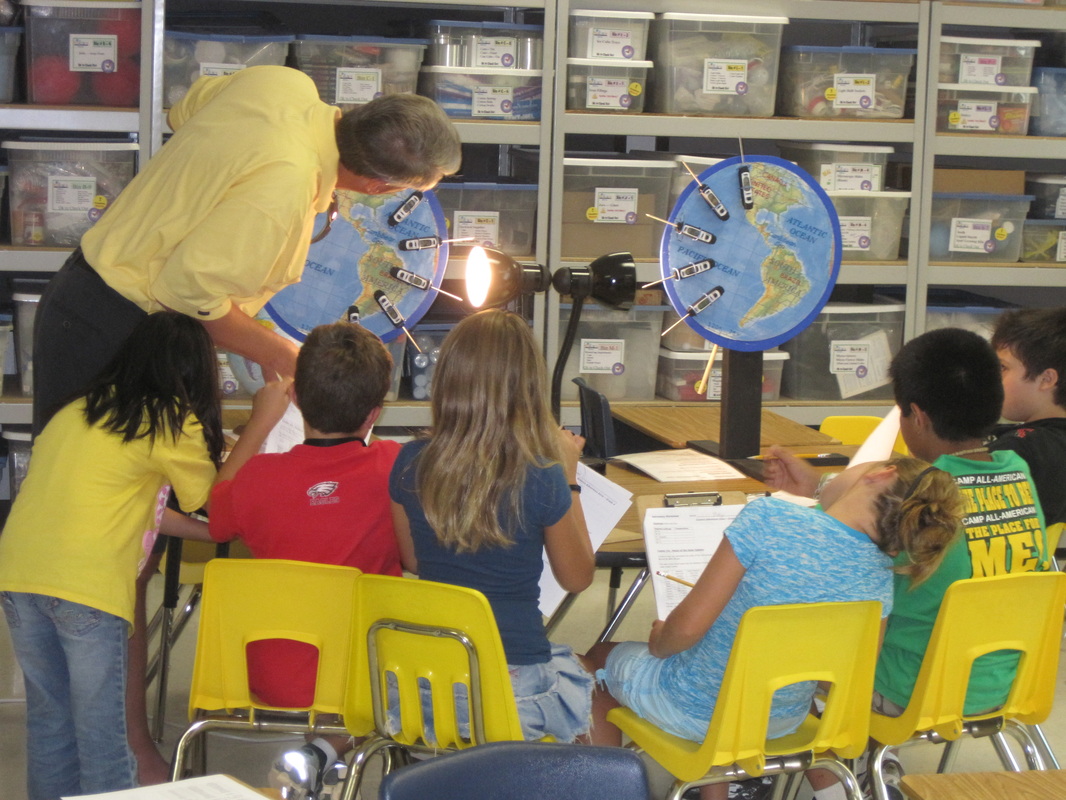
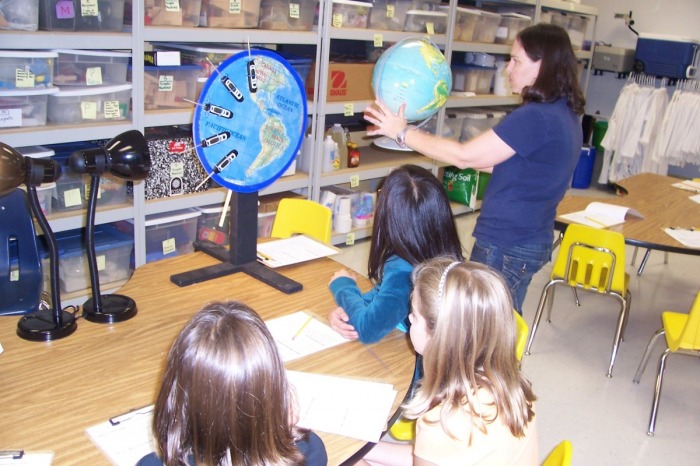
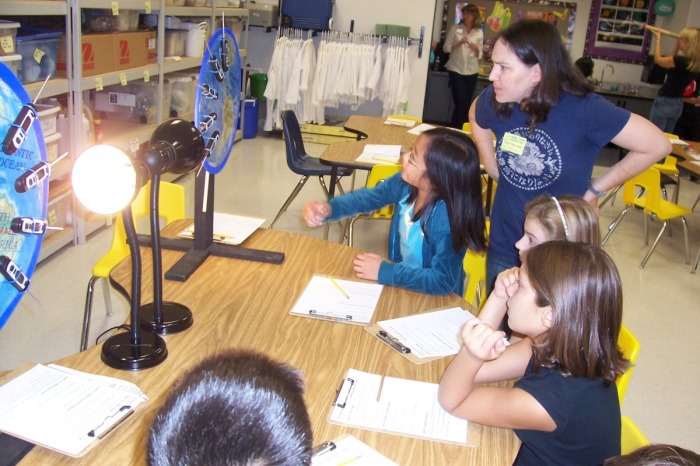
Station 2: Students learned about why we have seasons. The Earth has seasons for 2 reasons: a.) the Earth is tilted on its axis b.) the Earth revolves around the sun. In the 1st picture below, we see that the Northern Hemisphere (where we live) is experiencing winter (the lamp is the sun). Students got to see the rise or decrease in temperature with the thermometers to simulate the different seasons.
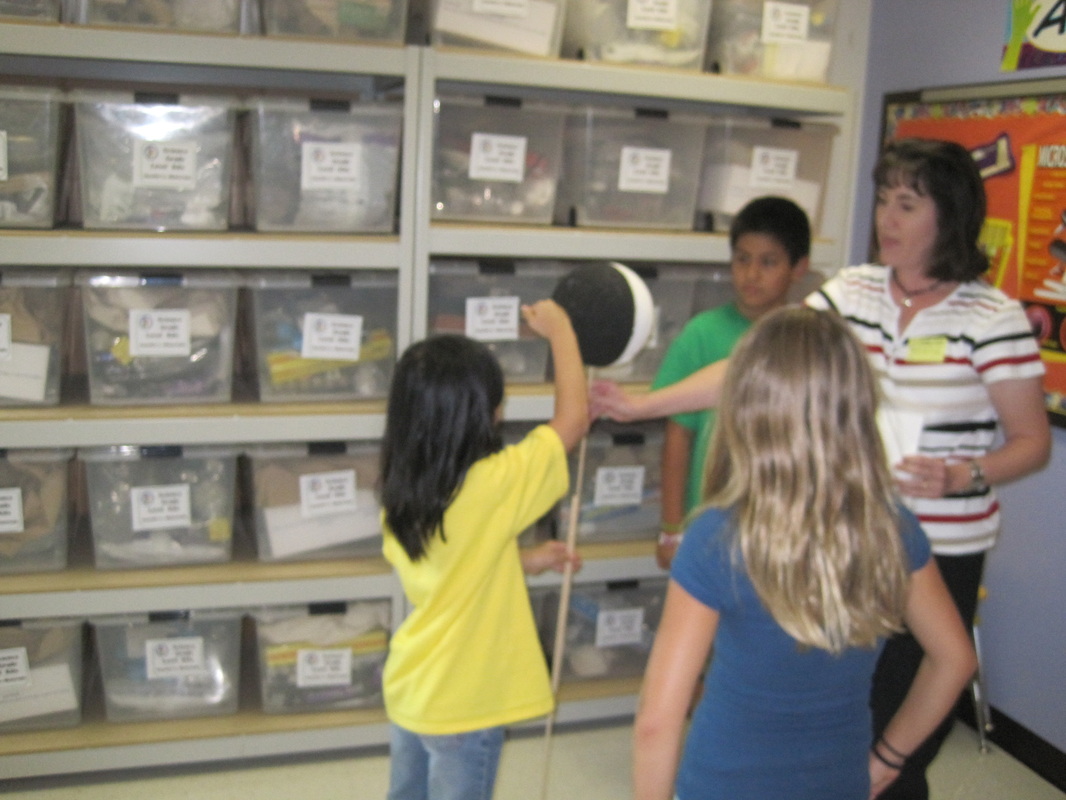
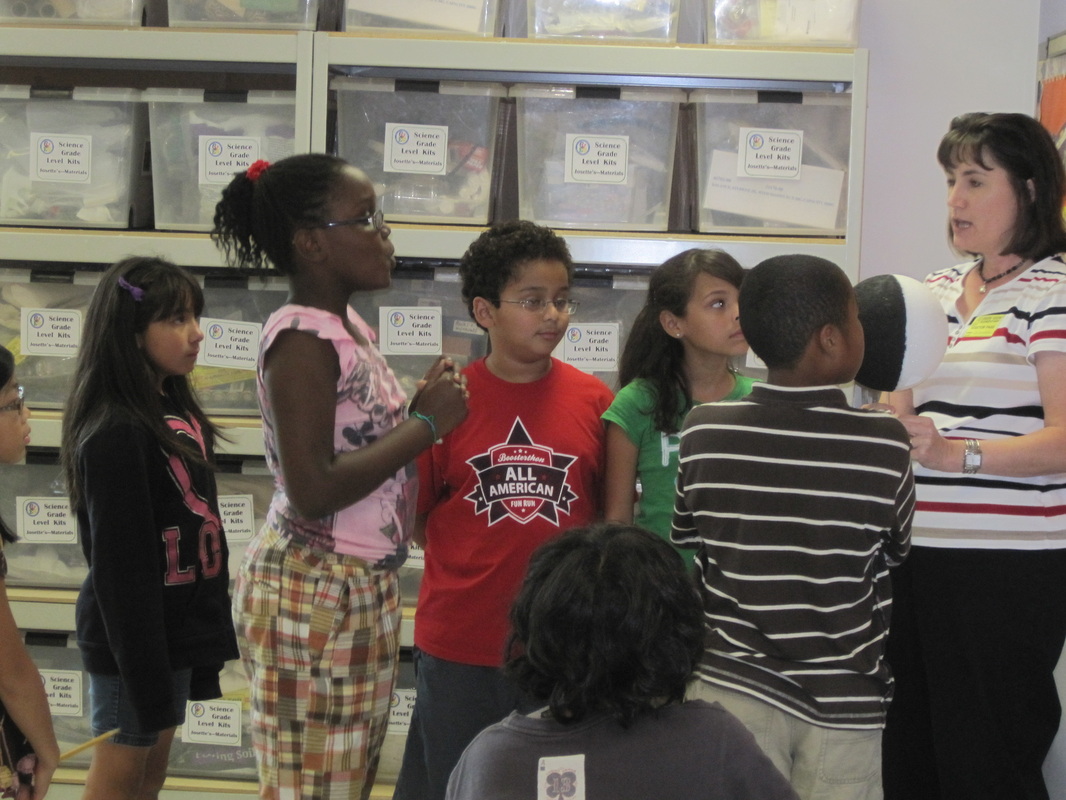
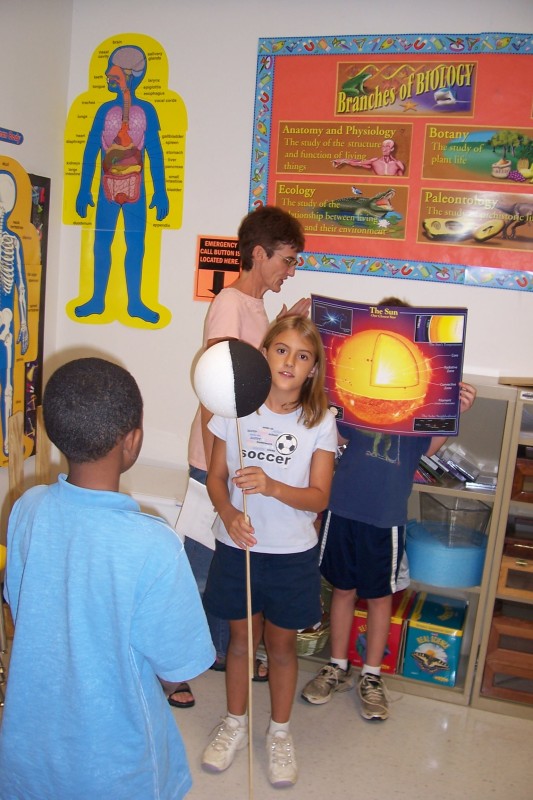
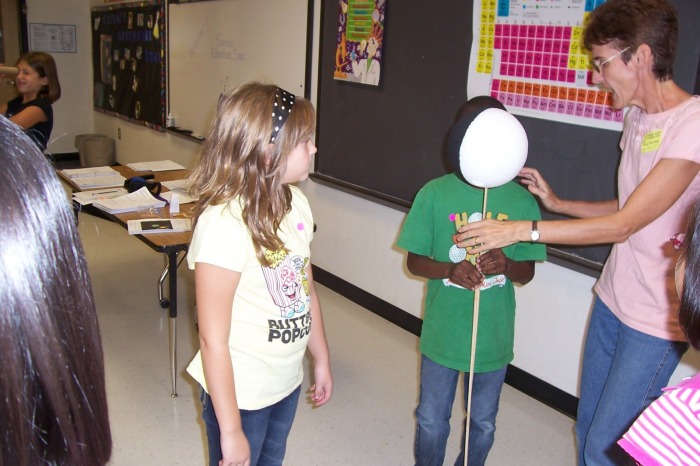
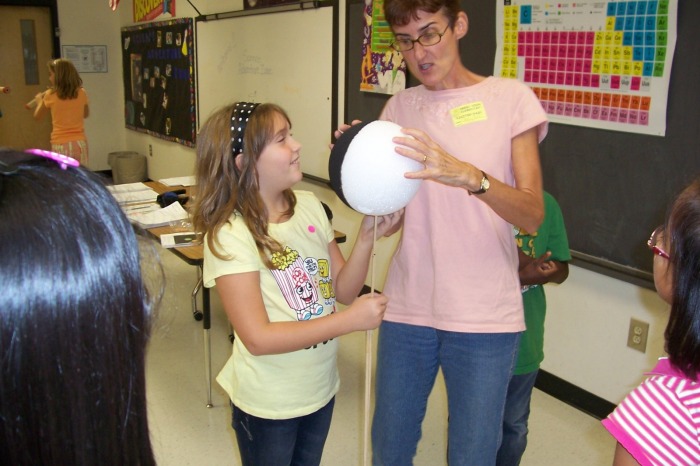
Station 3: Here, students acted as the sun, Earth, and different phases of the moon. They walked counterclockwise and viewed the styrofoam ball shaded dark and light to describe the phases of the moon and the view from Earth. The phases in order are:
a.) new moon (completely dark)
b.) waxing crescent (a little light on the right)
c.) first quarter (light on the right half) (LIGHT, BRIGHT, RIGHT)
d.) waxing gibbous (light on the right side)
e.) full moon (completely lit)
f.) waning gibbous (getting darker - a little light on the left)
g.) third quarter (LIGHT on the LEFT is LAST)
h.) waning crescent (a little light on the left - mostly dark)
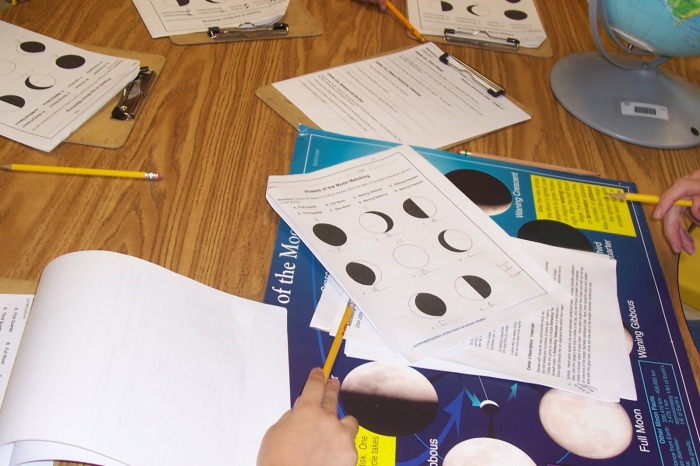
Students then completed a worksheet to match the phases with the name. Students used this sheet to review for a quiz on the phases.
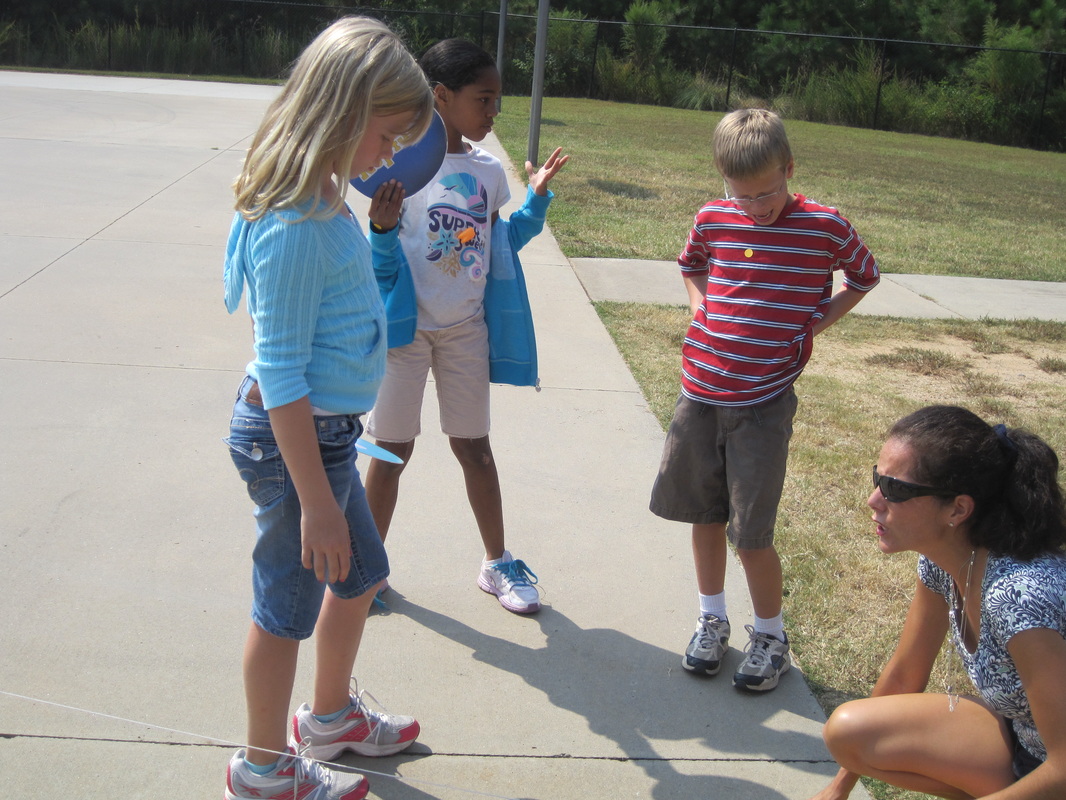
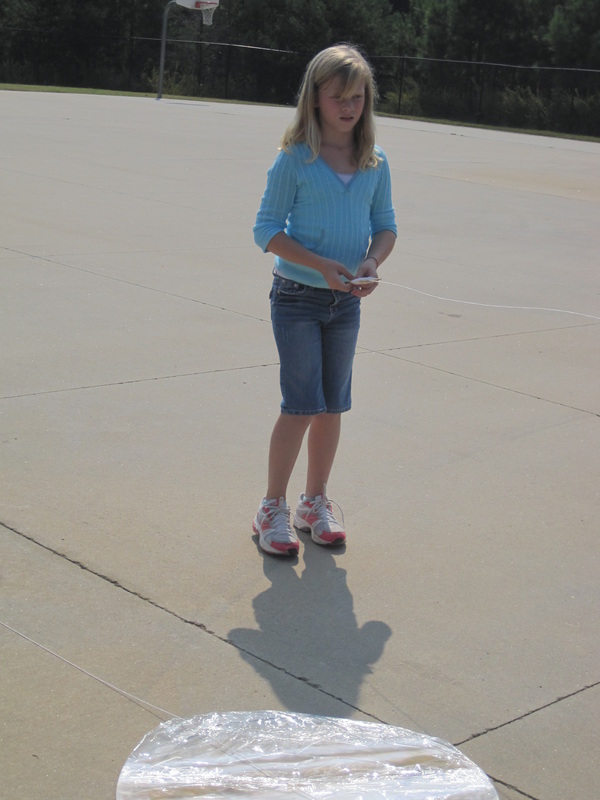
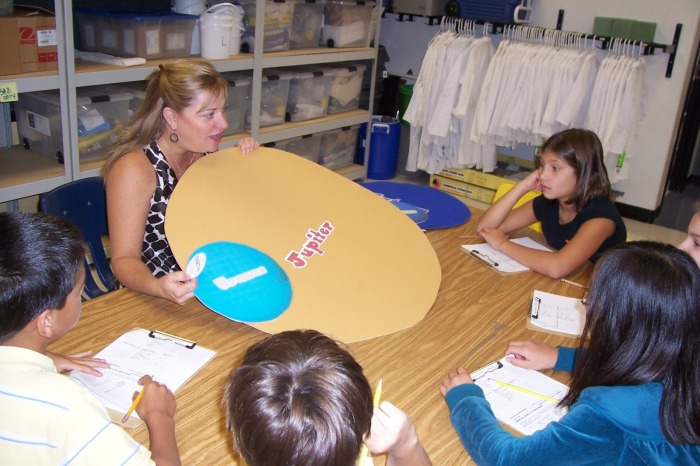
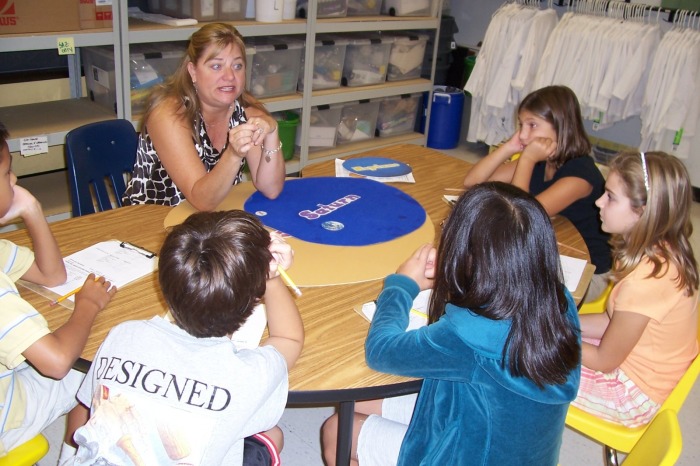
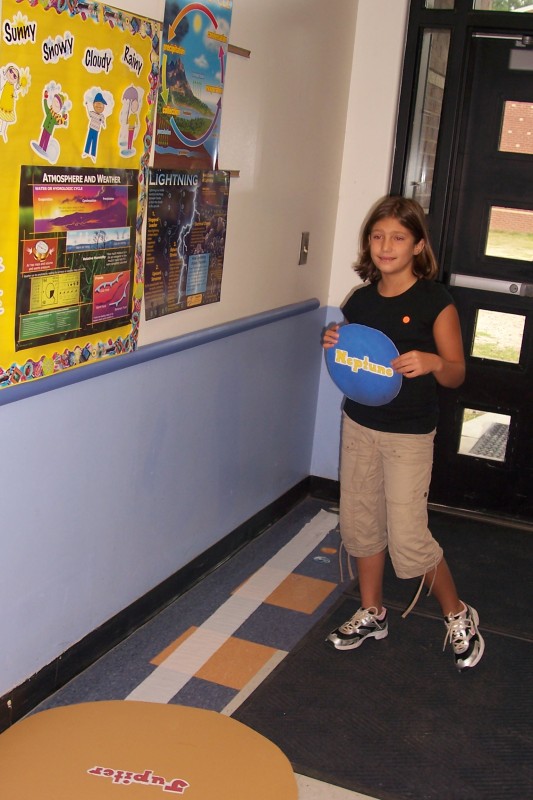
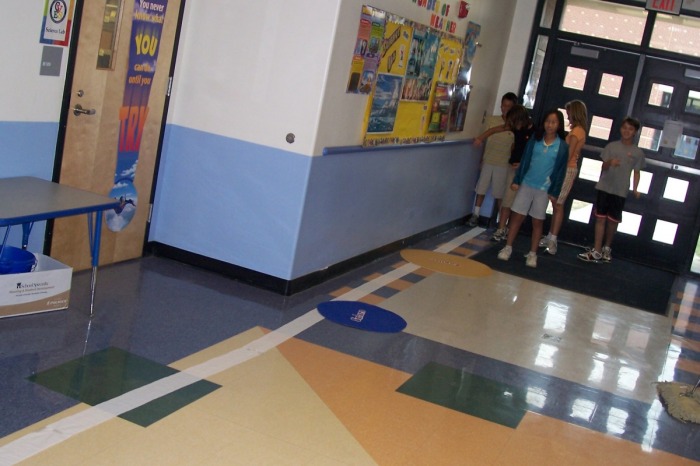
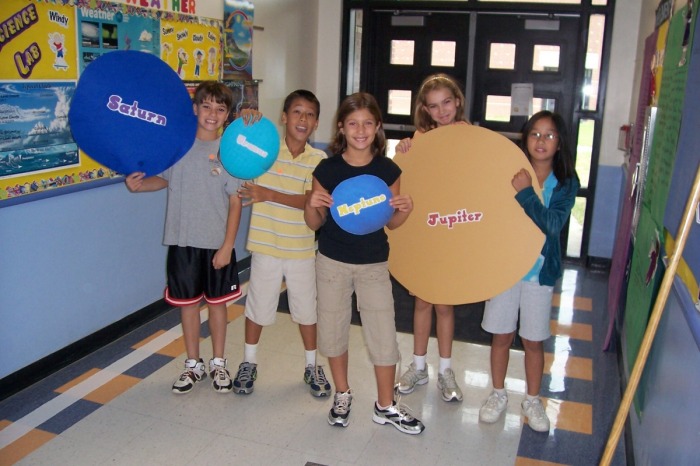
Station 4: In the final station, students learned the order of the planets of the Solar System (Mercury, Venus, Earth, Mars, Asteroid Belt, Jupiter, Saturn, Uranus, Neptune) and the relative size of each, and their distances between each other. Students went into the hallway to compare their distances, using a line of toilet paper to place each planet, beginning from the sun. You can see in the pictures how much bigger the outer planets (Jupiter, Saturn, Uranus, Neptune) are from the inner planets! (Mercury, Venus, Earth, Mars)
Station 1: Students made telescopes with convex and concave lenses. Students learned that scientists have used telescopes to look at the stars and planets for many centuries. One of the first to use one was Galileo. In class, we learned the differences between the optical and the radio telescope, and learned that the Hubble Telescope is the largest telescope and the one that flies in an orbit in space, used to take pictures of other galaxies. It sends digital images back to Earth for scientists to study.
Station 2: Students learned about why we have seasons. The Earth has seasons for 2 reasons: a.) the Earth is tilted on its axis b.) the Earth revolves around the sun. In the 1st picture below, we see that the Northern Hemisphere (where we live) is experiencing winter (the lamp is the sun). Students got to see the rise or decrease in temperature with the thermometers to simulate the different seasons.
Station 3: Here, students acted as the sun, Earth, and different phases of the moon. They walked counterclockwise and viewed the styrofoam ball shaded dark and light to describe the phases of the moon and the view from Earth. The phases in order are:
a.) new moon (completely dark)
b.) waxing crescent (a little light on the right)
c.) first quarter (light on the right half) (LIGHT, BRIGHT, RIGHT)
d.) waxing gibbous (light on the right side)
e.) full moon (completely lit)
f.) waning gibbous (getting darker - a little light on the left)
g.) third quarter (LIGHT on the LEFT is LAST)
h.) waning crescent (a little light on the left - mostly dark)
Students then completed a worksheet to match the phases with the name. Students used this sheet to review for a quiz on the phases.
Station 4: In the final station, students learned the order of the planets of the Solar System (Mercury, Venus, Earth, Mars, Asteroid Belt, Jupiter, Saturn, Uranus, Neptune) and the relative size of each, and their distances between each other. Students went into the hallway to compare their distances, using a line of toilet paper to place each planet, beginning from the sun. You can see in the pictures how much bigger the outer planets (Jupiter, Saturn, Uranus, Neptune) are from the inner planets! (Mercury, Venus, Earth, Mars)
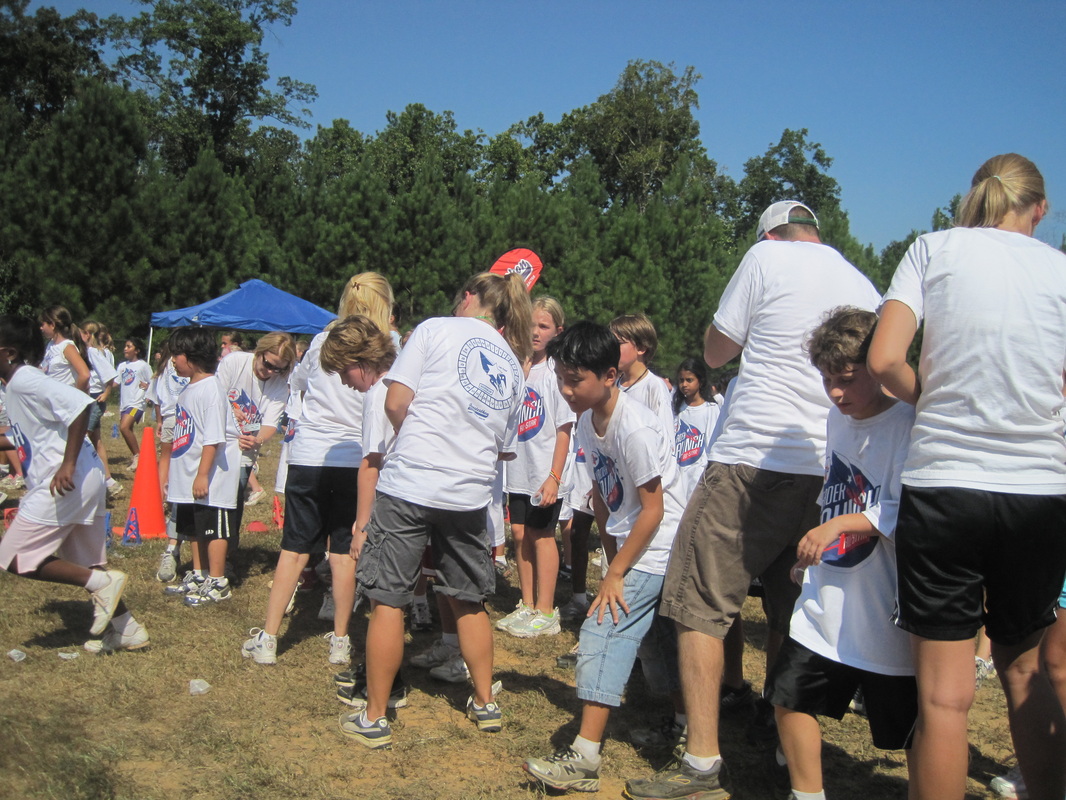
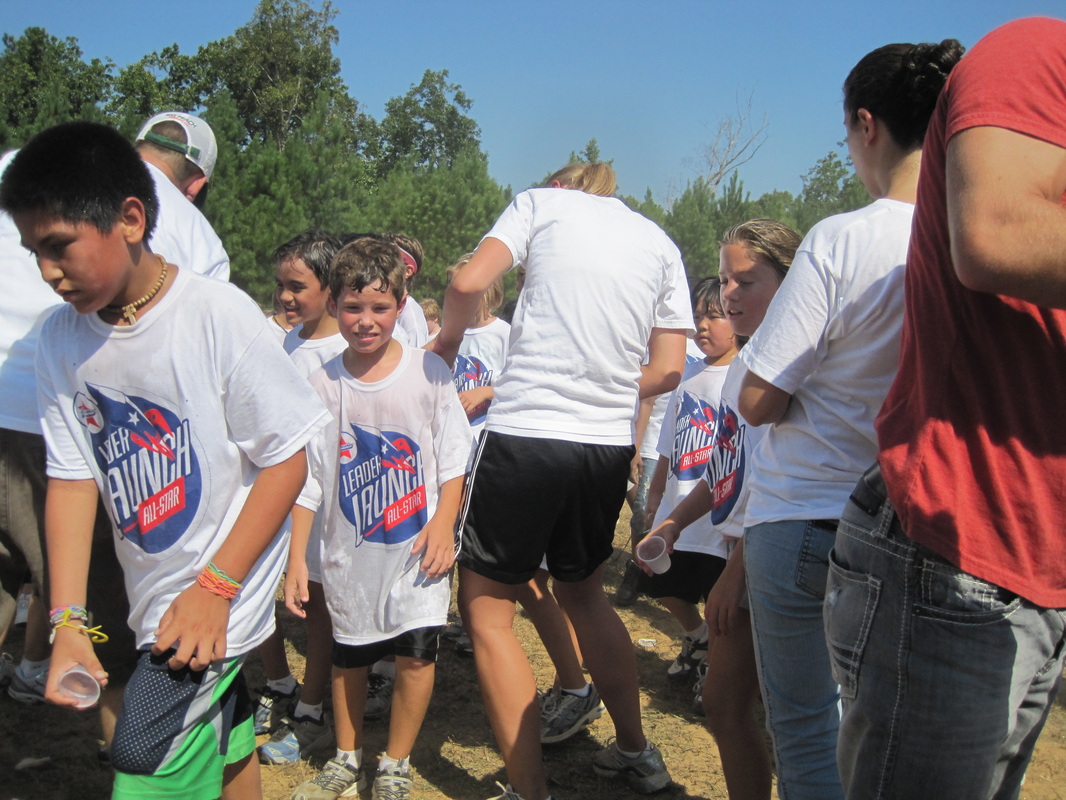
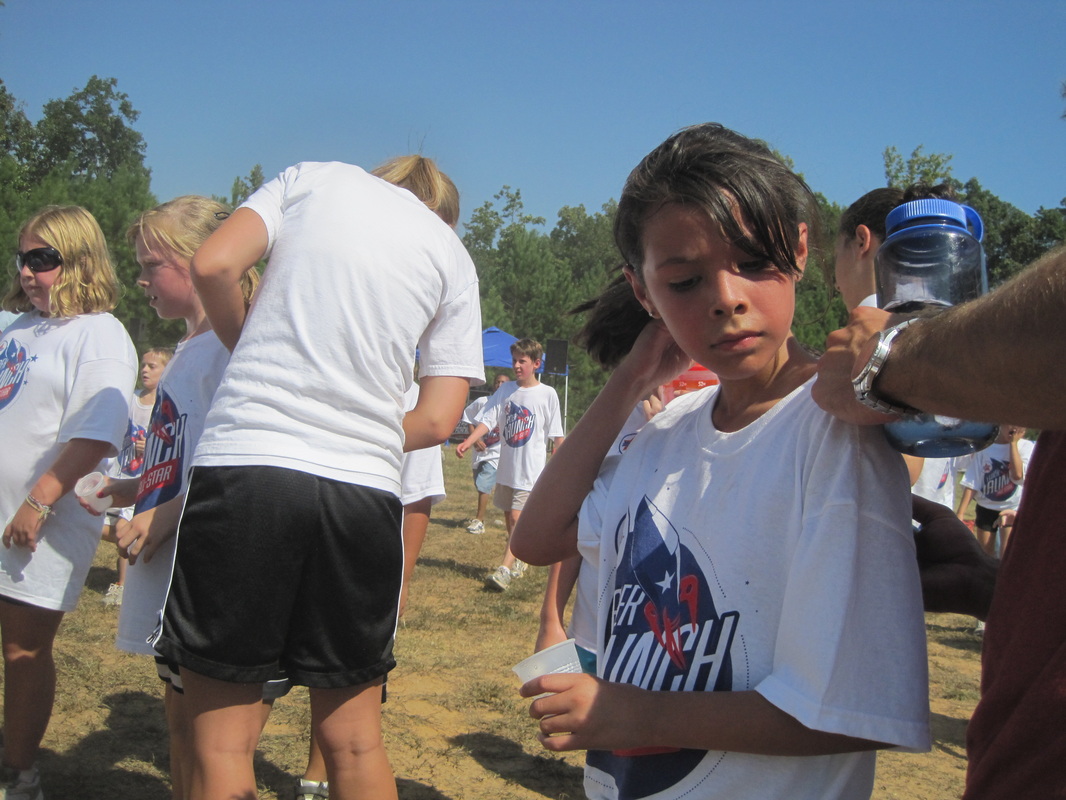
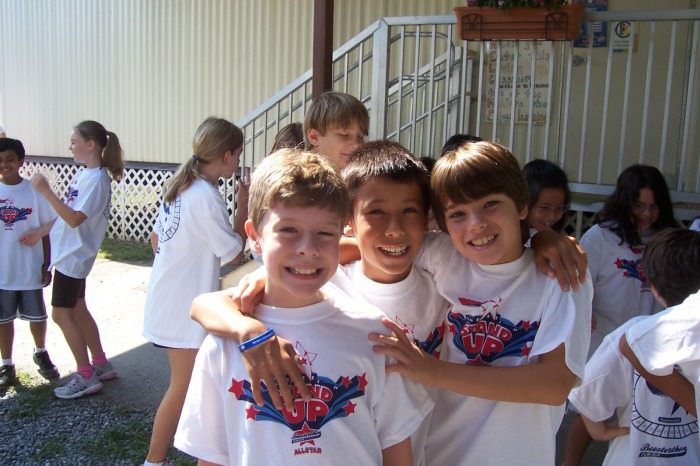
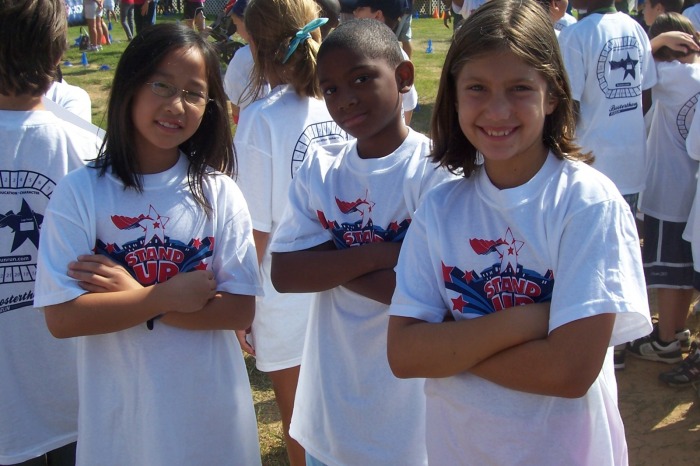
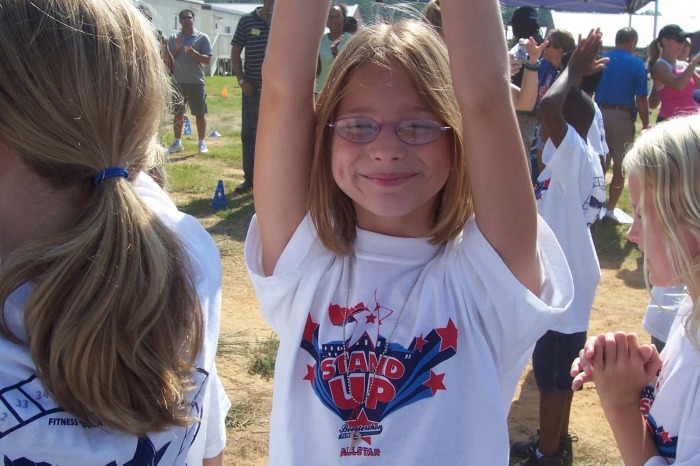
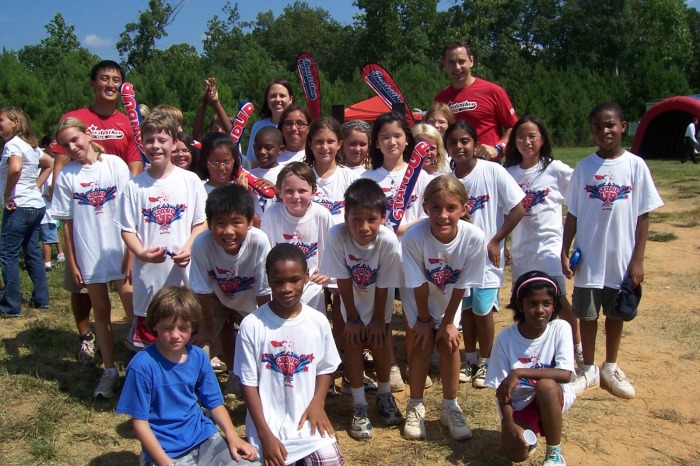
Boosterthon
Sept. 15, 2010
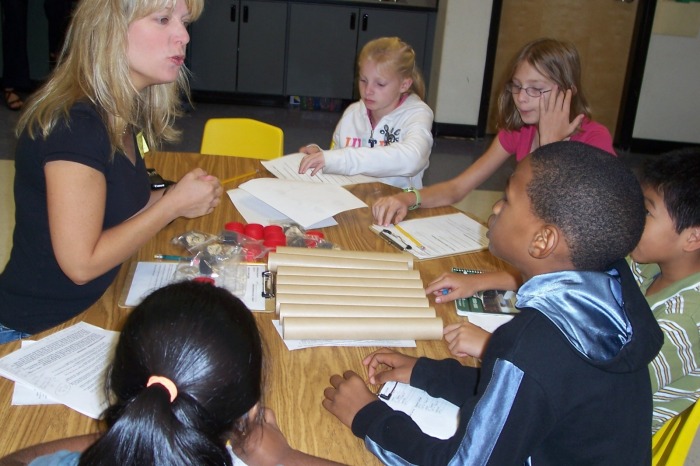
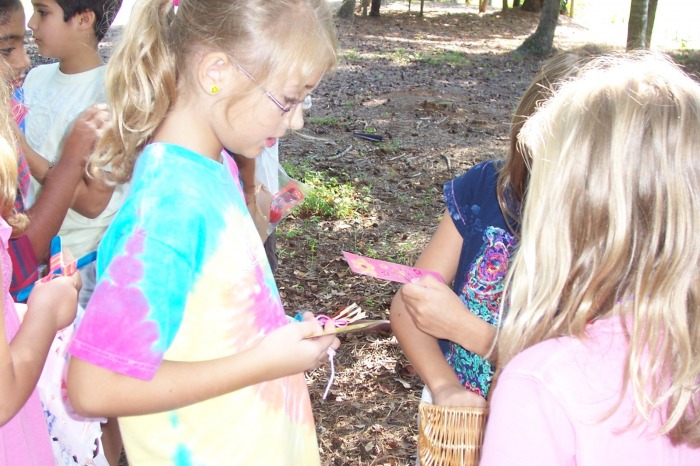
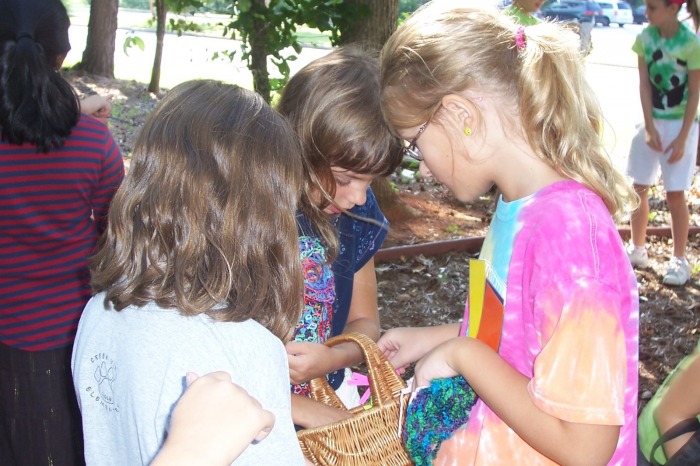
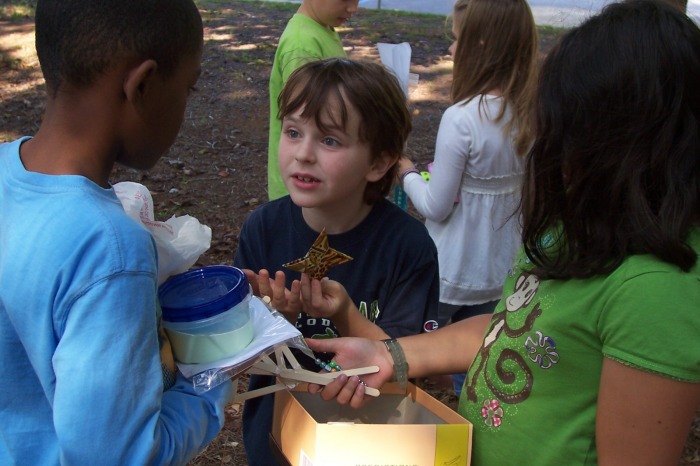
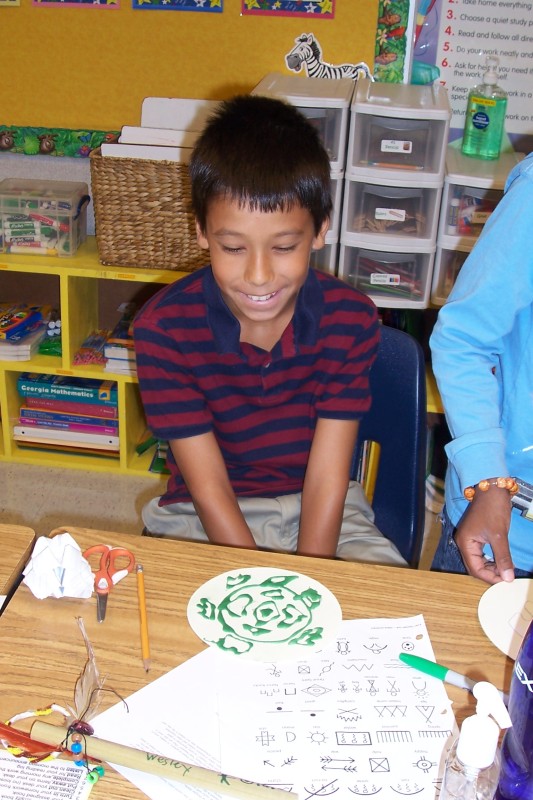
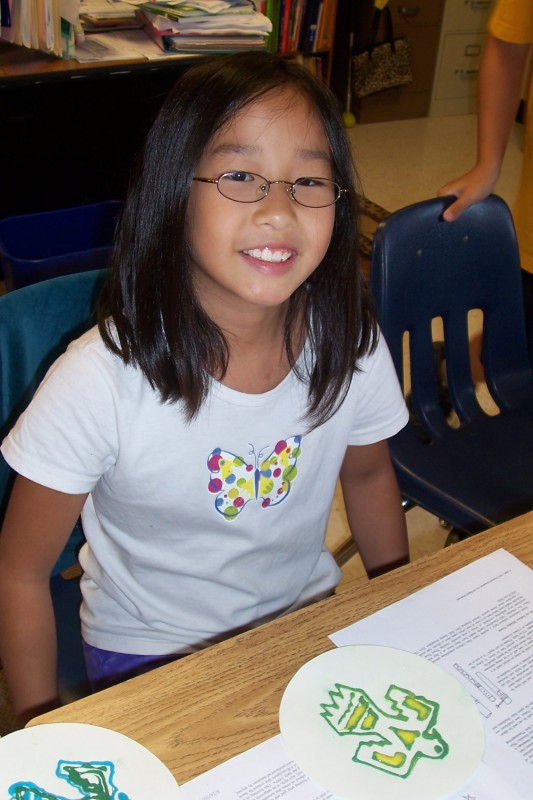
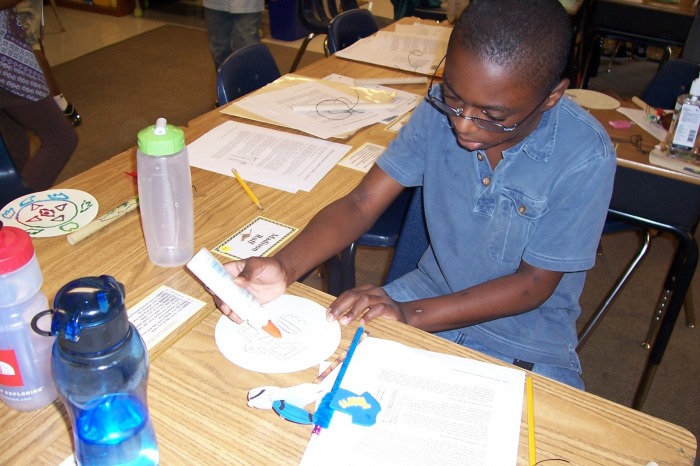
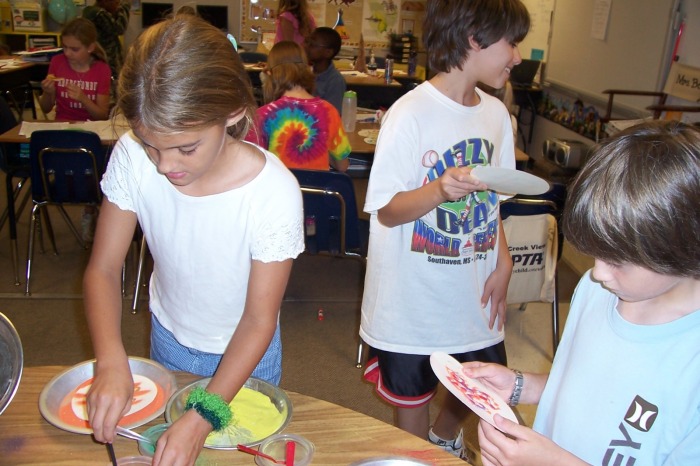
Native American Potlatch
September 10, 2010
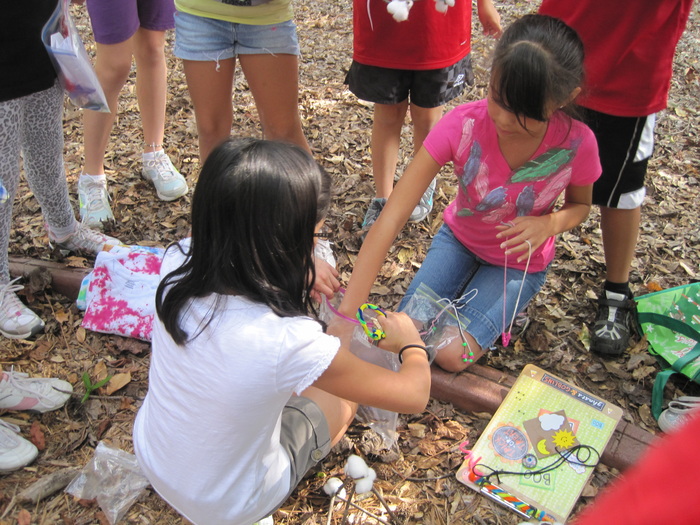
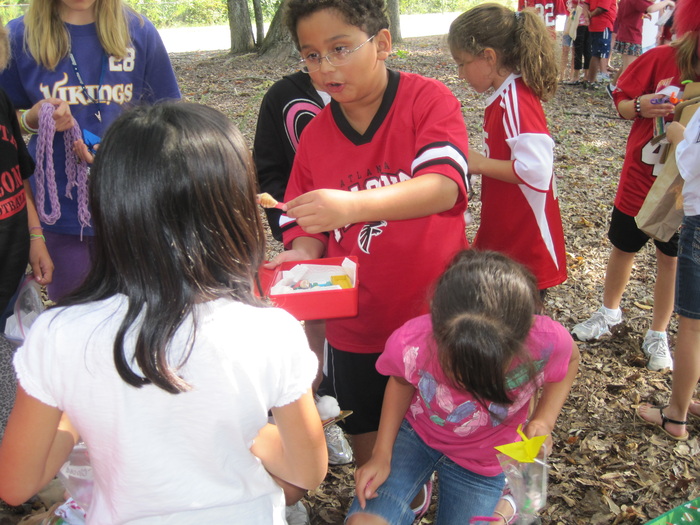
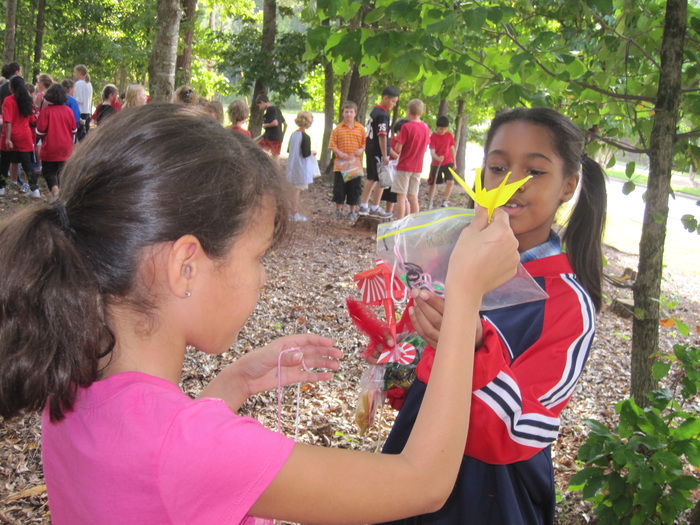
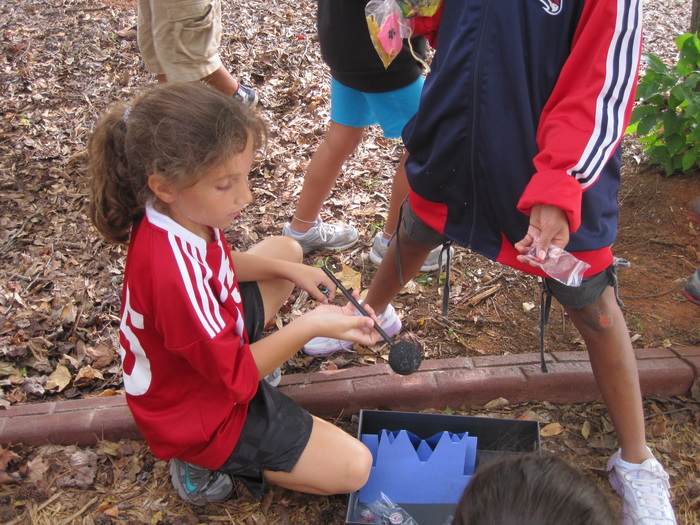
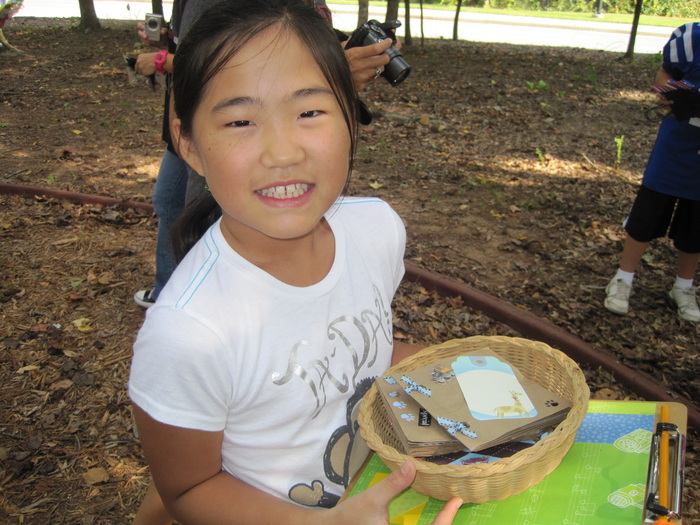
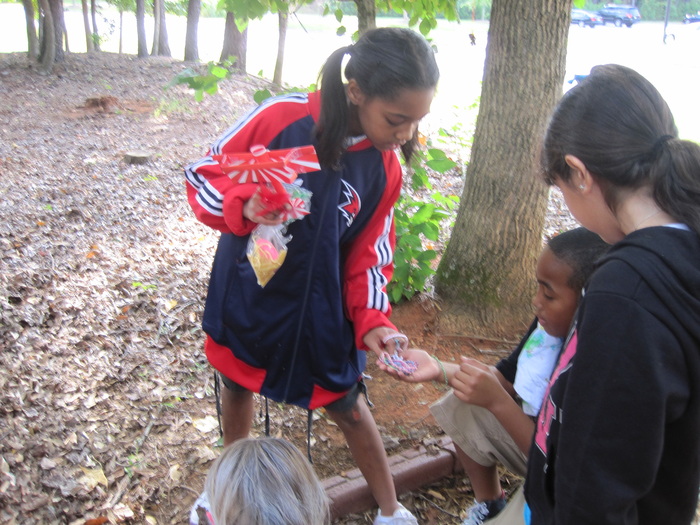
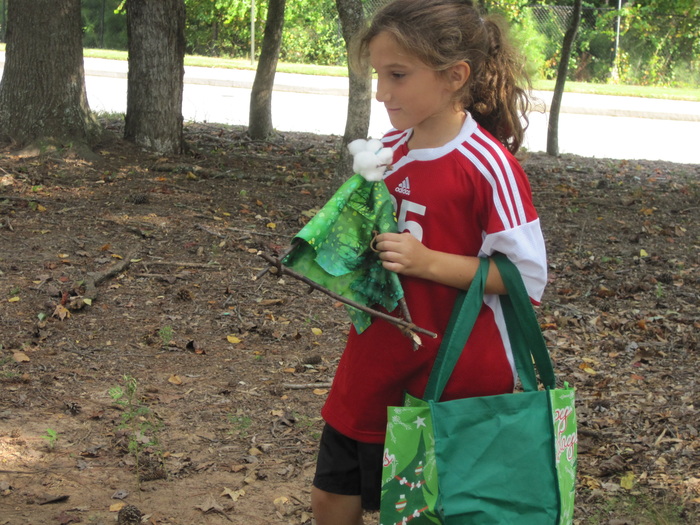
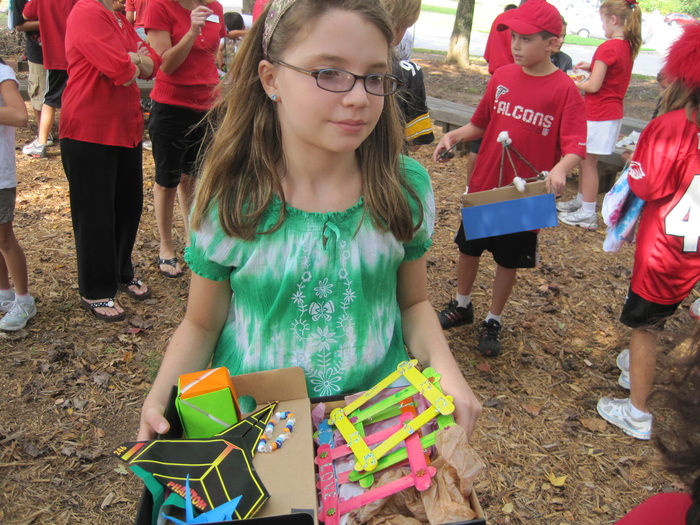
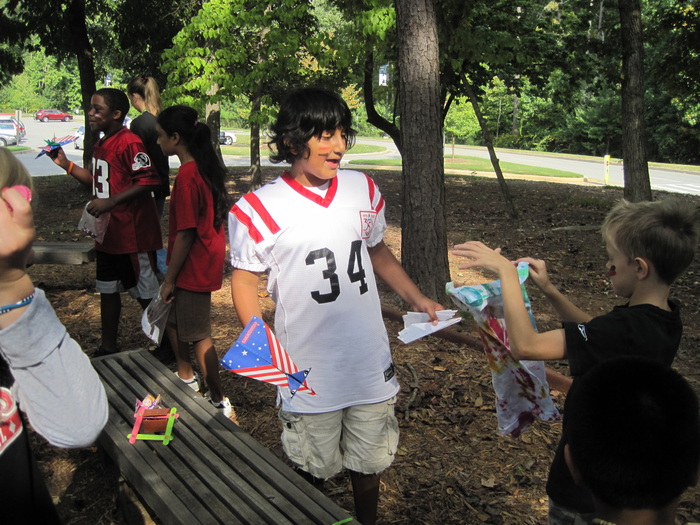
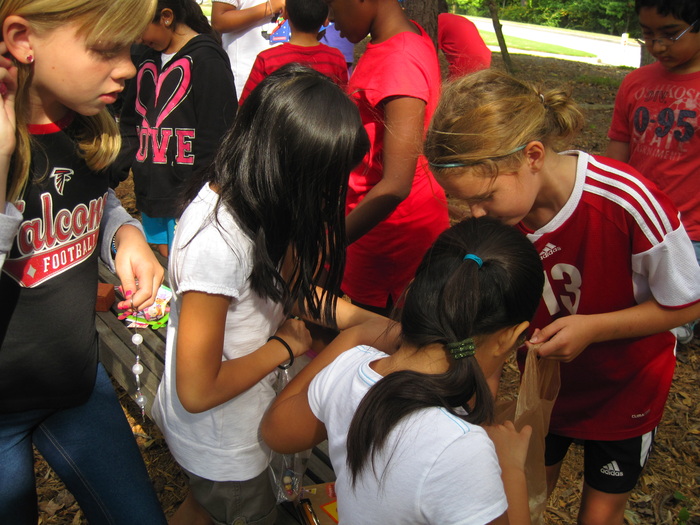
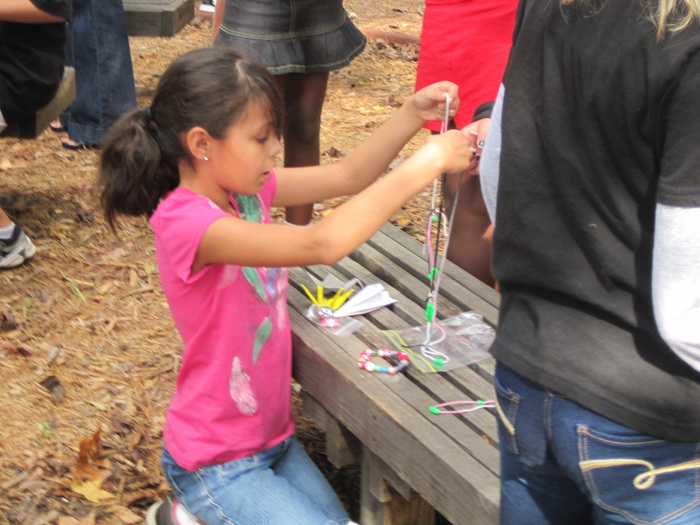
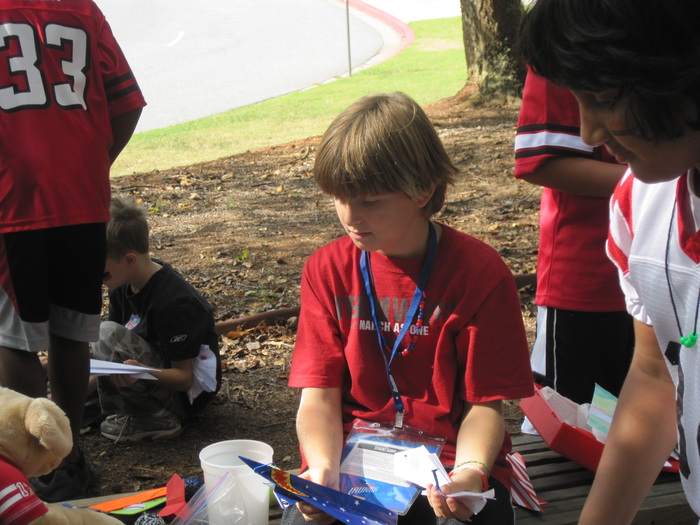
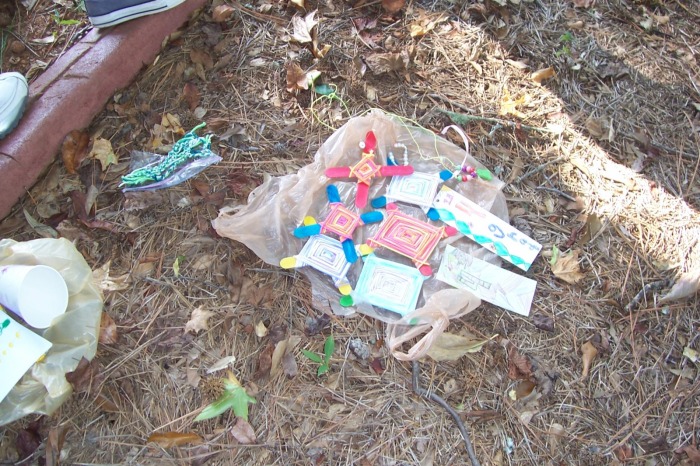
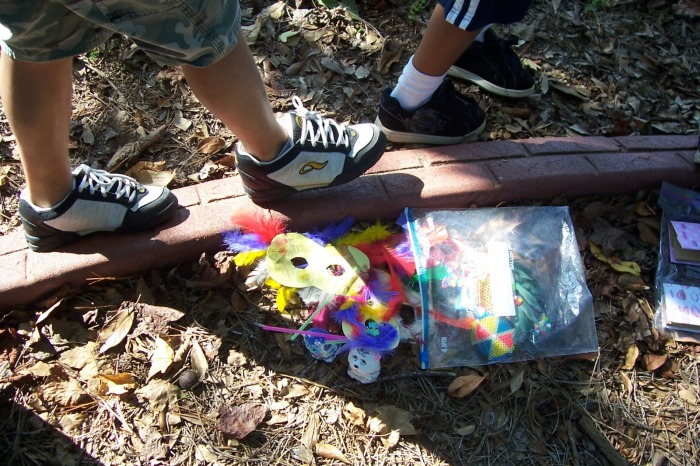
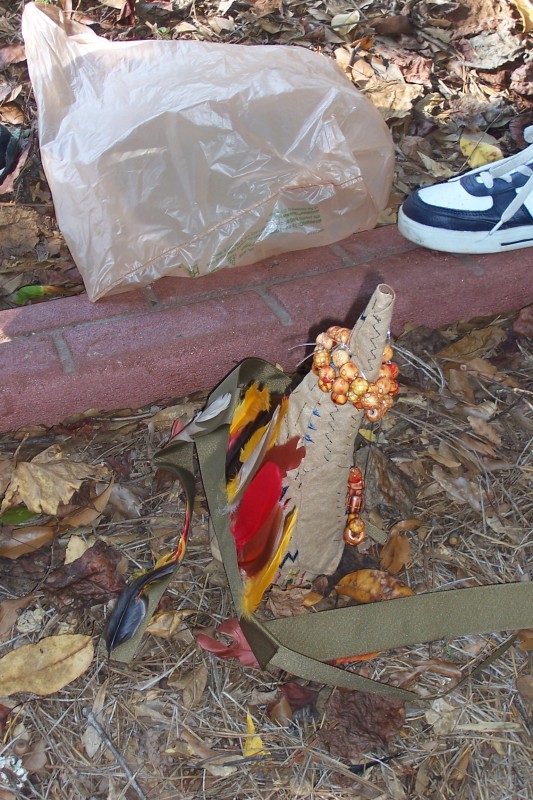
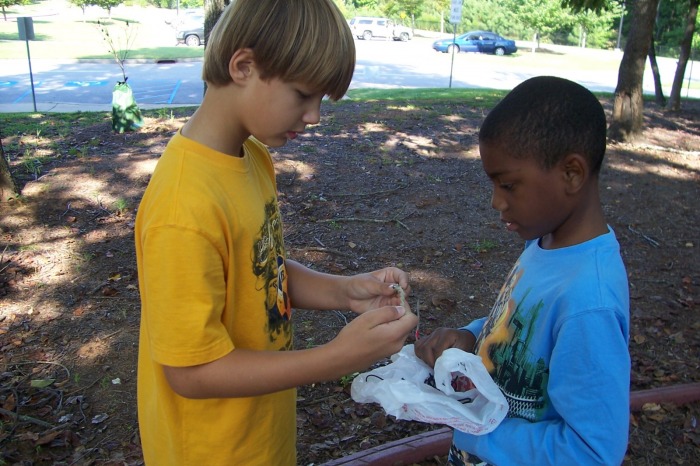
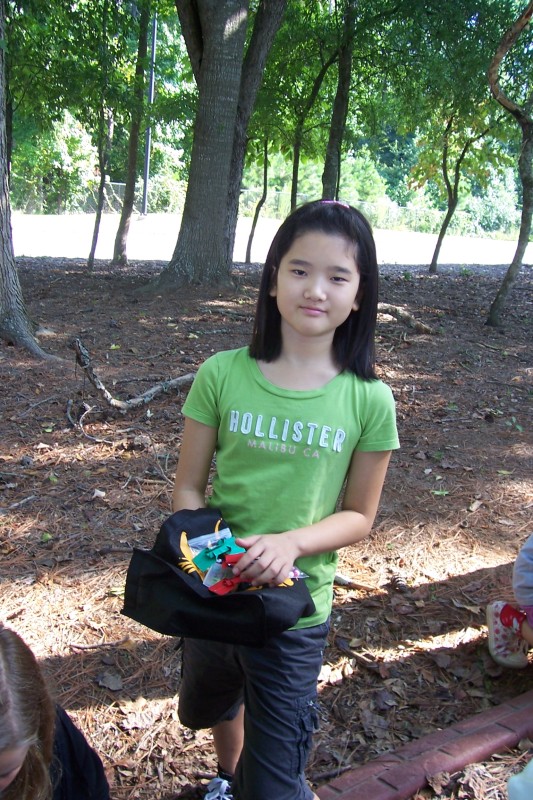
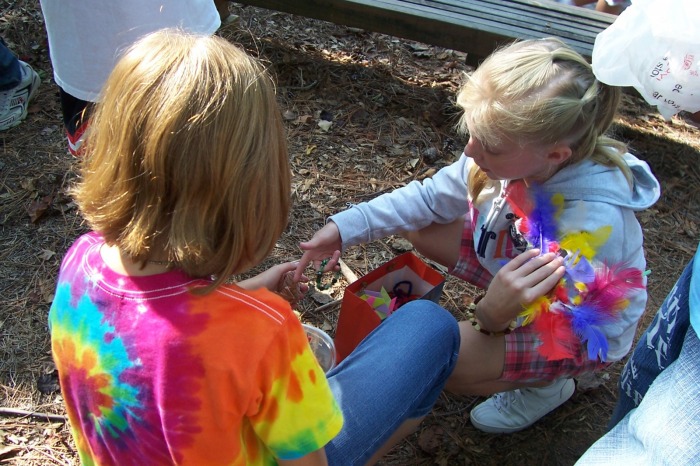
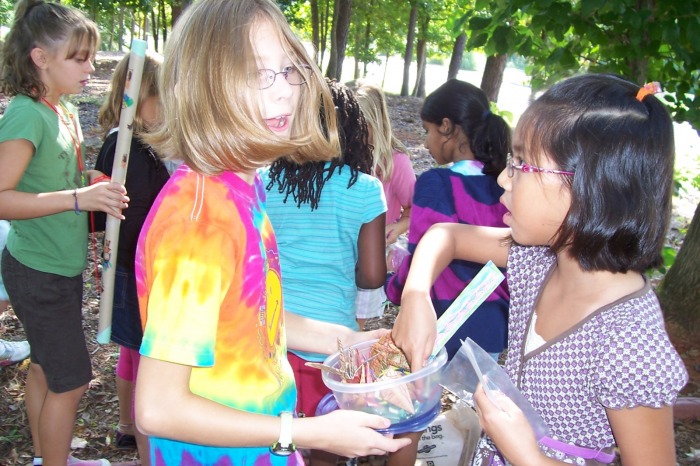
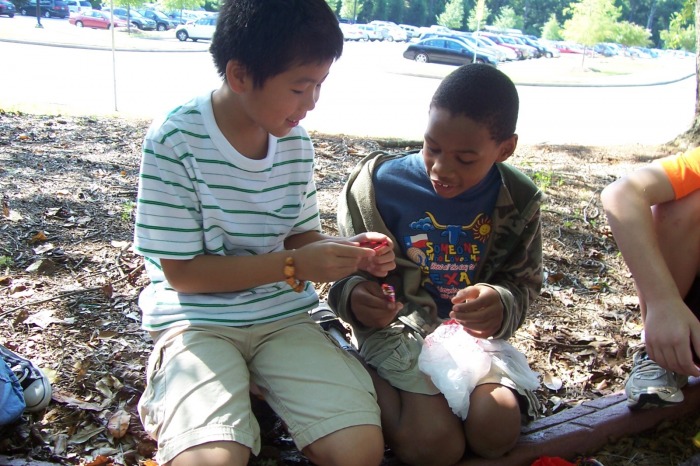
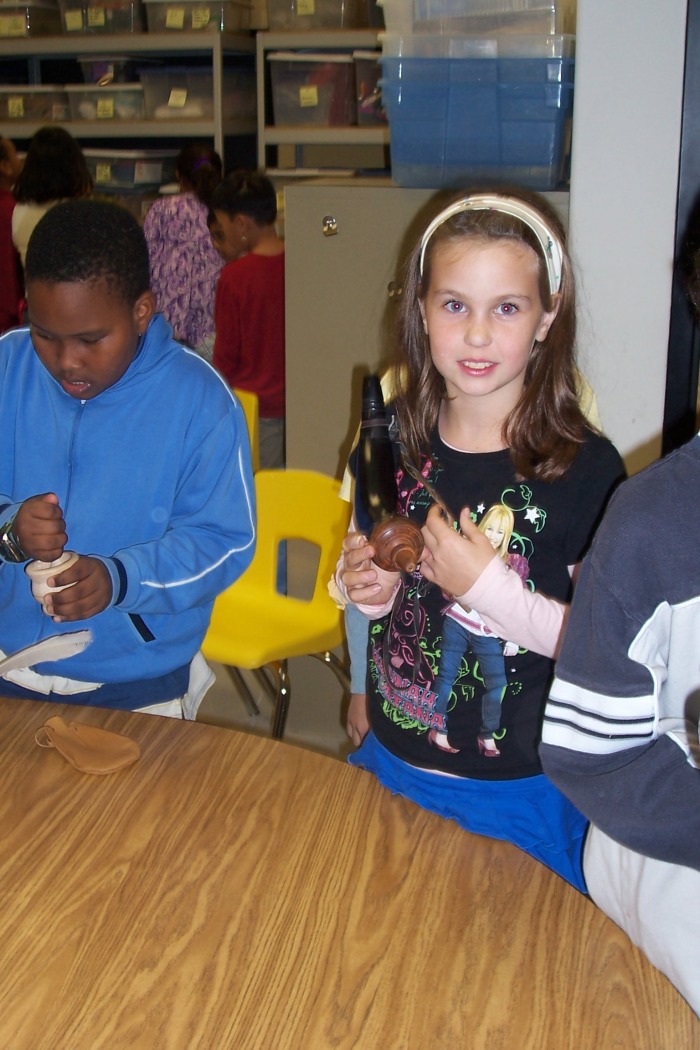
We traded with Ms. Coats' class in the Outdoor Classroom. The kids had so much fun bartering and celebrating a Kwakiutl Potlatch! The children then made an ownership stick and played the moccasin game, popular with Native Americans. What a great day!
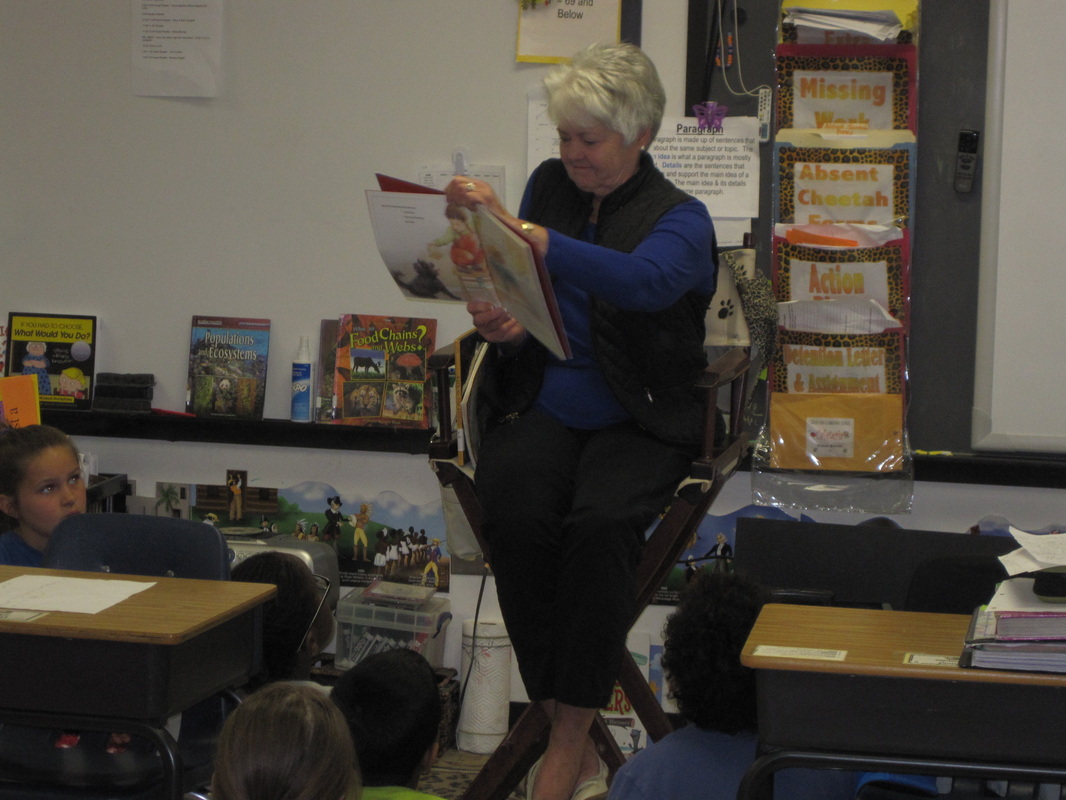
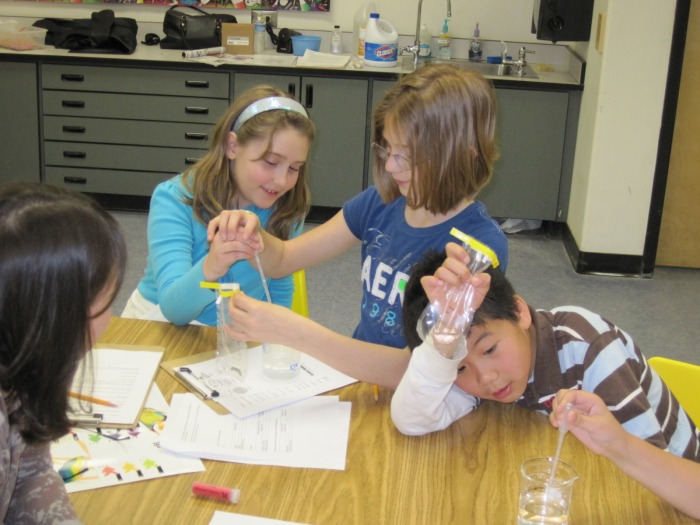
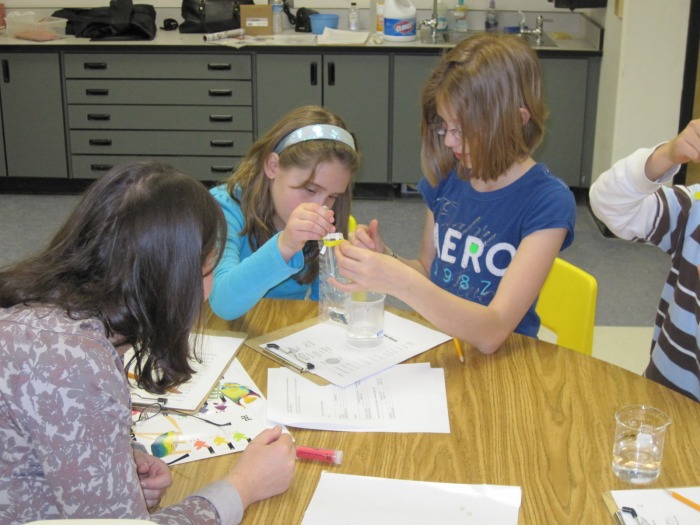
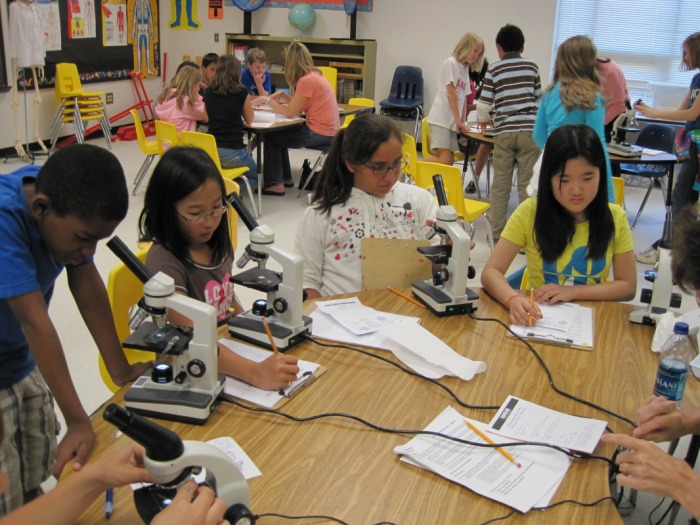
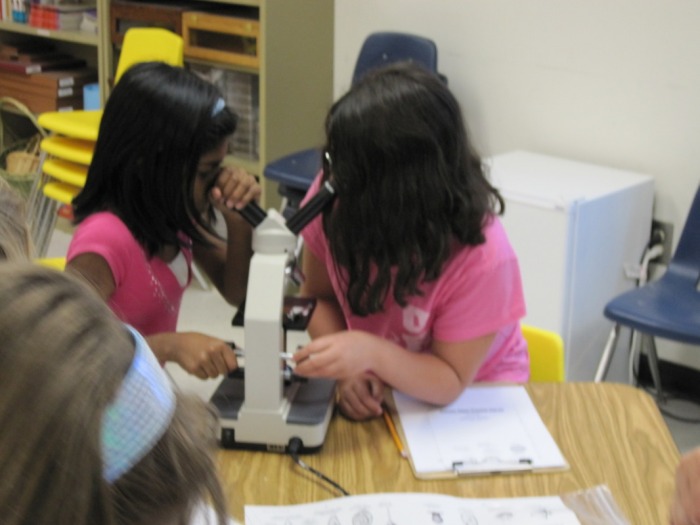
Science Lab: Ecosystems
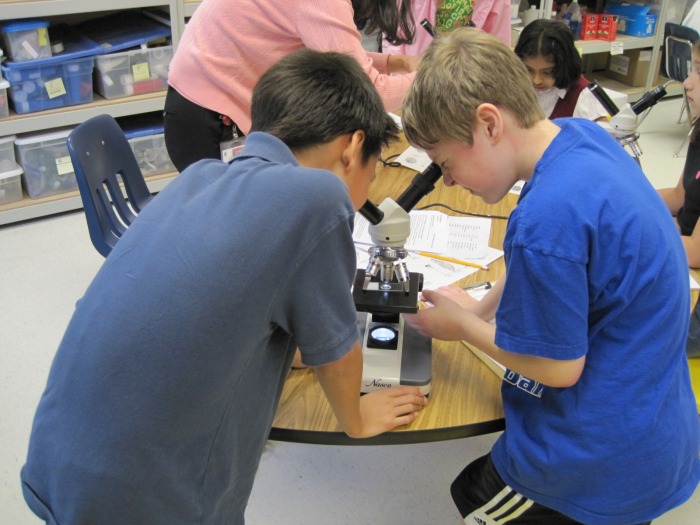
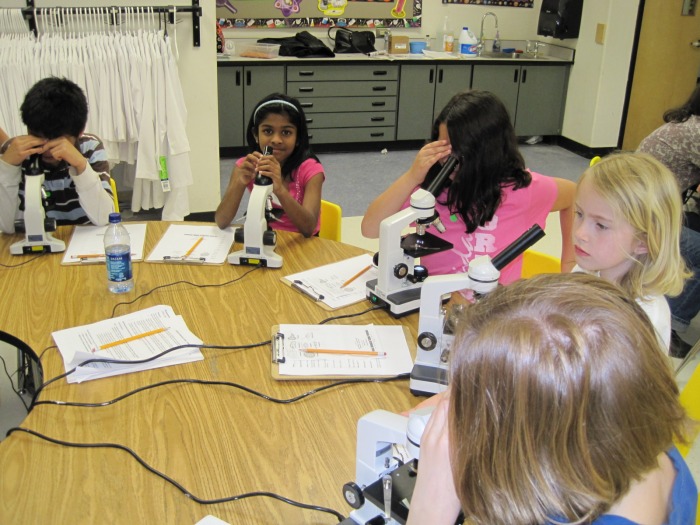
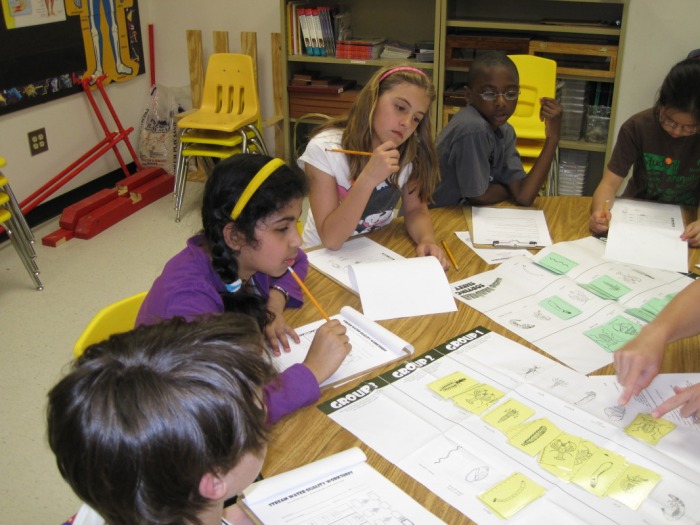
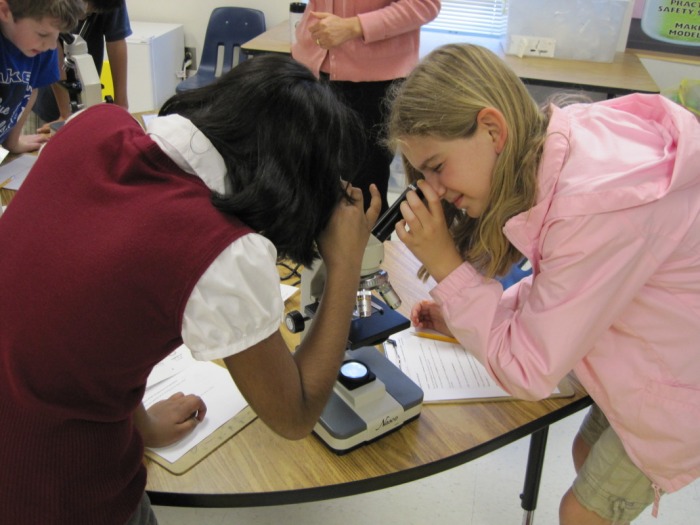
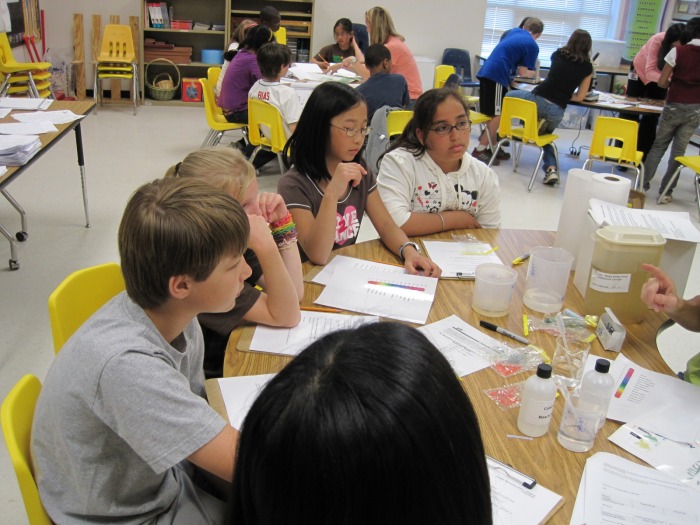
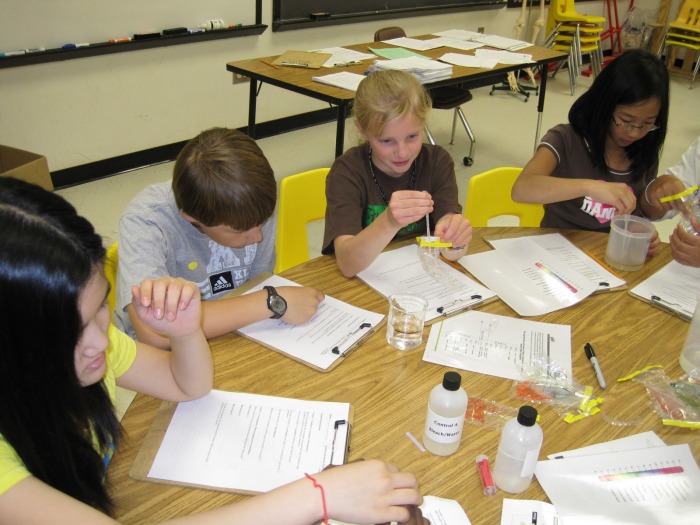
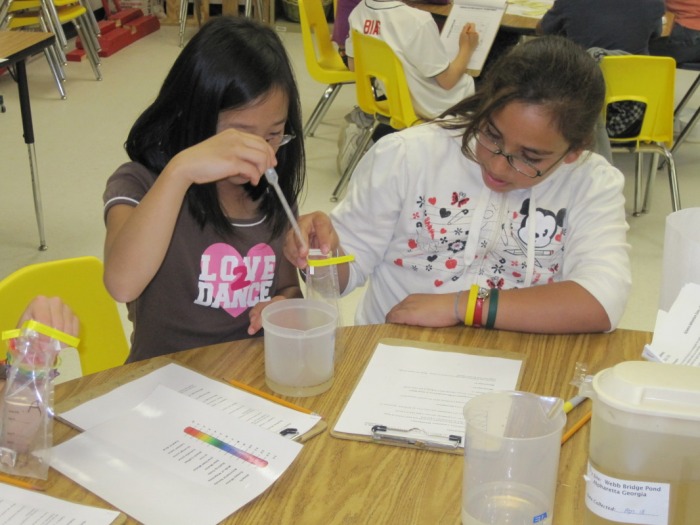
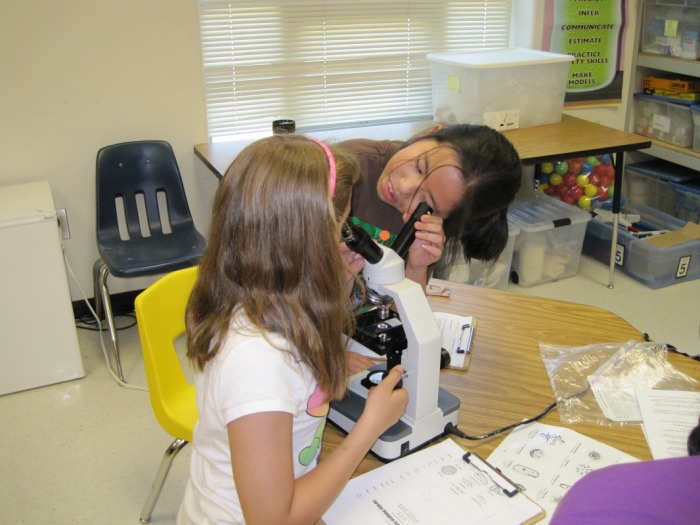
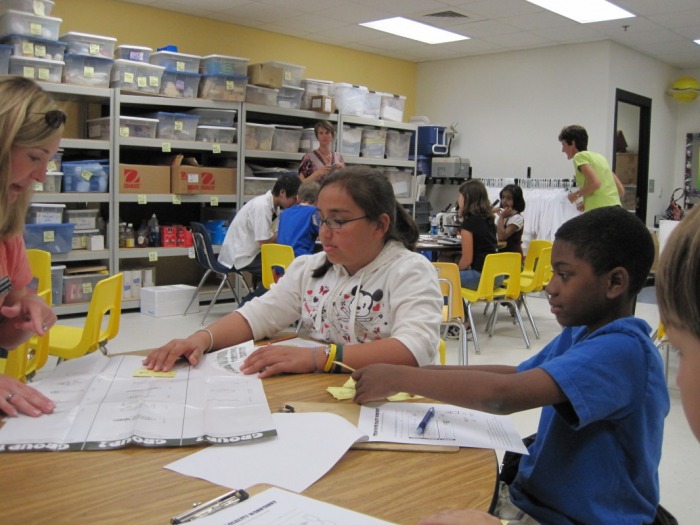
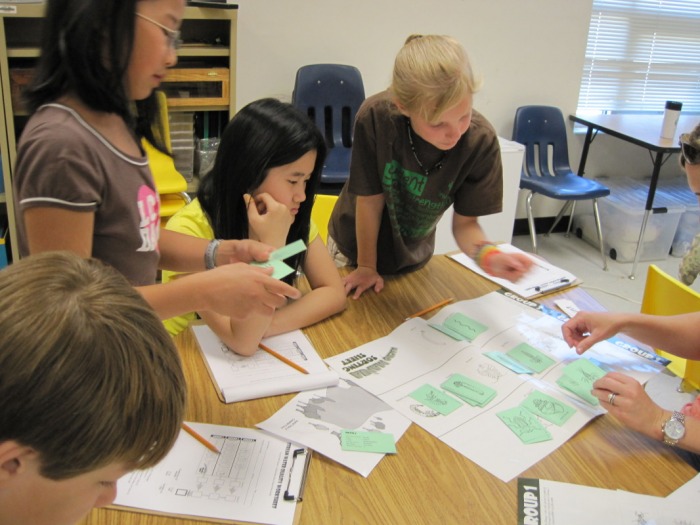
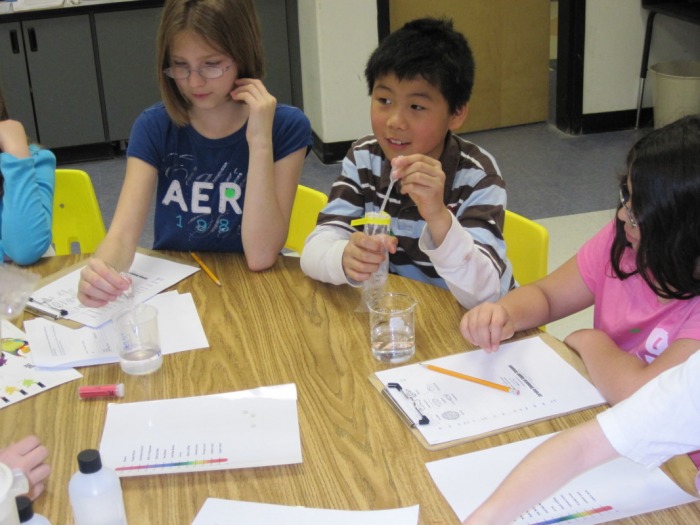
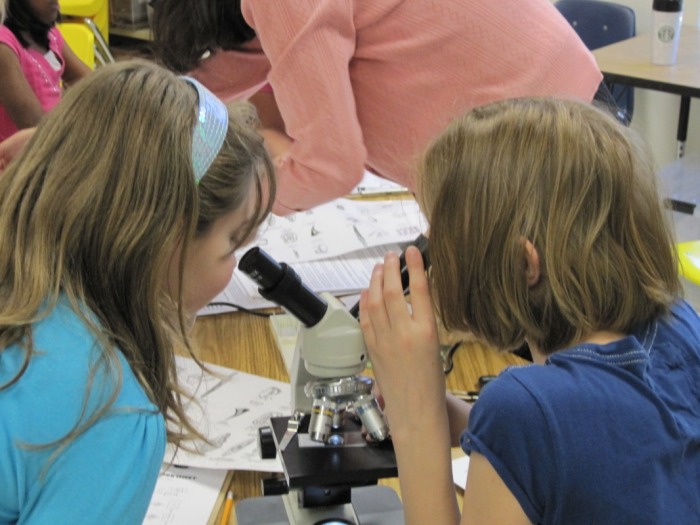
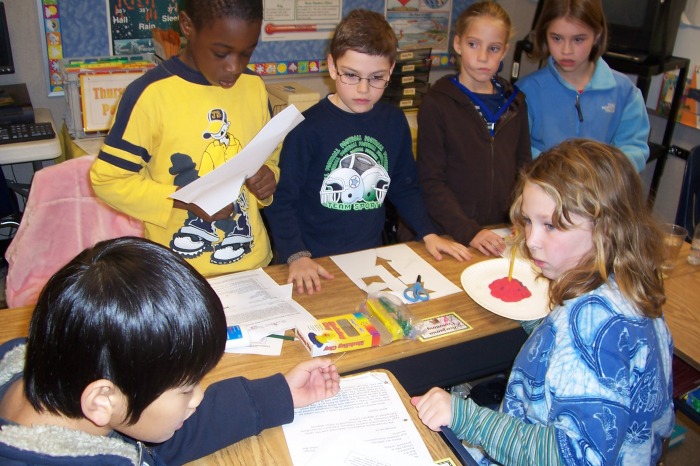
On Monday, April 12, our class visited the Science Lab for the 4th and last time for this year. We reviewed about ecosystems this time. There were 4 stations for children to complete activities. 2 stations allowed children to view small organisms from a pond that were alive, and organisms on a slide, both on microscopes, and then learn about the health conditions of a pond while understanding the ph level. The determined that the pond was a little polluted. The final station had children playing a card game while looking at the environment of a pond and whether or not it was polluted. Children determined it was a fairly healthy pond. The children learnd a lot and had a fun time seeing real microorganisms!
Science Lab: Light & Sound
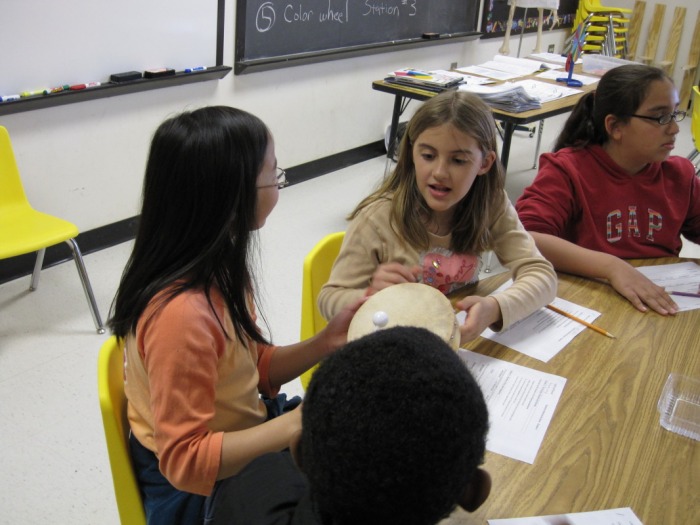
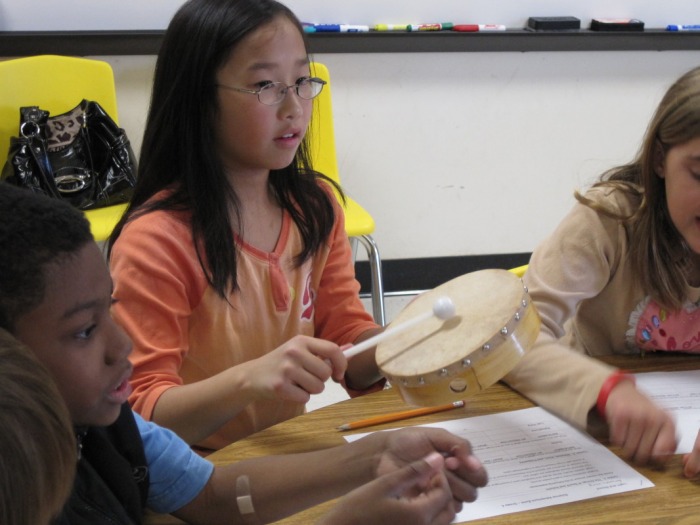
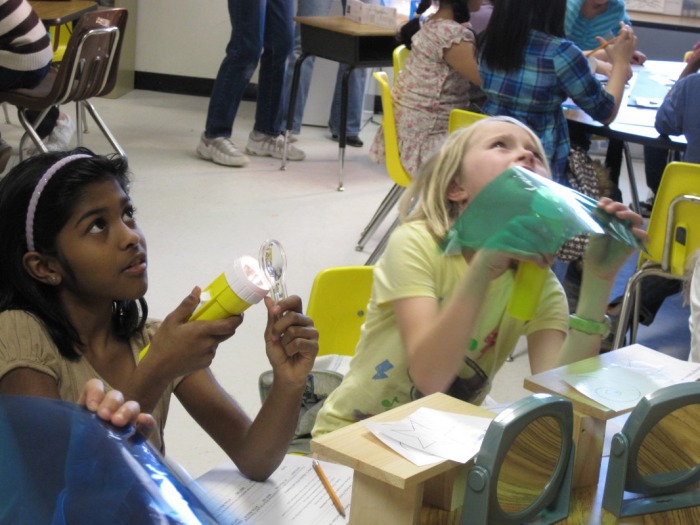
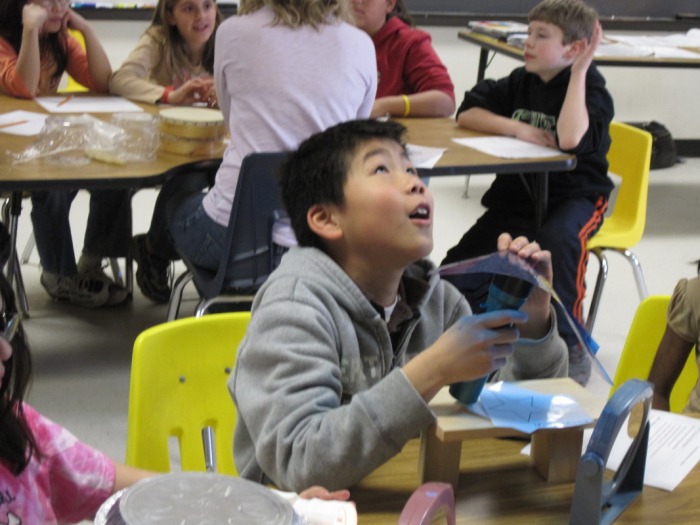
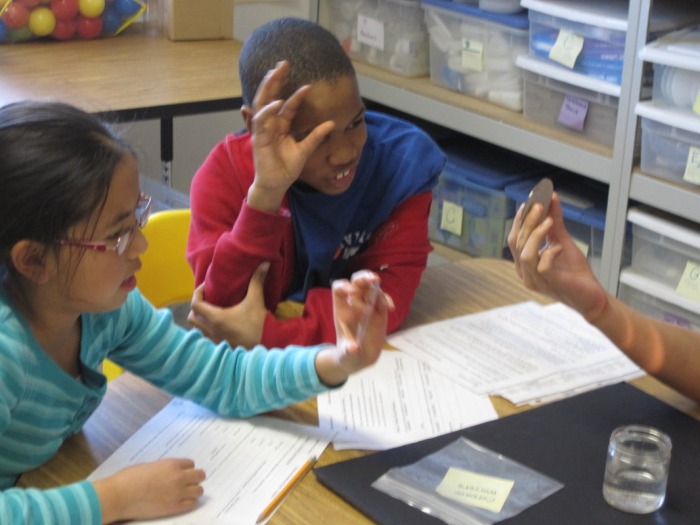
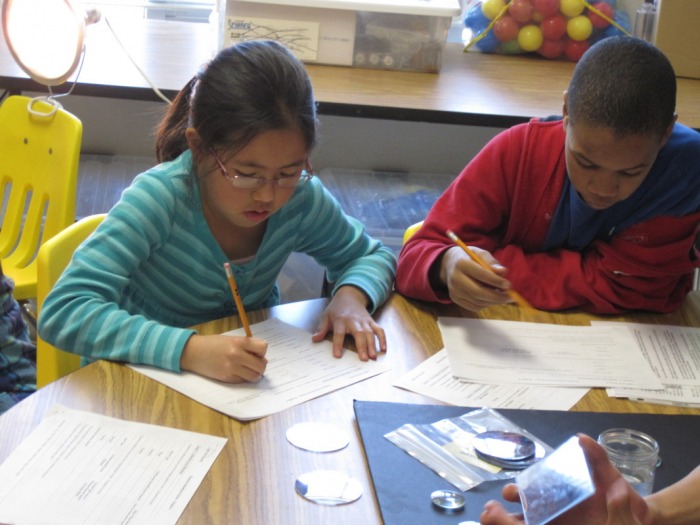
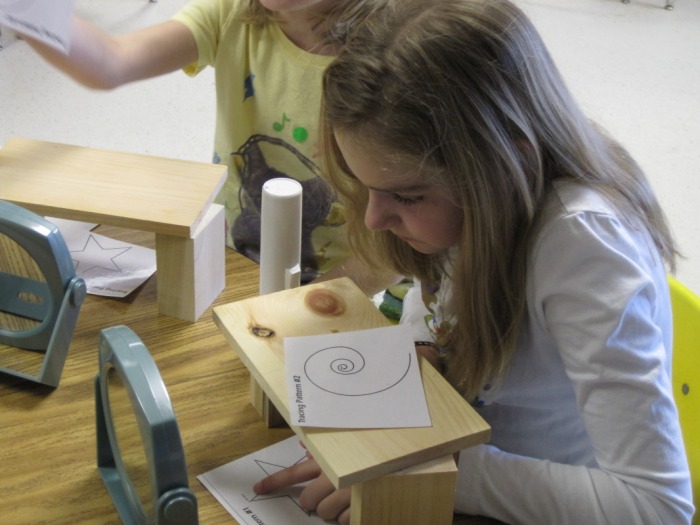
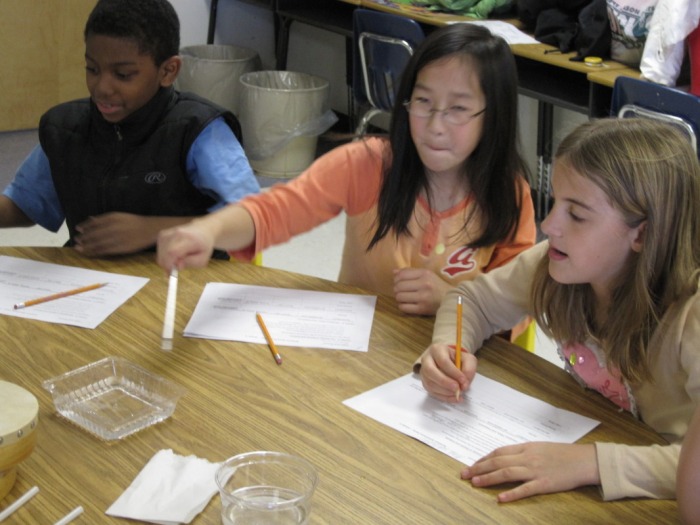
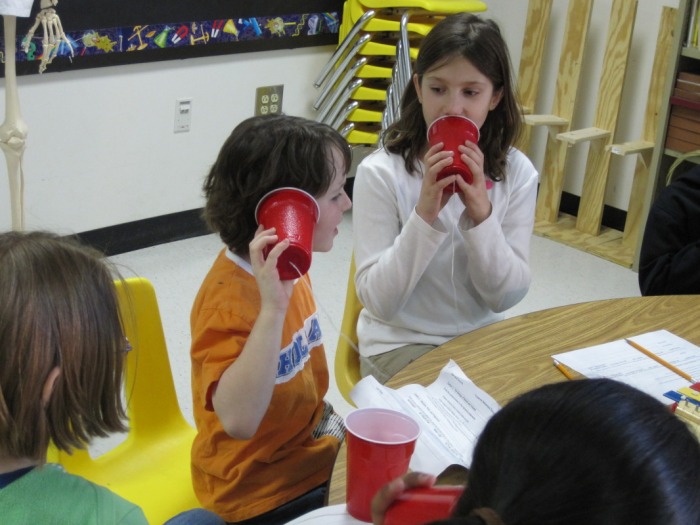
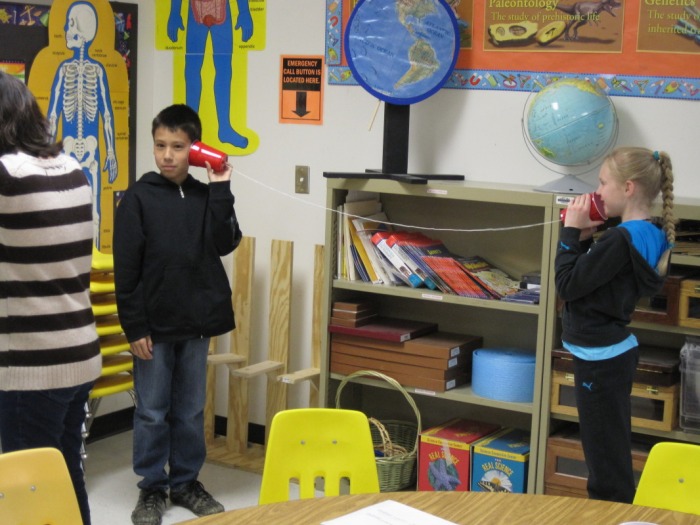
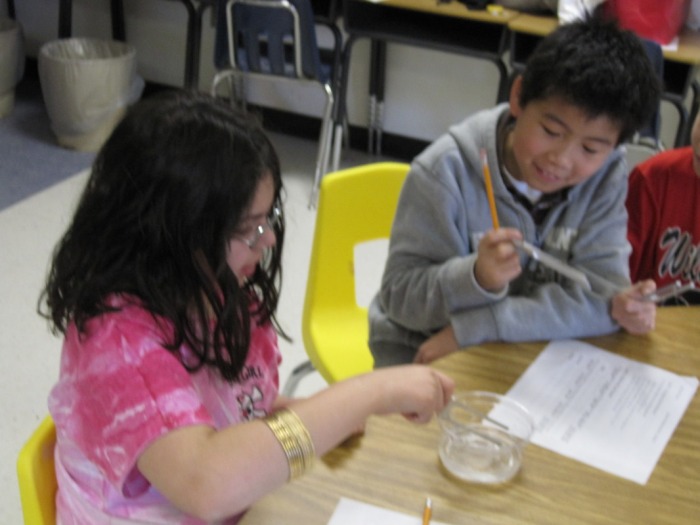
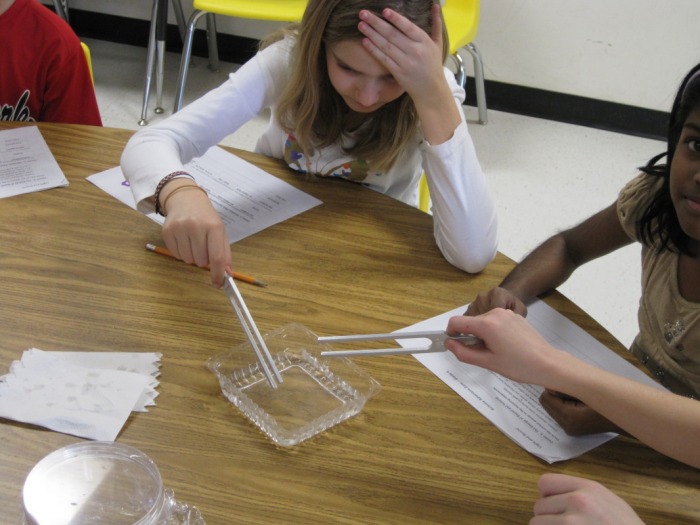
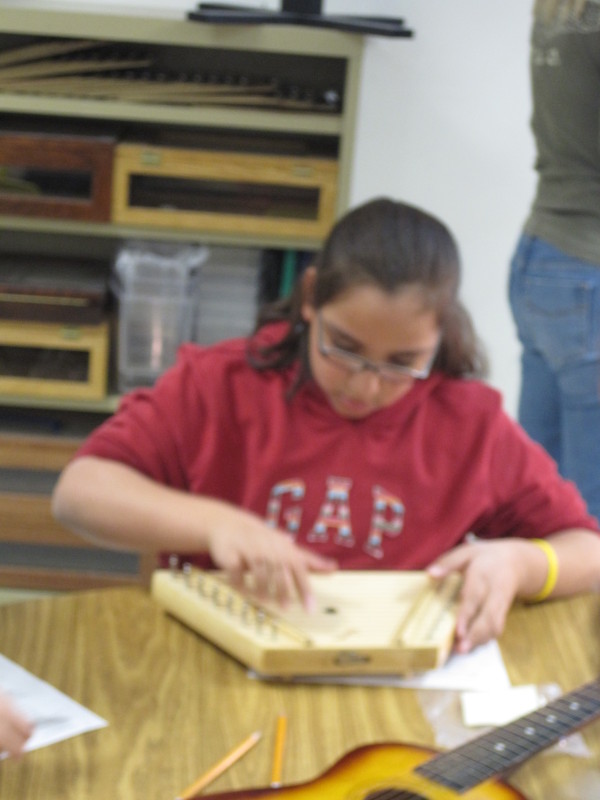
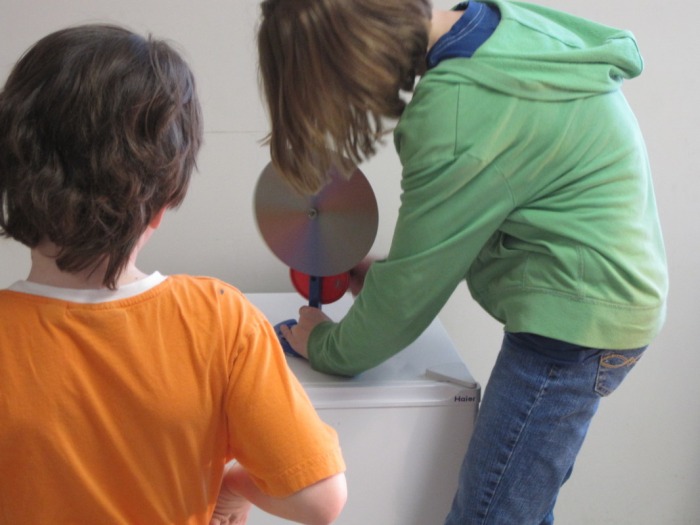
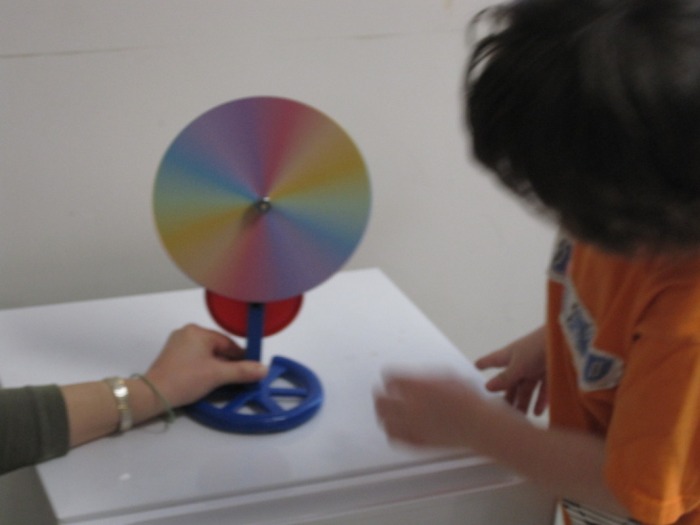
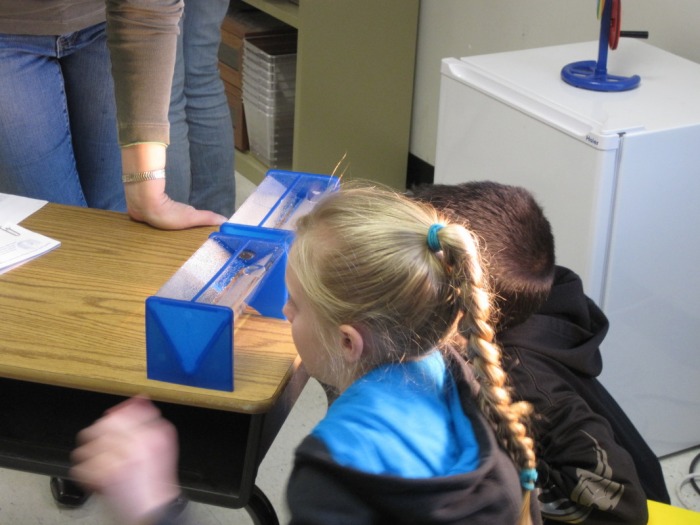
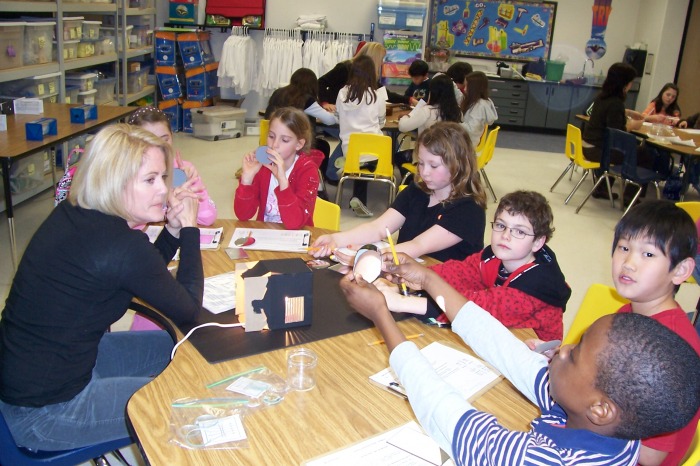
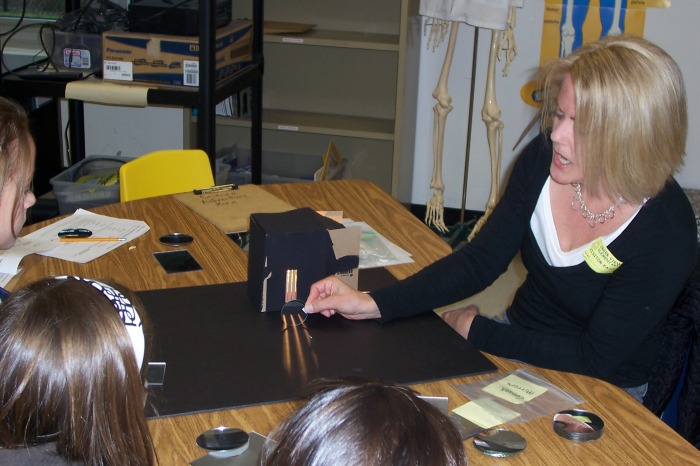
On Monday, March 8, we visited the Science Lab for the 3rd time this year. We reviewed about Light & Sound through transparent, translucent, and opaque objects, convex & concave lenses, tuning fork to understand sound waves, and how sound is transmitted through musical instruments. Students loved all the hands-on activities!
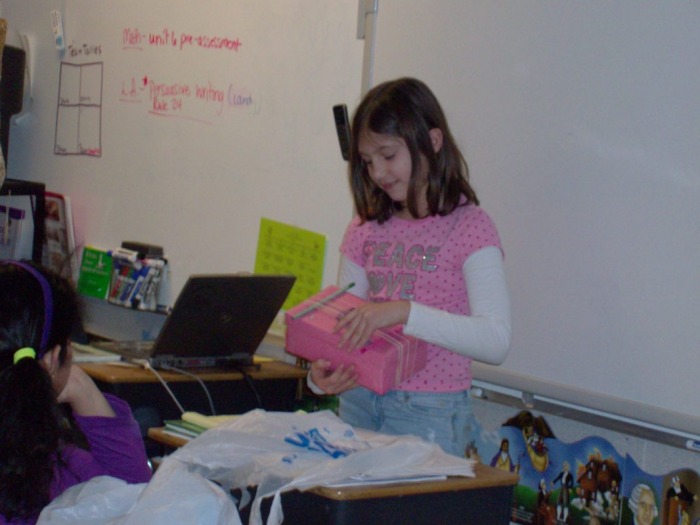
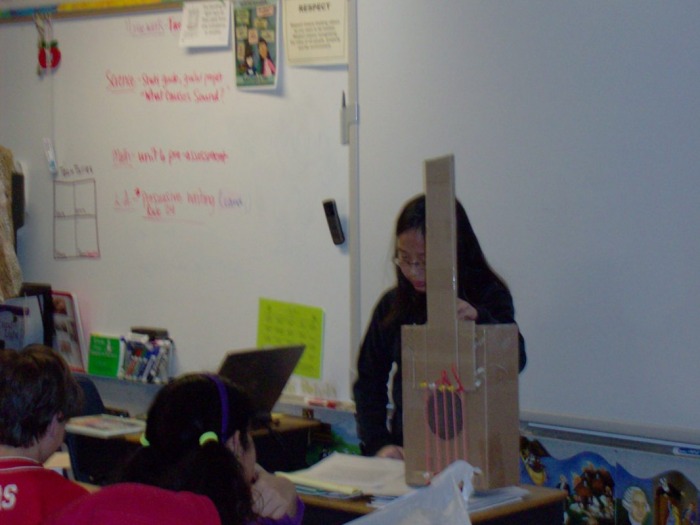
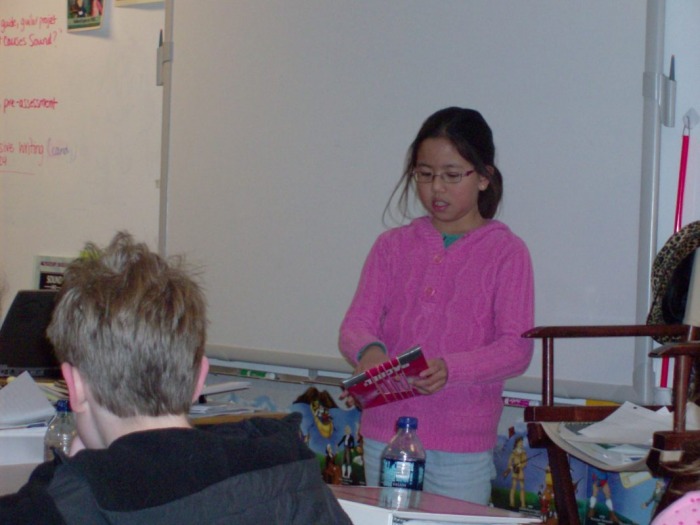
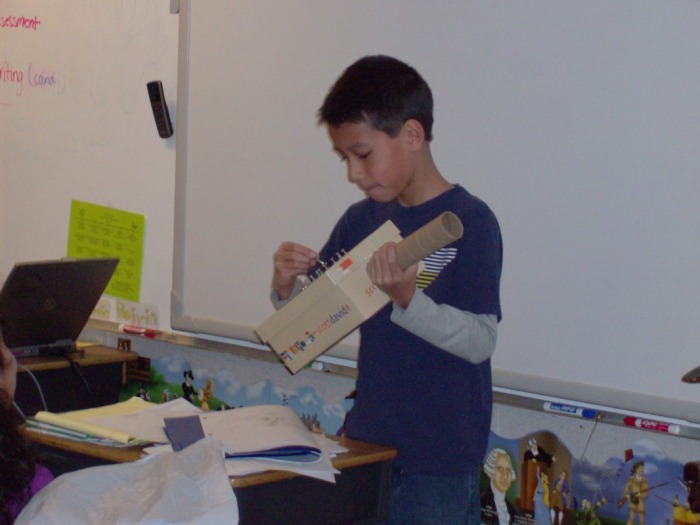
Guitar Projects
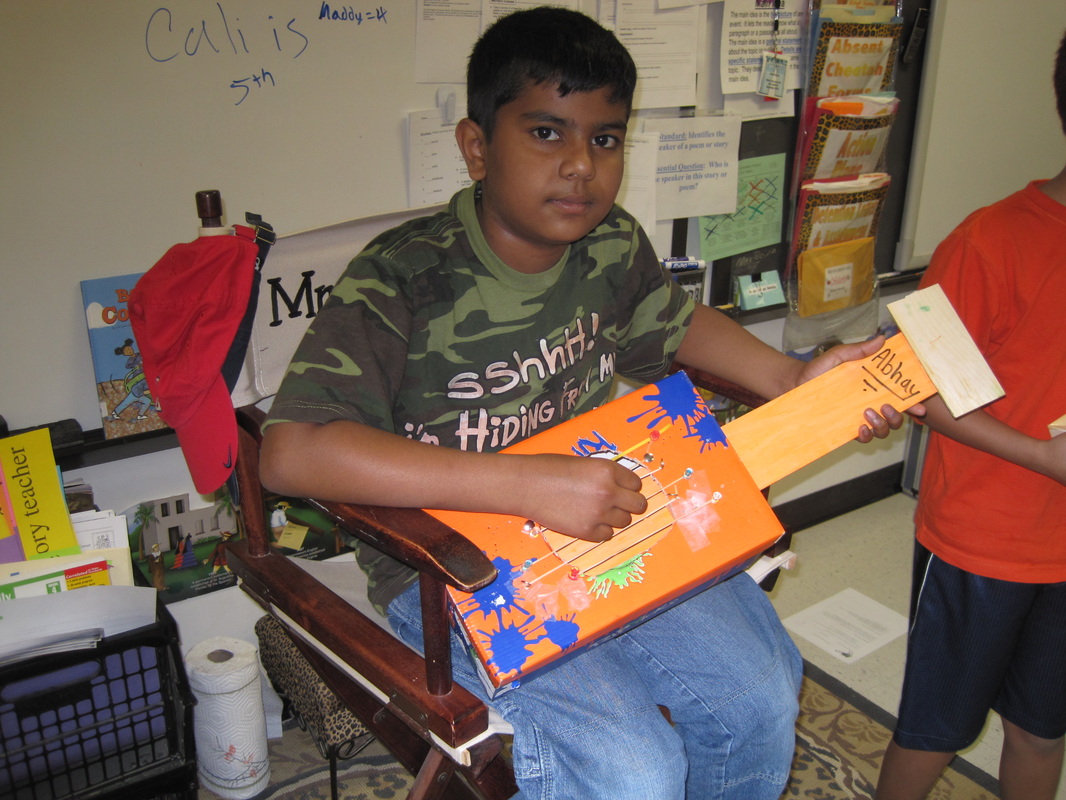
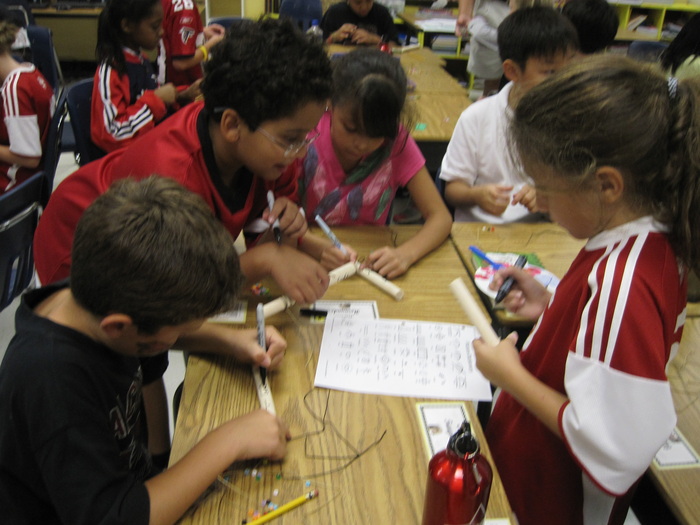
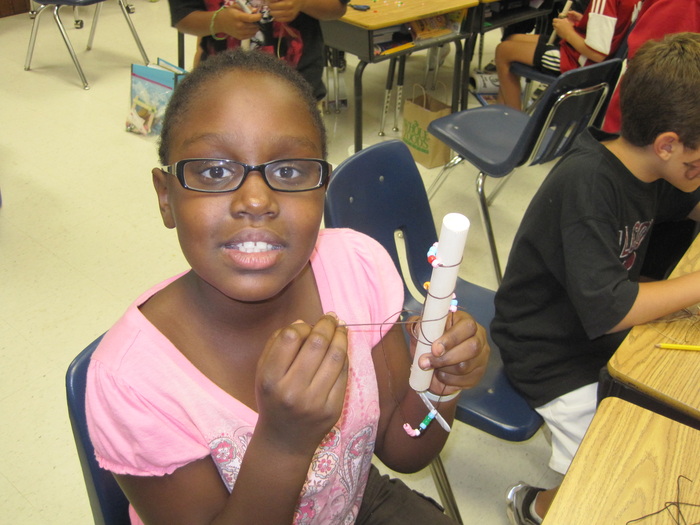
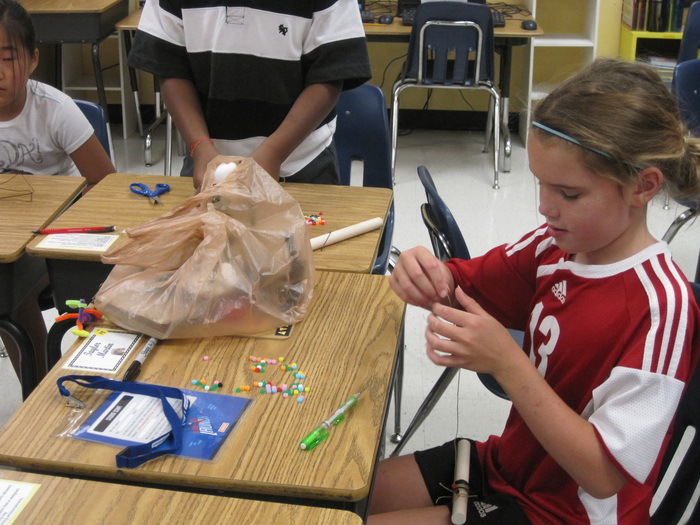
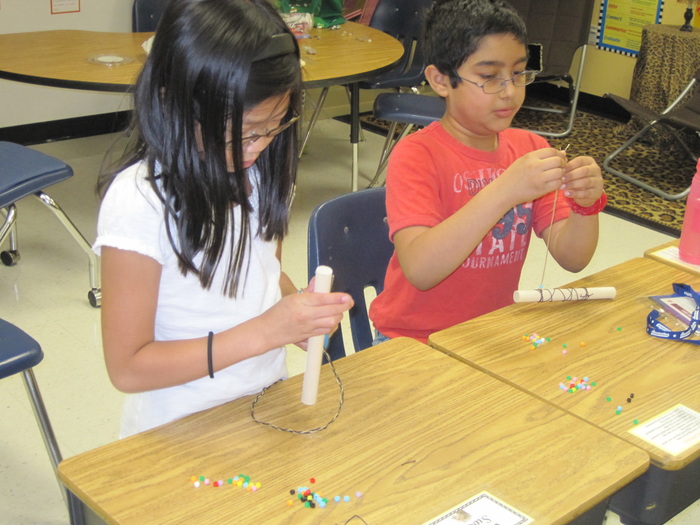
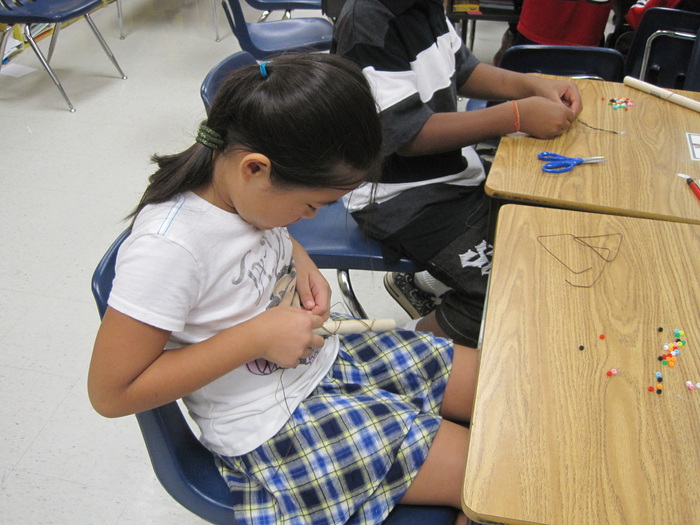
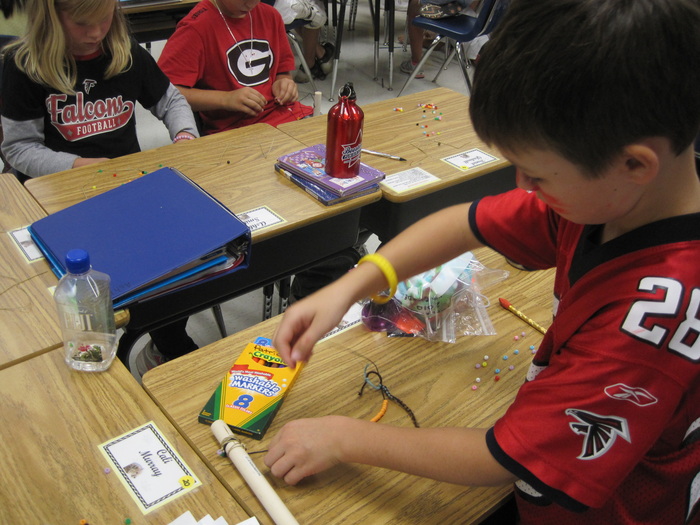
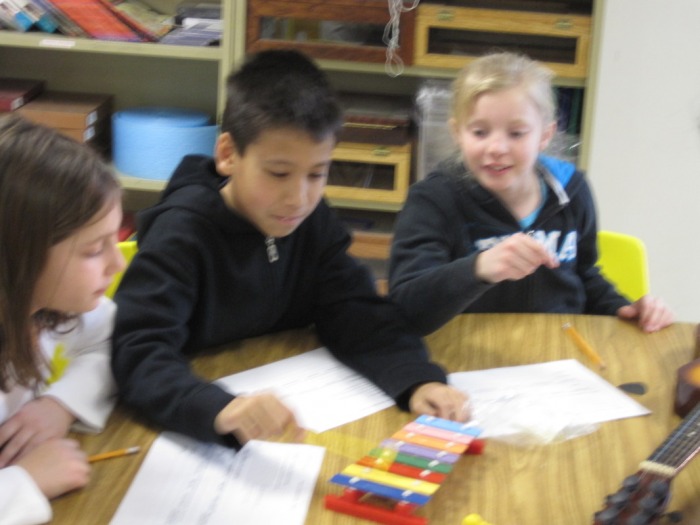
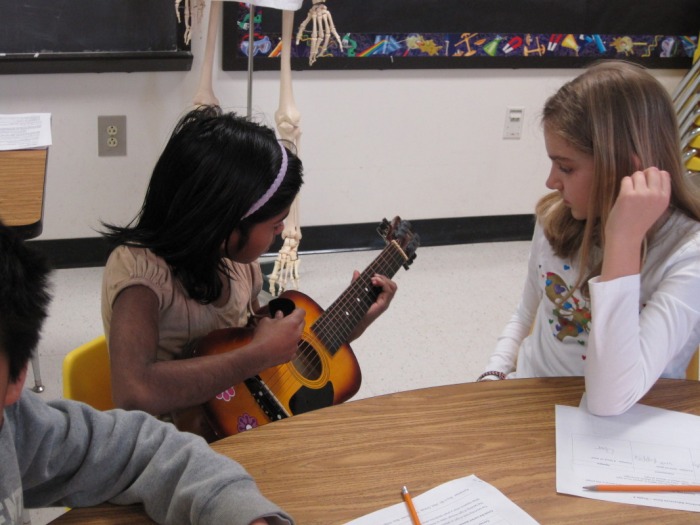
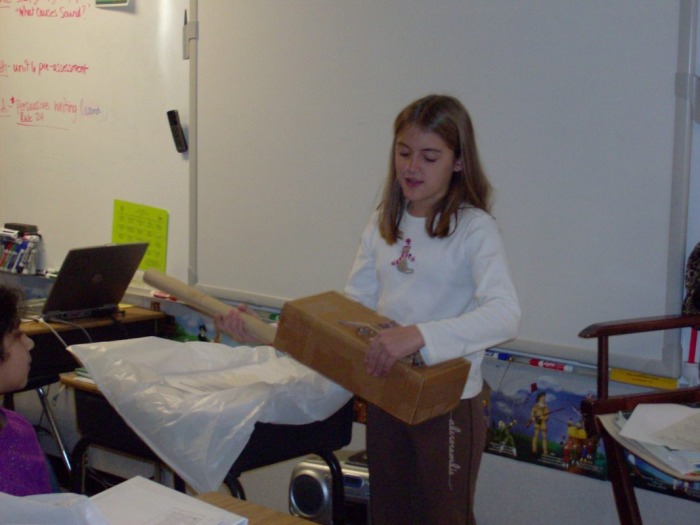
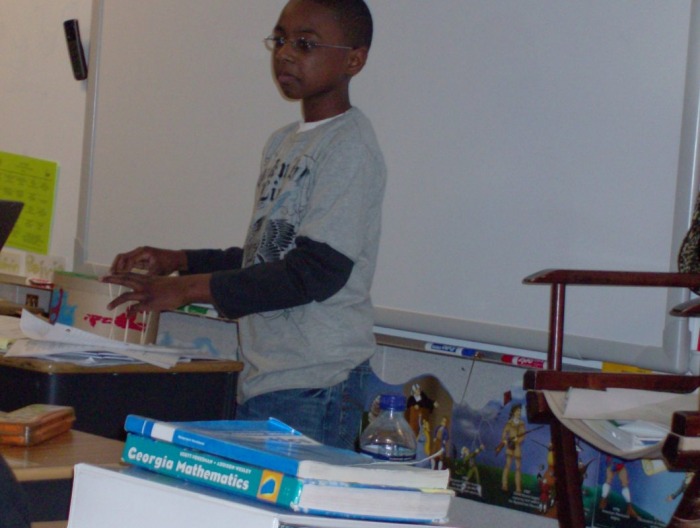
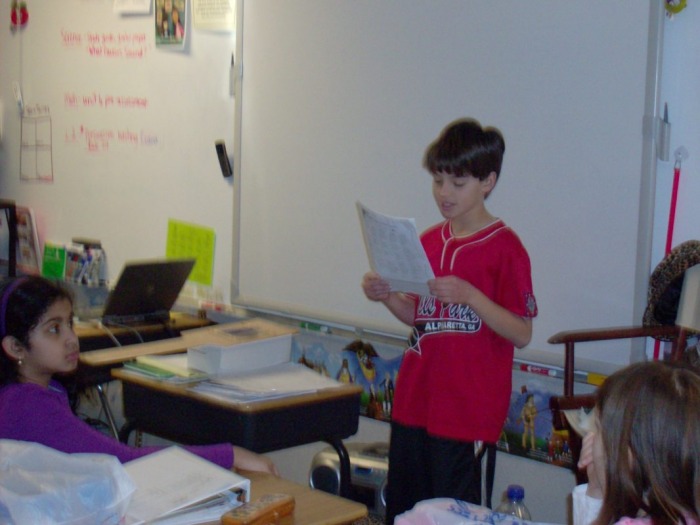
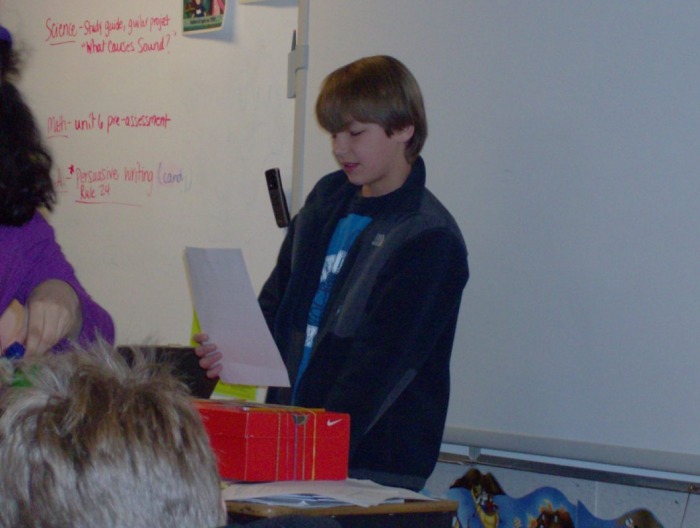
We had a wonderful time presenting our guitar projects on Monday, March 1. Students demonstrated their 5 different pitches with longer/shorter, wider/thinner strings, and then played a song for us. Songs included "Twinkle, Twinkle," "Row, Row, Row Your Boat," and "Mary Had a Little Lamb." Students were very creative with this project!
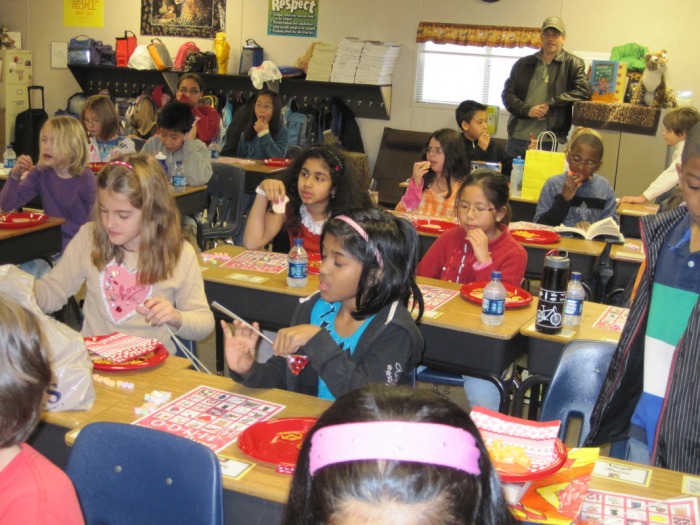
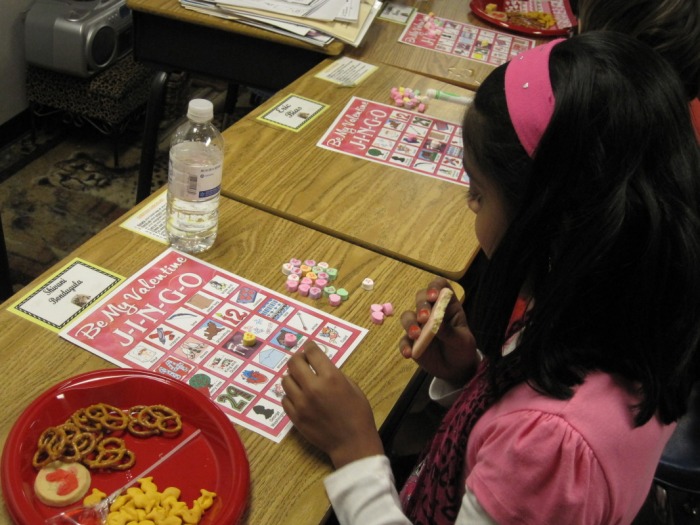
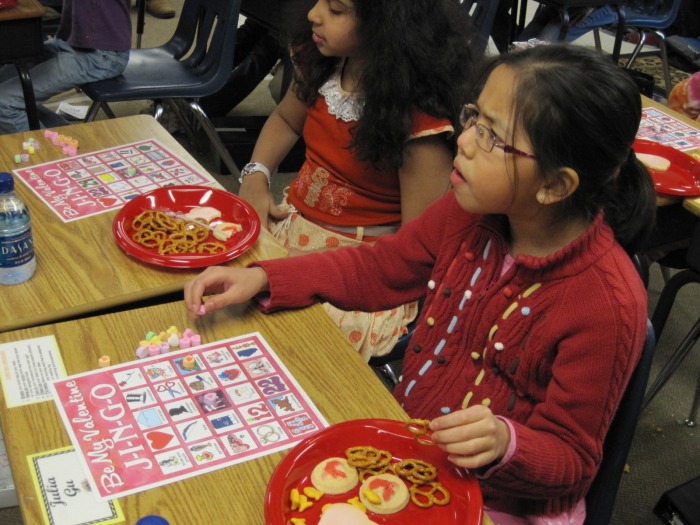
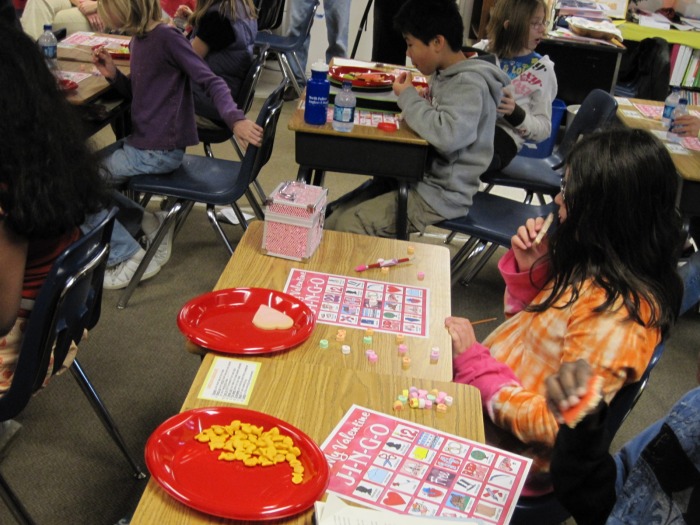
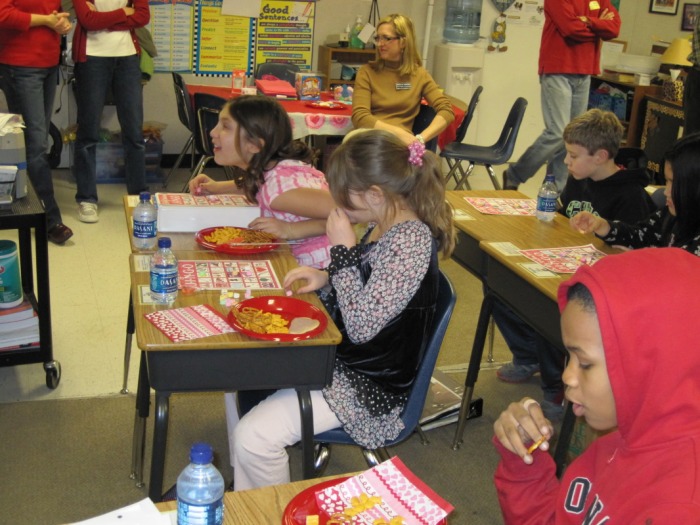
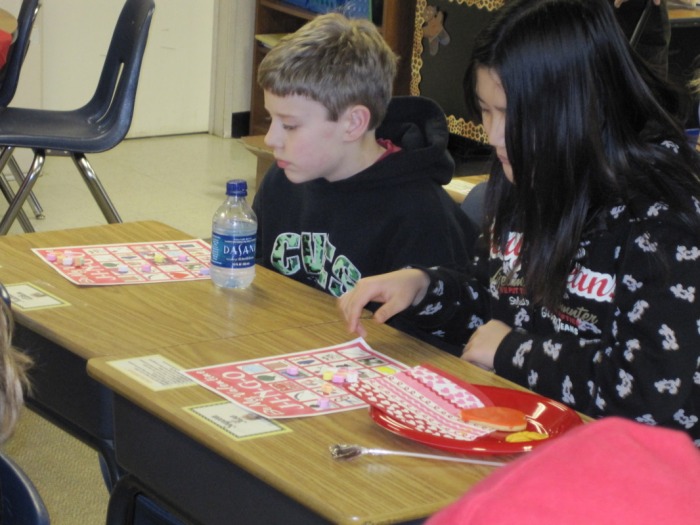
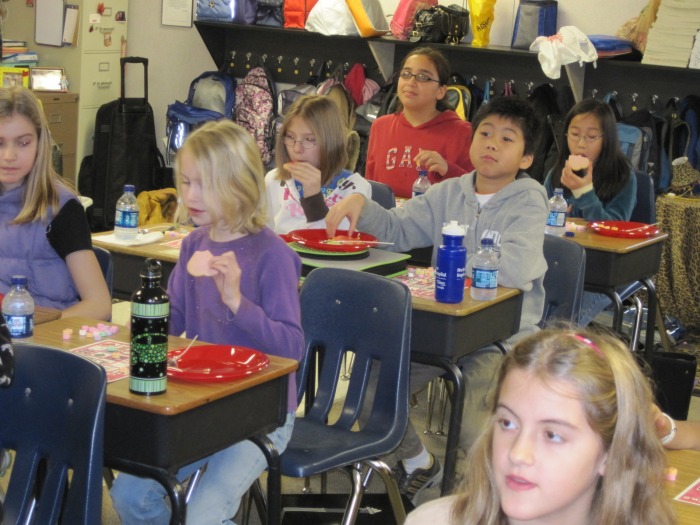
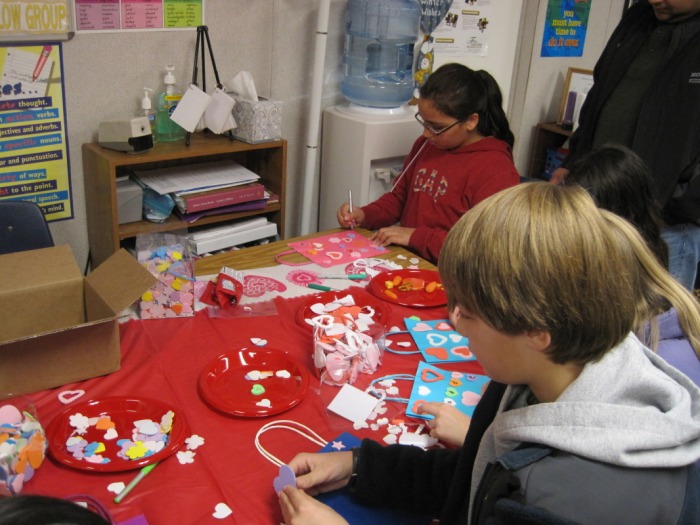
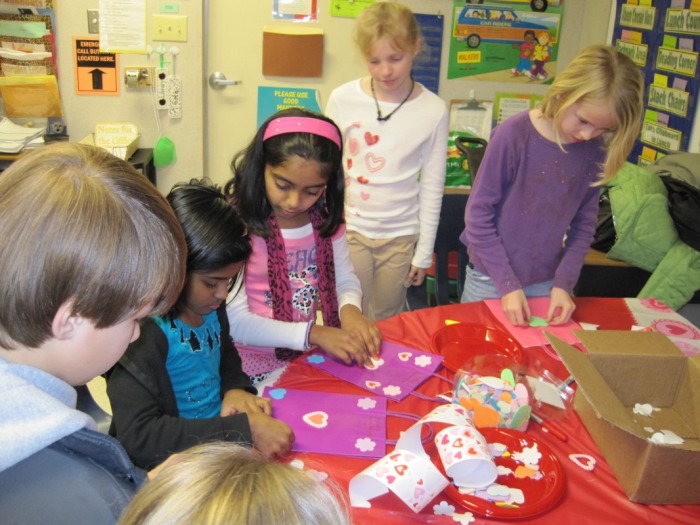
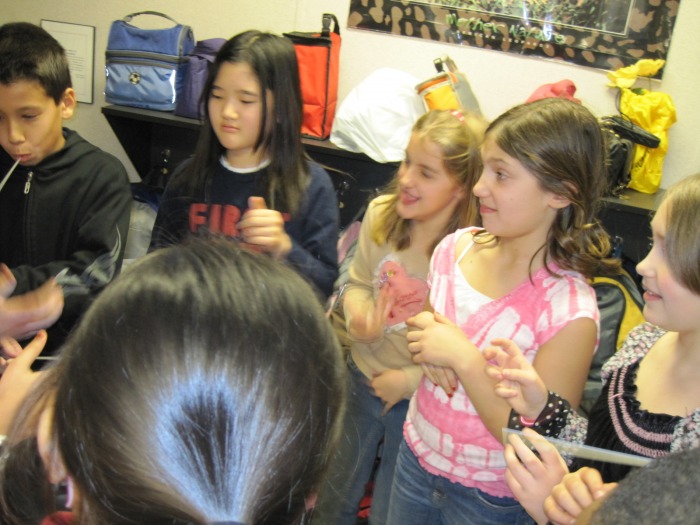
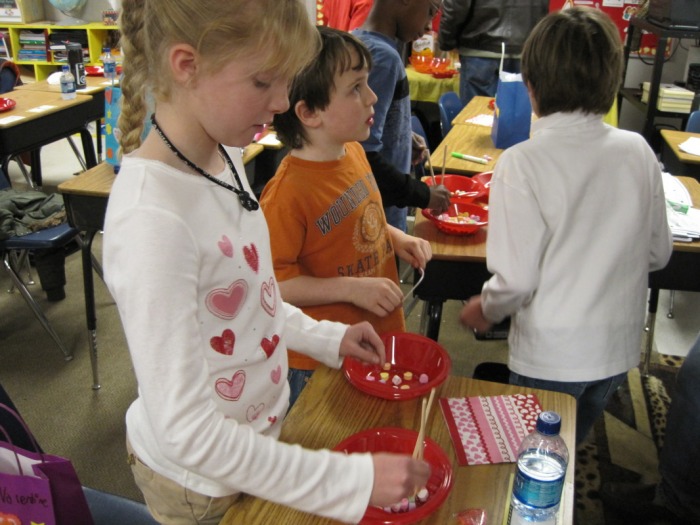
Valentine's Party
February 9, 2010
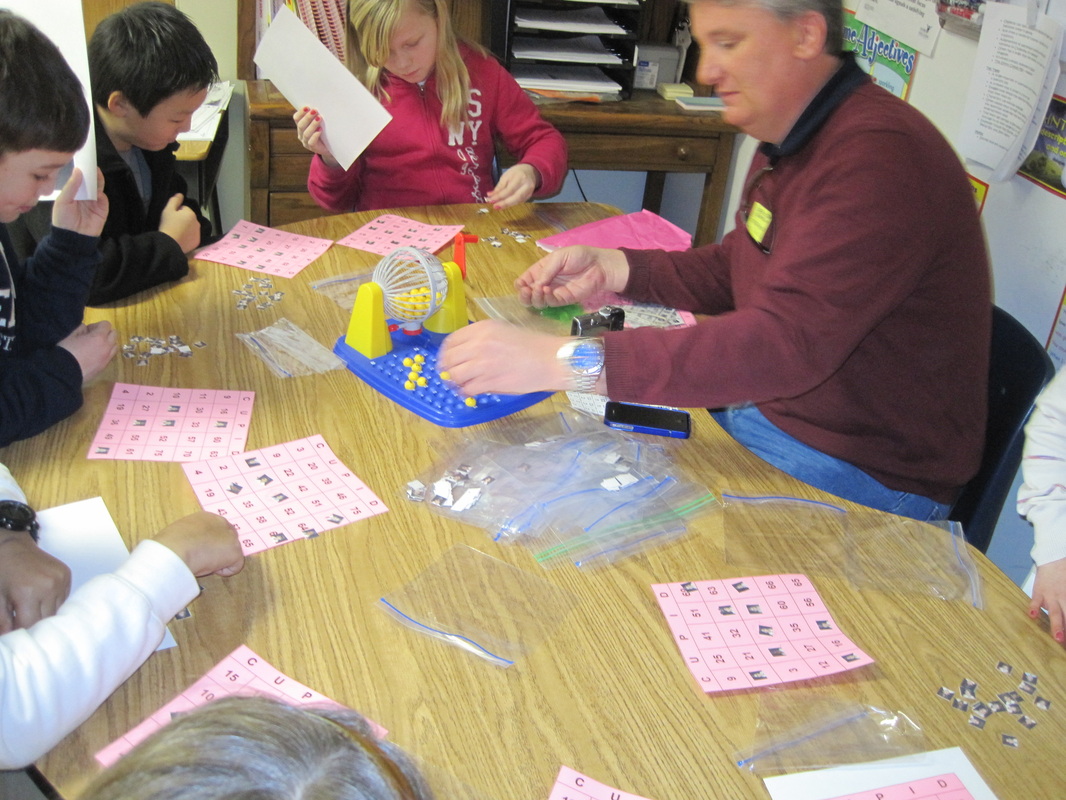
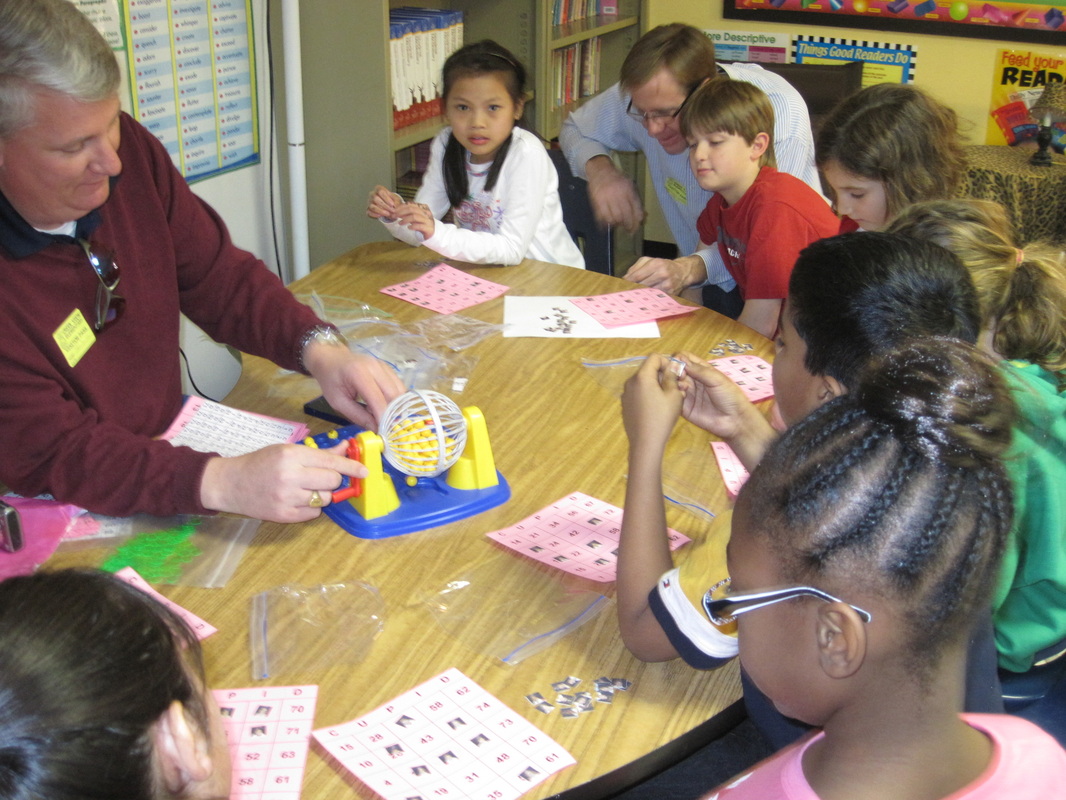
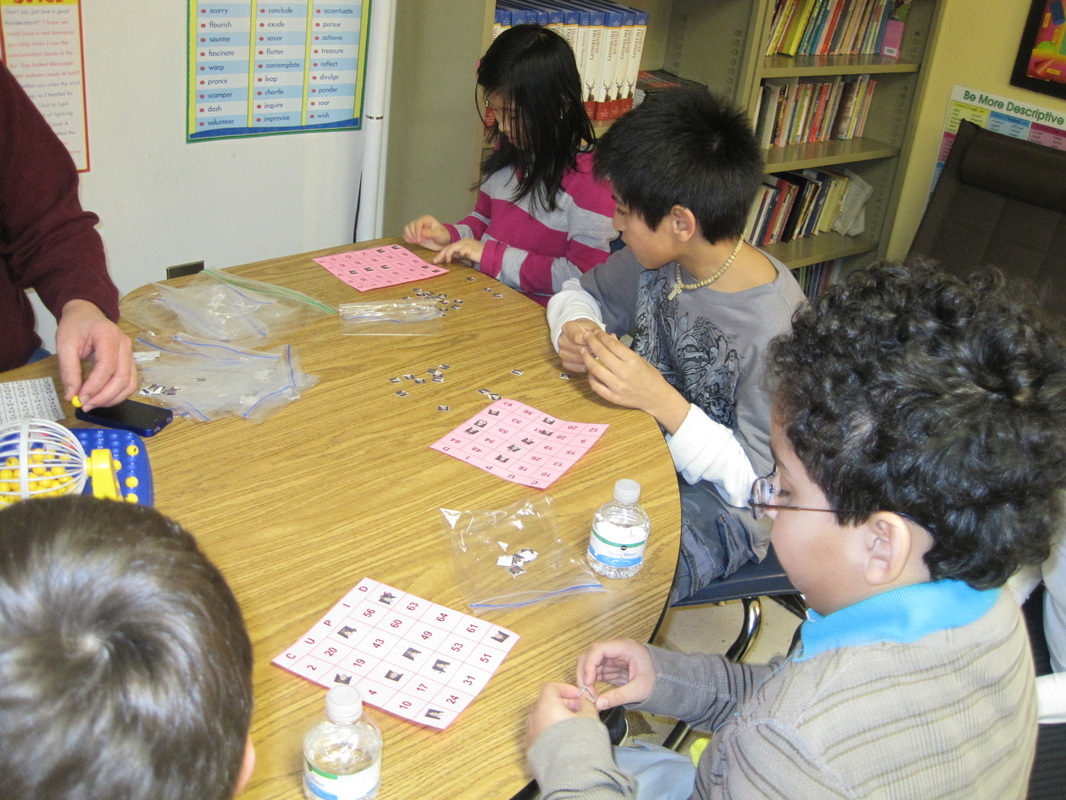
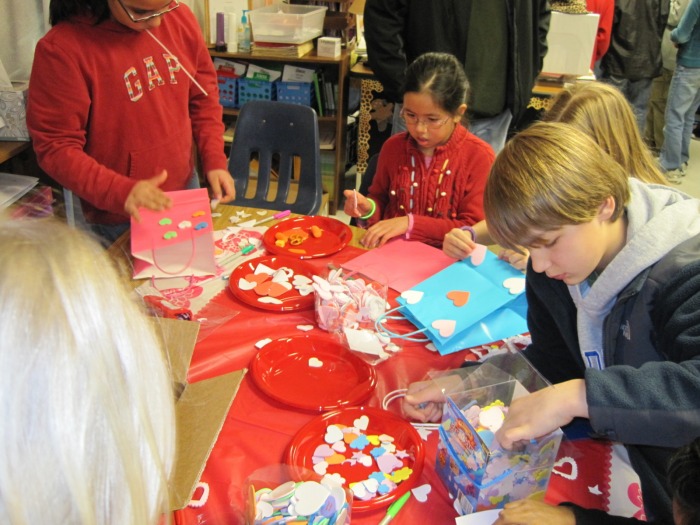
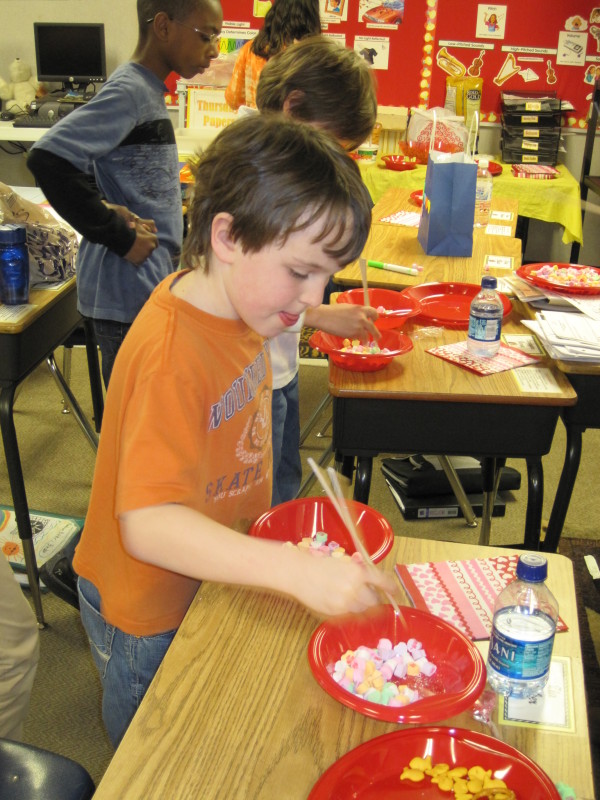
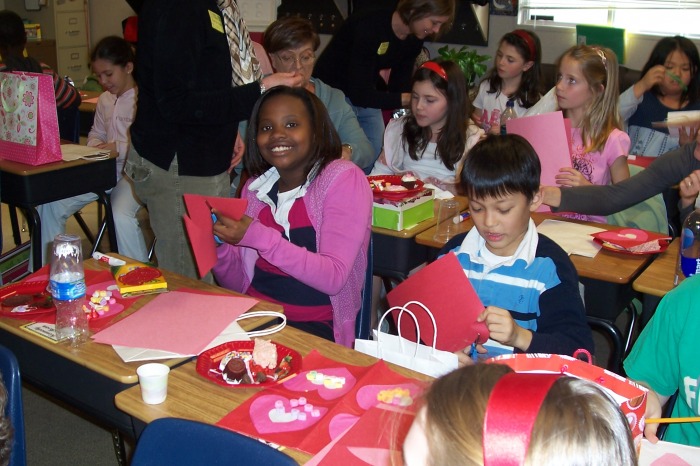
First, we all played Valentine Jingo (like Bingo). Then, we decorated bags to receive our Valentines, played "Hot Potato" with a stuffed bear, and played a game with candy hearts. It was all really fun!
Colonial Day
Dec. 11, 2009
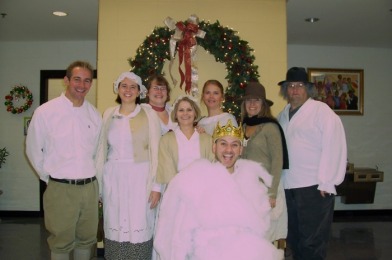
Your fabulous teachers are ready for the day!
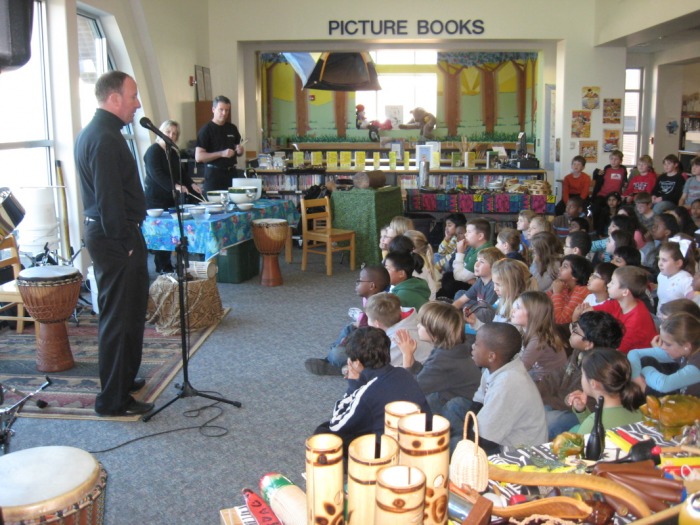
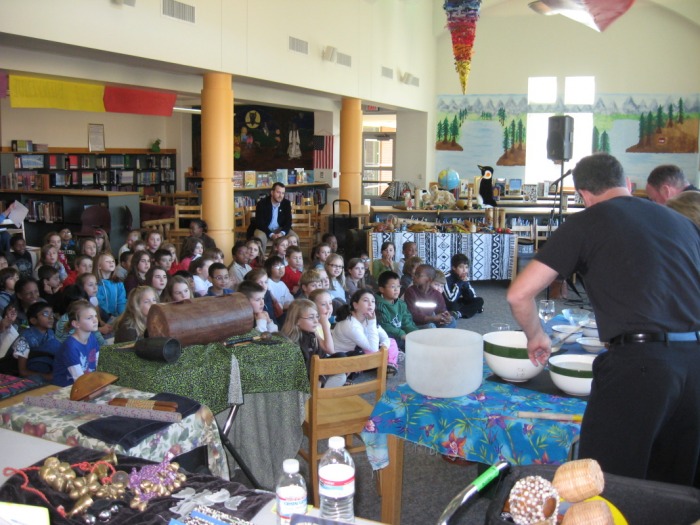
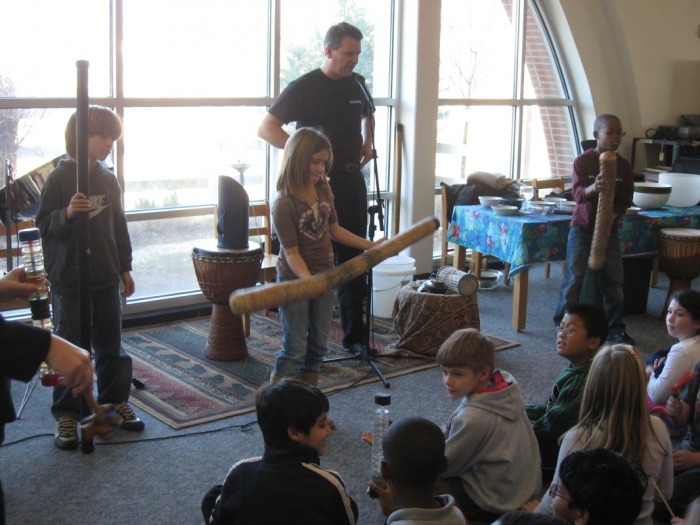
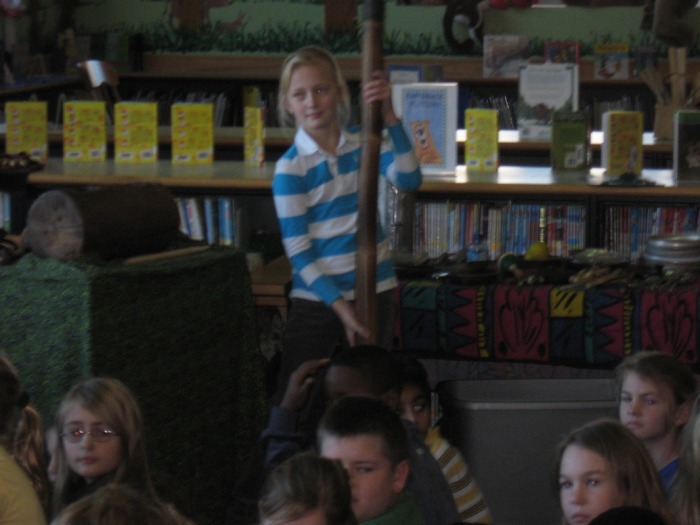
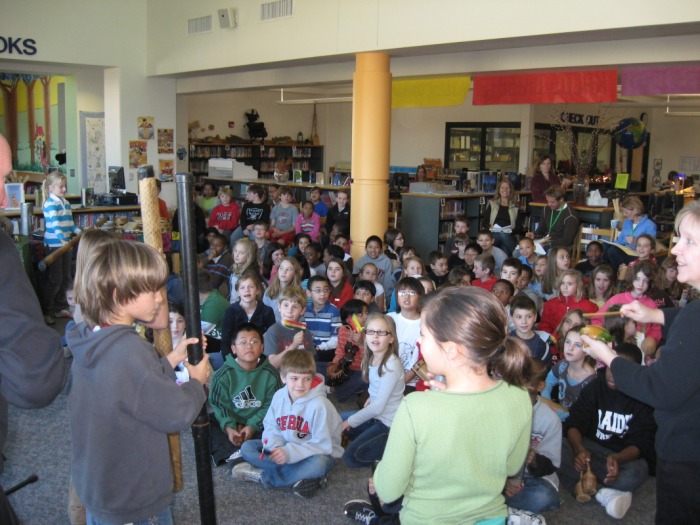
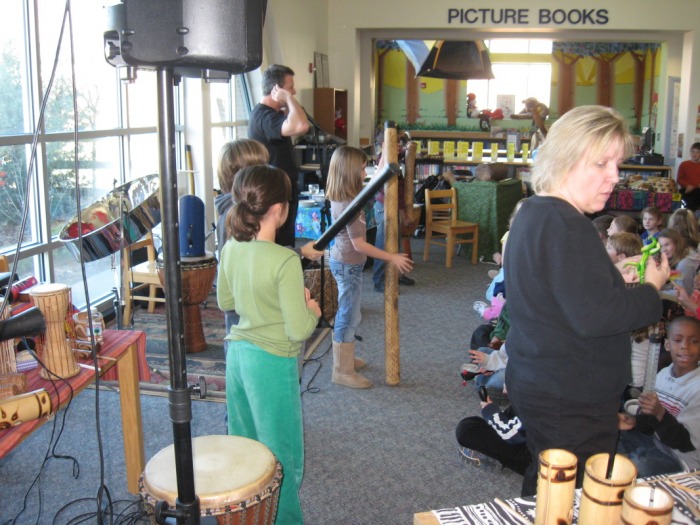
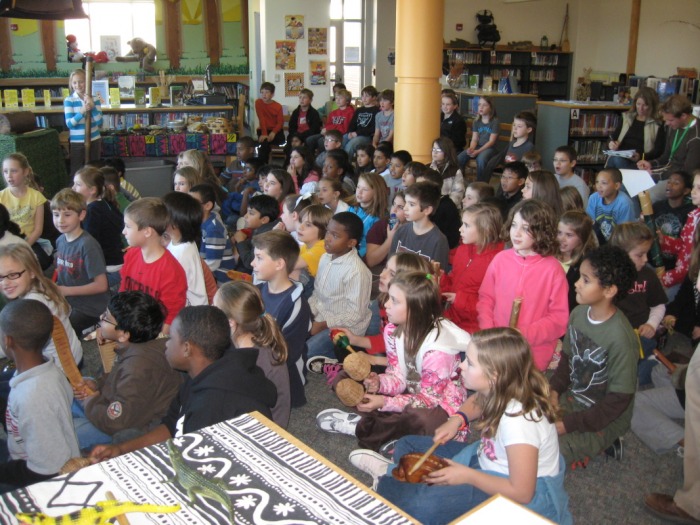
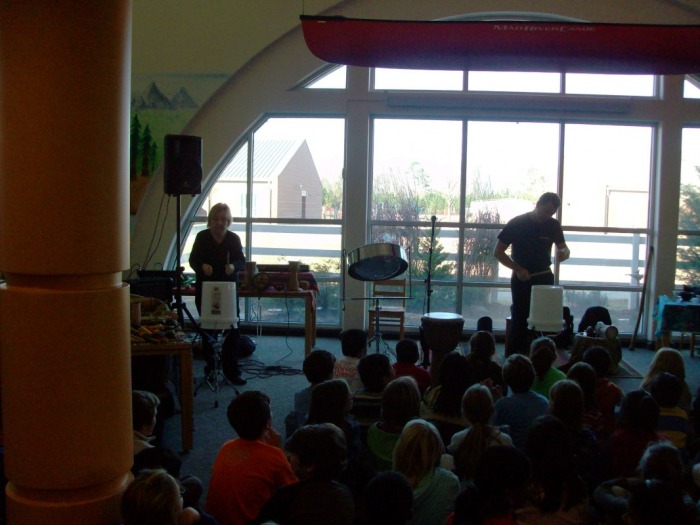
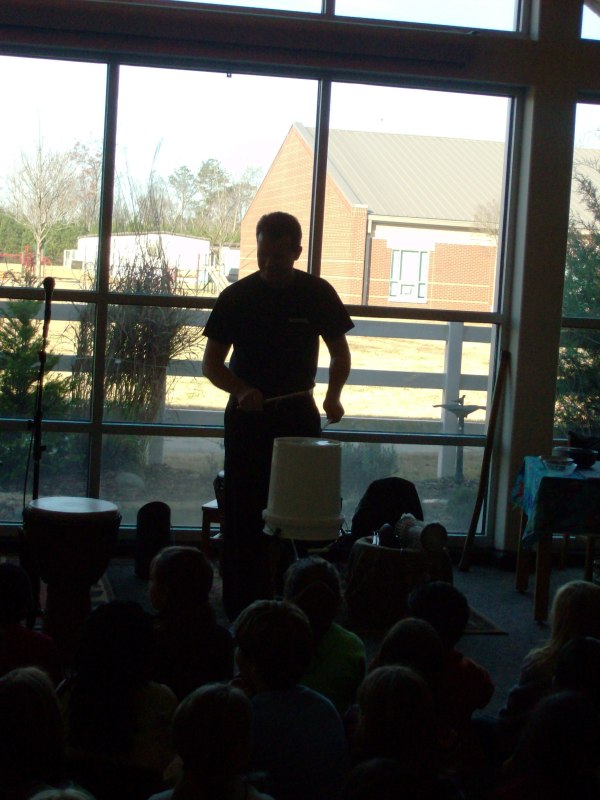
North Teaching Museum Sound Lab
Dec. 10, 2009
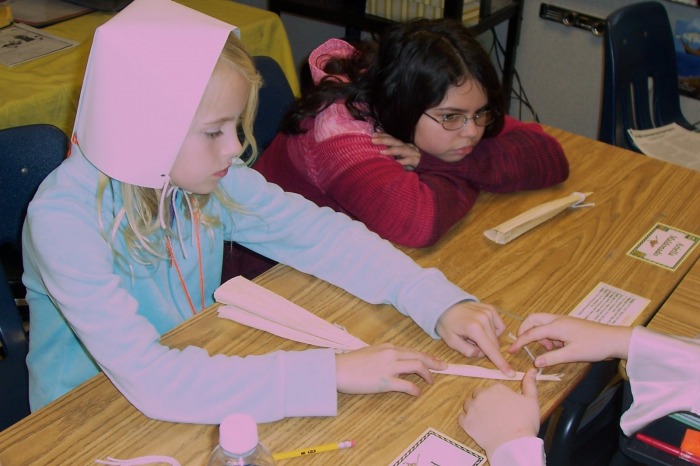
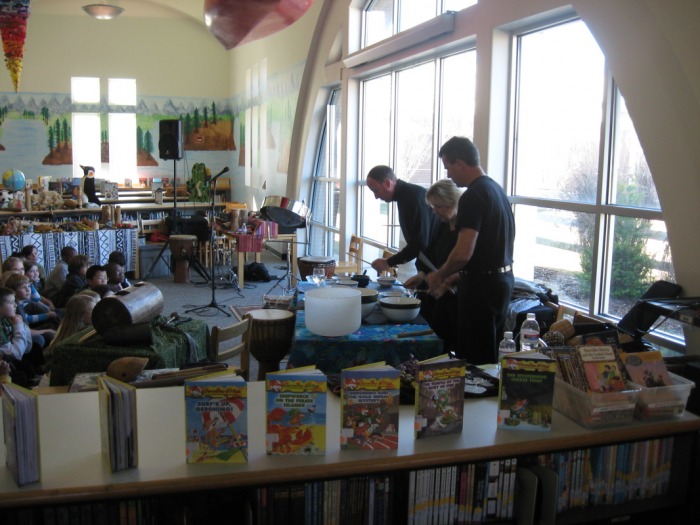
Learning about sound through different instruments from the continents.
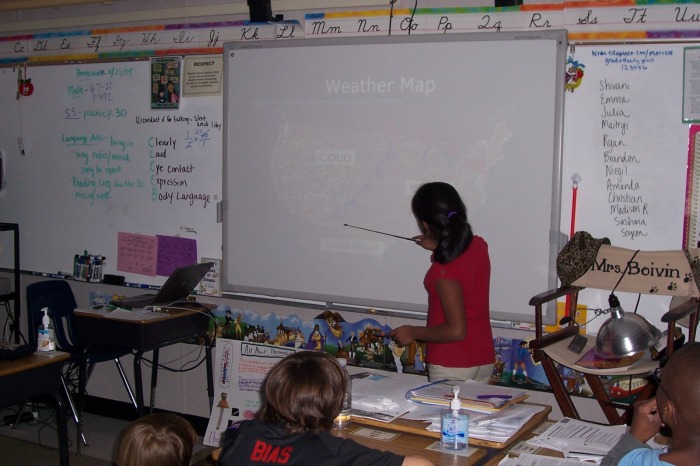
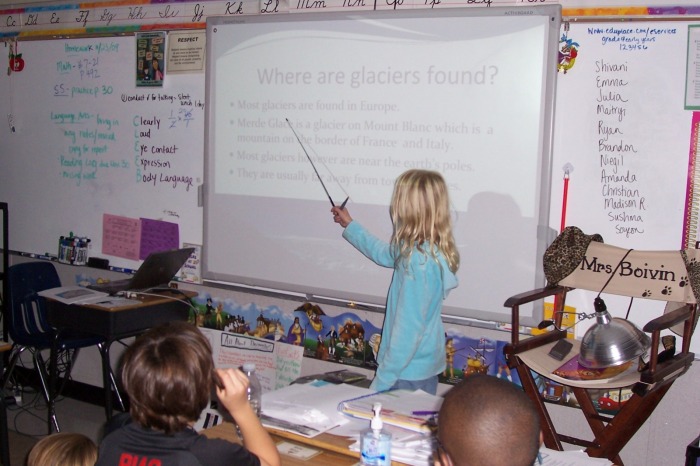
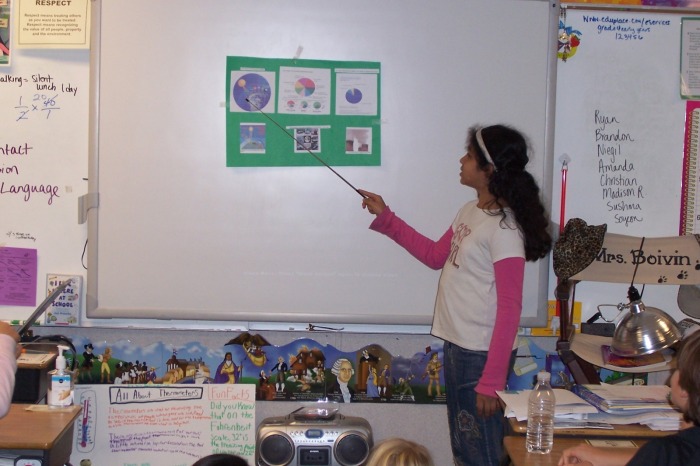
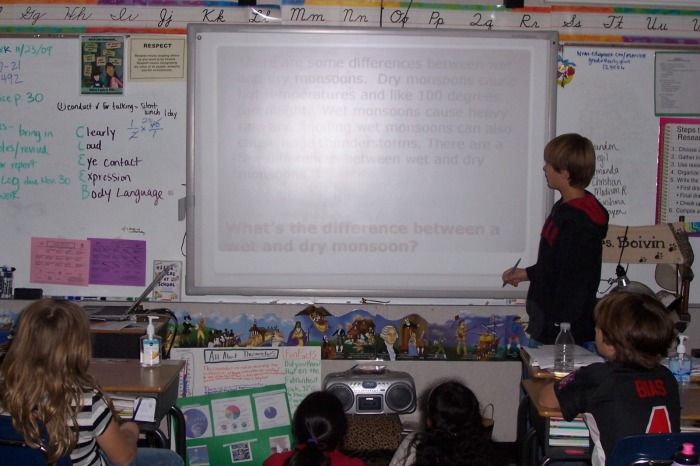
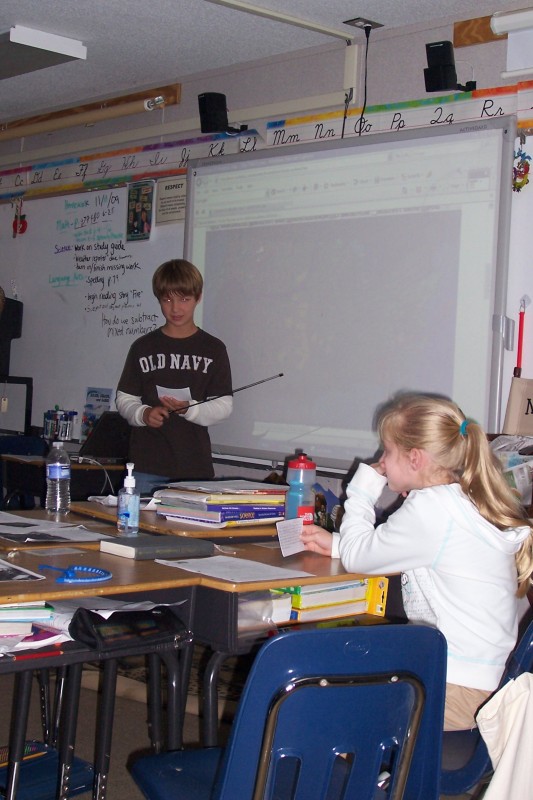
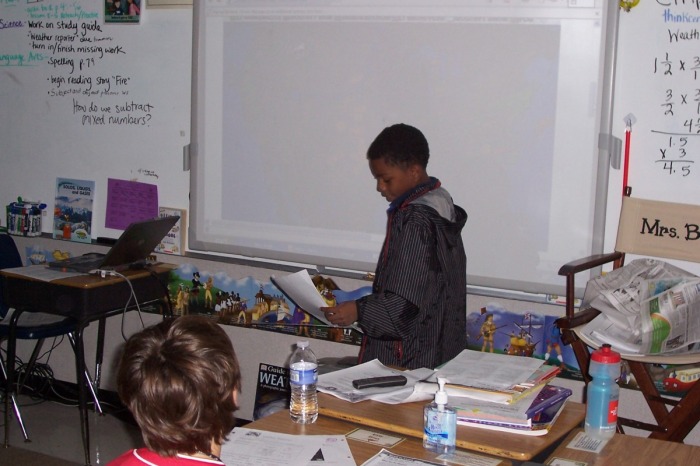
Weather Report Presentations
Nov. 23 & 24, 2009
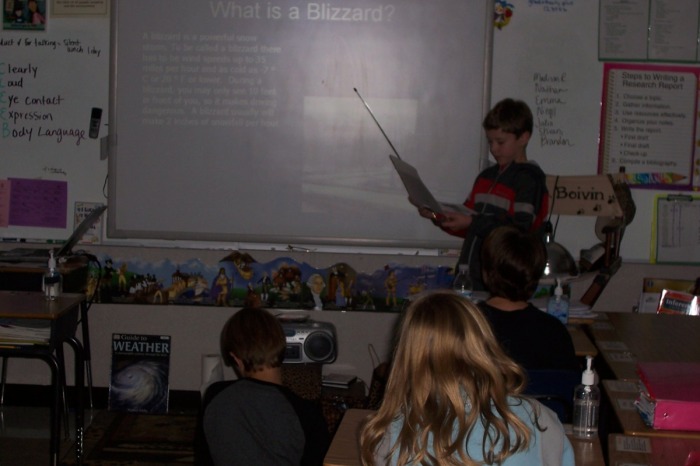
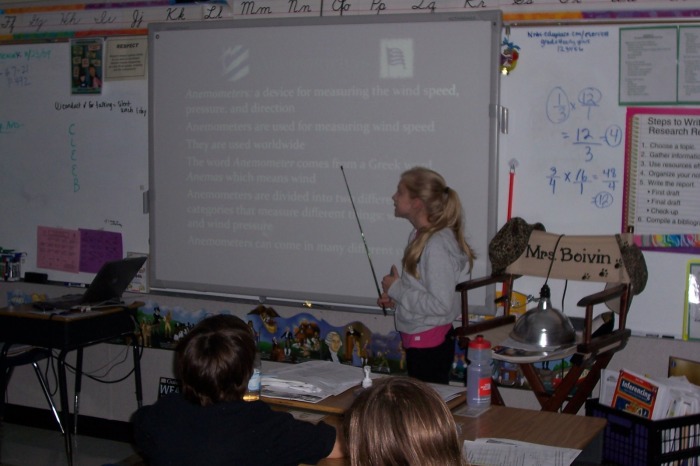
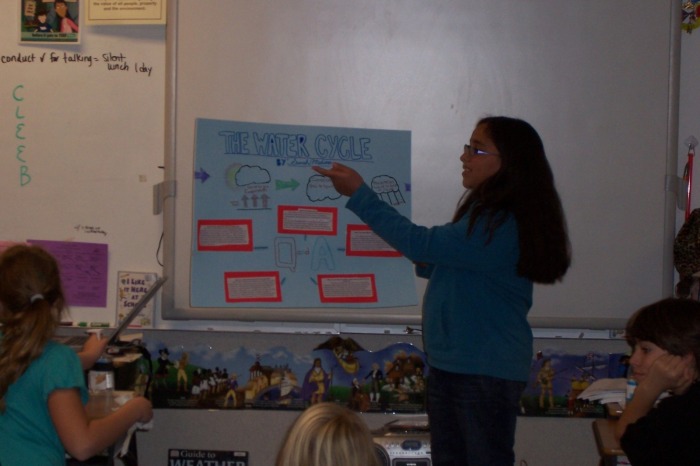
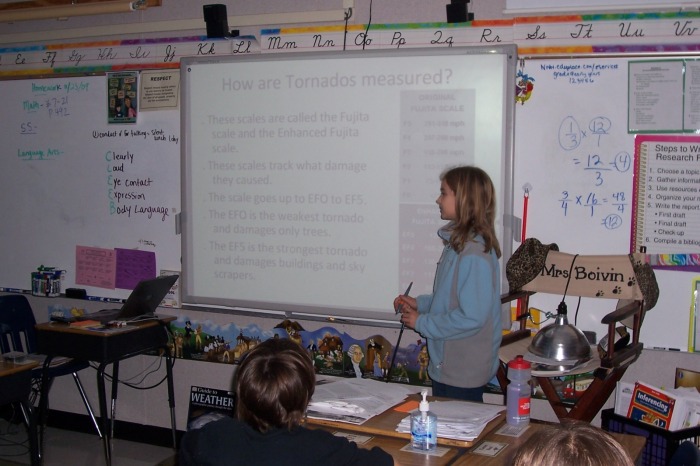
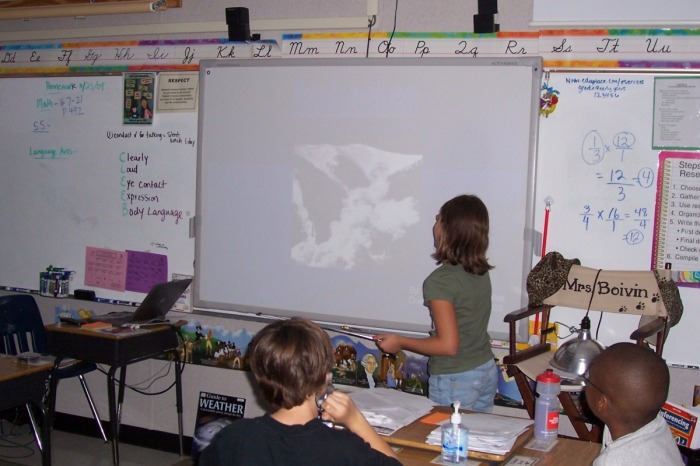
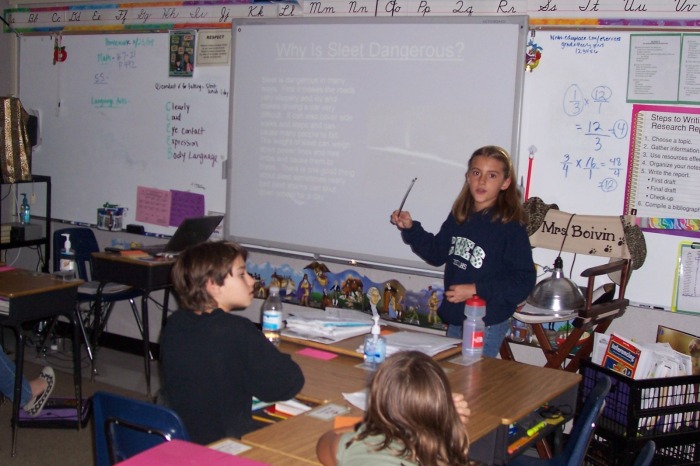
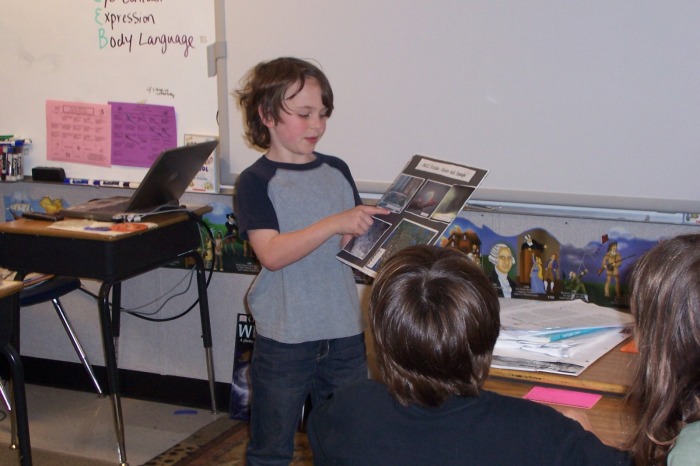
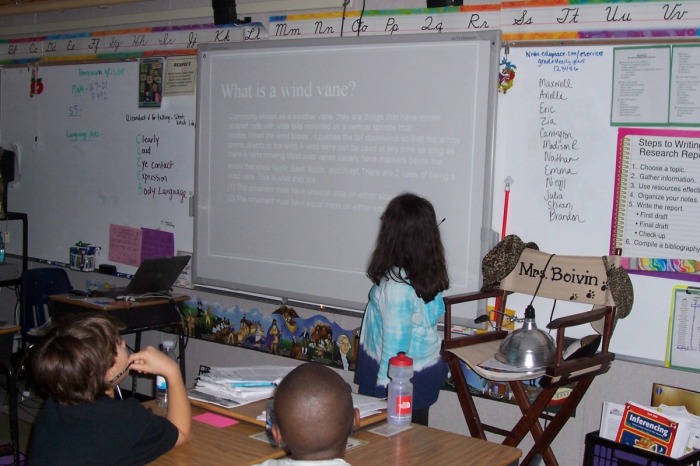
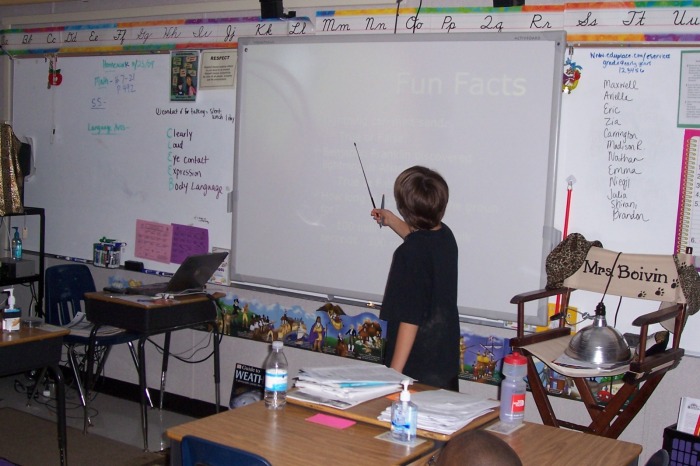
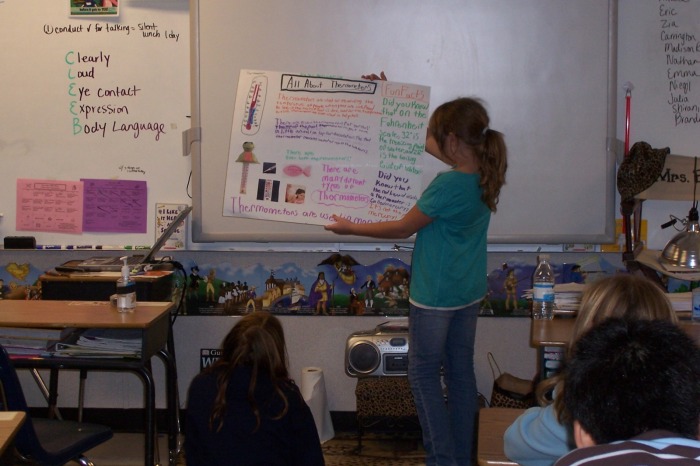
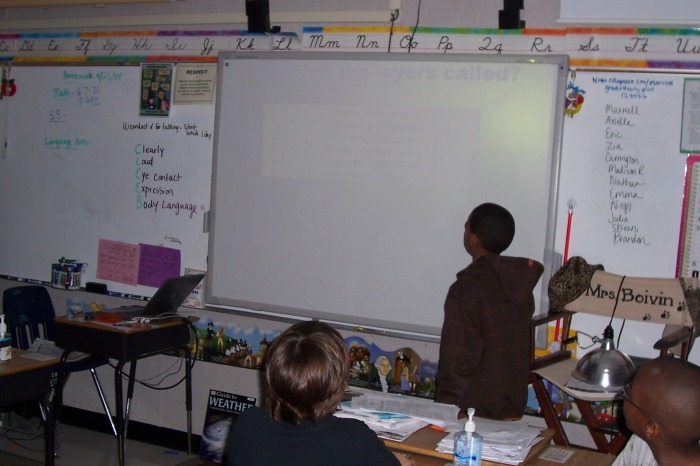
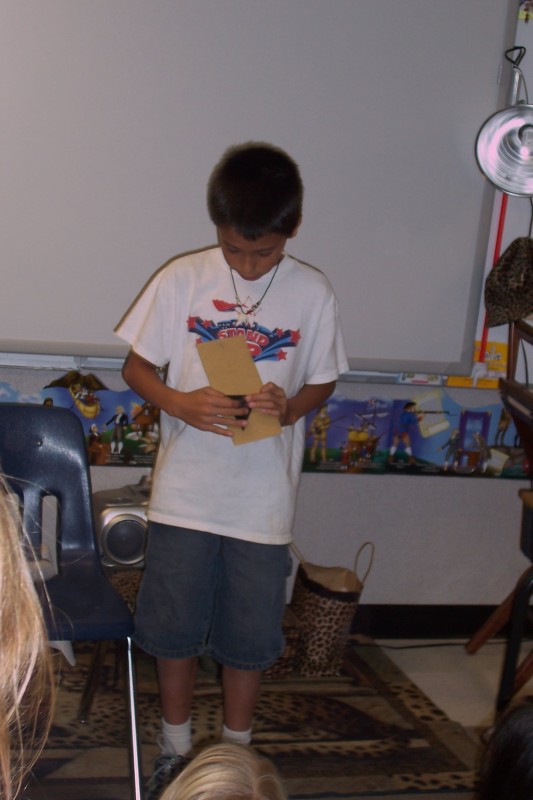
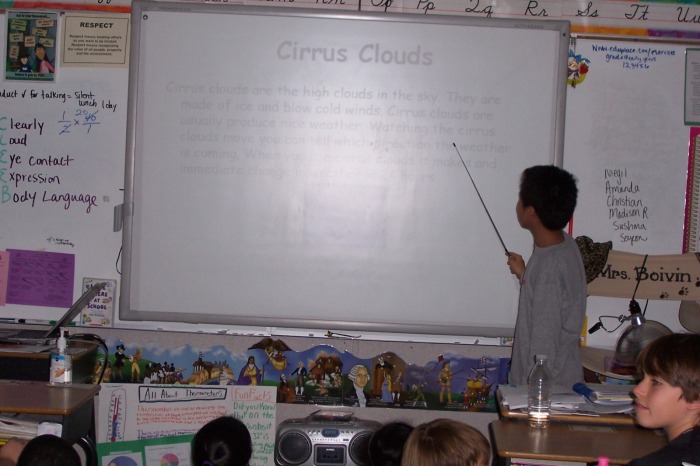
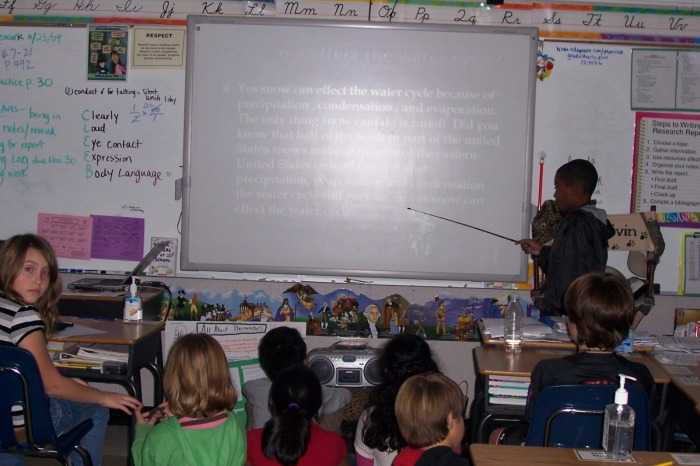
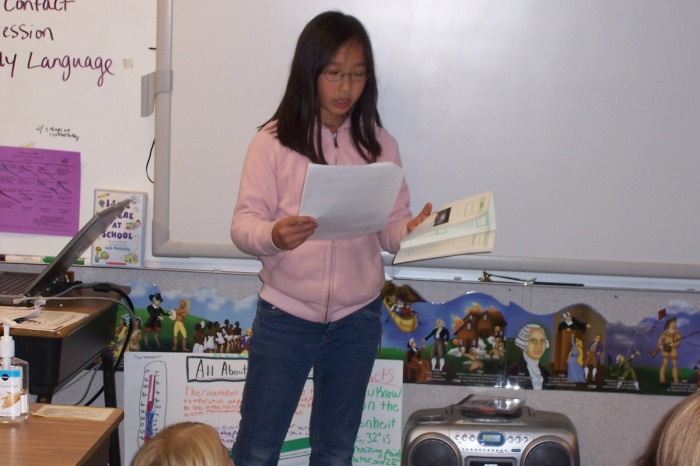
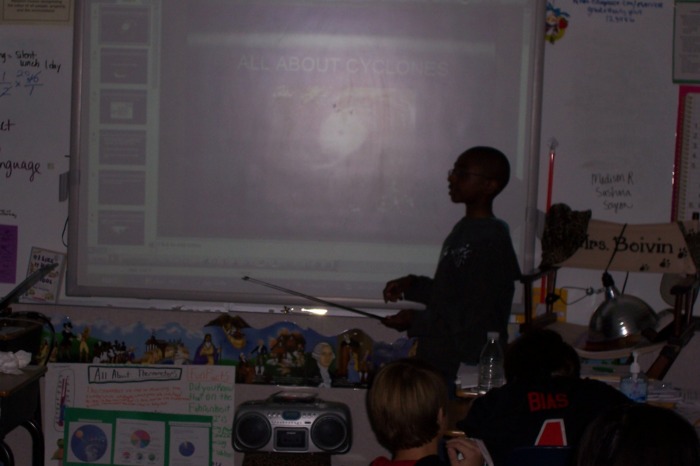
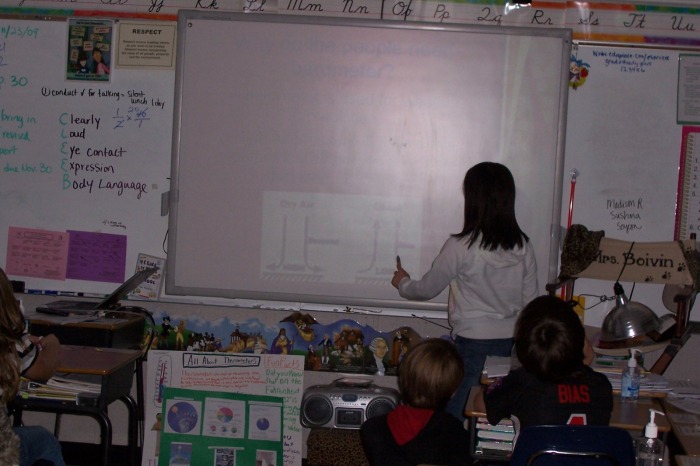
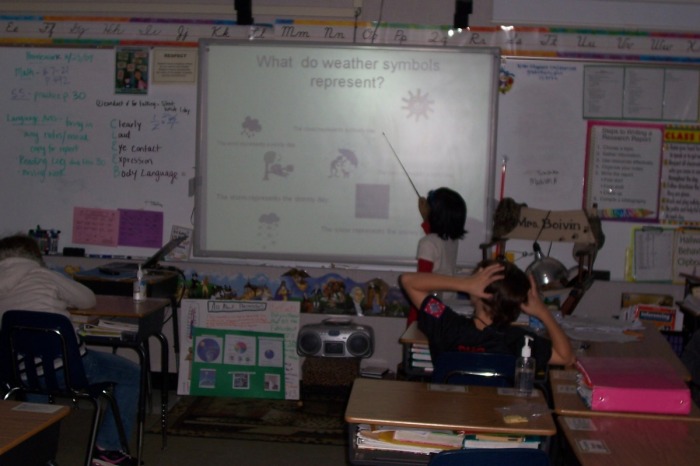
We are Meteorologists!
Nov. 11, 2009
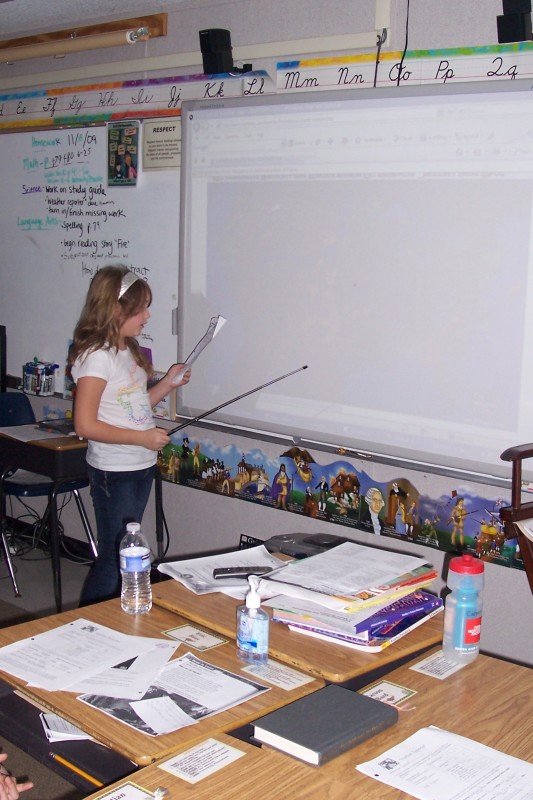
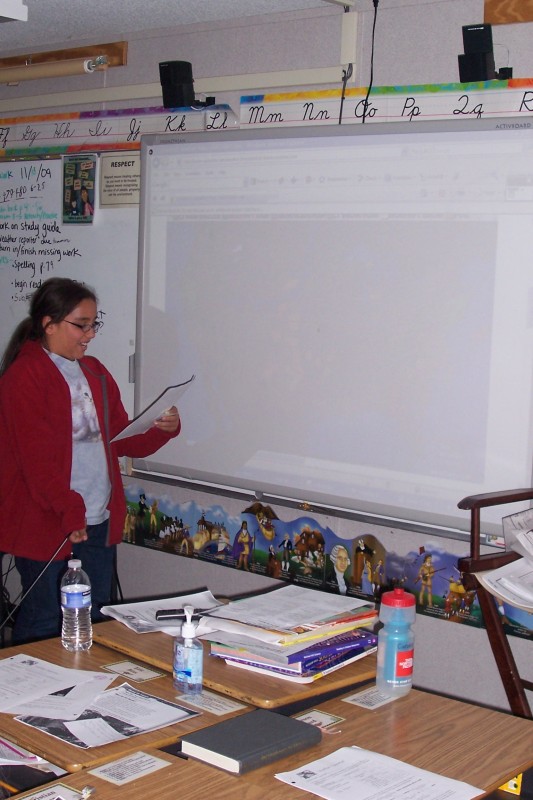
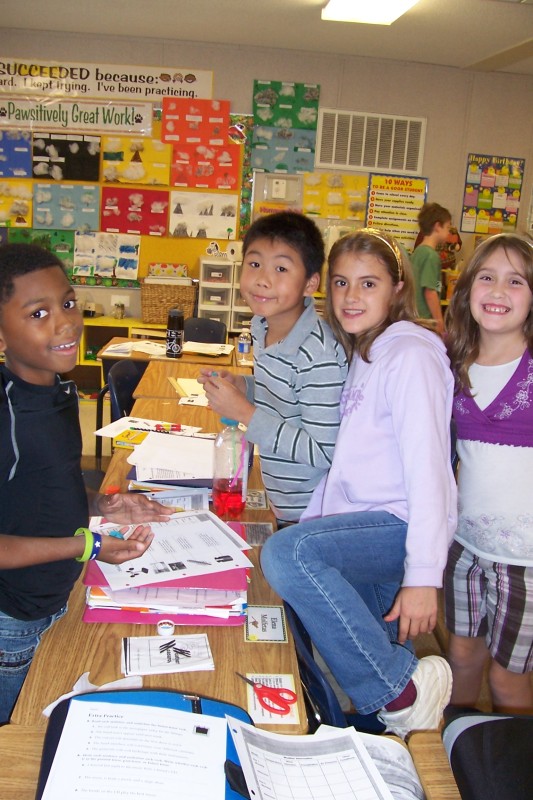
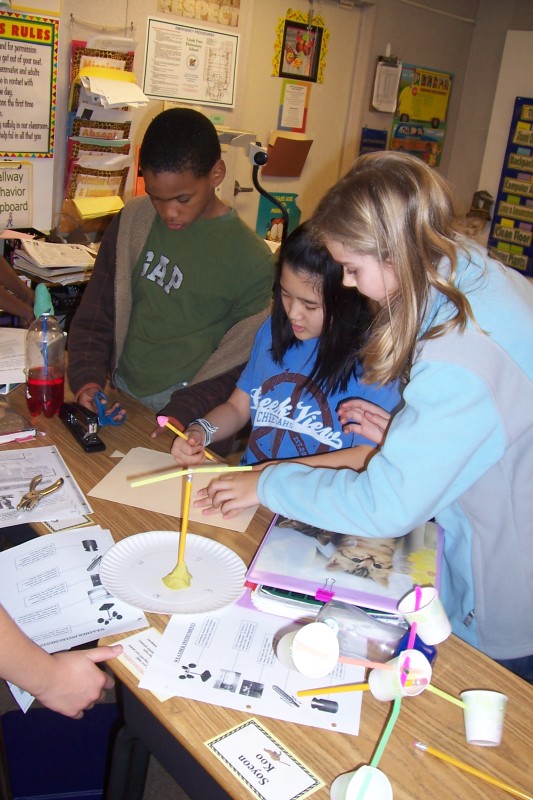
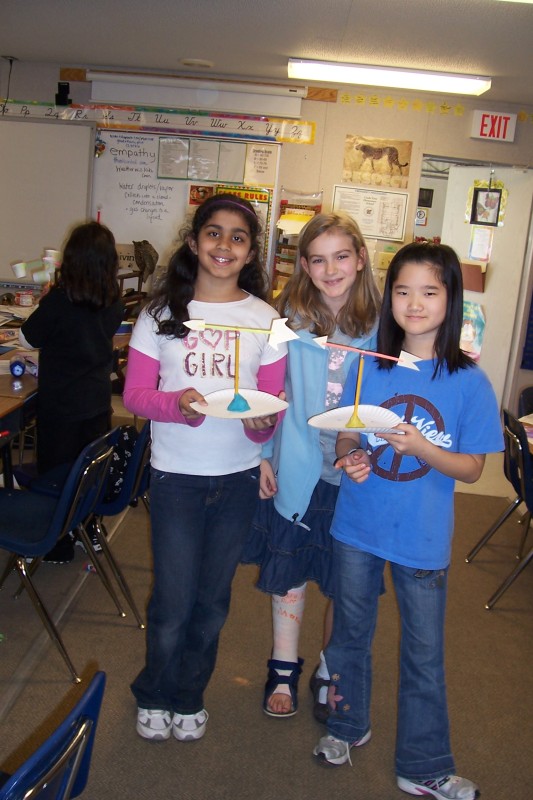
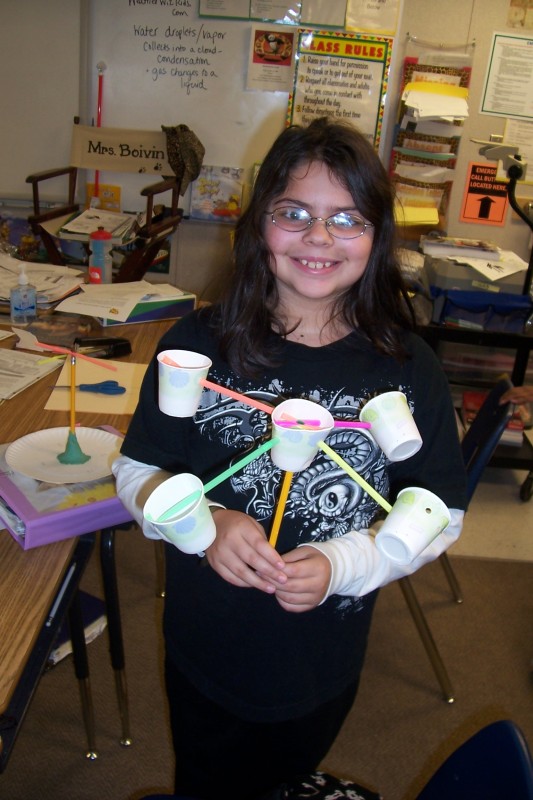
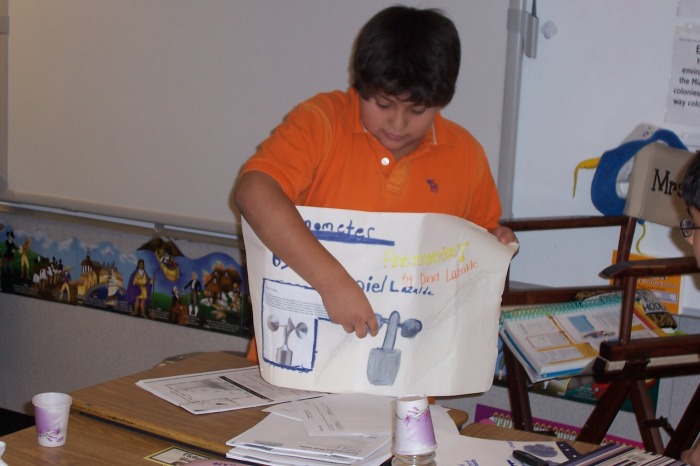
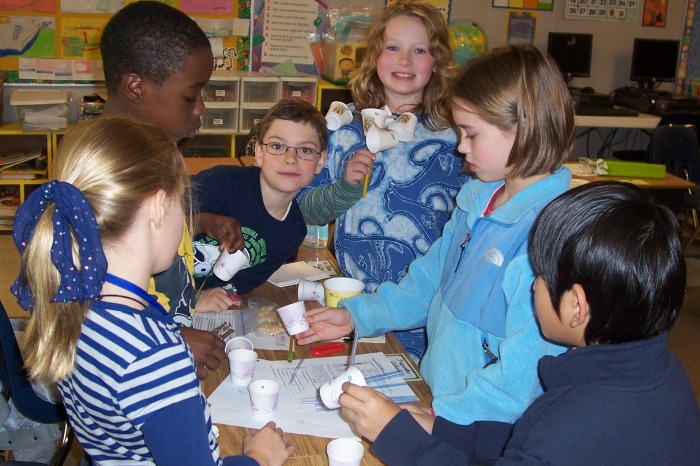
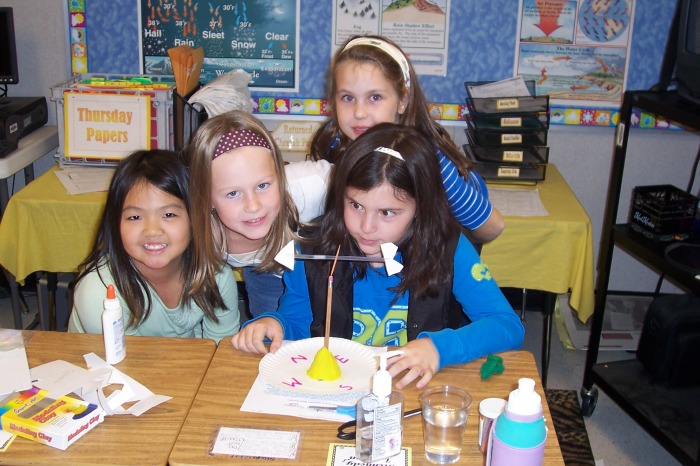
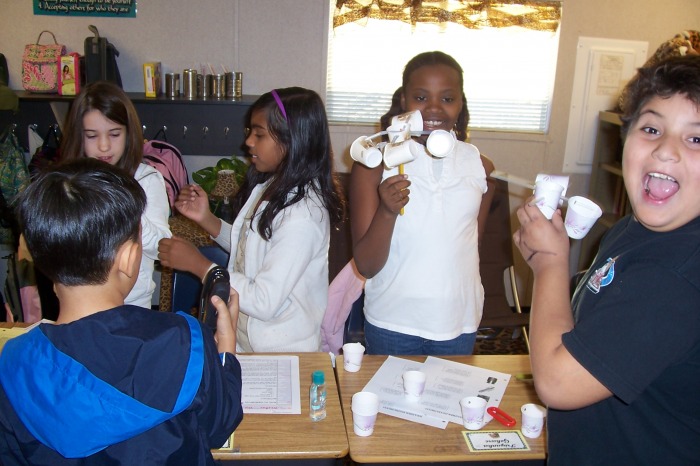
Making Weather Instruments - Nov. 5, 2009
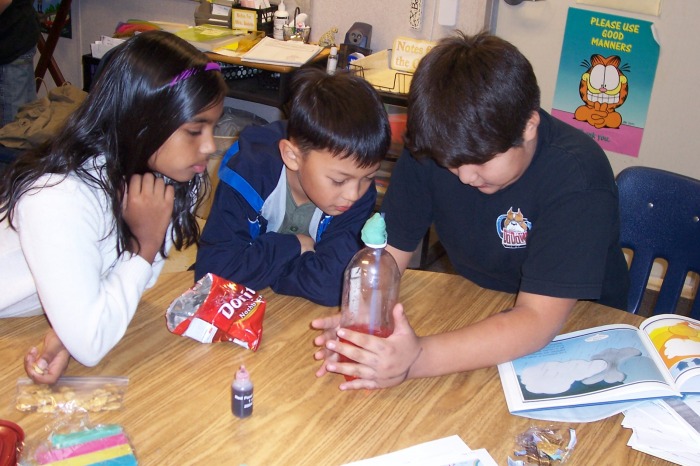
Today we made weather instruments:
1.) Wind Vane - it measures the wind direction
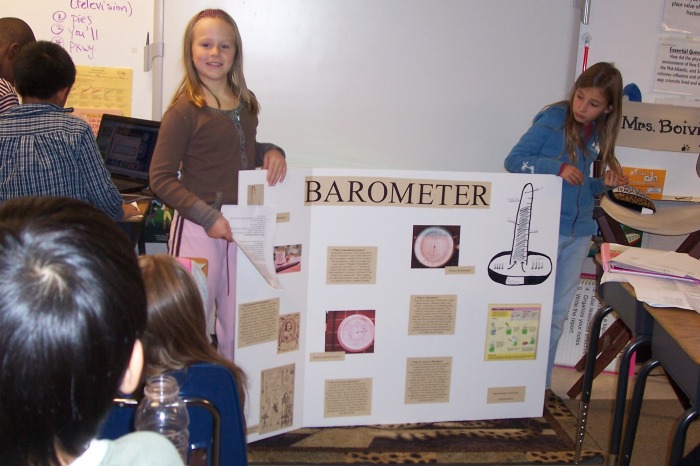
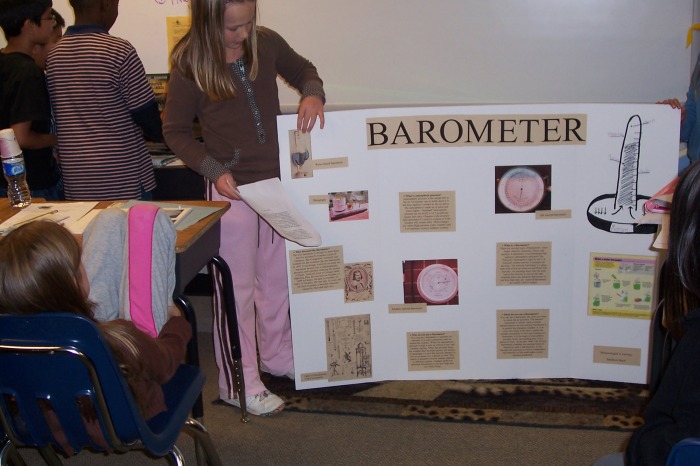
2.) Barometer - it measures the air pressure
3.) Anemometer - it measures the wind speed
4.) Thermometer - it measures the air temperature
1.) Wind Vane - it measures the wind direction
2.) Barometer - it measures the air pressure
3.) Anemometer - it measures the wind speed
4.) Thermometer - it measures the air temperature
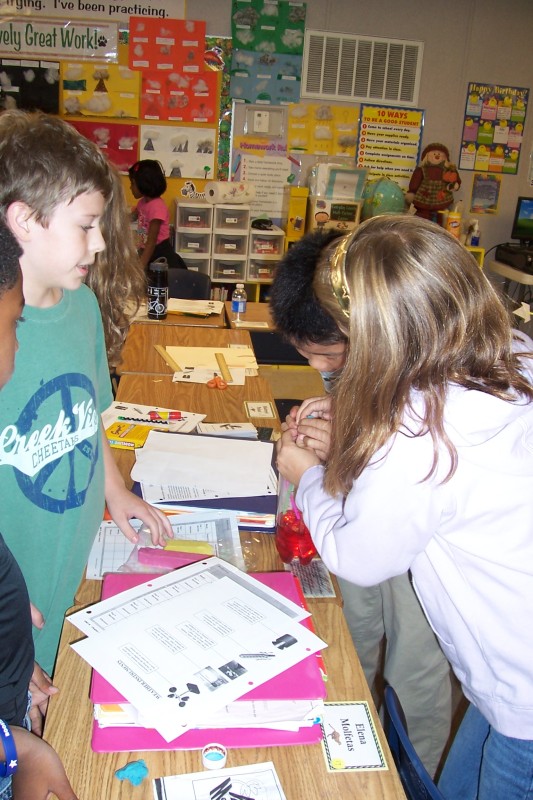
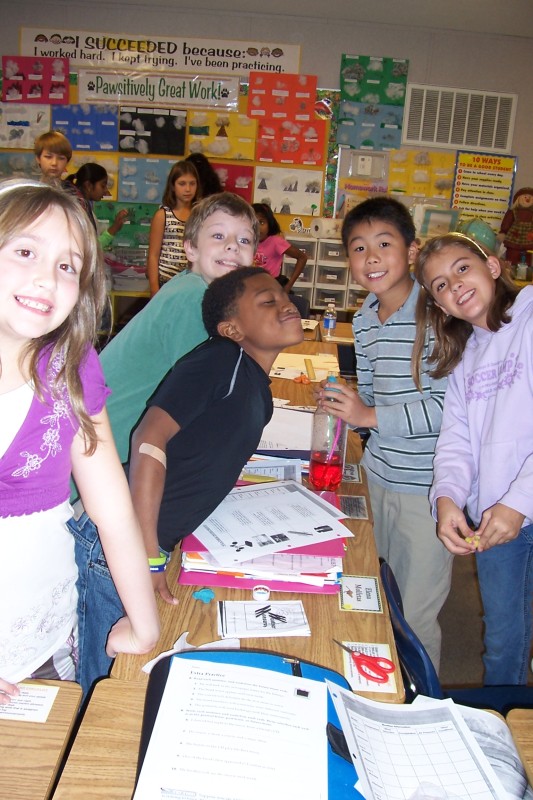
Clouds are forms of Condensation (gas changes to a liquid) - Nov. 4, 2009
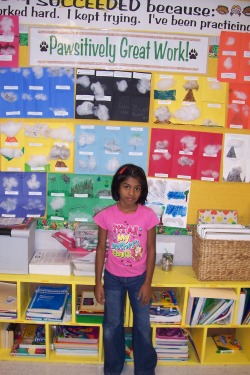
Today we learned about 6 types of clouds. We used stuffing to show what these clouds look like:
1.) cumulus clouds - big, puffy, flat on bottom - indicate fair, clear weather
2.) cirrus clouds - white, feathery - highest in the sky. Also show clear weather
3.) fog - a cloud on the ground
4.) cumulonimbus clouds - very tall, dark cumulus clouds. Indicate thunderstorms.
5.) nimbostratus clouds - low dark blankets
6.) stratus clouds - low, wide blankets of clouds
1.) cumulus clouds - big, puffy, flat on bottom - indicate fair, clear weather
2.) cirrus clouds - white, feathery - highest in the sky. Also show clear weather
3.) fog - a cloud on the ground
4.) cumulonimbus clouds - very tall, dark cumulus clouds. Indicate thunderstorms.
5.) nimbostratus clouds - low dark blankets
6.) stratus clouds - low, wide blankets of clouds
Astronomy Science Lab
September 17, 2009
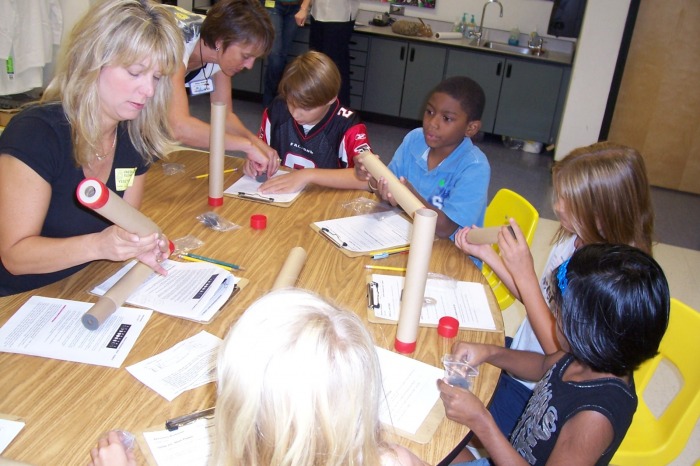
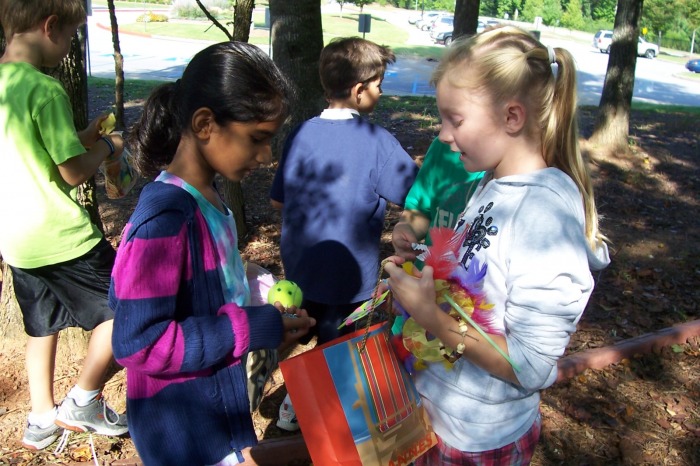
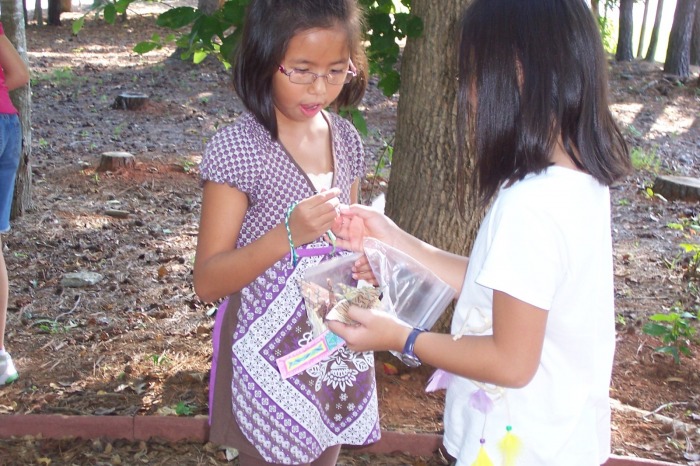
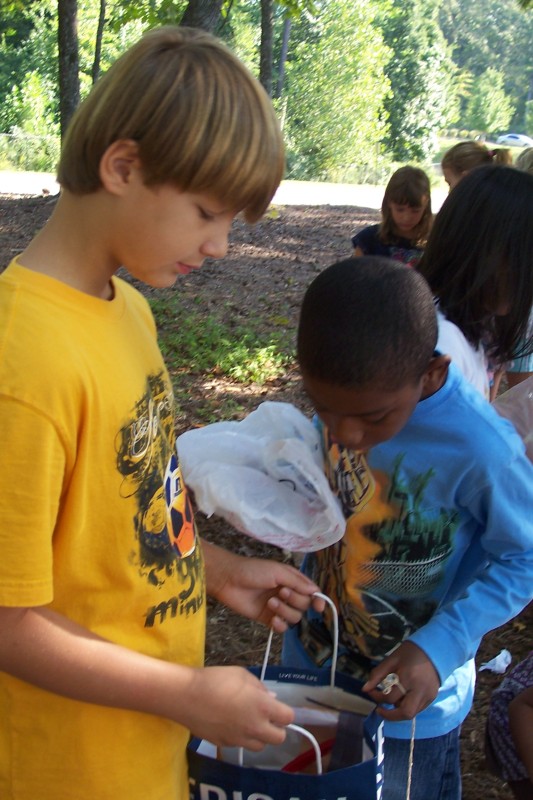
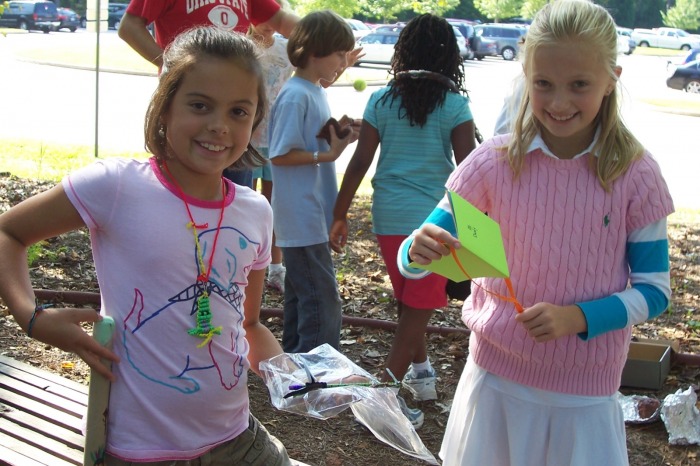
Our Native American Potlatch 2009
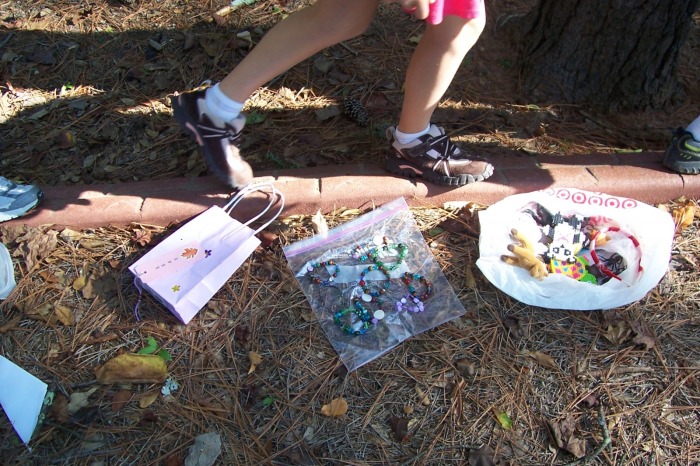
A potlatch is a large feast that could last for several days. The Native Americans of the Northwest Coast (Kwakiutls) enjoyed holding potlatches in the winter to celebrate important life events, such as marriage or building a house. During a potlatch, the hosts gave valuable gifts to guests.
During our potlatch, we learned about how to barter, or trade goods without money. We each made 5-10 items, of which we then traded with other students. We enjoyed showing off our valuable gifts!
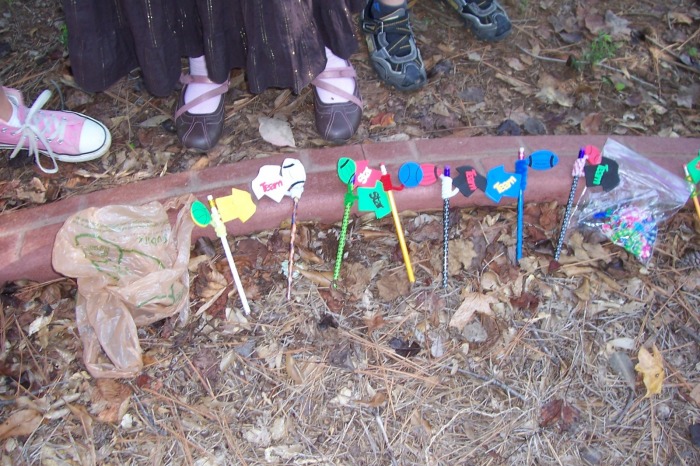
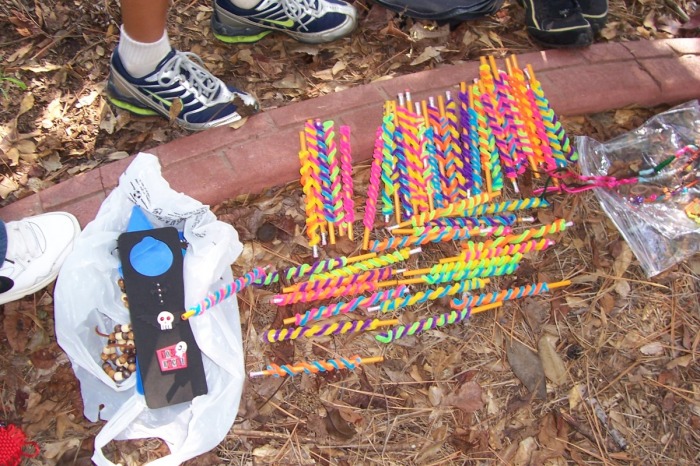
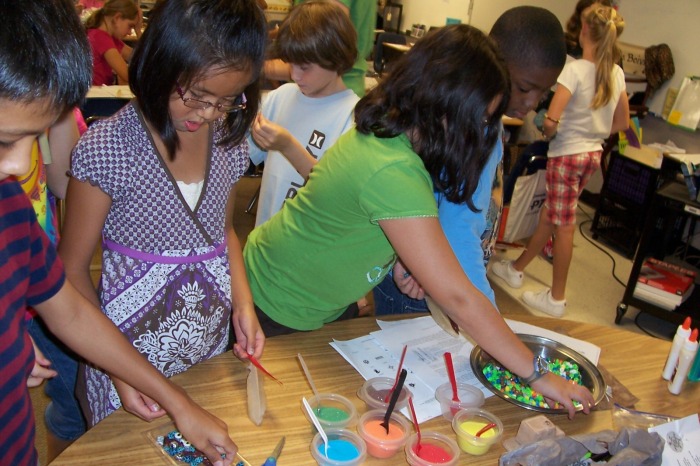
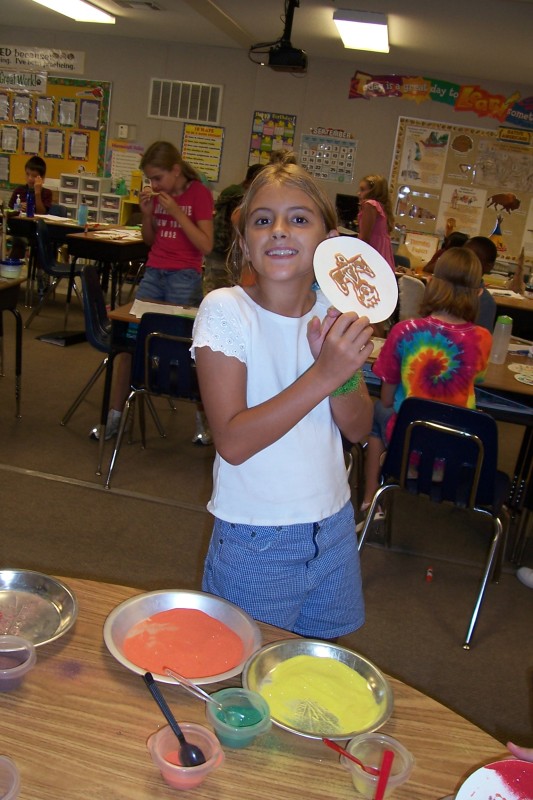
After the potlatch, our class enjoyed making ownership sticks in which we got to draw symbols that represented ourselves. We also made Navajo (SW region) sandart, and then ate delicious Navajo Fry Bread. Celebrating Native Americans and their traditions is very fun!
During our potlatch, we learned about how to barter, or trade goods without money. We each made 5-10 items, of which we then traded with other students. We enjoyed showing off our valuable gifts!
After the potlatch, our class enjoyed making ownership sticks in which we got to draw symbols that represented ourselves. We also made Navajo (SW region) sandart, and then ate delicious Navajo Fry Bread. Celebrating Native Americans and their traditions is very fun!
Boosterthon
August 2009
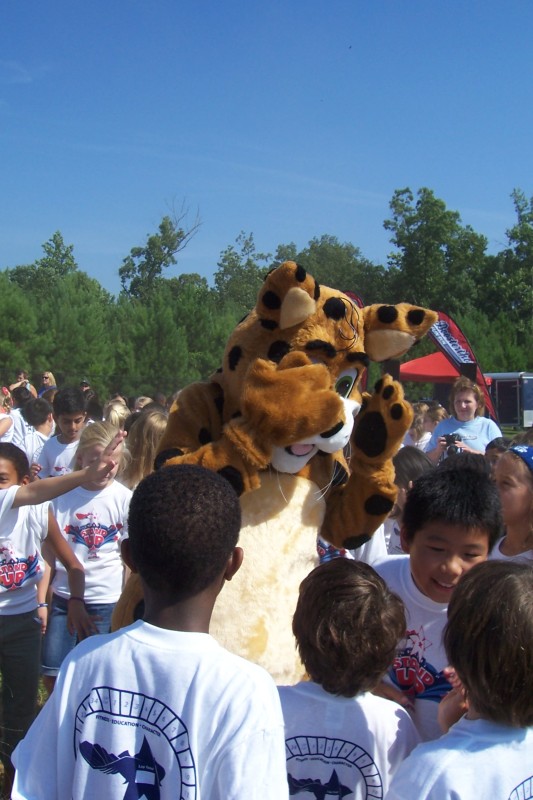
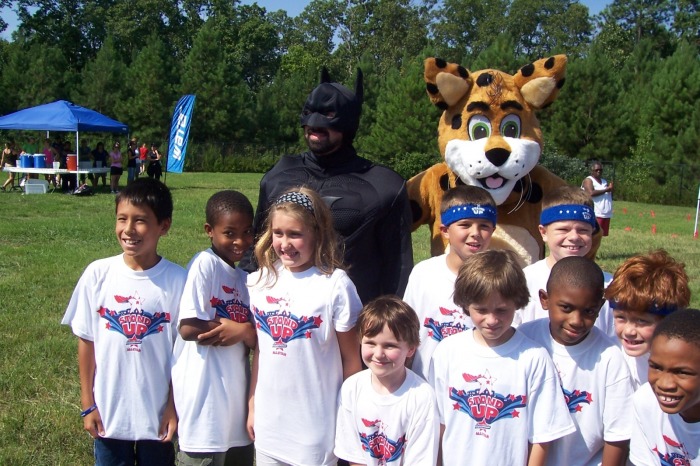
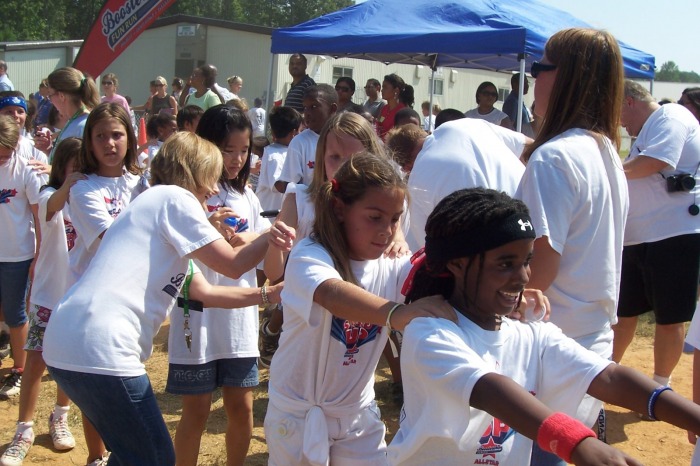
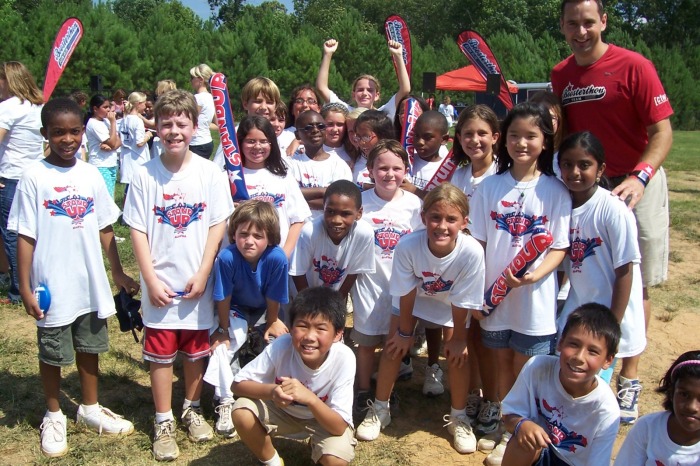
Students had a great time at the Science lab, learning about Sound and Light!
Feb. 18, 2009
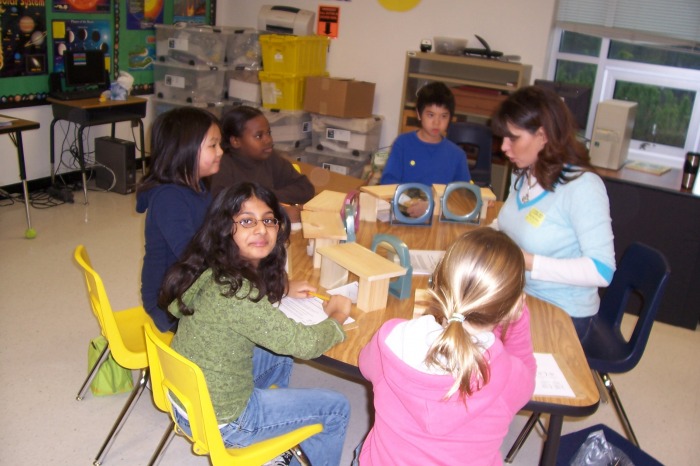
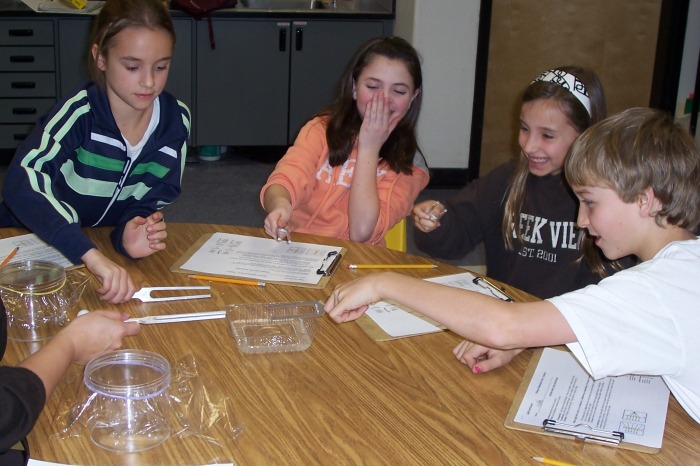
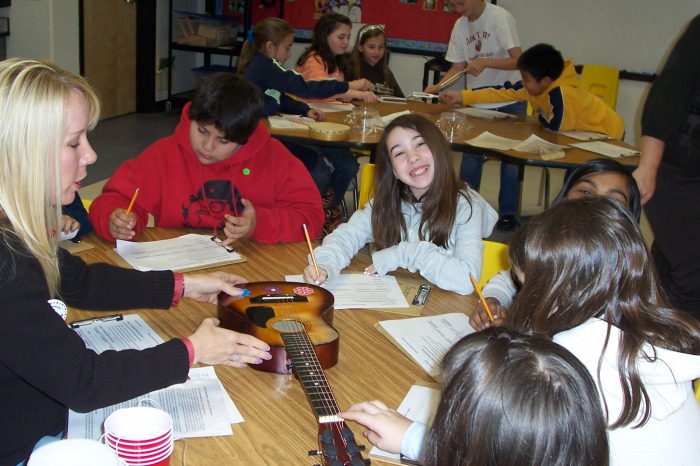
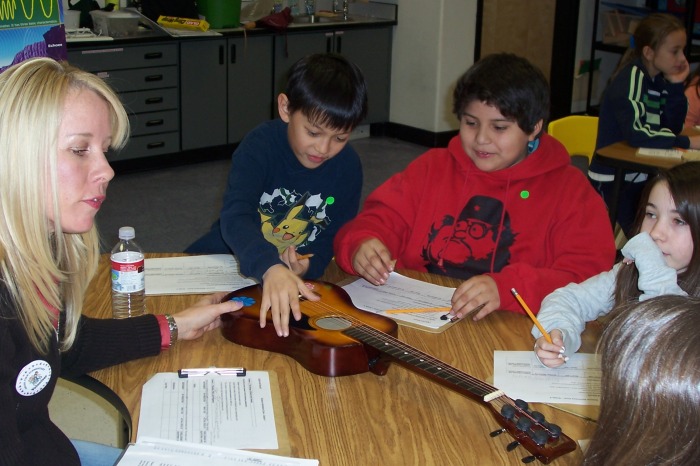
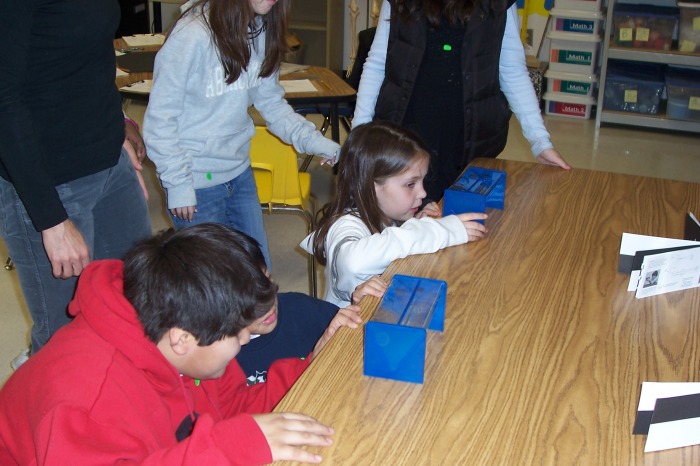
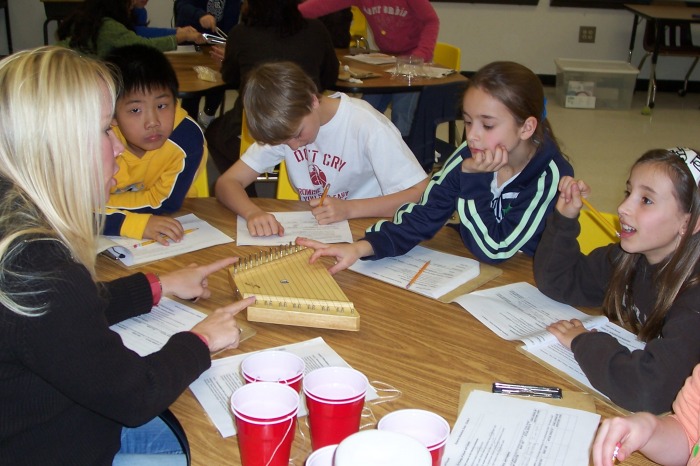
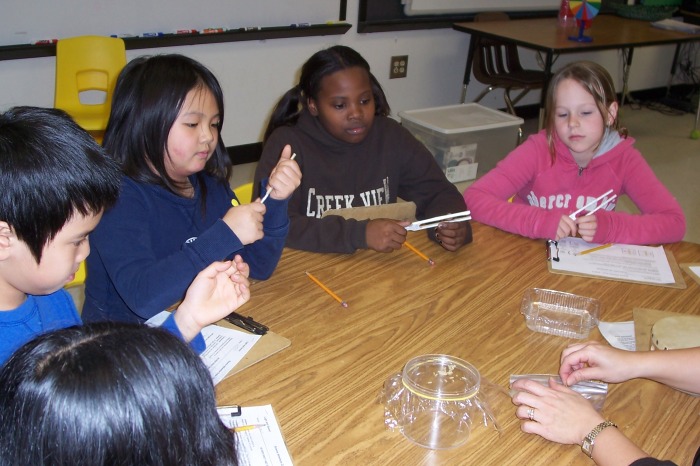
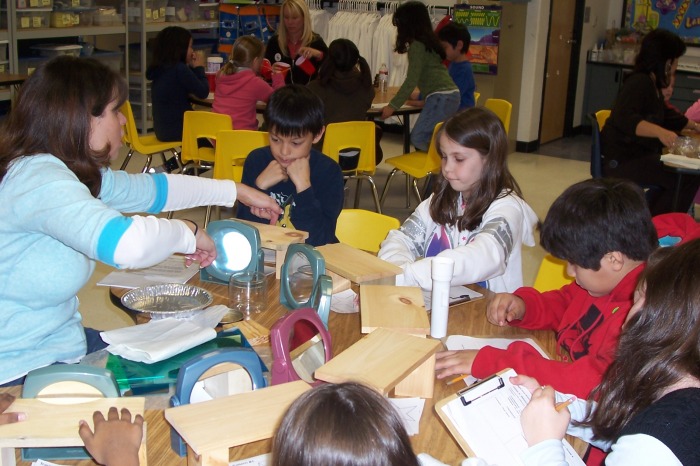
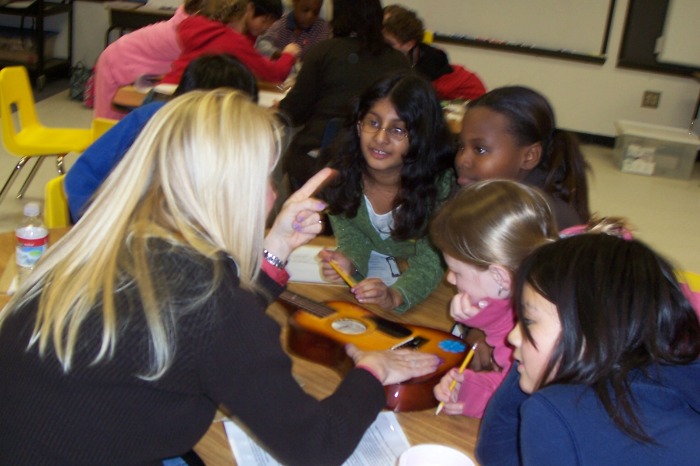
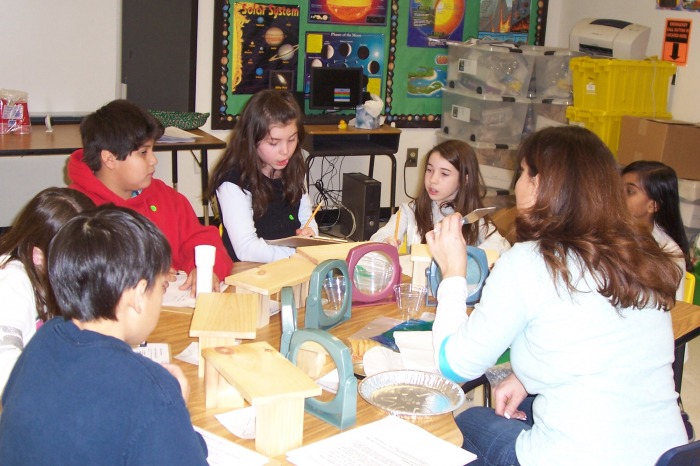
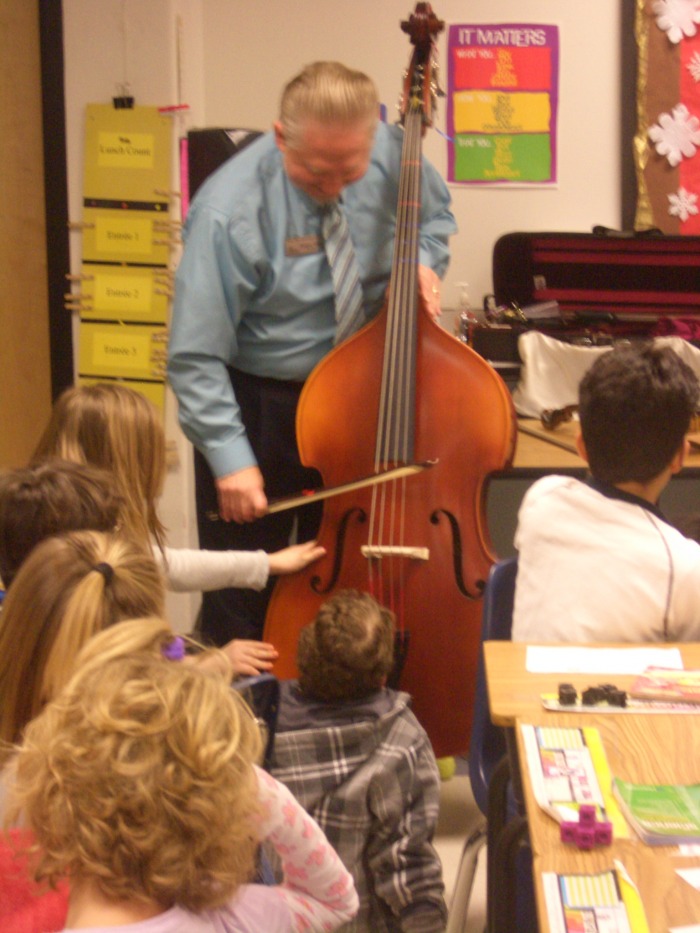
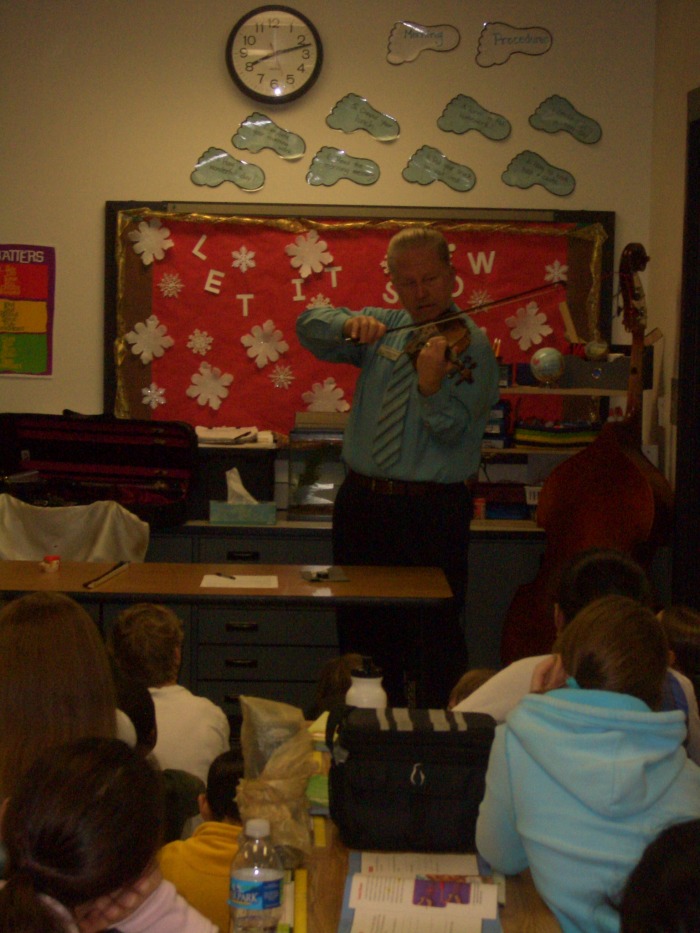
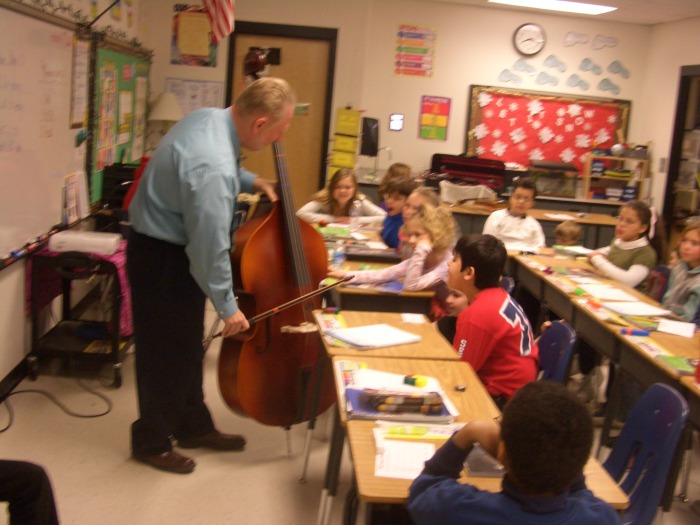
Mr. Fisher shared with our class, Ms. Mouchaham's class, and Mr. Thoss's class about sound vibrations and instruments on Feb. 17
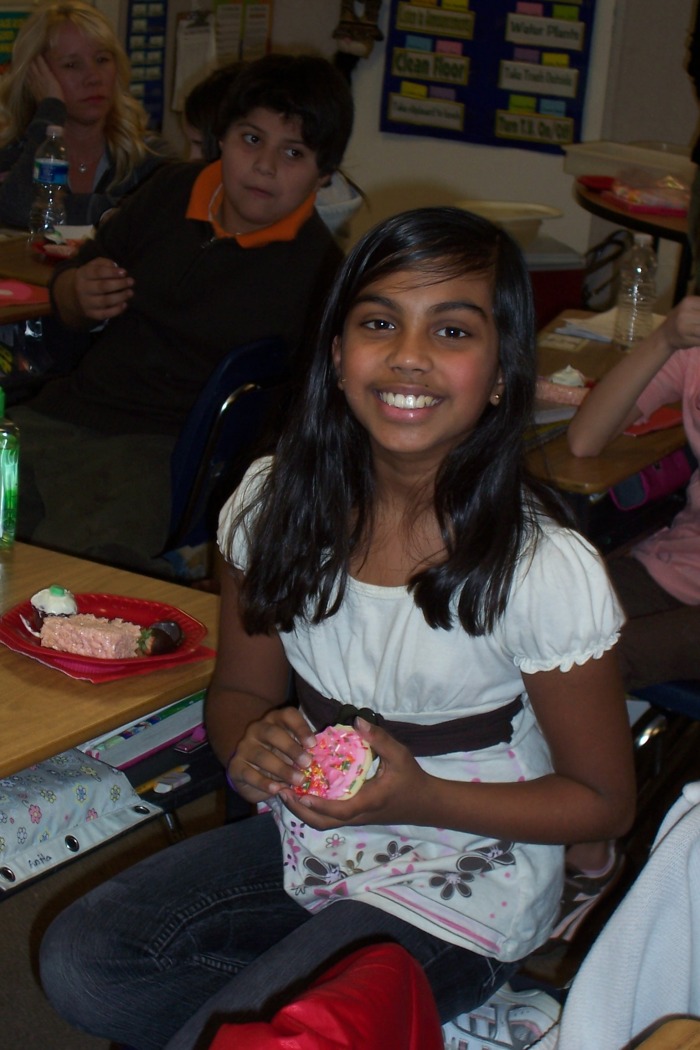
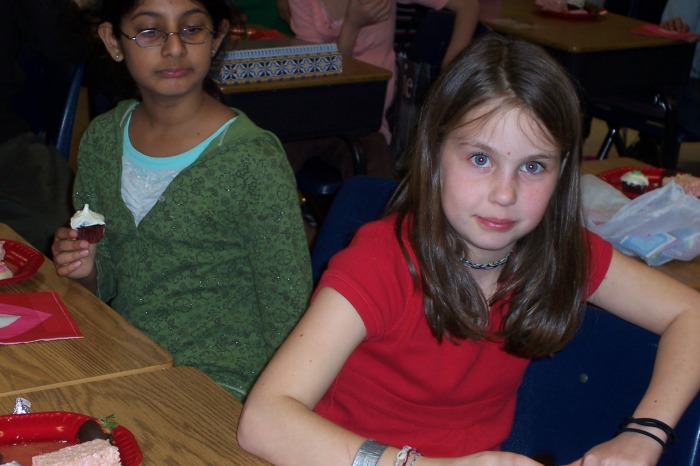
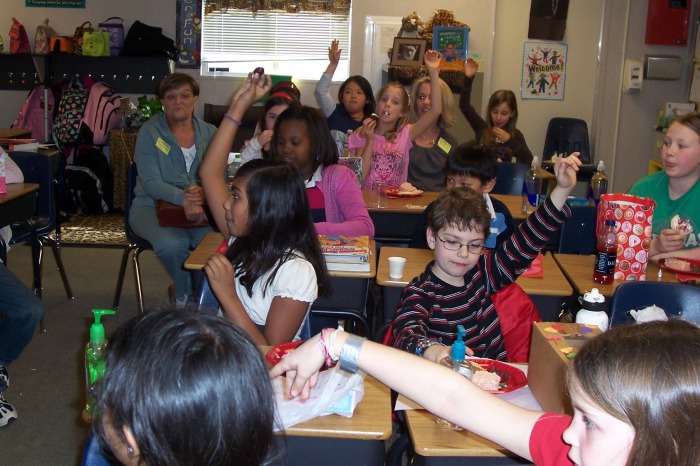
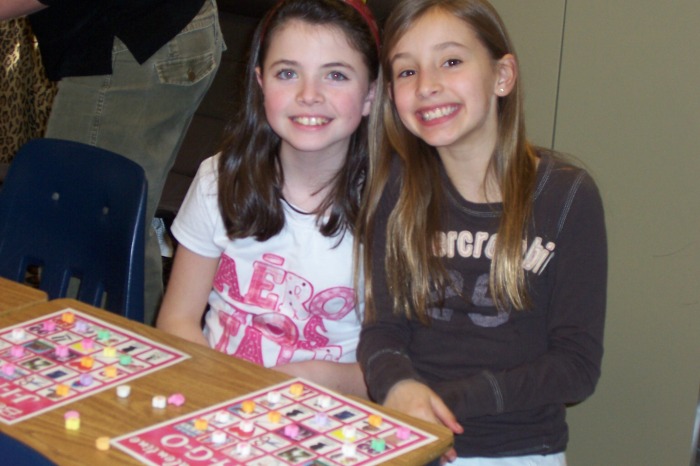
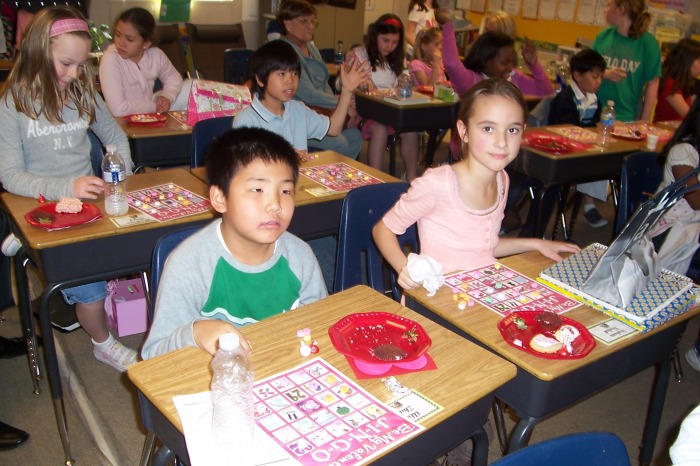
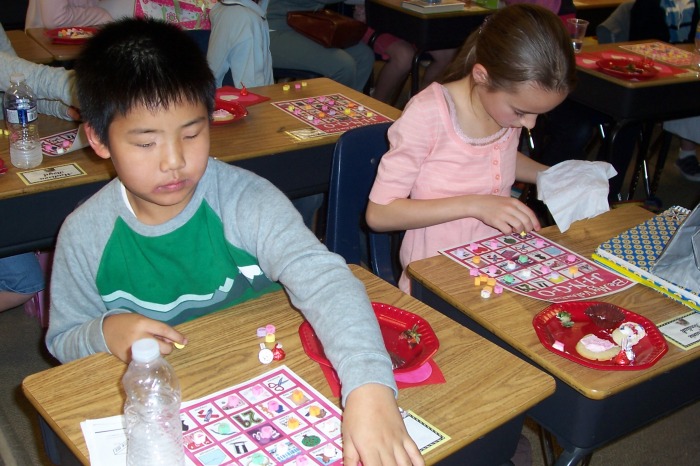
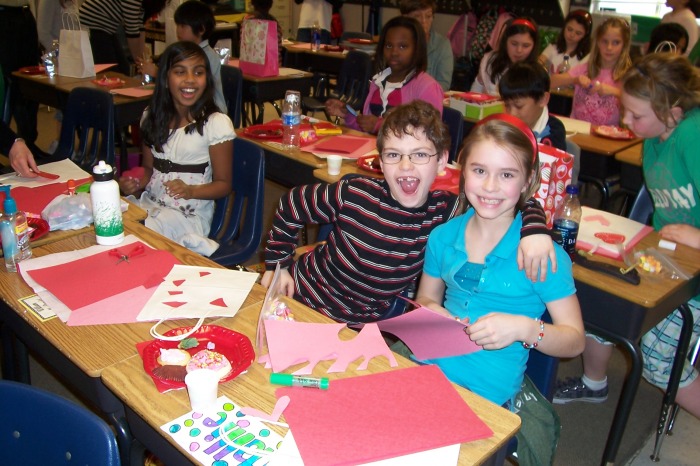
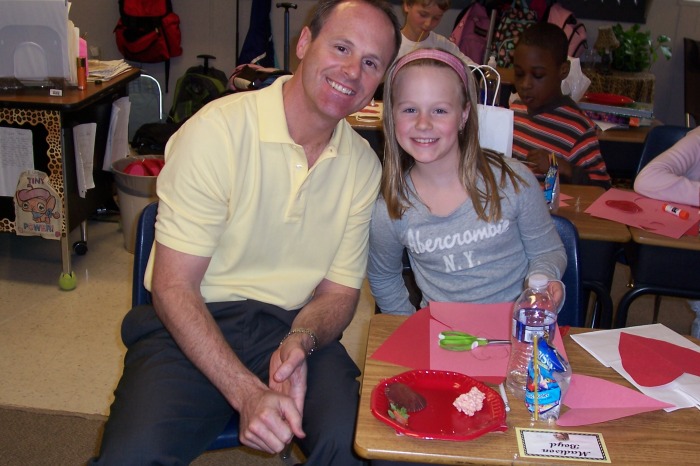
We had a really fun Valentine's Party on Feb. 11, 2009!
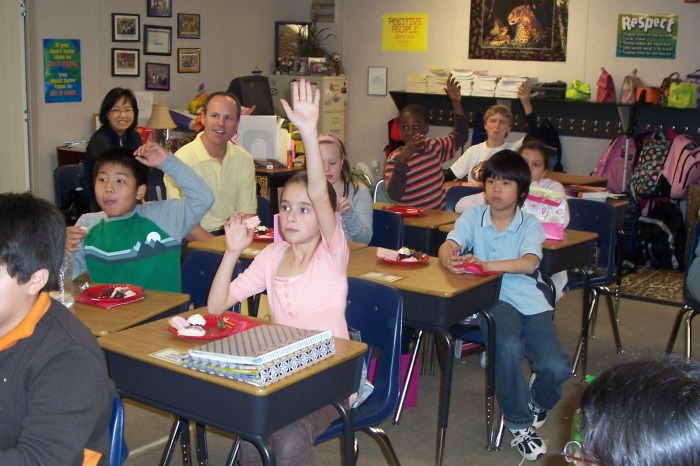

We enjoyed testing out Simple Machines on Feb.2.
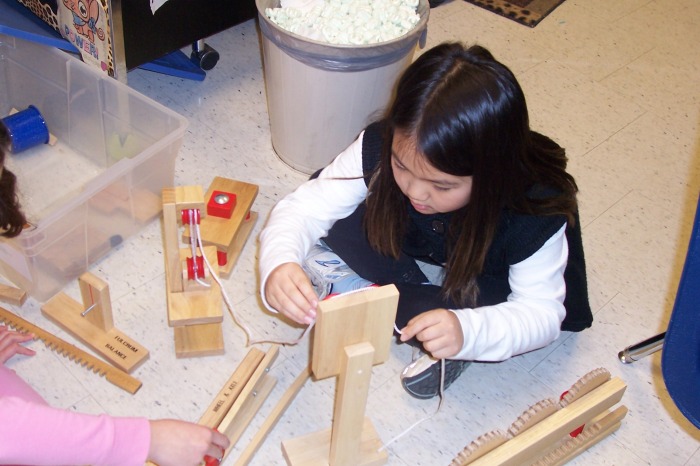
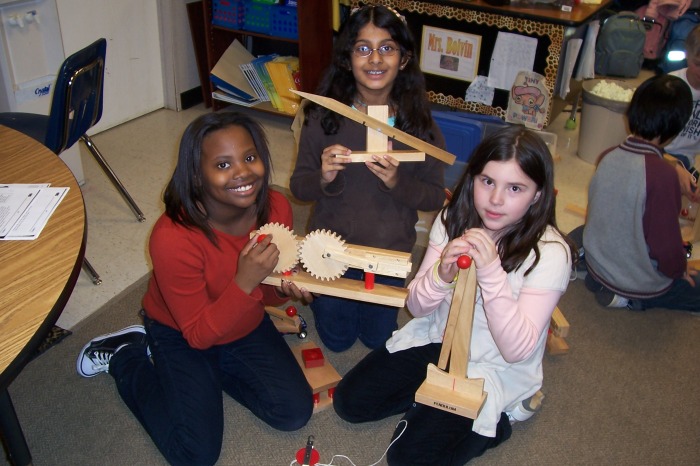
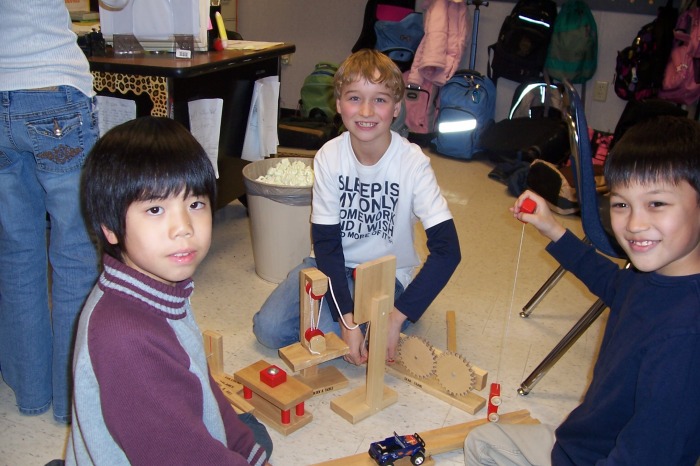
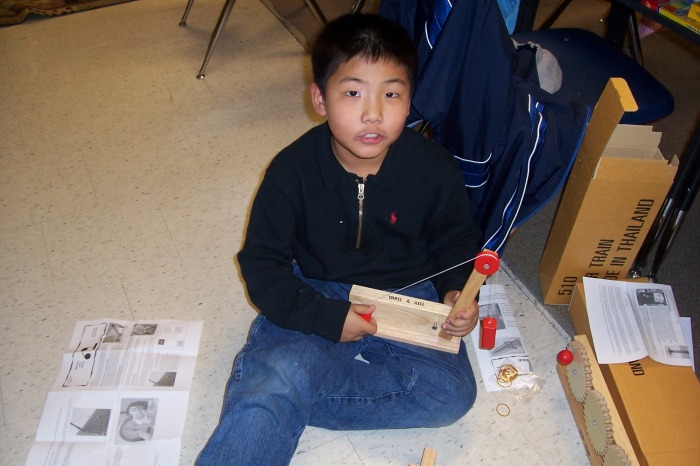
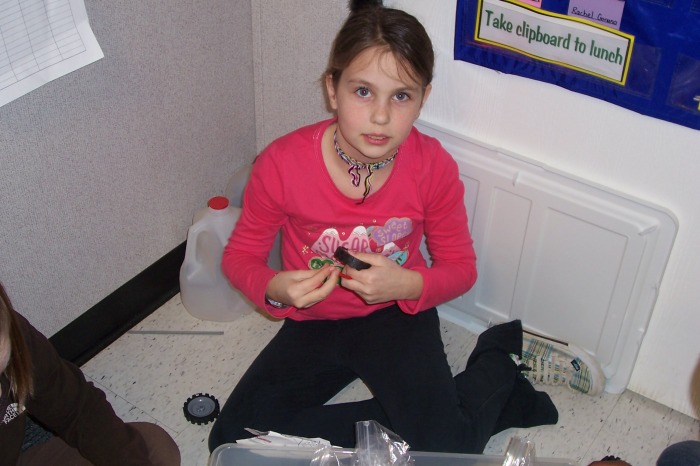
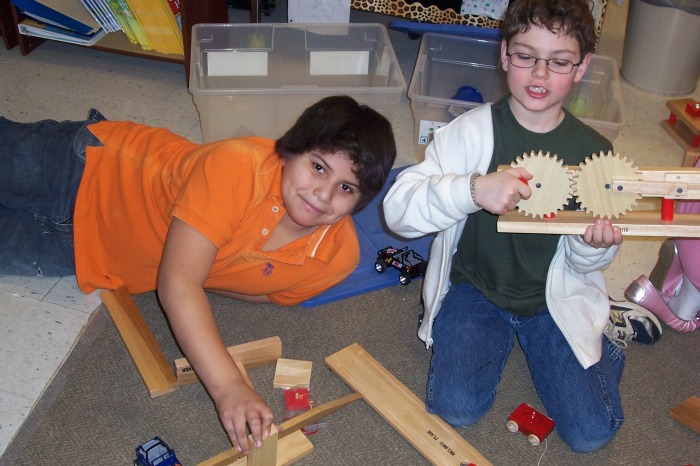
Scenes from
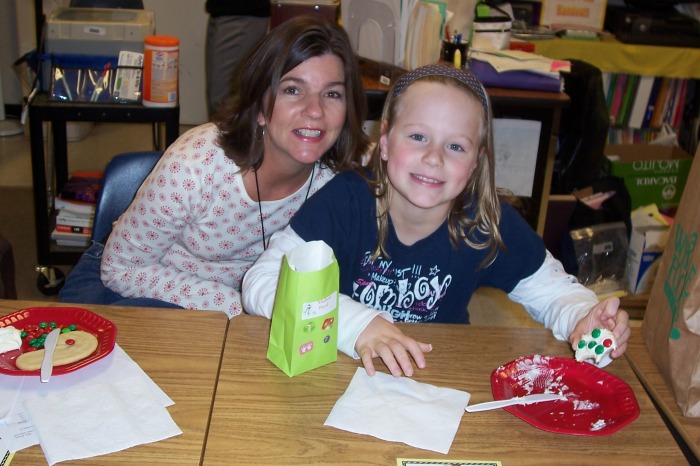
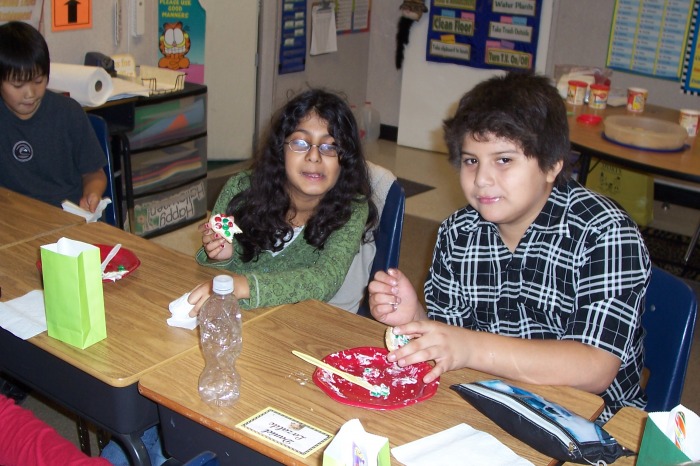
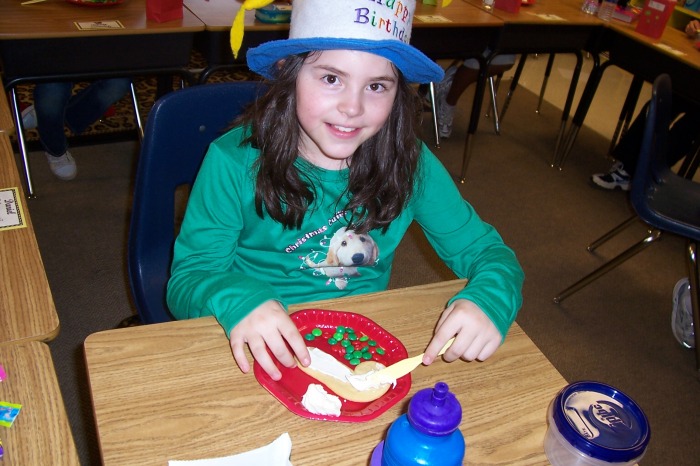
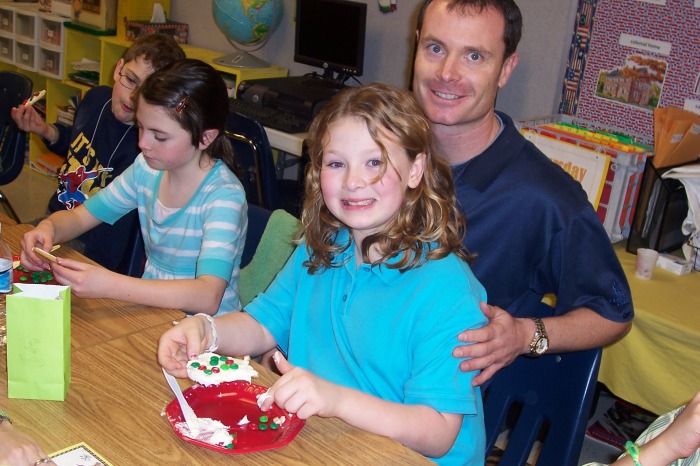
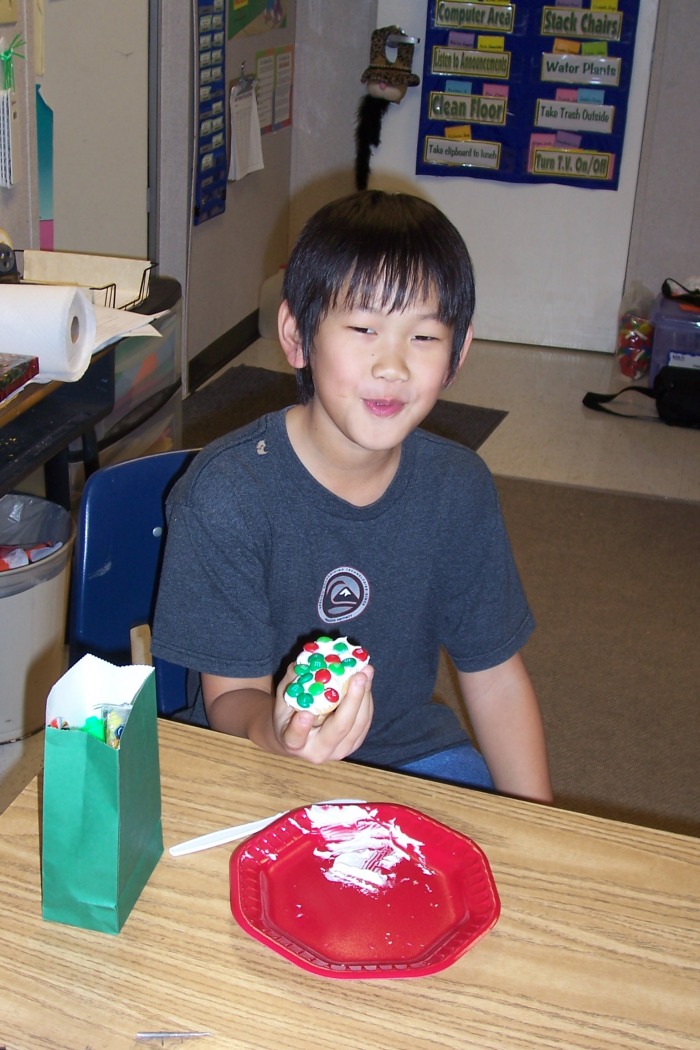
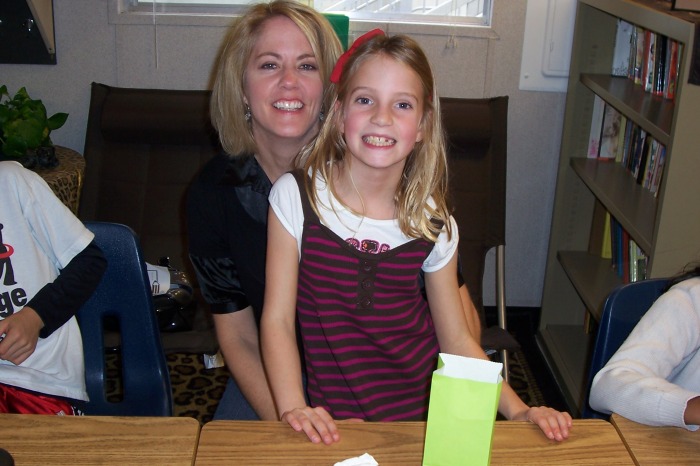
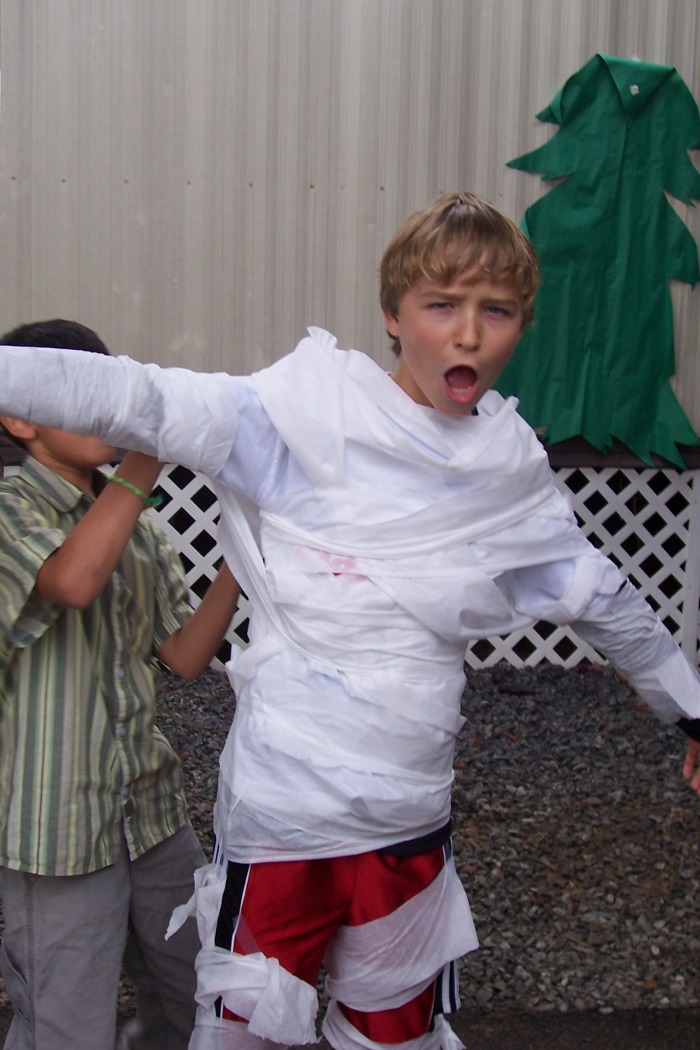
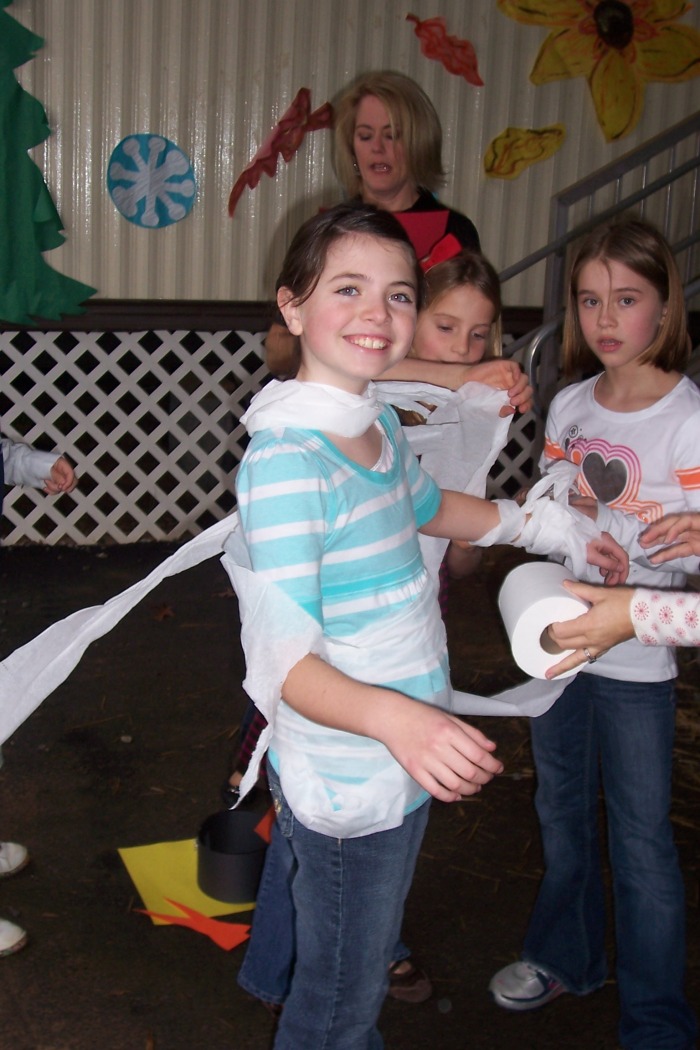
Our Holiday Party
December 19, 2008
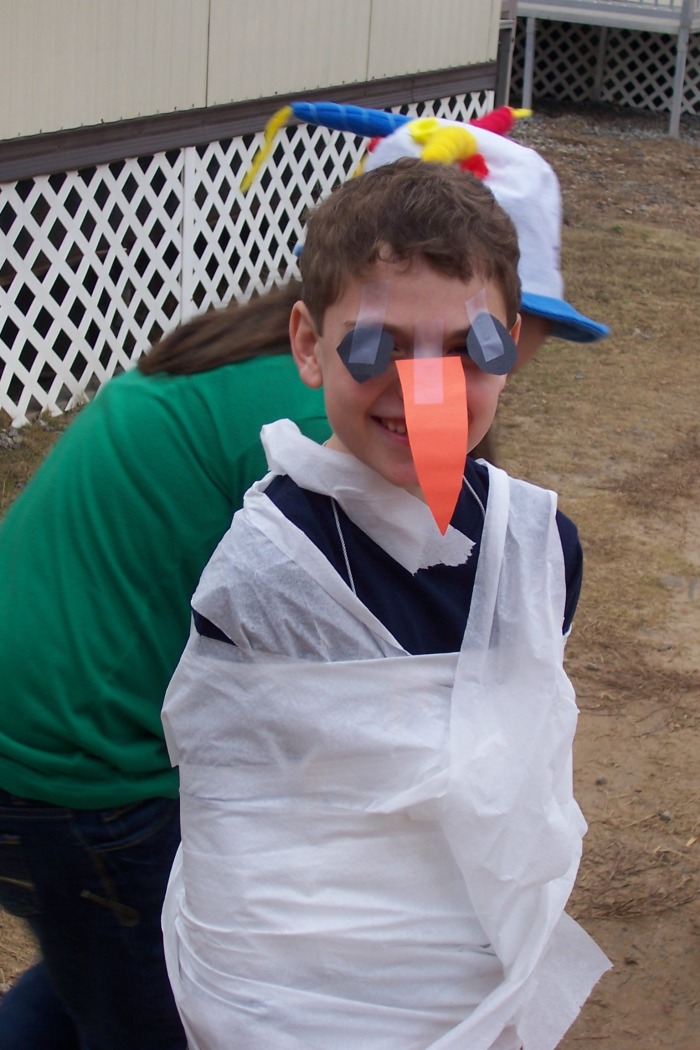
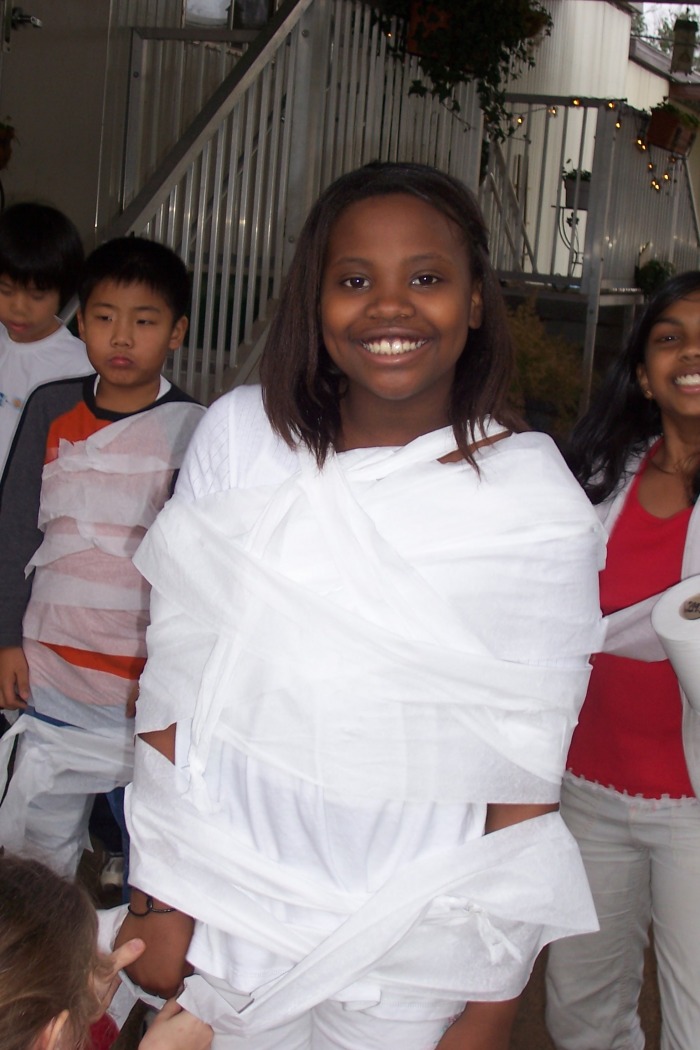
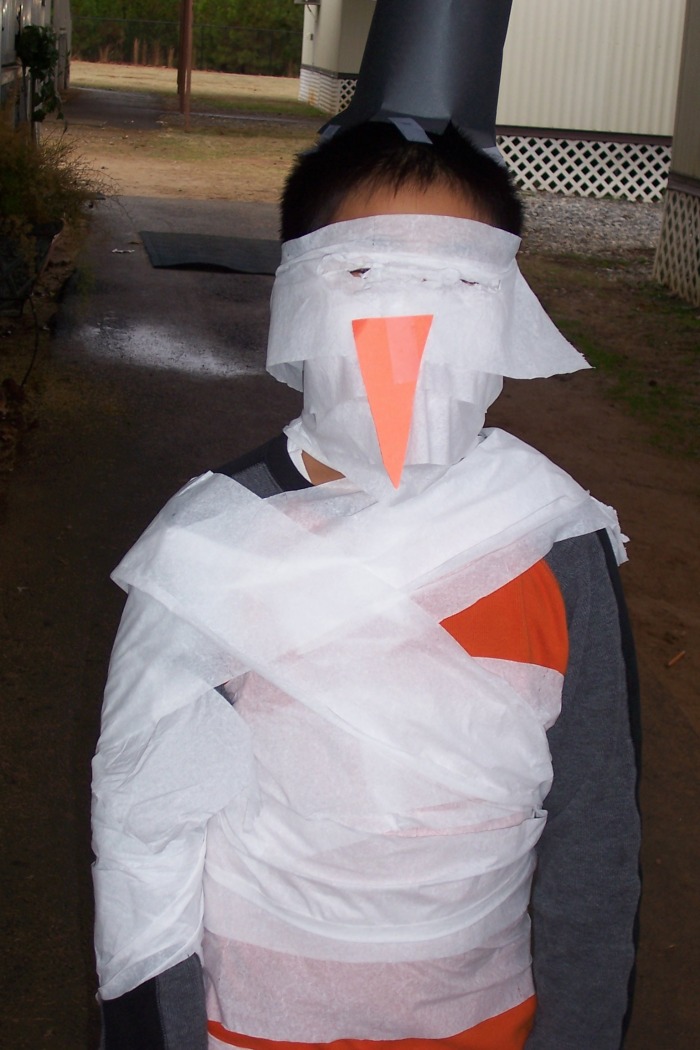
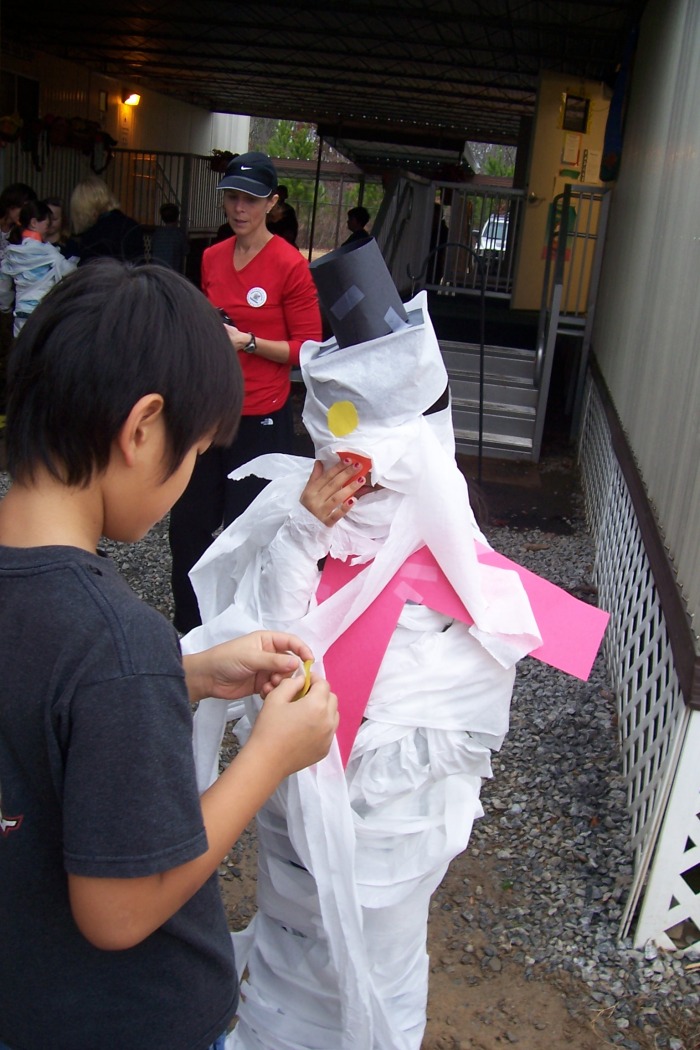
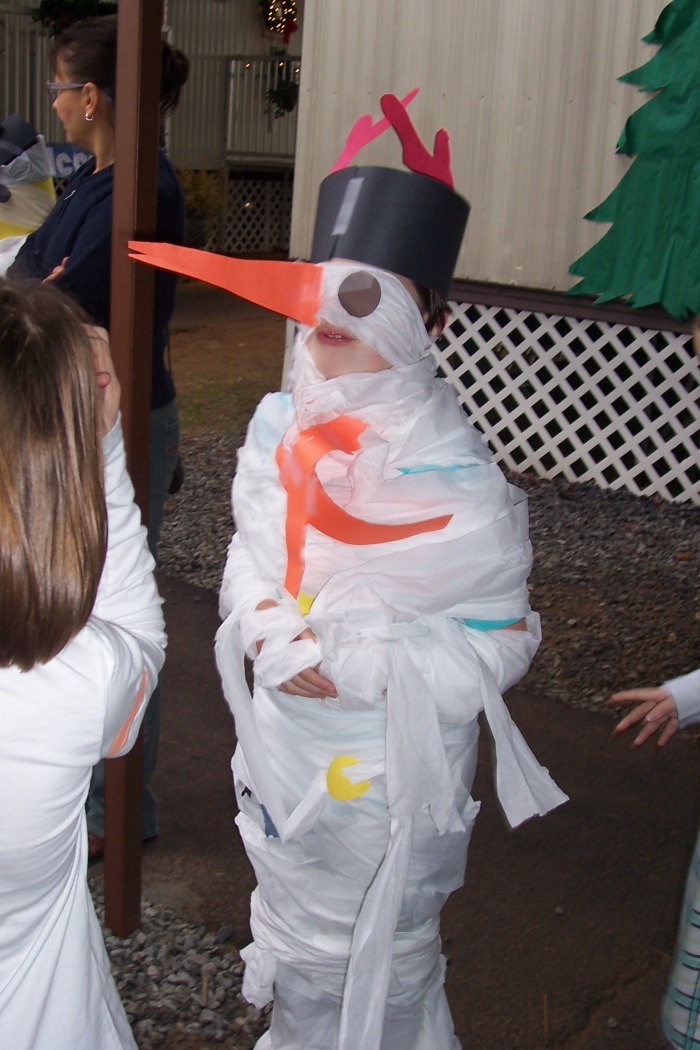
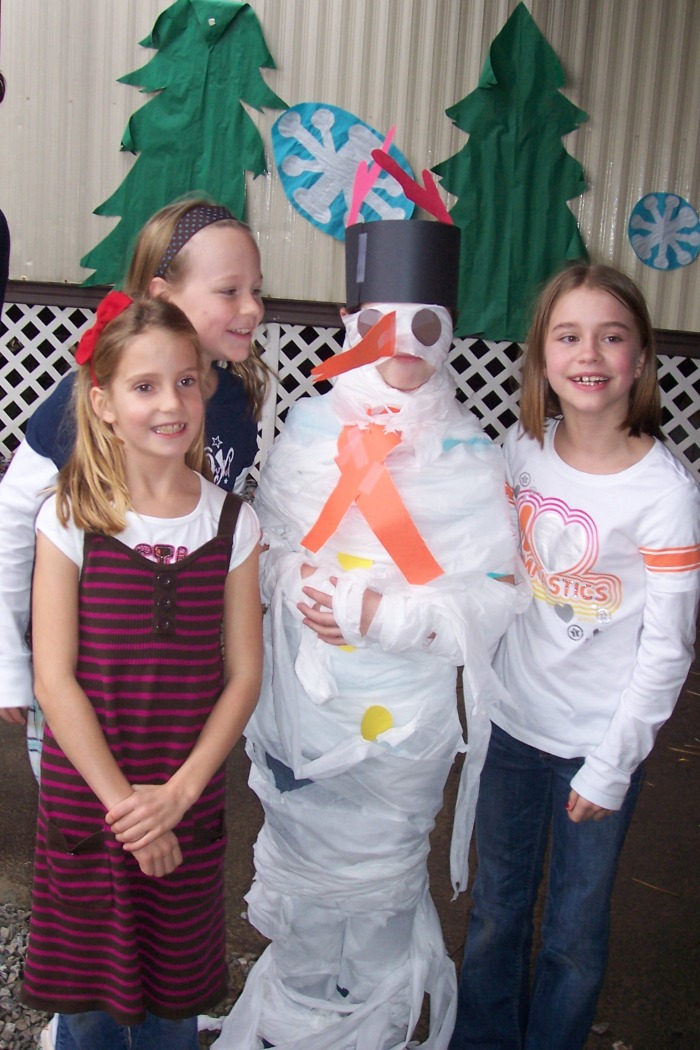
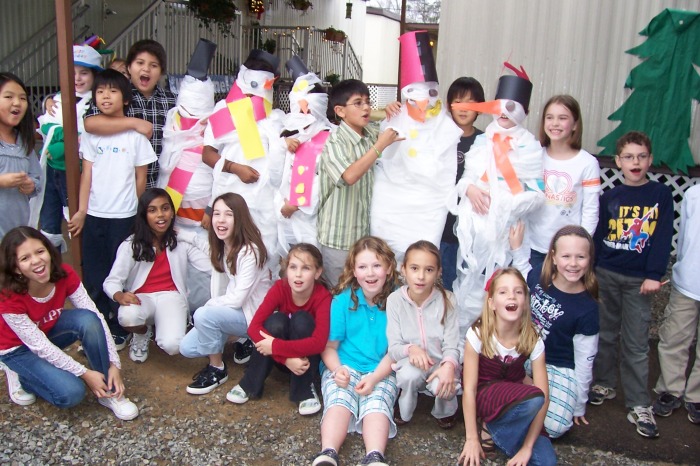
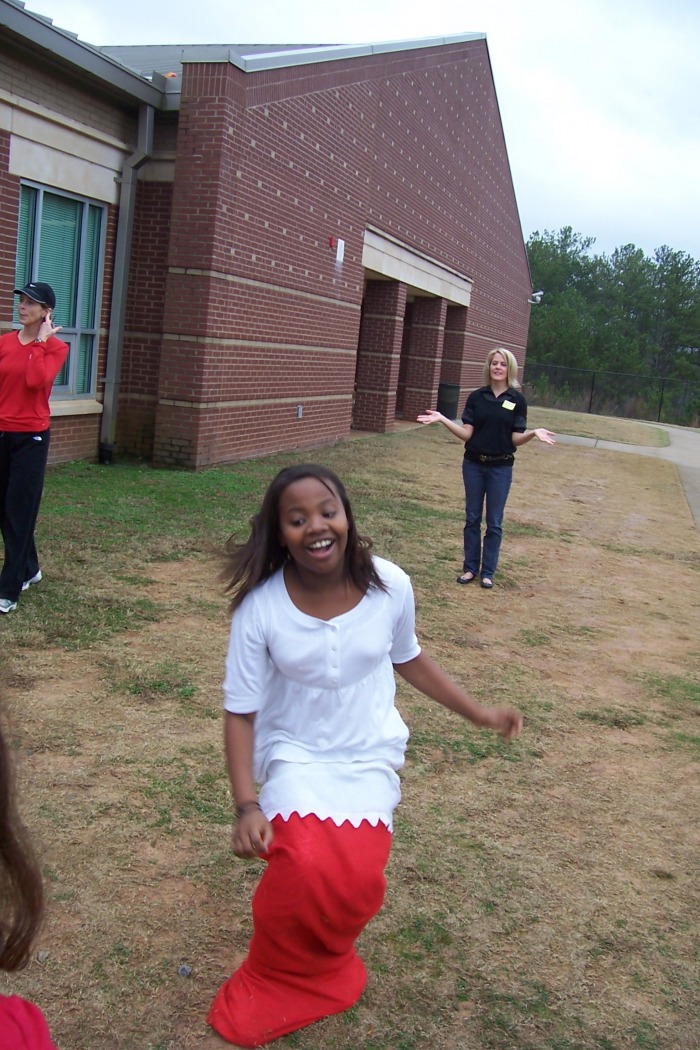
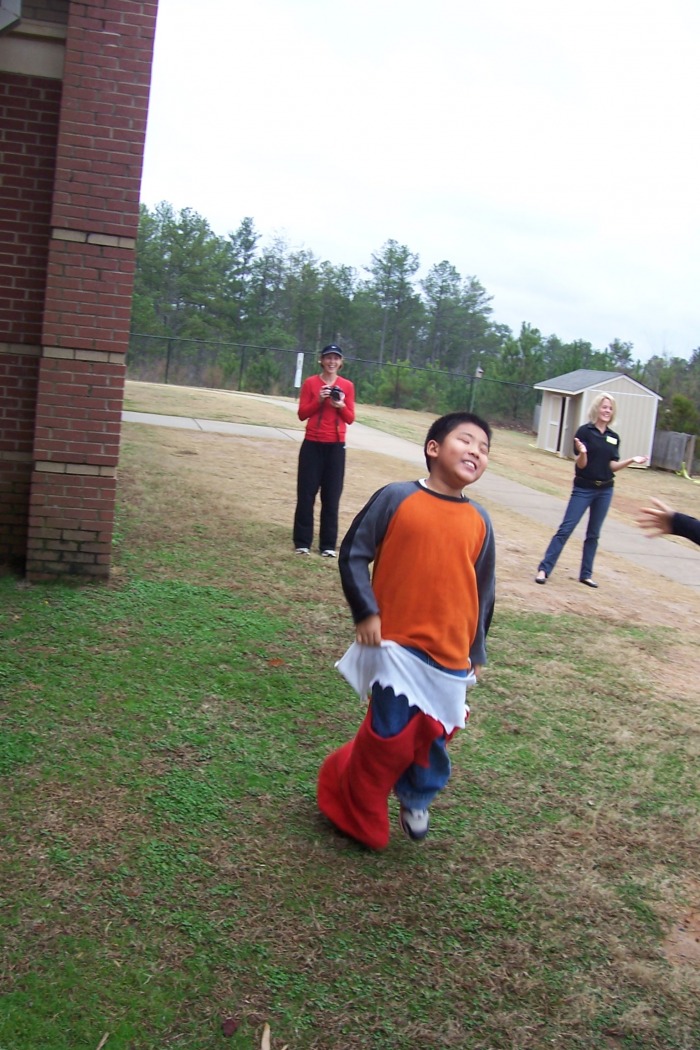
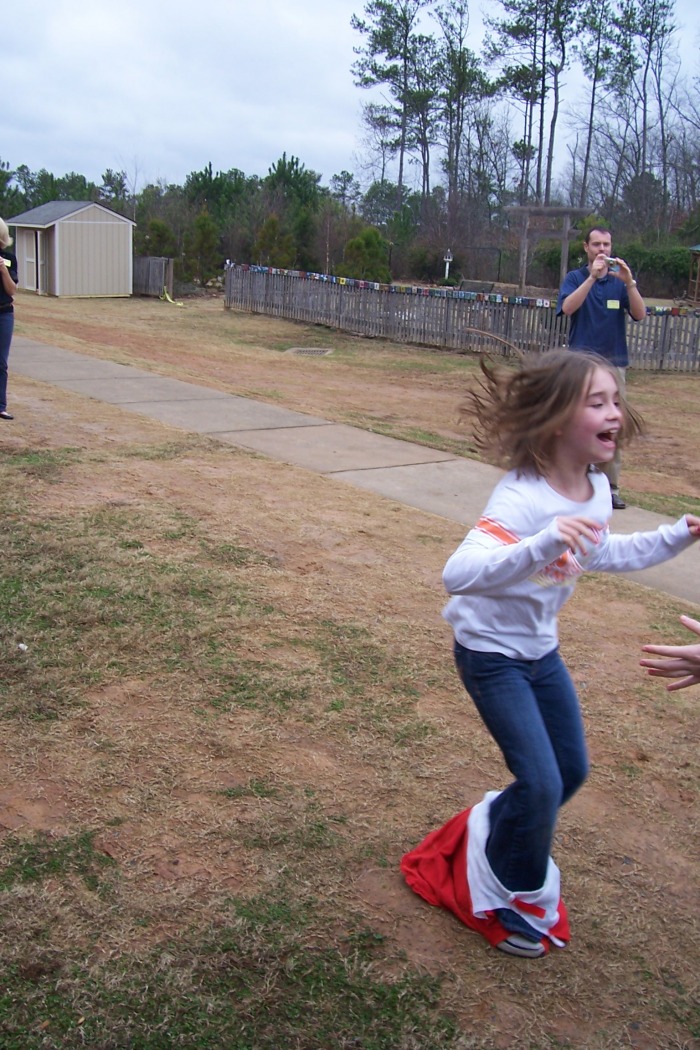
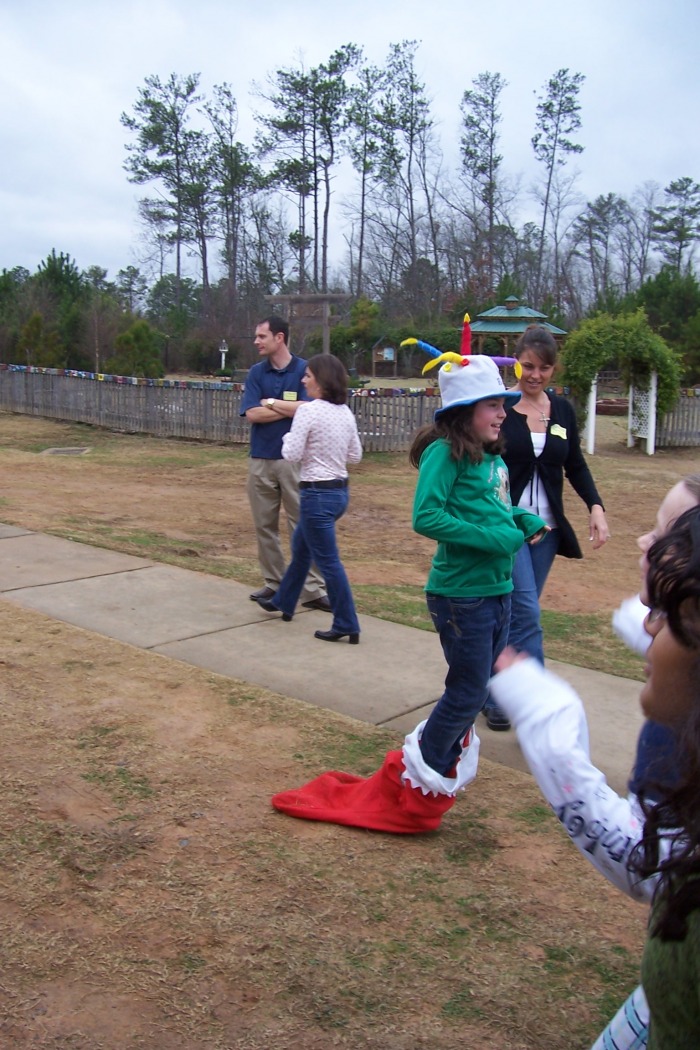
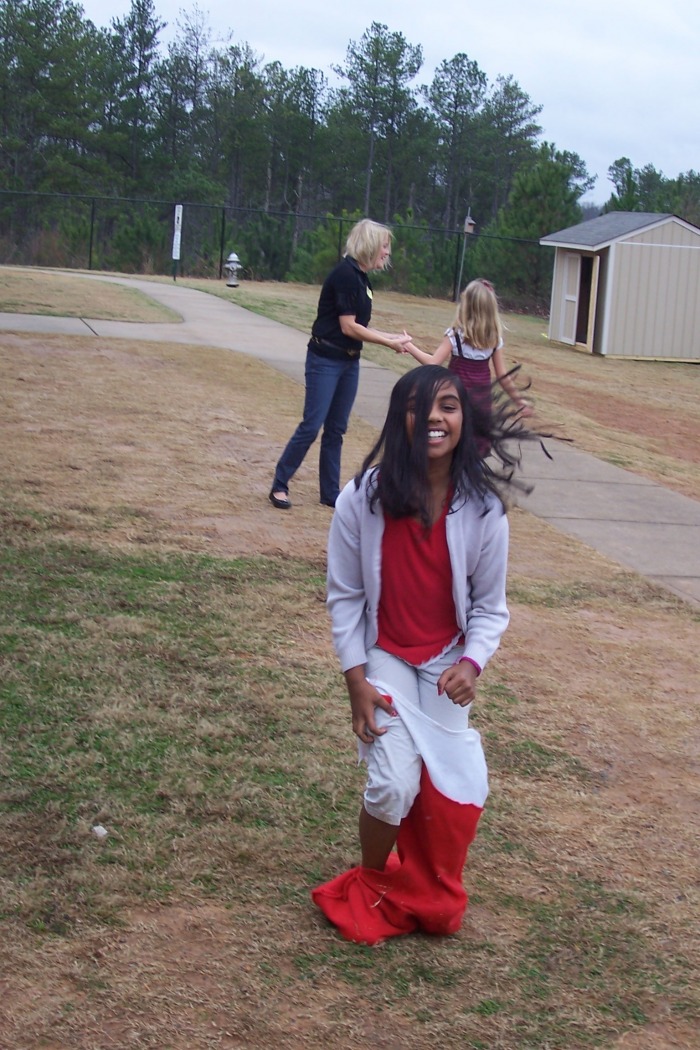
Science Lab Visit
Forces & Motion
Dec. 9
Colonial Day
December 5, 2008
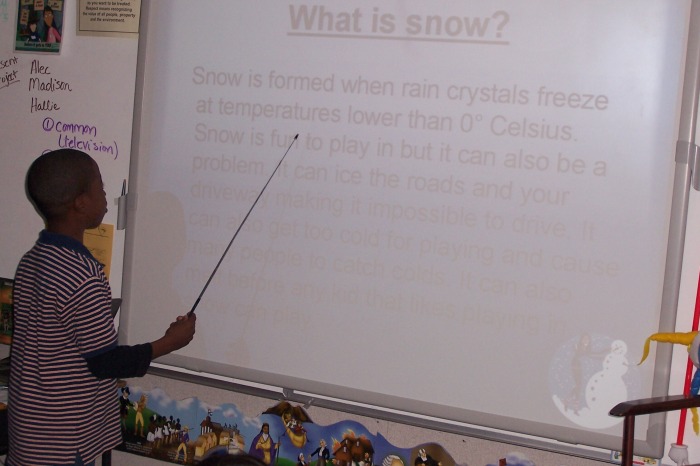
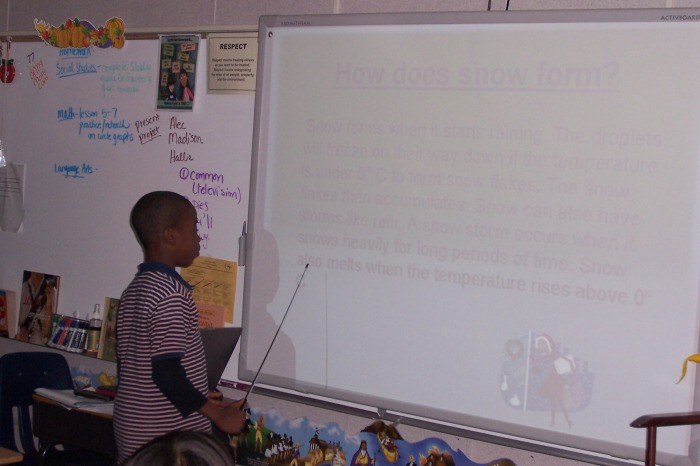
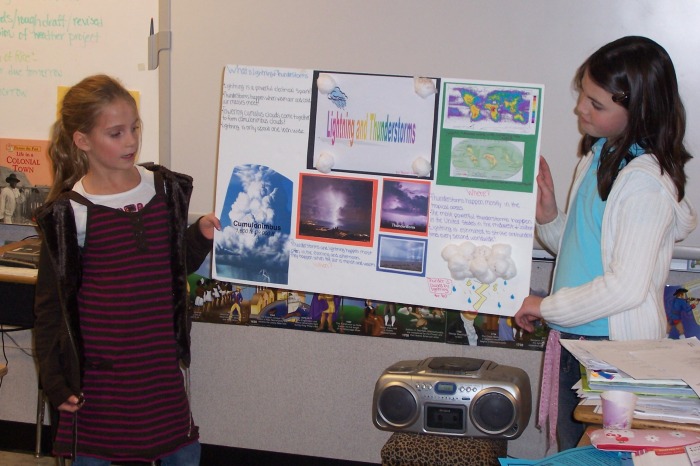
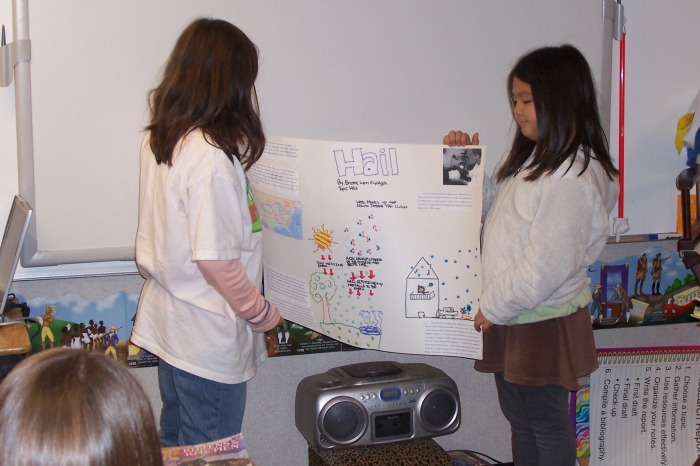
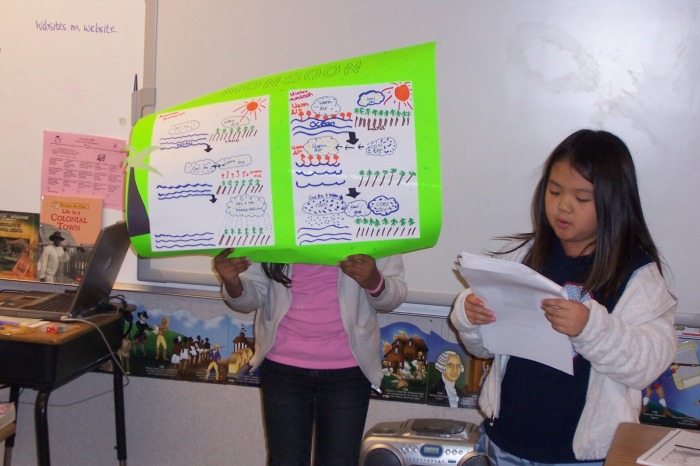
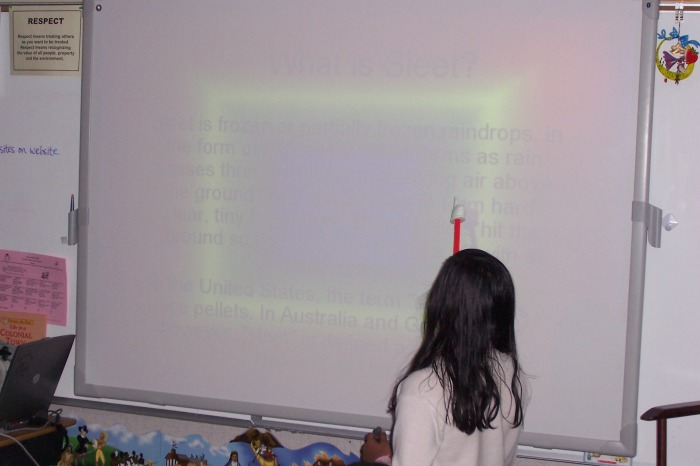
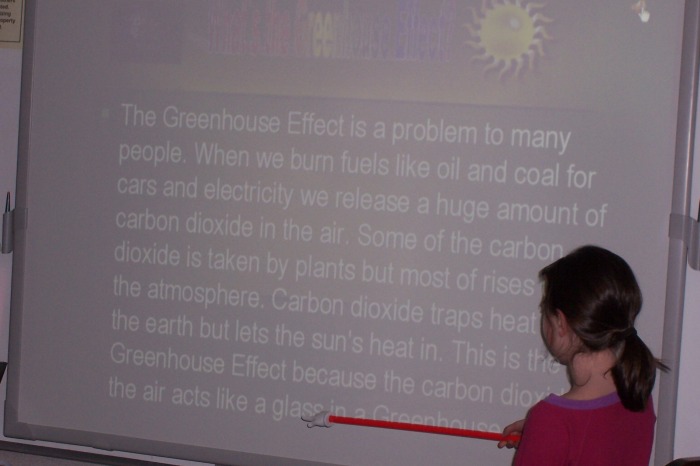
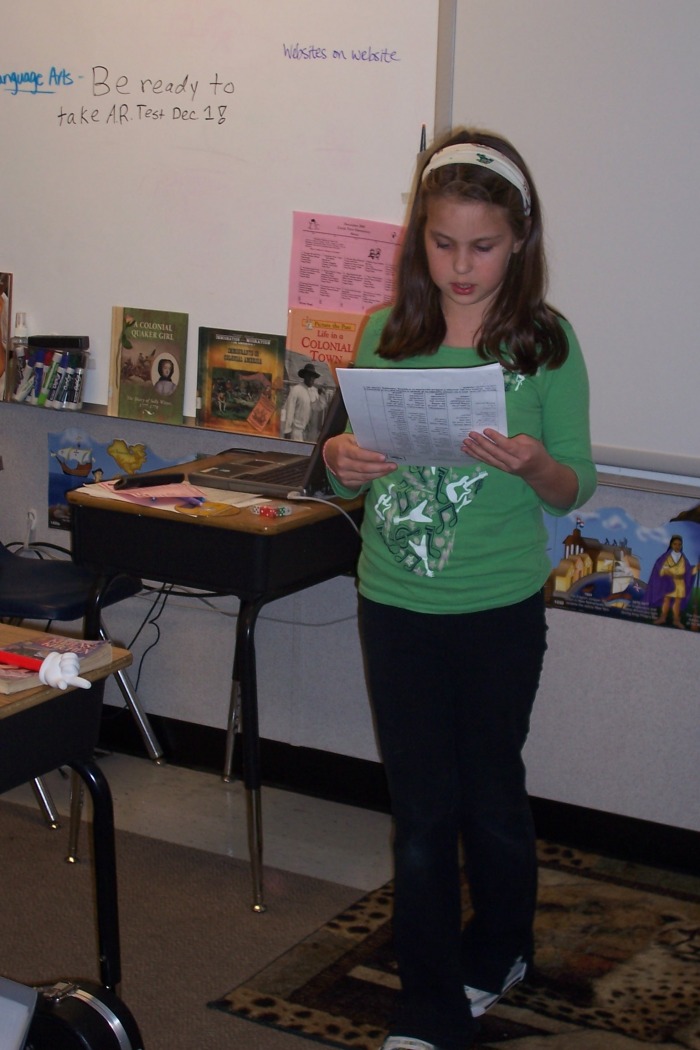
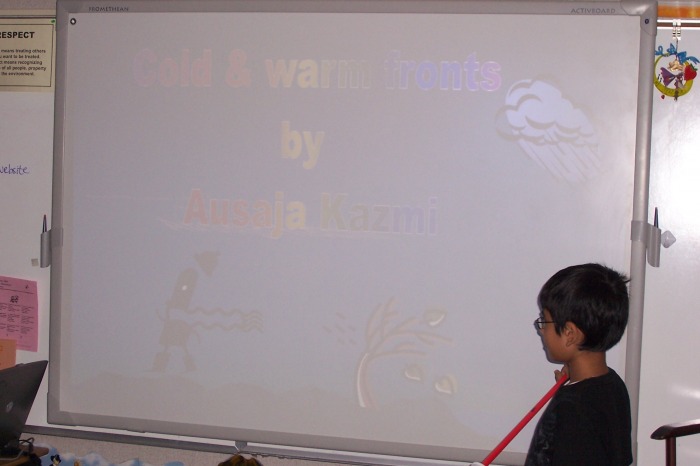
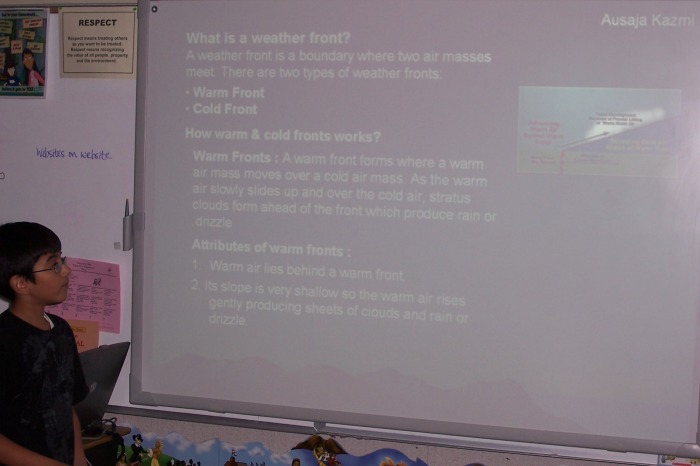
We loved sharing our Weather Reports with the class in November!
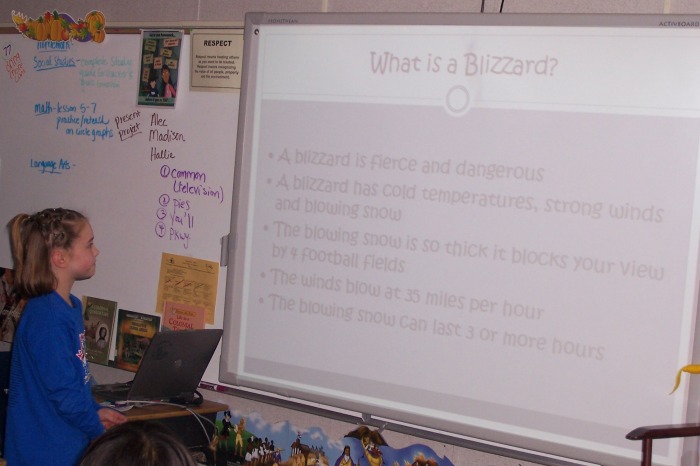
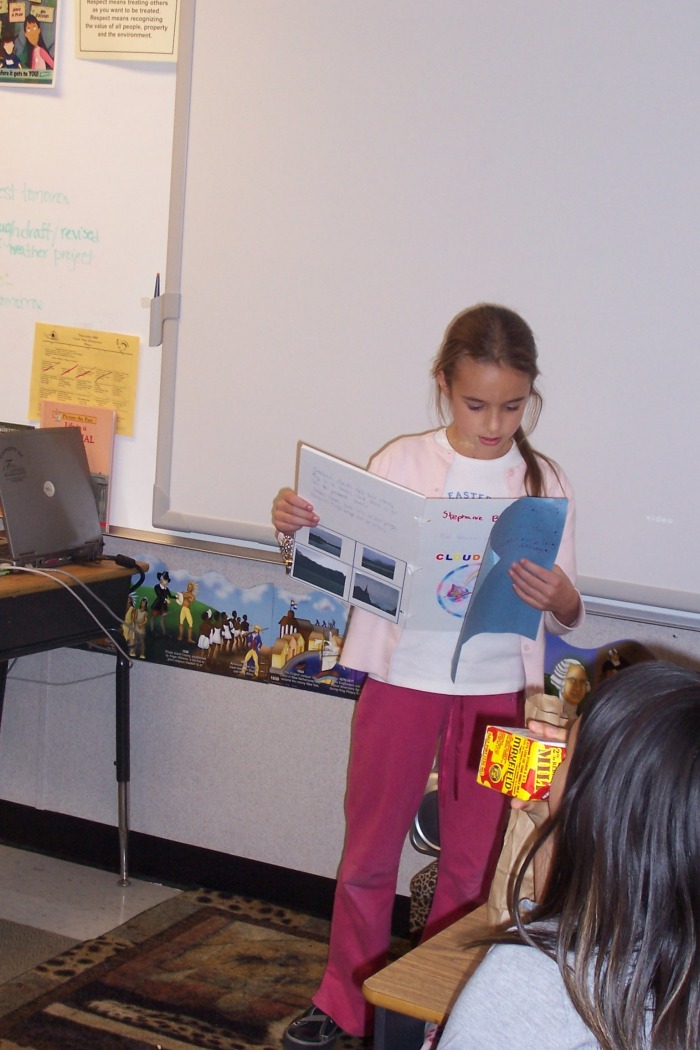
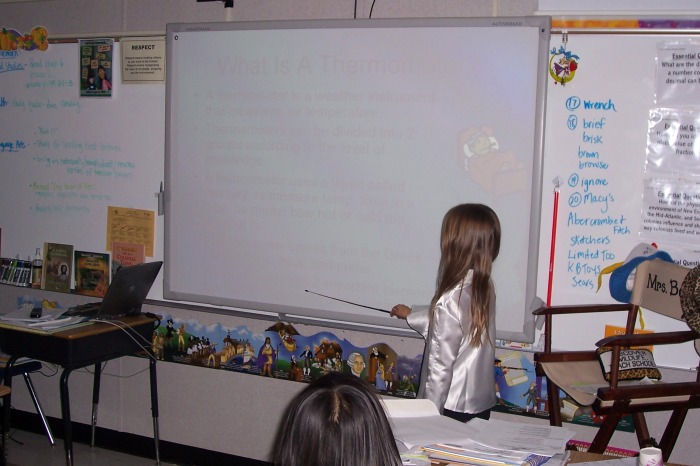
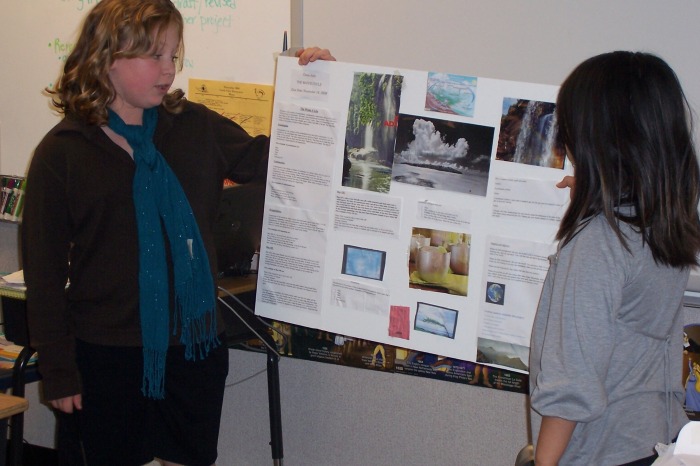
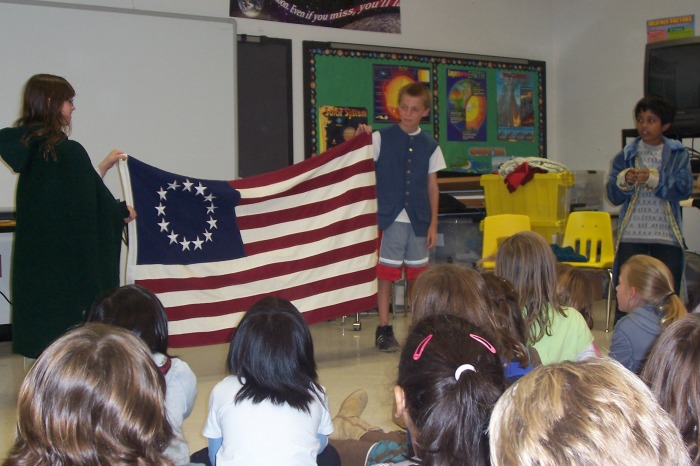
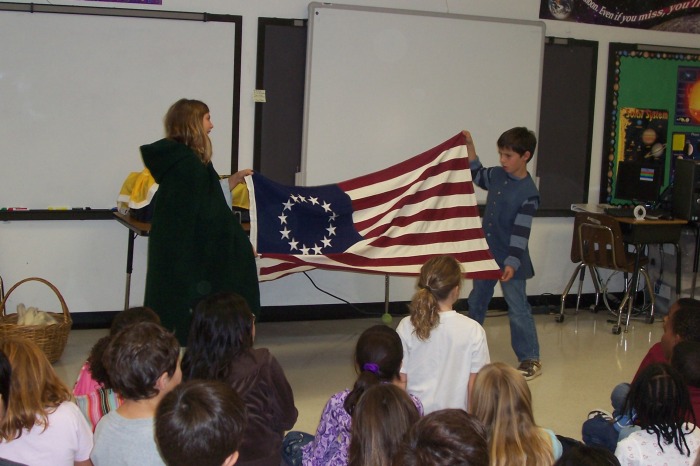
Ms. Woodward, from the Atlanta History Center, spoke to 4th grade about Colonial America (our current S.S. unit) on Friday, Oct. 23.
COLONIAL DAY IS DECEMBER 5!
Students are encouraged to dress up in colonial attire on this fun-filled, craft & activities day.
Students enjoyed making a weather vane, thermometer, barometer, and anemometer (all weather instruments) in class on Oct. 29!
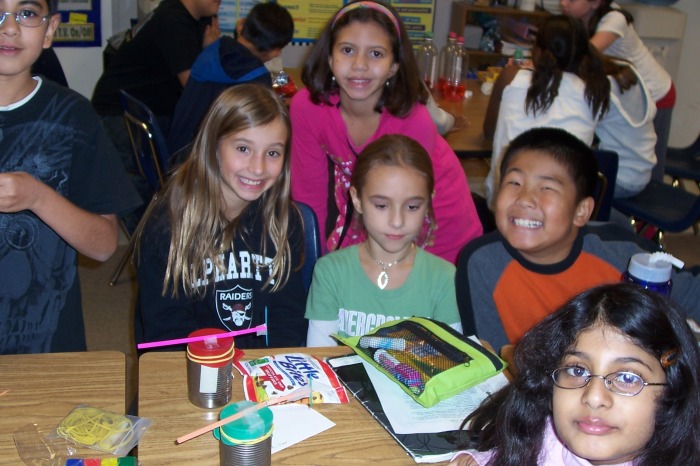
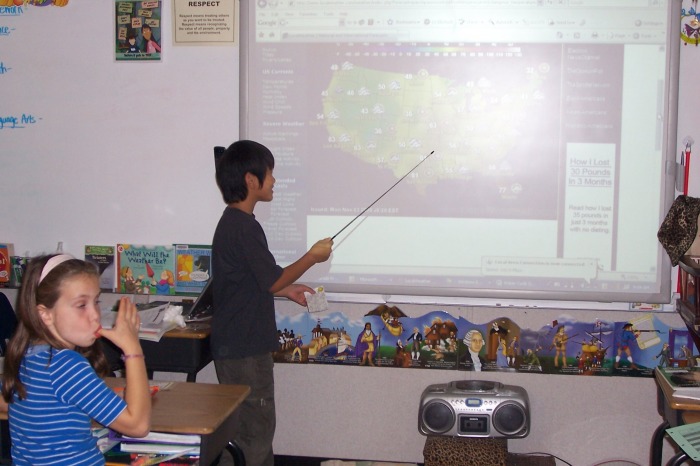
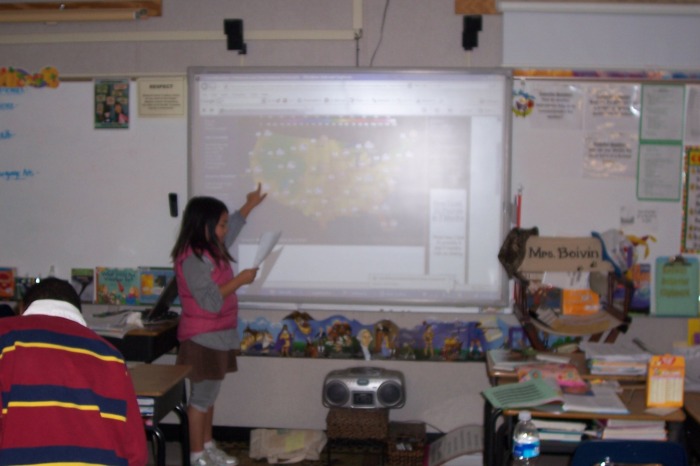
Students enjoyed being the "Weather Reporter" for a selected U.S. city!
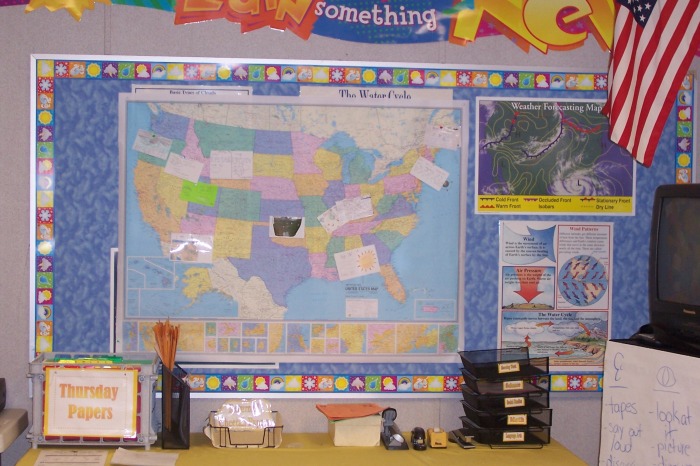
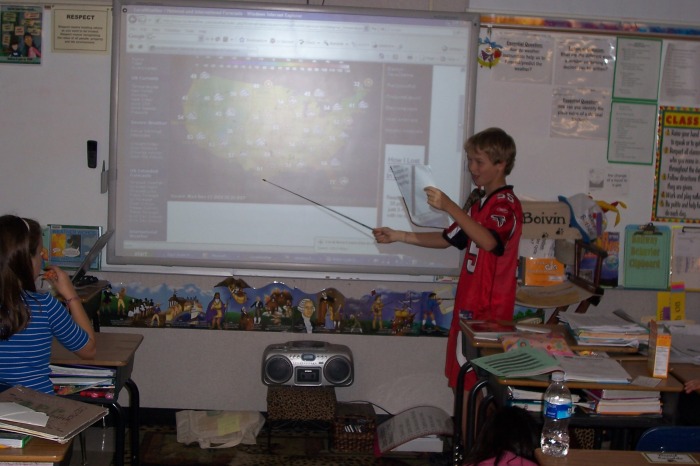
Science Lab on Solar System/Moon Phases
E-mail Mrs. Boivin
[email protected]
Our class "Wish List"
clorox wipes
scotch tape
prizes for our prize jar (small erasers, pencils, any small items that your child would like to earn)
puzzles for indoor recess
games for indoor recess
cups (for those who forget to bring their water bottle)
construction paper
Alison Boivin ([email protected])
Creek View Elementary
3995 Webb Bridge Road
Alpharetta, GA 30005
www.creekview.org
